💰 Budget
Matagalpa is cheaper than the Pacific tourist towns. Hotels, guesthouses and comedores in the centre cost little, and buses link it cheaply with Managua and Jinotega. Stays on the coffee estates in the hills and guided farm tours are the main extra costs.
- Daily Budget Midrange
- USD 55–110 (hotel or coffee-estate lodge, restaurant meals, a guided coffee-farm tour)
- Daily Budget Shoestring
- USD 20–40 (hospedaje, comedor meals, local buses)
Carry córdobas in small notes for buses, taxis and comedores, and cash for rural visits.
📅 Best Time to Visit
November to April, when the trails are dry and the coffee harvest brings the estates to life; the coffee fair falls in November. The rainy season from May to October turns the hills green but makes the rural roads muddy, with storms most afternoons.
⏳ Suggested Number of Days
A day or two covers the town itself. Three or four days allow time for the coffee farms and the hills around it. The weather and the state of rural roads in the rainy season can add time.
- First Visit
- 1–2 days
- With Surroundings
- 3–4 days
🚆 Transportation
The centre is small enough to walk, and taxis are cheap for the outskirts and trailheads. Buses run to Jinotega, San Ramón and the villages, and rural roads into the coffee country are rough, best done with a local driver or guide.
Take a taxi to the start of hill trails rather than walking out through the edge of town.
🛬 Airport & Station Connections
Matagalpa lies about 127 km by road north of Managua, through Tipitapa, Ciudad Darío and Sébaco. The drive from Managua's airport takes about two hours, and frequent buses from Managua take two and a half to three hours. There are also buses from León.
🚶 Walkability
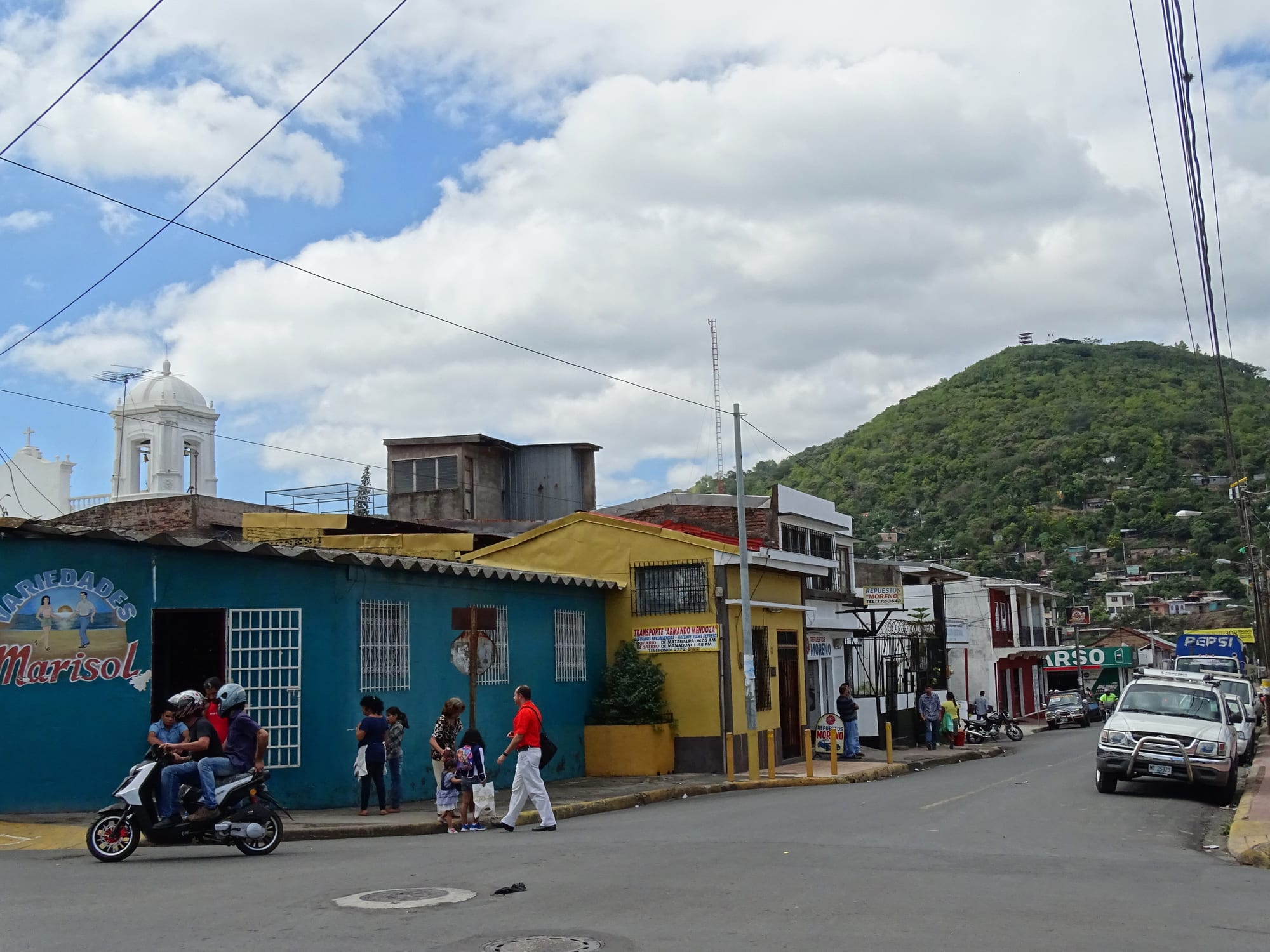
The centre, squeezed into a narrow valley, is compact and walkable, with the cathedral and Parque Morazán at its heart. Streets climb steeply towards the edges, and pavements are narrow and busy.
🛡️ Safety
Nicaragua has historically had lower violent crime than its northern neighbours, but the political situation is now the dominant concern. The highland towns are generally calm, with petty theft the usual risk, and mountain roads are narrow and winding. The political climate is as tense here as elsewhere: Matagalpa's Catholic diocese has been a particular target of the government.
Use taxis to reach trailheads, avoid rural roads at night, and stay away from political gatherings. Check current official travel advice before travelling.
🌦️ Climate
At more than 700 metres, Matagalpa is cooler and fresher than the Pacific lowlands, with average temperatures of about 26–29°C and humidity of 75 to 85 per cent. The rainy season runs from May to October; the dry season from November to April brings clear days and cool nights.
- Summer
- rainy season May–October — across the northern highland towns about 20–28°C, with afternoon storms
- Winter
- dry season November–April — across the northern highlands about 16–28°C, with clear days and chilly nights
🤝 Local Customs
Highlanders are known in Nicaragua as serious, hard-working and religious, and life here runs at an older pace, with ox carts, mules and men on horseback still seen in the streets. Coffee sets the calendar, and the Indigenous identity of the city is strong.
Dress modestly in churches, ask before photographing people, and avoid political or religious activism of any kind.
💳 Common Payment Methods
The currency is the córdoba (NIO); US dollars are accepted for larger purchases and by hotels. Cards work in some hotels and shops in the centre, but buses, taxis, markets and comedores take cash, and rural lodges may need cash too.