💰 Budget
Kaduna is inexpensive for food, markets and local transport, and its hotels are cheaper than Abuja's while covering a similar range, from simple guesthouses to business hotels. The main costs for a visitor are a car with a trusted driver and, for some, security arrangements.
- Daily Budget Midrange
- USD 90–230 (better hotel, restaurants, a car with driver)
- Daily Budget Shoestring
- USD 25–50 (simple hotel, local eateries, shared taxis and keke)
Carry naira in cash, since card acceptance is limited outside larger hotels, and book train seats to Abuja well in advance, as they sell out.
📅 Best Time to Visit
November to February is the coolest and driest time, with warm days and cool nights, although the harmattan brings dust and can delay flights. March to May is very hot, and the rains fall between June and September, when the countryside turns green.
⏳ Suggested Number of Days
Most visits to the city last one or two days. Allow about three to take in the historic towns north of it as well. The length depends heavily on arranging a car and driver and on conditions on the roads out of the city.
- First Visit
- 1–2 days
- With Surroundings
- 3 days
🚆 Transportation
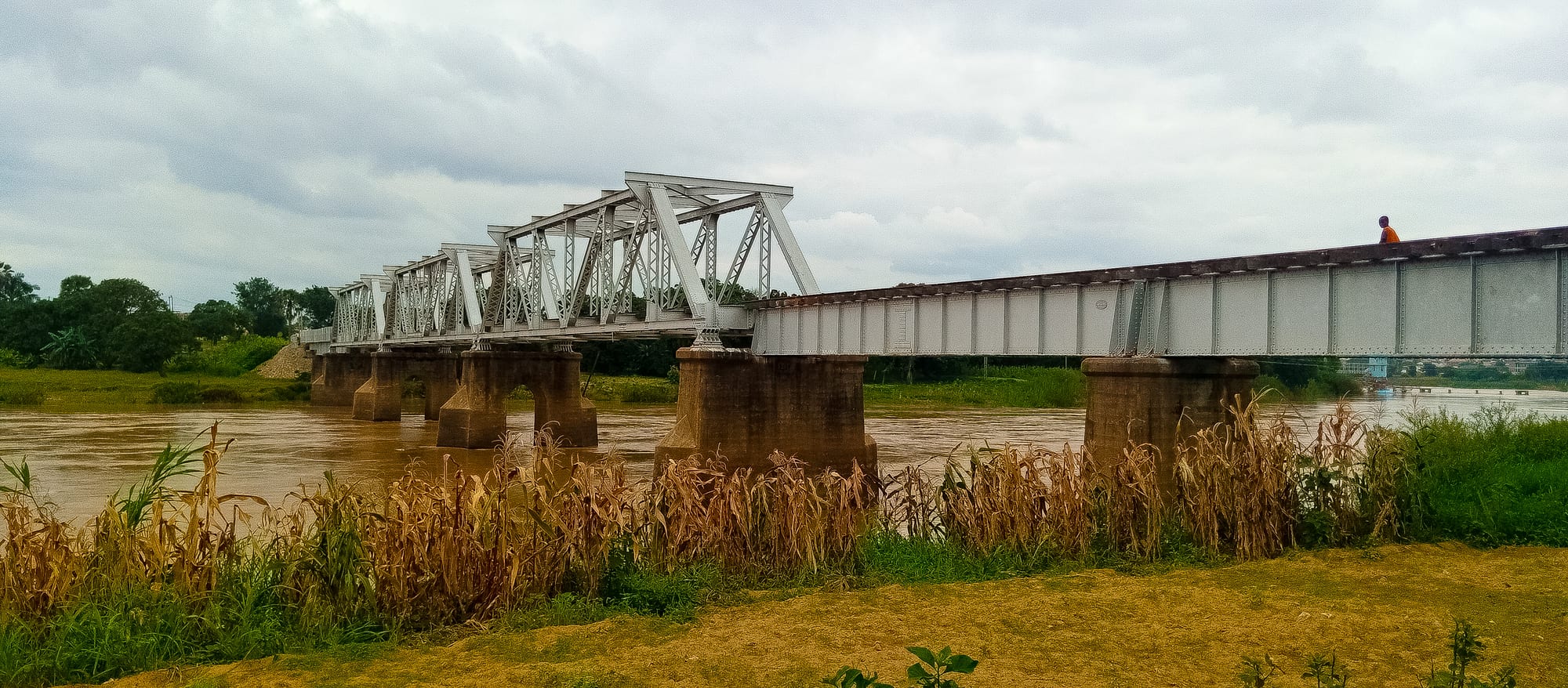
Shared taxis, minibuses and three-wheeled keke napep run along the main avenues, and motorcycle taxis operate in some districts. Ahmadu Bello Way carries most traffic between the north and south of the city, and the river bridges are the pinch points. Visitors generally move around with a hired car and driver.
Use the standard-gauge train rather than the highway for the journey to Abuja, and avoid road travel between cities after dark.
🛬 Airport & Station Connections
Kaduna International Airport, now named after Hassan Usman Katsina, lies about 22 km north-west of the city and handles domestic flights. The 187 km standard-gauge railway from Rigasa station to Abuja, opened in 2016, is the usual way to travel between the two cities, since the highway between them has seen repeated kidnappings. Buses and shared cars connect Kaduna with Kano and Zaria.
🚶 Walkability
The colonial centre is laid out on wide, straight avenues with long blocks, so walking is possible but distances are greater than they look and shade is scarce. The museum, Lugard Hall and the main offices lie within a manageable stretch of Ahmadu Bello Way; Kaduna South and the outer districts are several kilometres away and need transport.
🛡️ Safety
Governments advise against all or all but essential travel to much of the northwest, and armed groups carry out kidnapping and village raids in rural Kaduna State. The city itself is calmer than the countryside, with a heavy military and police presence, but kidnapping, robbery and, in the past, communal violence between religious communities have all affected it.
Avoid rural areas and intercity roads, travel only with trusted local contacts and security advice, dress conservatively and respect Islamic customs. Check current official travel advice before travelling.
🌦️ Climate
Tropical savanna, milder than Kano to the north. A rainy season runs from about April or May to September, the hottest months are March to May, and the harmattan brings dust and cool nights from December to February.
- Summer
- rainy season, roughly 20–31°C, with storms and green countryside
- Winter
- dry and dusty, roughly 14–34°C, hazy days and cool mornings
🤝 Local Customs
Kaduna is religiously mixed, with a largely Muslim north of the city and substantial Christian communities, especially from southern Kaduna State. Religion and politics are sensitive subjects. Greetings are formal and unhurried, elders are addressed first, and modest dress is expected throughout the city.
Ask permission before photographing people, mosques, churches, bridges or any military or government building, of which the city has many, and keep conversation away from local religious politics.
💳 Common Payment Methods
The currency is the naira. Cash is the basis of daily spending, with small notes needed for transport and markets, and bank transfers are widely used by residents. Cards work in larger hotels and supermarkets, and ATMs in the centre may limit withdrawals on foreign cards.