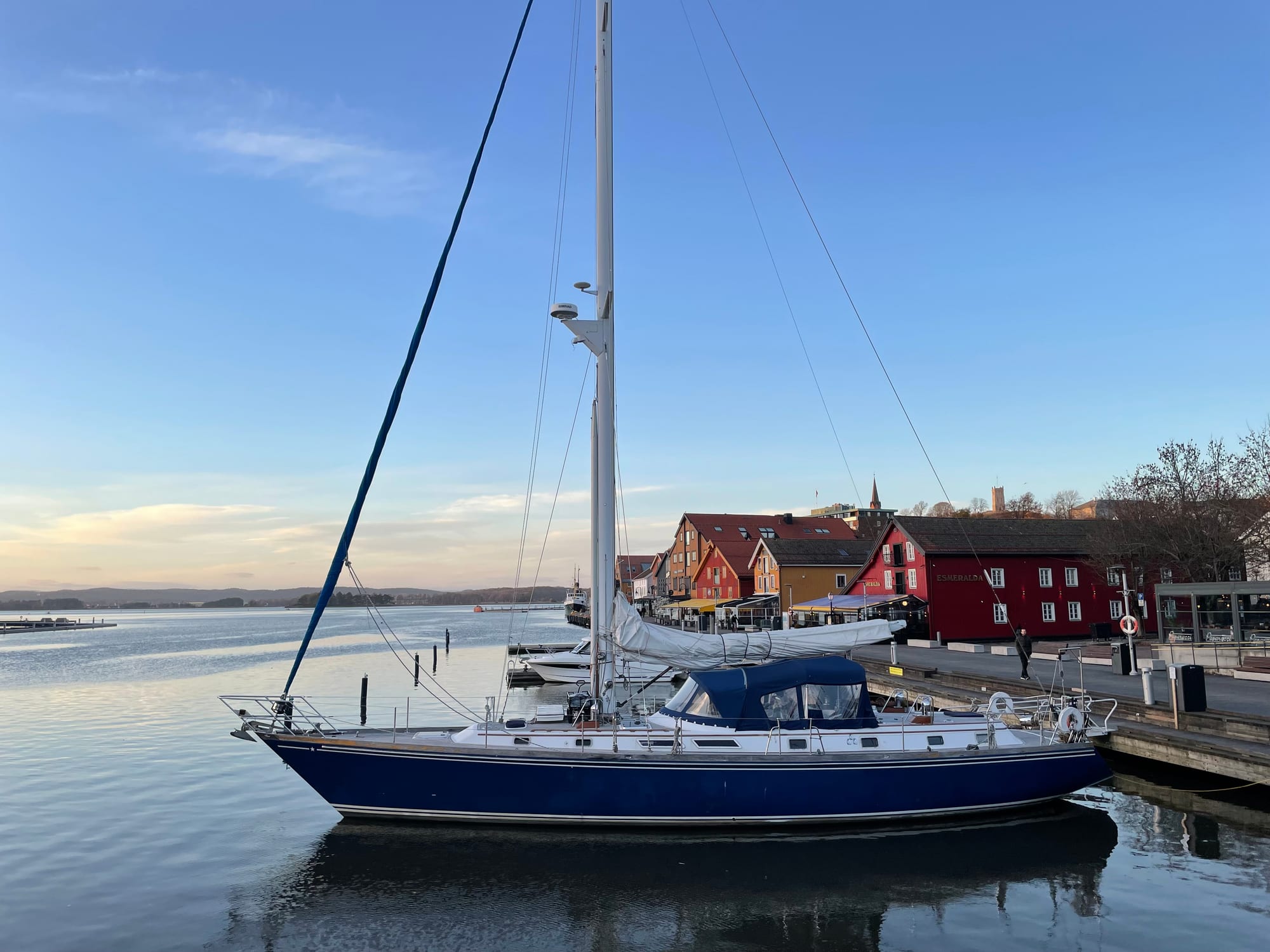
💰 Budget
Prices follow Norway's high national level. Summer is the busiest and costliest time, when holidaymakers from Oslo and the islands fill the quayside, and accommodation is tighter around the July festival. The fortress ruins, the hill, the quayside and walks around the old town are free, and Tønsberg is an easy day trip by train from Oslo.
- Daily Budget Midrange
- USD 210–420 (central hotel, seafood dinners on the waterfront, museum tickets, a hire car or island buses)
- Daily Budget Shoestring
- USD 85–140 (hostel or campsite, supermarket food, shrimp on the quay, local buses)
Beer under 4.75 per cent is sold in supermarkets but not on Sundays; wine and spirits only from the state Vinmonopolet shops.
📅 Best Time to Visit
June to August, when the quayside is at its busiest, boats fill the harbour, the islands are open for swimming and the Slottsfjell Festival takes over the hill in July. May and September are quieter and still pleasant for the walks. Winter is fairly cold, with snow that comes and goes, and the waterfront is calm.
⏳ Suggested Number of Days
The town itself suits a day or an overnight stay. Allow two or three days to add the Viking sites, the manors and churches around it and time on the islands of the outer fjord.
- First Visit
- 1–2 days
- With Surroundings
- 3 days
🚆 Transportation
The centre is small and walkable. Vestfold's regional bus network links the town with Nøtterøy, Tjøme and the surrounding villages, and the railway station sits on the edge of the centre. A car or bicycle makes it easier to reach the Oseberg mound, Sem and the outer islands.
Roads around Norway's towns have automatic tolls; for hire cars the rental company receives the toll bill and charges it on afterwards.
🛬 Airport & Station Connections
Tønsberg is about 102 km south-south-west of Oslo. Trains on the Vestfold line run from Oslo, looping through the city before reaching Tønsberg Station. The nearest airport is Sandefjord Airport, Torp, near Sandefjord to the south-west, with domestic and low-cost European flights; Oslo Airport is further away.
🚶 Walkability
The old centre, the quayside, the cathedral and Slottsfjellet are all within a few minutes of each other — the main square to the waterfront is a few hundred metres. The climb up the fortress hill is short but steep. The Oseberg mound and Jarlsberg need transport.
🛡️ Safety
Norway has among the lowest crime rates in the world. Tønsberg is a calm town; the main risks are on the water, with busy summer boat traffic and cold water early in the season, and on summer nights along the quayside bars.
Wear a life jacket in small boats and take care on the steep paths of Slottsfjellet in wet or icy weather. Check current official travel advice before travelling.
🌦️ Climate
The city has a typical coastal climate with mild winters, longer summers and less difference between day and night temperatures than the inland north of the municipality, which has colder winters and warmer summers.
- Summer
- in nearby Sandefjord, daily highs in July typically range from 19 to 25°C
- Winter
- in nearby Sandefjord, winter daily highs typically hover around 0°C, with frequent snow often interrupted by mild weather that melts it
🤝 Local Customs
Tipping is not expected — restaurant staff are well paid — but leaving something for good service is never offensive, and rounding up a taxi fare is common. Drinking alcohol in public places is prohibited, though licensed terraces along the quay are fine. People are proud of the town's claim to be the oldest in Norway.
The age limit is 18 for beer and wine and 20 for spirits; there is no takeaway alcohol on Sundays.
💳 Common Payment Methods
The currency is the Norwegian krone (NOK). Cards, contactless payment and the Vipps app are used almost everywhere, and a contactless Visa or Mastercard works throughout; cash has been a legally required means of payment since 1 October 2024, so a little cash is useful but rarely needed.