💰 Budget
Panglao is one of the dearer places in the Visayas, close to Boracay for resort prices in the high season, though the island also has cheap guesthouses inland and in the old town. Diving, boat hire to Balicasag and day trips to the Bohol interior are the main extras; eating and travelling as residents do costs very little.
- Daily Budget Midrange
- USD 80–170 (beach resort room, restaurant meals, dives or a day trip inland)
- Daily Budget Shoestring
- USD 25–45 (guesthouse or dorm away from the beach, carinderia meals, shared vans and tricycles)
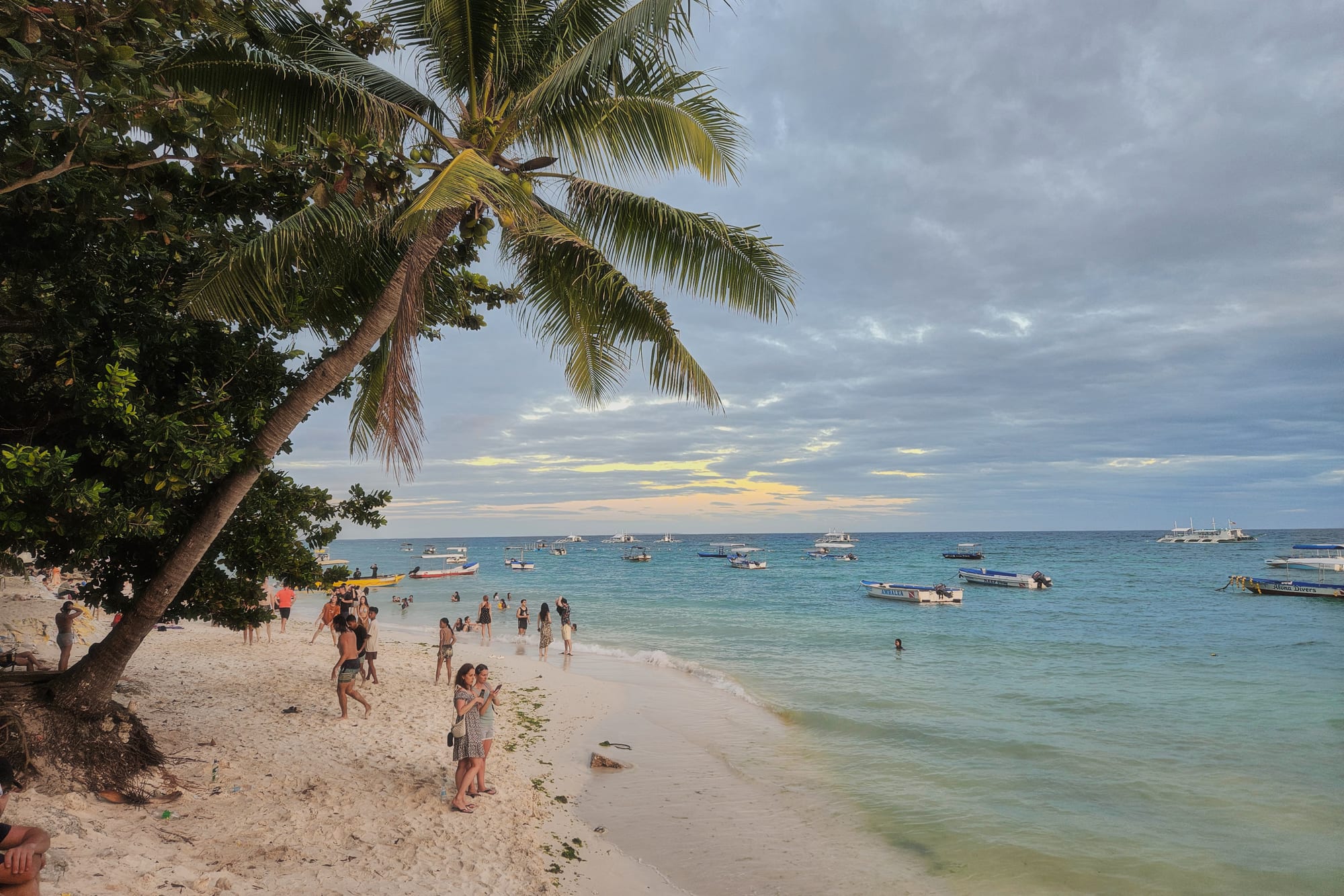
Rooms a few hundred metres back from Alona cost far less than those on the sand, and the beach is public in any case.
📅 Best Time to Visit
December to May is the dry season, with March to May the calmest for diving and boat trips to Balicasag and the sandbars. January to April is the busiest stretch, and Christmas, New Year and Holy Week are booked far ahead. June to November is wetter and windier; Bohol is hit by typhoons less often than Samar and Leyte, but storms do reach it.
⏳ Suggested Number of Days
Three days is enough for the beaches and a boat trip offshore. Five or six allow for the Bohol interior and the old churches on the mainland coast. Divers tend to stay longer, since the sites offshore reward repeat visits.
- First Visit
- 3 days
- With Surroundings
- 5–6 days
🚆 Transportation
Tricycles are the standard way to move around the island and are hired by the trip or by the day; motorbikes and small cars are widely rented, and the roads are good by Philippine standards. Vans and jeepneys run to Tagbilaran across the bridges. Outrigger boats leave from Alona for Balicasag, the sandbars and dolphin-watching trips, usually before dawn.
Agree tricycle fares in advance, and book boats the day before, since they leave very early and are limited in number by the local authorities.
🛬 Airport & Station Connections
Bohol–Panglao International Airport, which opened in November 2018 on the island itself, is about 3 km from Alona Beach and has flights from Manila, Cebu and elsewhere. The alternative is a fast ferry from Cebu to Tagbilaran, about two hours, then half an hour by road across the bridges. Ferries from Tagbilaran also serve Negros, Leyte and Mindanao.
🚶 Walkability
Alona Beach and the lanes behind it are walkable, and that is where most visitors spend their time. Beyond it the island is spread out, with distances of several kilometres between beaches and villages along roads that have little pavement and no lighting, so a tricycle or a rented motorbike is the usual answer.
🛡️ Safety
The island is quiet and generally safe, with petty theft on the beach and in rented rooms the main crime concern. The practical risks are traffic on unlit roads at night, motorbike accidents among inexperienced riders, sun and currents on boat trips, and diving beyond one's qualifications at the deeper sites offshore. Earthquakes and typhoons are the natural hazards Bohol prepares for.
Wear a helmet and avoid riding at night, use registered boats with life jackets, and dive with an established shop and within qualifications. Monitor PAGASA for storms, keep away from volcanic danger zones, take dengue precautions year-round, and do not travel to the Sulu provinces or the Zamboanga peninsula. Check current official travel advice before travelling.
🌦️ Climate
Hot and humid all year. Bohol has a relatively dry season from about December to May and a wetter one from June to November, with rain in heavy afternoon bursts rather than all day. The island lies away from the worst of the typhoon tracks but is not beyond them.
- Summer
- hot and humid, typically 28–33°C, driest and calmest from March to May
- Winter
- warm, 24–31°C, with cooler nights and a steady breeze from December to February
🤝 Local Customs
The language is Cebuano, called Bisaya locally, with English widely used in the resorts. Boholanos have a reputation for reserve and formality compared with their Cebuano neighbours. Swimwear is for the beach: shirts and shorts are expected in the villages, the market and the old churches, which are places of worship before they are sights. Elders are greeted with the mano, the hand taken to the forehead.
Tipping is not obligatory — rounding up or ten per cent is generous — and tarsiers must be viewed quietly and without flash, since noise and light distress them.
💳 Common Payment Methods
The currency is the Philippine peso. Resorts, dive shops and larger restaurants around Alona take cards and mobile wallets; tricycles, markets, carinderias and boat crews are cash only. Cash machines cluster around Alona, Dauis and Tagbilaran, charge a withdrawal fee and can run empty at weekends, so drawing money in the city is sensible.