💰 Budget
The village is inexpensive by Polish standards. Most accommodation is in guesthouses and agritourism rooms run by residents, alongside a few hotels and inns. The main extra cost is a licensed guide for the strict reserve.
- Daily Budget Midrange
- USD 100–200 (village hotel, restaurant meals, guided walk in the strict reserve, bike hire)
- Daily Budget Shoestring
- USD 45–75 (guesthouse or agritourism room, simple meals, buses)
Book a licensed guide for the strict reserve in advance in busy months.
📅 Best Time to Visit
Late spring to early autumn for walking, cycling and birdwatching. Winter, when snow covers the forest, brings sledge rides, but it is very cold. Midsummer brings the Kupalle festival.
⏳ Suggested Number of Days
Two days allow a guided walk in the strict reserve and time in the village. Three or four days suit wildlife watching and longer walks and rides on the forest trails, where early mornings and the weather decide how much is seen.
- First Visit
- 2 days
- With Surroundings
- 3–4 days
🚆 Transportation
The village is manageable entirely on foot, with flat paved roads and pavements. A local bus line runs through it only a few times a day. Bicycles are the most practical way to cover the forest trails, which start from the village and run for hundreds of kilometres, and some visitors explore on horseback or by kayak.
Bring insect repellent and keep to marked trails; the strict reserve may only be entered with a licensed guide.
🛬 Airport & Station Connections
There is no longer a railway — the line to Hajnówka closed to traffic in 1994 — so visitors arrive by bus or car. Buses run several times a day from Białystok, the regional capital, and from Hajnówka, the county town; by road the village lies on provincial road 689 from Bielsk Podlaski.
🚶 Walkability
Very walkable: the village is small and flat, and Palace Park, the museums, the church and the start of the guided reserve walk are all a short distance from the centre. Free marked trails lead into the forest from the edge of the village.
🛡️ Safety
Poland is a safe country with low violent crime. The village sits close to the Belarus border, where Poland completed a steel border wall in 2022. A state of emergency restricted access to areas close to the border from 2021, and in 2024 a 200-metre exclusion zone was set up again along the whole border.
Respect border-zone signs and closures near Belarus, carry identification, and check for ticks after walks. Check current official travel advice before travelling.
🌦️ Climate
North-eastern Poland has some of the most continental climate in the country. Białowieża's own records range from −38.7°C in January 1950 to 34.5°C in August 1963. In Białystok, the regional capital, the average annual temperature is about 7.7°C.
- Summer
- warm and occasionally hot — the village's record is 34.5°C; in Białystok summers are a little cooler than in most of Poland and bring the most rain
- Winter
- cold — Białystok, one of the coldest cities in Poland, has long frosty winters, and frosts below −20°C are possible but rare
🤝 Local Customs
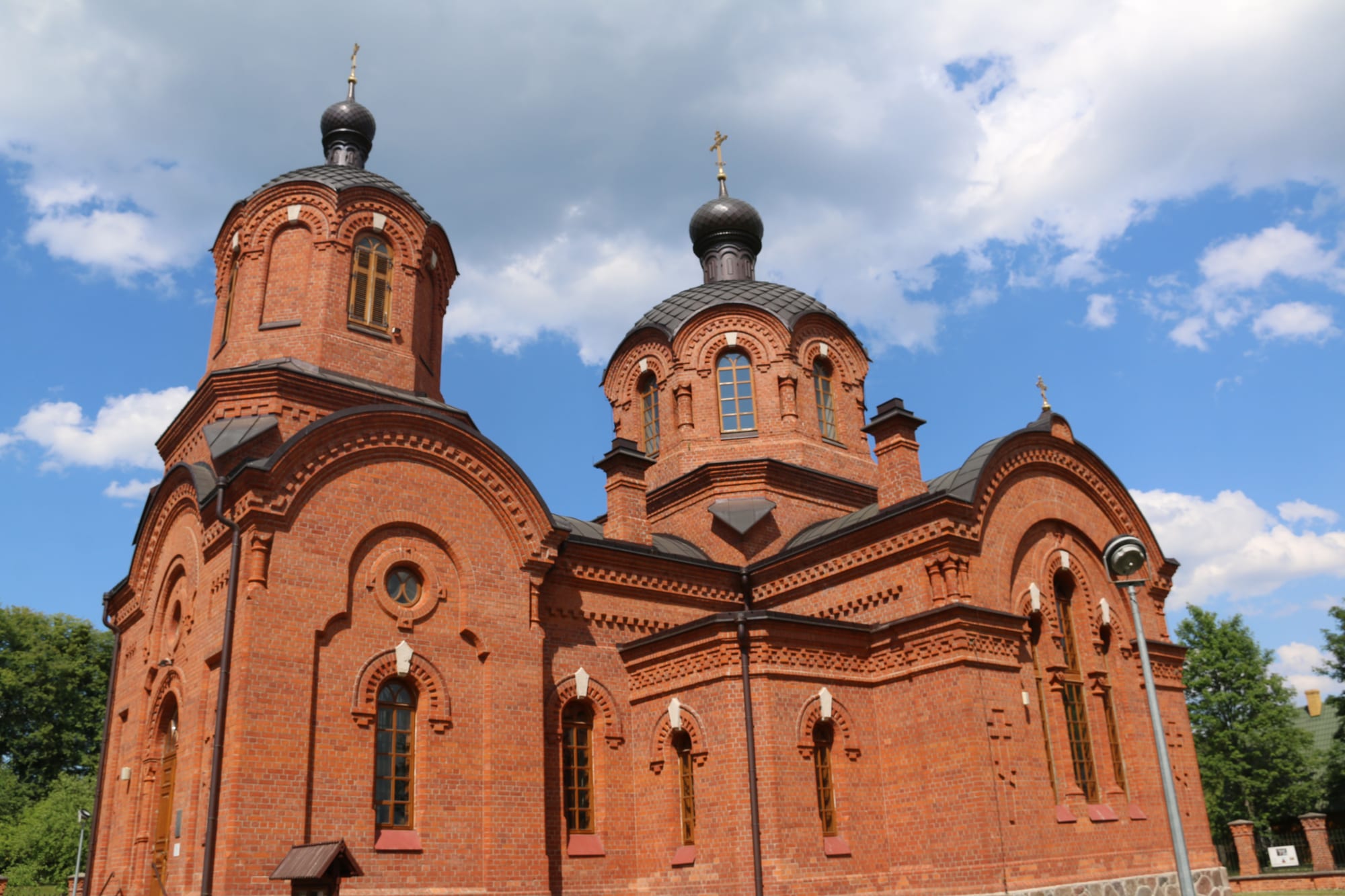
A tip of around 10 per cent is usual in restaurants. Drinking alcohol in public places outside licensed venues is illegal and can bring a fine. The village is largely Orthodox: in the Orthodox church, as in Catholic ones, dress modestly and stay quiet during services. Keep to marked trails and never approach or feed bison.
Ask before photographing people at services or in private yards, and follow the guide's instructions in the strict reserve.
💳 Common Payment Methods
Poland uses the złoty (PLN), not the euro. Cards and contactless payment are accepted almost everywhere, but carry some cash for small guesthouses, guides and rural stalls.