💰 Budget
Culebra is not cheap: rooms are few, and getting around means renting a jeep or golf cart or using públicos. The ferry is the bargain; the planes cost more. Beaches and the refuge are free, and camping at Flamenco is a cheaper way to stay.
- Daily Budget Midrange
- USD 180–380 (guesthouse, restaurant meals with tax and tips, a jeep or golf cart, a water taxi to the cays)
- Daily Budget Shoestring
- USD 70–120 (camping at Flamenco or a basic room, beach-kiosk food, ferry and públicos)
Book rooms and the ferry or plane well ahead for weekends and holidays, and check the last ferry back.
📅 Best Time to Visit
December to April is the drier season. The ferry is at its busiest in high season, on holidays and in the summer months, when weekends are crowded. August to October is the peak of the hurricane season.
⏳ Suggested Number of Days
A day trip is possible but rushed by ferry times; two or three days allow for Flamenco and the other beaches. Longer stays leave time for the offshore cays, which depend on the weather and water taxis.
- First Visit
- 2–3 days
- With Surroundings
- 3–5 days
🚆 Transportation
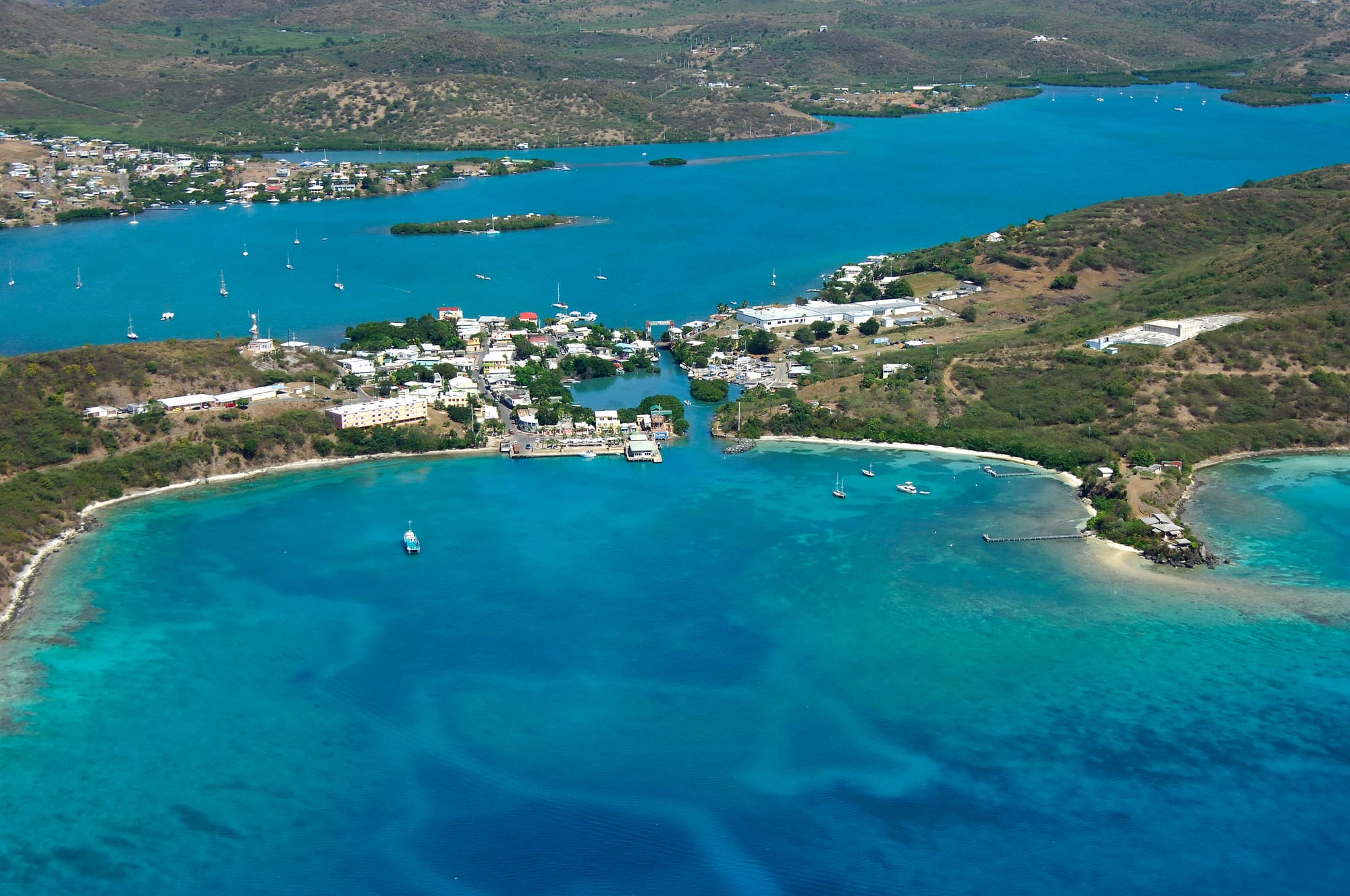
The island is small, about 7 miles by 5, with its sights several miles apart. Públicos, shared shuttles, run between the ferry, the airport and Flamenco Beach, and road-legal golf carts, jeeps, scooters and bicycles can be rented. Water taxis serve Culebrita and Cayo Luis Peña.
Rent a golf cart or jeep for the outlying beaches, and leave the cays to licensed water taxis.
🛬 Airport & Station Connections
The Culebra ferry sails from Ceiba on the main island, and it is very busy in high season, when queues for tickets start early. Small planes, of about eight seats, fly to Benjamín Rivera Noriega Airport from Isla Grande and Luis Muñoz Marín airports in San Juan, from Ceiba and from Vieques, in about 35 minutes from Isla Grande.
🚶 Walkability
Dewey is compact and easy to walk, and Flamenco Beach can be reached by shuttle from the ferry. The rest of the island is spread out, with the sights several miles away, so most visitors ride.
🛡️ Safety
Puerto Rico has a higher violent-crime rate than most US states, but it is concentrated in specific areas and largely tied to the drug trade; tourists are rarely the target. On Culebra the main concerns are sun, reefs and currents, and limited medical care: for emergencies, patients are flown to Fajardo on the main island.
Swim where lifeguards are on duty at Flamenco, take care on reefs, keep to marked paths on former military land, and bring any medicines needed for the stay. Check current official travel advice before travelling.
🌦️ Climate
Tropical, warm and humid year-round, around 82–88°F on Puerto Rico's coasts. The island has no streams and is dry, with the drier season from December to April; May to November is wetter and is the Atlantic hurricane season.
- Summer
- hot and humid, around 82–88°F on Puerto Rico's coasts, with more rain and the risk of tropical storms
- Winter
- warm and drier, still around 82–88°F on Puerto Rico's coasts
🤝 Local Customs
Culebra is quiet and informal, with a small population and a regular crowd of expatriates; Spanish is the everyday language. Tipping of around 18–20 per cent is expected in restaurants.
Leave nesting turtles and their beaches undisturbed, cover up from the beach in town and church, and greet people in Spanish where possible.
💳 Common Payment Methods
The currency is the US dollar. Cards are accepted in most restaurants and shops; carry cash and small bills for beach kiosks, públicos and tips.