💰 Budget
Lukang is inexpensive. Most visitors come for the day from Taichung or Changhua, so accommodation is limited to small hotels and homestays, and eating is a matter of many cheap snacks rather than sit-down meals. Weekends and long holidays push room prices up and fill the lanes.
- Daily Budget Midrange
- USD 95–170 (small hotel or homestay, restaurant meals, a hire scooter, museum entry and craft workshops)
- Daily Budget Shoestring
- USD 30–50 (guesthouse or dormitory bed, street snacks and noodle shops, buses from Changhua)
Temples are free to enter; the main costs are transport and the steady accumulation of snacks.
📅 Best Time to Visit
October to April is dry and comfortable on the Changhua plain, though the winter wind off the Taiwan Strait can be sharp in the lanes. The town is at its liveliest around the Lunar New Year, Mazu's birthday in spring and the Dragon Boat Festival in early summer. Summer is hot, humid and prone to afternoon storms and typhoons.
⏳ Suggested Number of Days
The old quarter is compact, so a single unhurried visit covers it, and many people come on a half-day trip from Taichung. Longer stays suit anyone adding Changhua city, the coast or a craft workshop, or wanting the lanes both in daylight and after the lanterns come on.
- First Visit
- 1 day
- With Surroundings
- 2 days
🚆 Transportation
Lukang has no railway station. Buses run from Changhua station, about half an hour away, and direct coaches come from Taichung in around an hour and a half; the nearest High Speed Rail stops are Taichung and Changhua. Within the town everything central is walked, and hire scooters or bicycles cover the coast and outlying temples.
Bus services thin out in the evening, so check the last departure back to Changhua or Taichung before settling in for dinner.
🛬 Airport & Station Connections
Most arrivals are by road. Buses from Changhua railway station and from Taichung run through the day to the stops near the Mazu temple, and the High Speed Rail station for Changhua, which stands near Tianzhong and opened in 2015, connects by local bus. Taichung International Airport lies to the north-east, about an hour by road, and Taoyuan's international airport is a longer journey by coach or by rail via Taichung.
🚶 Walkability
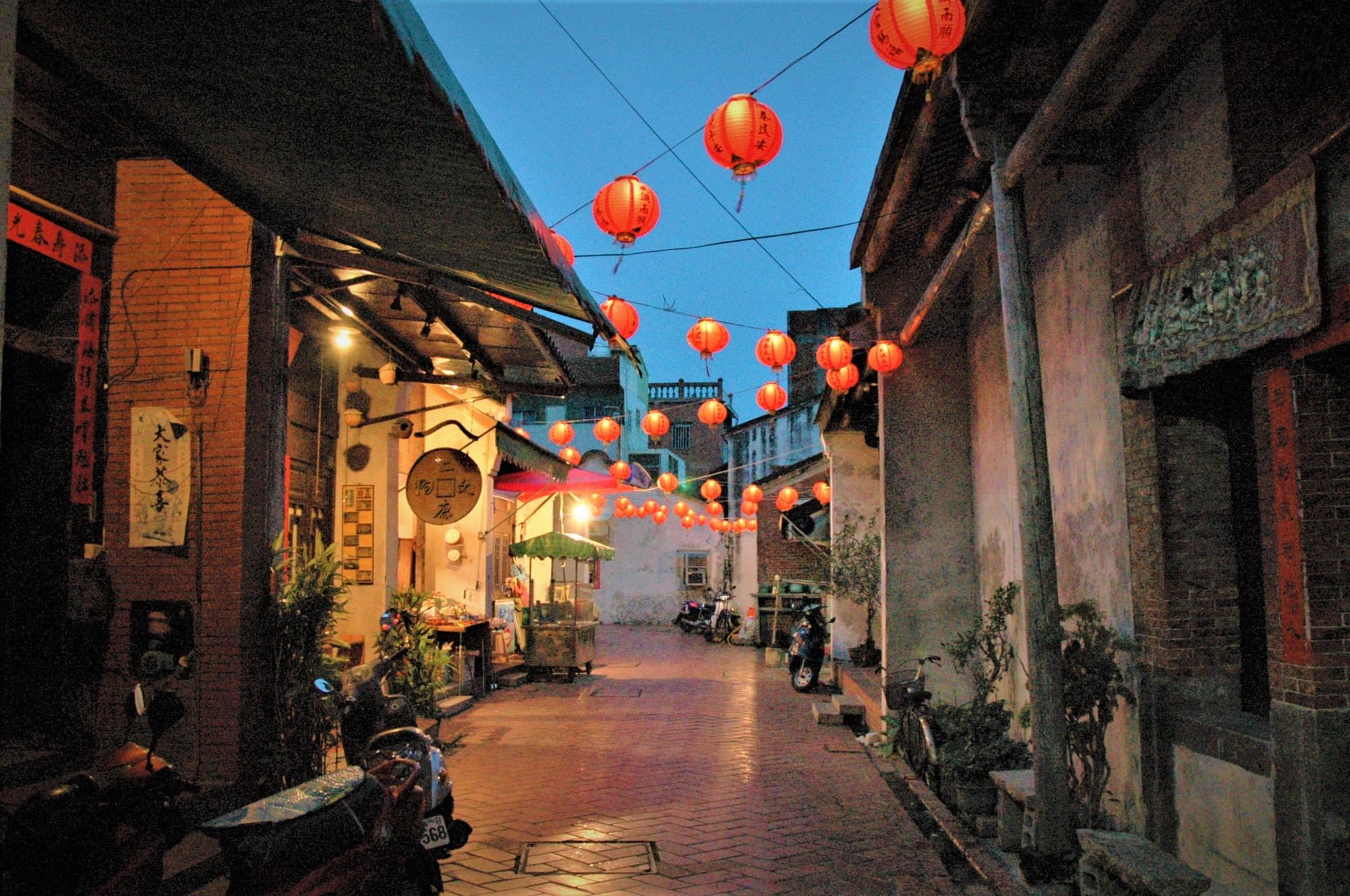
The historic core is one of the most walkable places in Taiwan: the temples, Old Street, the museum and the narrow lanes all lie within a kilometre or so of each other, and much of the old quarter is closed or hostile to cars. Surfaces are brick and stone and can be uneven, the lanes are crowded at weekends, and anything beyond the centre — the coast, the wetland, the outer temples — means a scooter, a bicycle or a taxi.
🛡️ Safety
Lukang is a very safe small town with little crime affecting visitors. The everyday risks are scooter traffic on the main roads, uneven paving in the old lanes, summer heat and humidity, and typhoons between July and October, which can bring heavy rain and disrupt bus services.
Take care crossing the main roads, where scooters move quickly, and check forecasts and transport in typhoon season. Check current official travel advice before travelling.
🌦️ Climate
A humid subtropical climate on the western plain, drier and sunnier than northern Taiwan. Rain falls mainly between May and September; winter is mild but windy, with the north-easterly funnelling in off the strait.
- Summer
- hot and humid, generally 28–34°C, with afternoon thunderstorms and the risk of typhoons
- Winter
- mild and mostly dry, generally 13–22°C, with cold, strong coastal wind
🤝 Local Customs
Tipping is not customary in Taiwan and is not expected in Lukang's shops or stalls. Temples are active places of worship rather than museums: dress modestly, keep to the side doors where the central doorway is reserved, do not touch altar offerings or ritual objects, and ask before photographing worshippers or a ceremony. Queue at food stalls, keep voices down inside temple halls, and do not eat or drink on buses.
Remove hats inside temple halls, step over rather than on raised thresholds, and ask permission before photographing craftspeople at work in their shops.
💳 Common Payment Methods
The currency is the New Taiwan dollar. Cards work in hotels and larger shops, but street stalls, small restaurants, craft workshops and temple donation boxes are cash-only, so carry notes and coins. ATMs at banks and convenience stores in the town centre accept foreign cards, and stored-value transit cards can be used in convenience stores.