💰 Budget
Lushoto is one of the cheapest places to spend time in Tanzania. Guesthouses in and around the town are simple and inexpensive, food is local and plain, and the main costs are transport up from the highway and the guides who lead the village-to-village walks, which are usually arranged through a local cultural tourism programme.
- Daily Budget Midrange
- USD 70–140 (small hotel or mountain lodge, restaurant meals, a guided walk, a hired car for the day)
- Daily Budget Shoestring
- USD 25–45 (guesthouse, local food, shared minibuses)
Agree the price and the length of a guided walk before setting out, and bring cash from a larger town, since options for changing money are limited.
📅 Best Time to Visit
June to October is dry and clear, the best window for walking and for long views from the escarpment, though nights are cold. December to February is warmer and mostly dry. The long rains of March to May turn the paths to mud and fill the valley with cloud, and November brings shorter rains.
⏳ Suggested Number of Days
Two days suit the town and a walk or two on the escarpment. Three or four allow longer routes between the ridge villages and time in the forest reserves. Travel on the mountain roads is slow, and heavy rain can shorten what is possible.
- First Visit
- 2 days
- With Surroundings
- 3–4 days
🚆 Transportation
The town is small enough to cross on foot. Shared minibuses, dala-dalas, run down the winding road to Mombo on the main Dar es Salaam–Arusha highway, about an hour and a half away, and on to the ridge villages of the range on rough roads and irregular schedules. Motorcycle taxis cover short distances, and four-wheel drive is useful after rain.
Set off early for the ridge villages, since services thin out in the afternoon and the last vehicles back can leave well before dark.
🛬 Airport & Station Connections
Lushoto lies up a winding mountain road from Mombo, on the highway between Dar es Salaam and Arusha. Buses run from Dar es Salaam in roughly six to seven hours and from Arusha or Moshi in about four to five, either direct or by changing at Mombo. The nearest airports are at Tanga, on the coast, and Kilimanjaro, well to the north-west.
🚶 Walkability
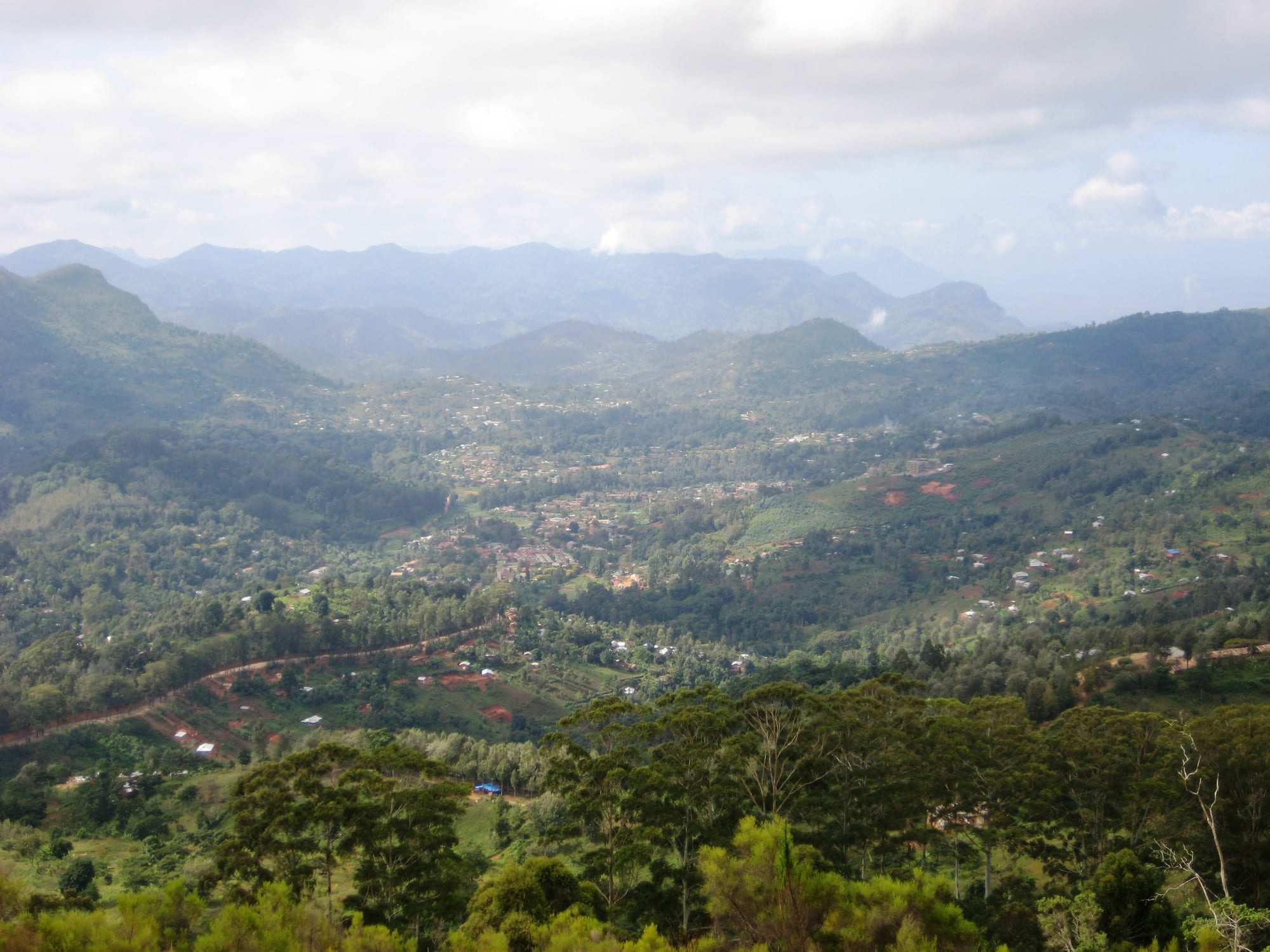
The town centre is compact and easily walked, though the streets are steep in places and can be muddy in the rains. Walking is the point of coming here: paths link the farms and villages around the valley, and the route to the escarpment viewpoint takes about an hour each way. A guide is the usual way to follow the longer routes, which are not signposted.
🛡️ Safety
Lushoto is a quiet town with little crime against visitors. The main risks are on the road up from the highway, which is narrow and winding, and on the paths, where wet ground, steep drops near the escarpment and sudden mist are the real hazards. Nights are cold, and malaria is present in the lower valleys even if less so at this altitude.
Take registered taxis or ride-hailing cars after dark, carry little of value, avoid demonstrations and walk beaches only in company and in daylight. Walk with a local guide on the longer mountain routes, take warm and waterproof clothing, and keep up malaria precautions. Check current official travel advice before travelling.
🌦️ Climate
High in the mountains the climate is mild and far cooler than the coast below, with misty mornings, green slopes and cold nights in the middle of the year. The long rains fall from about March to May and the short rains around November.
- Summer
- December to March is the warmest time, around 24–27°C by day and comfortable at night
- Winter
- June to September is cool and often overcast, around 20–23°C by day with nights that can drop near 10°C
🤝 Local Customs
This is Shambaa country, and village life is formal and church-going, with Muslim families in the town as well. Greetings come first and at length, shikamoo is the respectful greeting to an elder, and modest dress — covered shoulders and knees — is expected in the villages. Walking routes pass through farmyards and gardens, so asking before crossing land or photographing people and houses matters.
Ask permission before photographing people, farms or children, dress modestly away from lodges, and pay guides and porters through the local programme rather than negotiating separately at the door.
💳 Common Payment Methods
The currency is the Tanzanian shilling. Lushoto has a bank and a small number of ATMs, which can run out of cash or be offline, and card payment is rare outside the larger lodges. Mobile money is widely used locally. Bring enough shillings in small notes for guesthouses, market stalls, transport and guides.