💰 Budget
Cardiff is moderately priced for a British capital. Hotel prices are the main cost and rise sharply on international rugby and big concert weekends, when rooms across the city fill. The national museums, including National Museum Cardiff and St Fagans, are free, and the parks, the bay walk and the barrage cost nothing.
- Daily Budget Midrange
- USD 170–320 (city-centre hotel, restaurant dinners, castle tickets, local trains and taxis)
- Daily Budget Shoestring
- USD 70–120 (hostel bed, market and café lunches, buses and local trains, free museums)
Book rooms well ahead for Six Nations and concert weekends at the stadium; the Explore the Capital rail ticket gives a day of off-peak travel around Cardiff and Penarth.
📅 Best Time to Visit
Late spring to early autumn, when the parks, the bay and the barrage walk are at their best and Pride Cymru comes to the city. February and March bring Six Nations match weekends, which are exciting but crowded and expensive. Winter is mild and wet, with an ice rink in front of City Hall around Christmas.
⏳ Suggested Number of Days
Two or three days cover the centre, the bay and the main museums. Four or five allow for the castles to the north, Penarth and the valleys by train. A big match or concert weekend uses up a day of its own.
- First Visit
- 2–3 days
- With Surroundings
- 4–5 days
🚆 Transportation
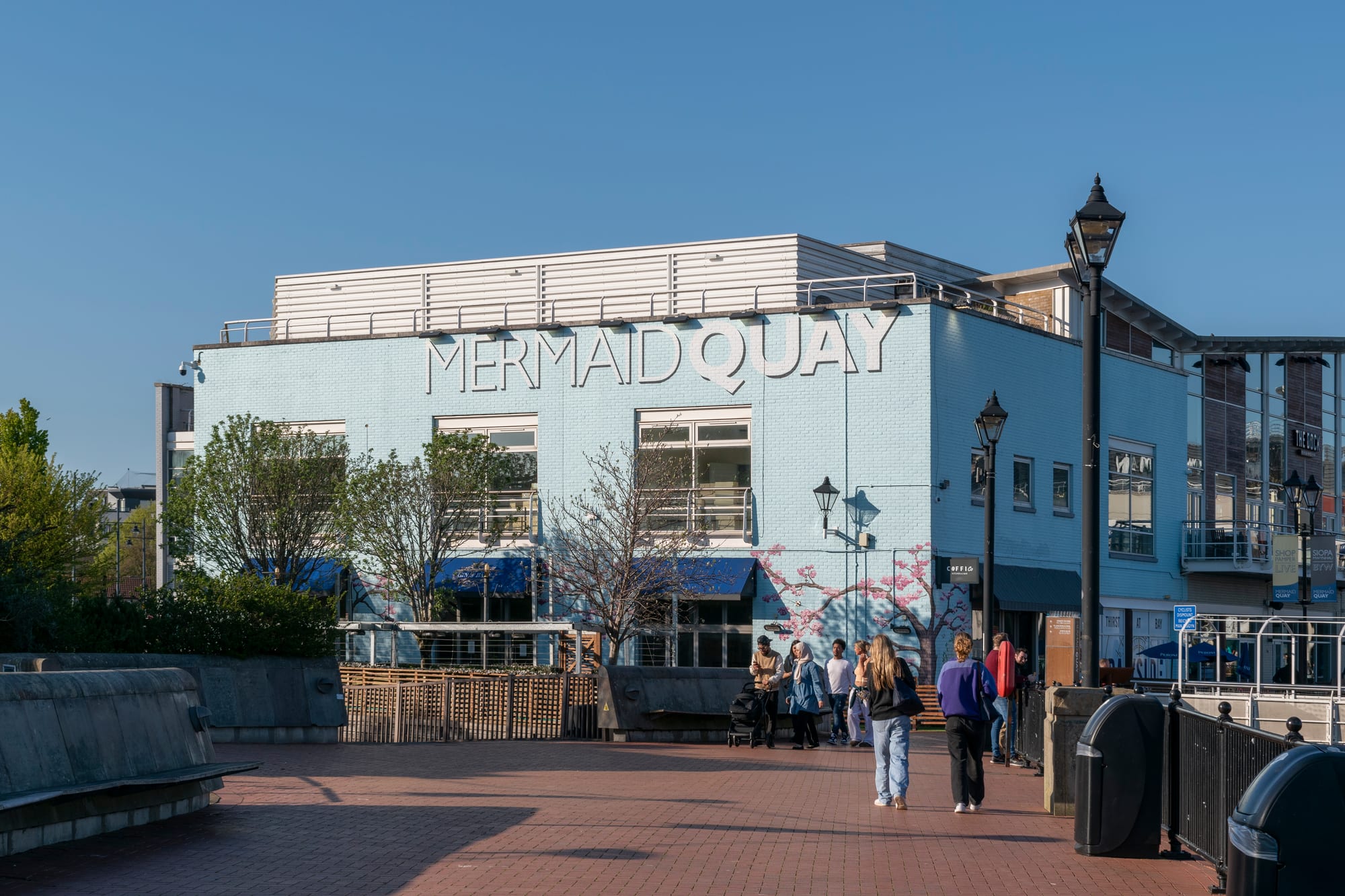
Cardiff is flat and compact, and most visitors walk between the centre and the bay or use the city's buses. Cardiff Central is the main station; Cardiff Queen Street is the hub for local Valley Lines trains to the suburbs, Penarth, Caerphilly and the valleys. The Aquabus water taxi links the castle grounds with Mermaid Quay, and the Taff Trail and the barrage make good cycling routes.
Most built-up roads in Wales have a 20 mph limit; on match days roads around the stadium close and trains and buses are very crowded.
🛬 Airport & Station Connections
Cardiff Airport, the only international airport in Wales, is at Rhoose, about 10 miles west of the city, with buses to the centre. Most visitors arrive by train: direct services run from London Paddington to Cardiff Central, and direct trains also come from Bristol, Manchester and Swansea. The M4 motorway passes the north of the city.
🚶 Walkability
Very good. The centre is small and level, with the castle, stadium, market, arcades and civic centre a few minutes apart, and Bute Park and the riverside parks give a green walking route north to Llandaff. The bay is a longer walk south from the centre or a short bus or train ride, and a waterfront path runs from Mermaid Quay across the barrage to Penarth.
🛡️ Safety
The UK is generally safe, with the main risks being pickpocketing and phone theft in crowded parts of London and other cities, occasional late-night antisocial behaviour, and drink-related trouble around nightlife. Cardiff's centre is lively and can be rowdy late at night and on match days, when large crowds fill the streets around the stadium.
Keep phones and bags secure in crowds on match days and around the late-night streets off St Mary Street. Check current official travel advice before travelling.
🌦️ Climate
A mild, wet maritime climate — Cardiff is one of the warmest and wettest cities in the UK, with an average annual temperature of about 11°C and around 1,200 mm of rain a year. Spring and autumn feel similar, with daytime highs around 15°C.
- Summer
- warm and often sunny, with average highs of about 19–22°C; July averages a maximum of about 22°C
- Winter
- cool and damp, with average lows of about 2.5°C in January and February
🤝 Local Customs
Around one in eight residents of Cardiff speaks some Welsh, and all public signs are in Welsh and English. Rugby international days are major social occasions, with city-centre pubs busy on match days. Tipping is not a strong custom in Britain; something extra for good service in a restaurant is welcome but not expected.
Bilingual signs put Welsh and English side by side; Welsh place names such as Caerdydd, the city's Welsh name, are in everyday use.
💳 Common Payment Methods
The currency is the pound sterling. Many shops accept foreign credit and debit cards, the city's buses take contactless cards, and cash machines are very widely available; some businesses no longer accept cash.