💰 Budget
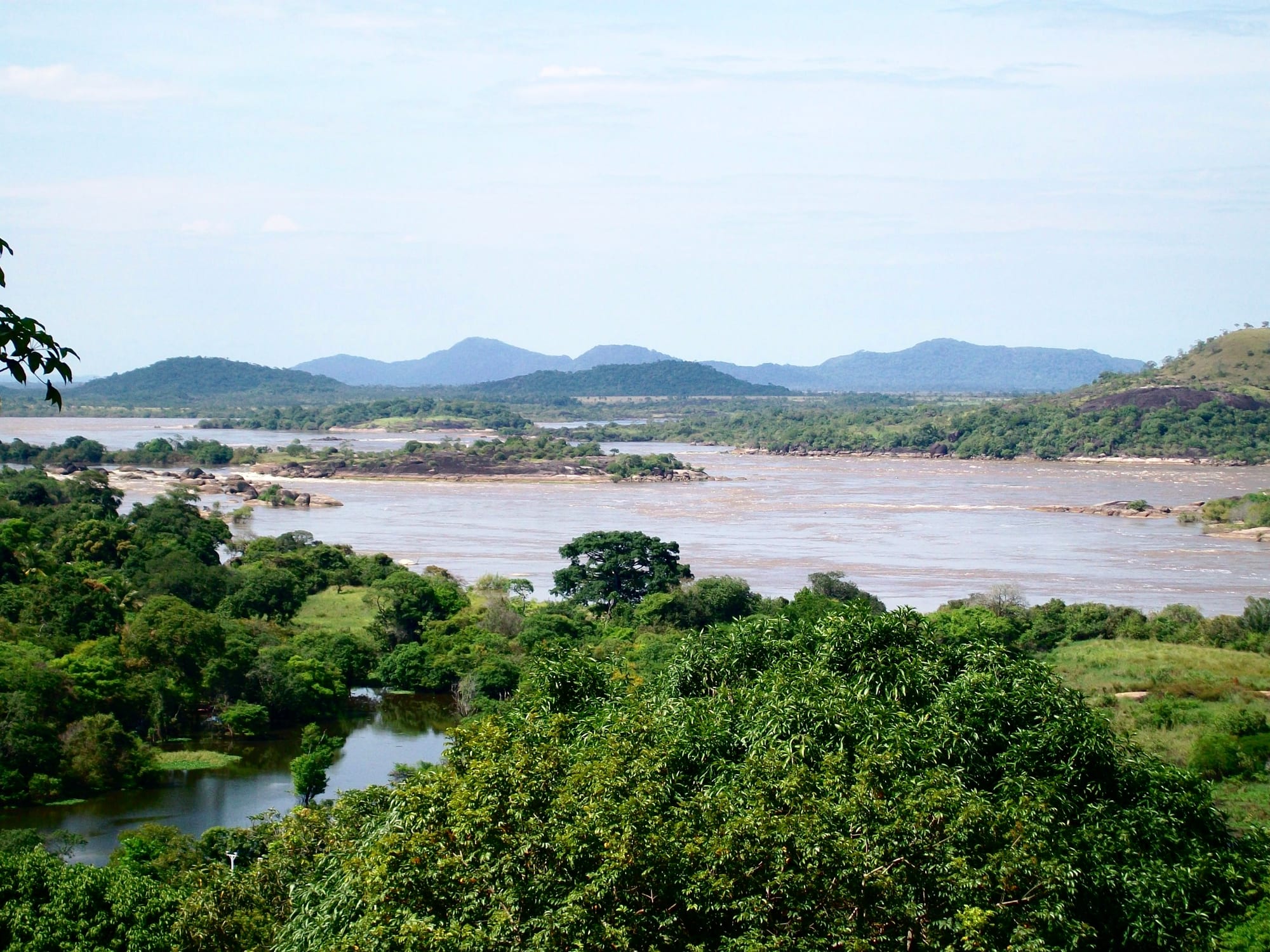
Daily life in Puerto Ayacucho is inexpensive for anyone carrying US dollars in cash, but trips beyond the city are another matter: river and rainforest excursions run by local operators, and small-plane flights into the interior, are priced in dollars and depend on fuel that is often short.
- Daily Budget Midrange
- USD 150–300 (comfortable guesthouse, guided river and rainforest excursions with a local operator, meals)
- Daily Budget Shoestring
- USD 40–80 (simple guesthouse, local food, taxis around town)
Arrange excursions through an established operator, and bring all the US dollar cash needed for the trip.
📅 Best Time to Visit
The short dry season from December to March brings lower rivers, more exposed rock at the rapids and easier roads. The rest of the year is wet, with full rivers and green forest. Security matters more than the season.
⏳ Suggested Number of Days
Two or three days cover the city and its immediate surroundings. Trips deeper into Amazonas depend on river travel and small planes, so allow several more days, and extra time for flights that can be delayed or cancelled by fuel shortages.
- First Visit
- 2–3 days
- With Surroundings
- 5–7 days
🚆 Transportation
Taxis and local buses cover the city, and the centre is small enough to walk. Beyond Puerto Ayacucho, Amazonas is largely roadless: travel into the interior is by boat on the rivers or by small plane from Cacique Aramare Airport to settlements such as San Fernando de Atabapo and San Carlos de Río Negro.
Travel outside the city only with an established operator, and expect river and air travel to depend on fuel supplies.
🛬 Airport & Station Connections
Cacique Aramare Airport, south of the city, has had scheduled Conviasa flights from Maiquetía near Caracas; Maiquetía was heavily damaged by the earthquakes of 24 June 2026 and reopened at about half capacity in August 2026. By road, two national highways reach the city, one via Caicara del Orinoco and one via San Fernando de Apure, both long drives through thinly populated country.
🚶 Walkability
The centre around Plaza Bolívar is compact and walkable, though the heat and humidity make midday walking tiring. The waterfront is close to the centre; the airport and the bathing spots outside the city need a taxi or a driver.
🛡️ Safety
Puerto Ayacucho faces Colombia across the Orinoco, and the Venezuelan army and navy based here conduct a continuing campaign against incursions and drug-runners from across the border. Parts of Amazonas are affected by illegal gold mining controlled by armed groups. Malaria is present in the region, and medical care is limited.
Most governments advise against all or all-but-essential travel. Anyone who does go should keep to organised trips with established operators, stay away from the border, river crossings and mining zones, and take malaria precautions. Check current official travel advice before travelling.
🌦️ Climate
A tropical monsoon climate: hot and humid all year, with a short dry season from December to March and heavy rain for the rest of the year.
- Summer
- the wet season, roughly April to November: hot, humid and rainy, with afternoon highs around 32°C
- Winter
- the short dry season, December to March: sunnier and hot, with nights around 24°C
🤝 Local Customs
Puerto Ayacucho is the meeting point of many indigenous peoples, among them the Jivi, Piaroa, Baré, Baniva, Curripaco and Ye'kwana, and their crafts are sold in the centre. Communities in the interior are reached by river or airstrip, usually with a guide.
Ask before photographing indigenous people or their crafts, buy crafts from the makers where possible, dress modestly in the cathedral, and never photograph military bases, checkpoints or the border.
💳 Common Payment Methods
The currency is the bolívar, but US dollars in cash are used in practice, and card and ATM access for foreigners barely works. Carry enough cash in small notes for the whole stay.