History
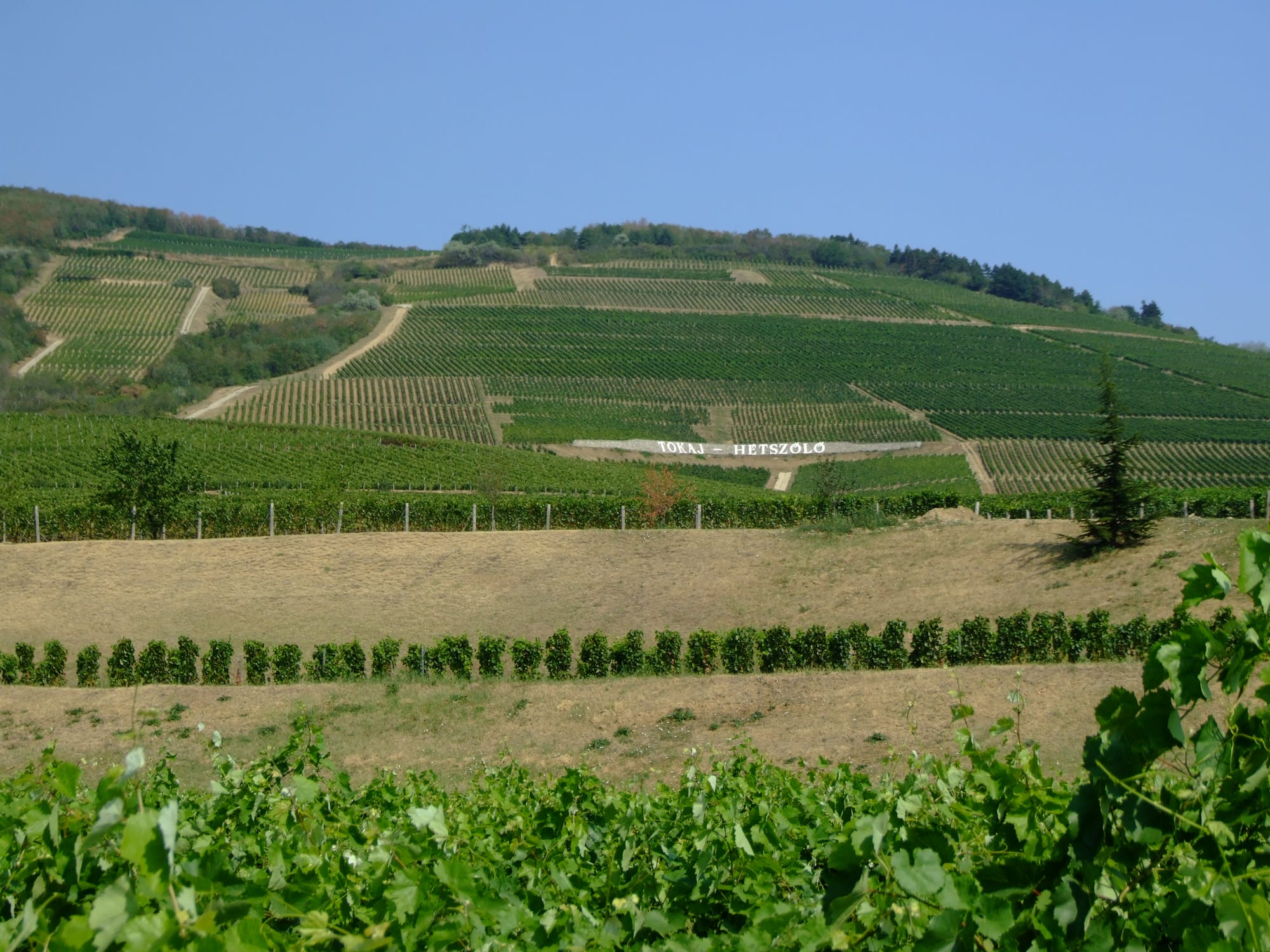
The hills of the north were a frontier and a refuge. Stone Age people sheltered in the Bükk's caves, and after the Magyar conquest the region's valleys were held by powerful noble families whose castles, from Diósgyőr to Salgó, still stand in ruins on the ridges. Eger became a bishopric under Stephen I, and the Tokaj hills were planted with vines in the Middle Ages.
When the Ottomans occupied central Hungary, the north became the front line. In 1552 Captain István Dobó and a small garrison, helped by the town's women, held Eger Castle against a far larger Ottoman army, a siege retold in Géza Gárdonyi's novel Egri csillagok that every Hungarian child reads. Eger fell in 1596 and spent almost a century as an Ottoman town, of which its minaret is a reminder. The unoccupied north-east, meanwhile, was a stronghold of the Protestant Reformation and of noble resistance to the Habsburgs, culminating in Ferenc II Rákóczi's War of Independence of 1703–11; the Rákóczi family owned the castle at Sárospatak.
In the 18th century Tokaj's wines were famous at the royal courts of Europe, and the classification of its vineyards began in 1730. In the 19th and 20th centuries coal, iron and steel turned Miskolc, Ózd and Salgótarján into industrial centres. The Trianon border of 1920 cut the region off from Košice, its old market city, and the collapse of heavy industry after 1990 hit the region especially hard.