History
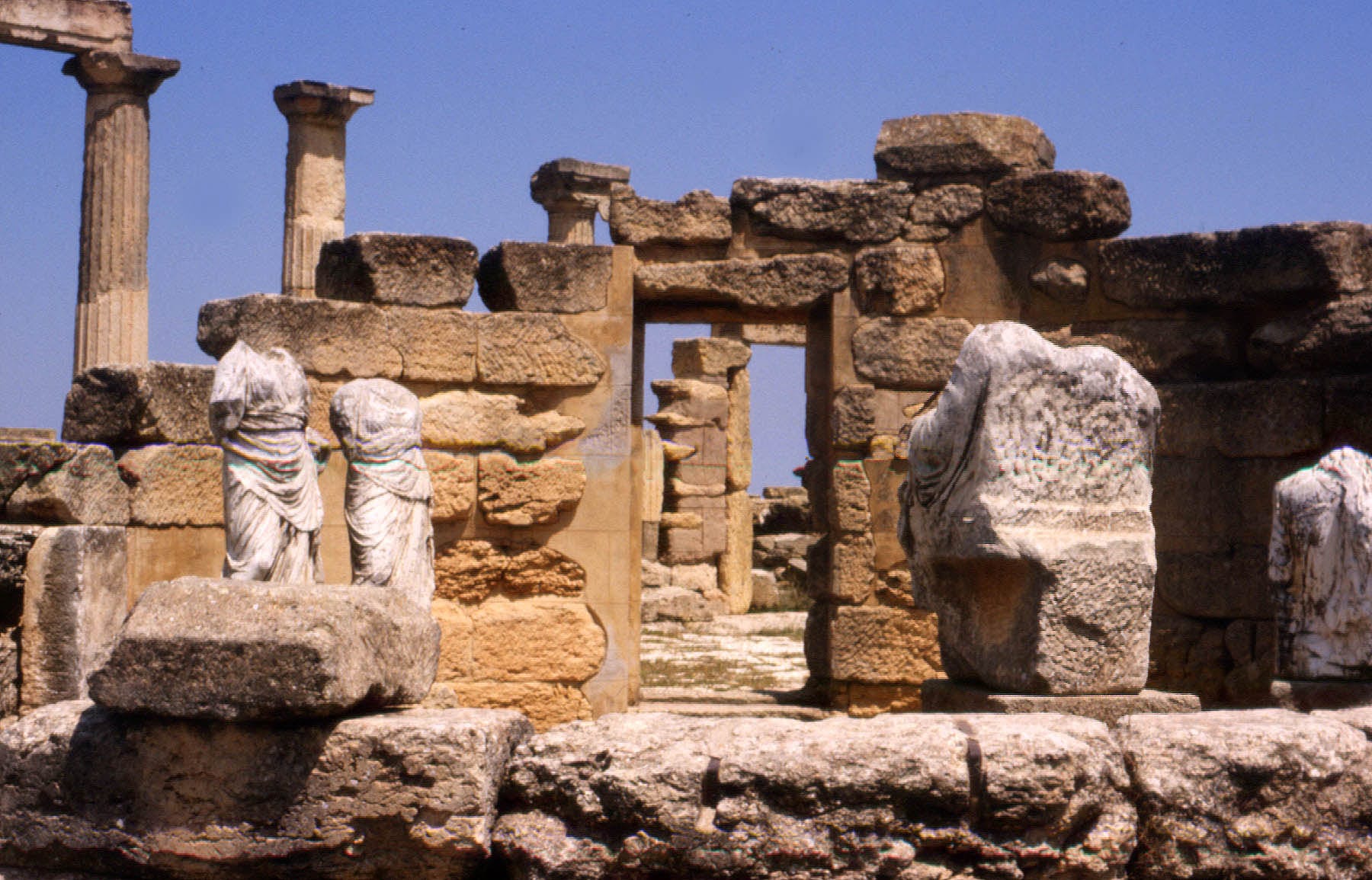
Greek settlers from the island of Thera founded Cyrene around 631 BC, and it grew rich on grain, horses and silphium, a plant used as a medicine and seasoning that was harvested to extinction in antiquity. With its port Apollonia and the cities of Euesperides (later Berenice, now Benghazi), Taucheira and Ptolemais, it formed the Pentapolis. Cyrenaica passed to the Ptolemies of Egypt and then, in 96 BC, to Rome; a Jewish revolt in 115–117 and later earthquakes left Cyrene in ruins, and Byzantine churches filled the coastal towns before the Arab conquest of 642.
In the 19th century the Senussi, a Sufi order founded by Muhammad ibn Ali al-Senussi, spread from lodges on the Green Mountain into the desert, and moved its centre deep south to Kufra in 1894. When Italy invaded in 1911 the Senussi led the resistance. The guerrilla leader Omar Mukhtar fought for two decades until he was captured and hanged at Suluq in 1931, after Italy had driven much of the population into concentration camps.
In the Second World War, Tobruk withstood a long Axis siege in 1941 before falling in 1942. The Senussi head became King Idris of independent Libya, and after his overthrow in 1969 Cyrenaica saw occasional opposition to Gaddafi. The 2011 uprising began in Benghazi in February, and the city became the rebels' capital. Years of fighting followed there and in Derna, and since 2014 the region has been the base of an eastern government and of forces commanded by Khalifa Haftar, rival to the authorities in Tripoli. In September 2023, Storm Daniel burst two dams above Derna, killing thousands.