Attractions & Natural Wonders · Australia
Australia: Ten Attractions and Natural Wonders
A sail-shaped opera house, a red monolith in the desert centre, the largest living structure on Earth, and a road cut along the edge of the Southern Ocean
By Worldlore Editorial · 30 September 2026
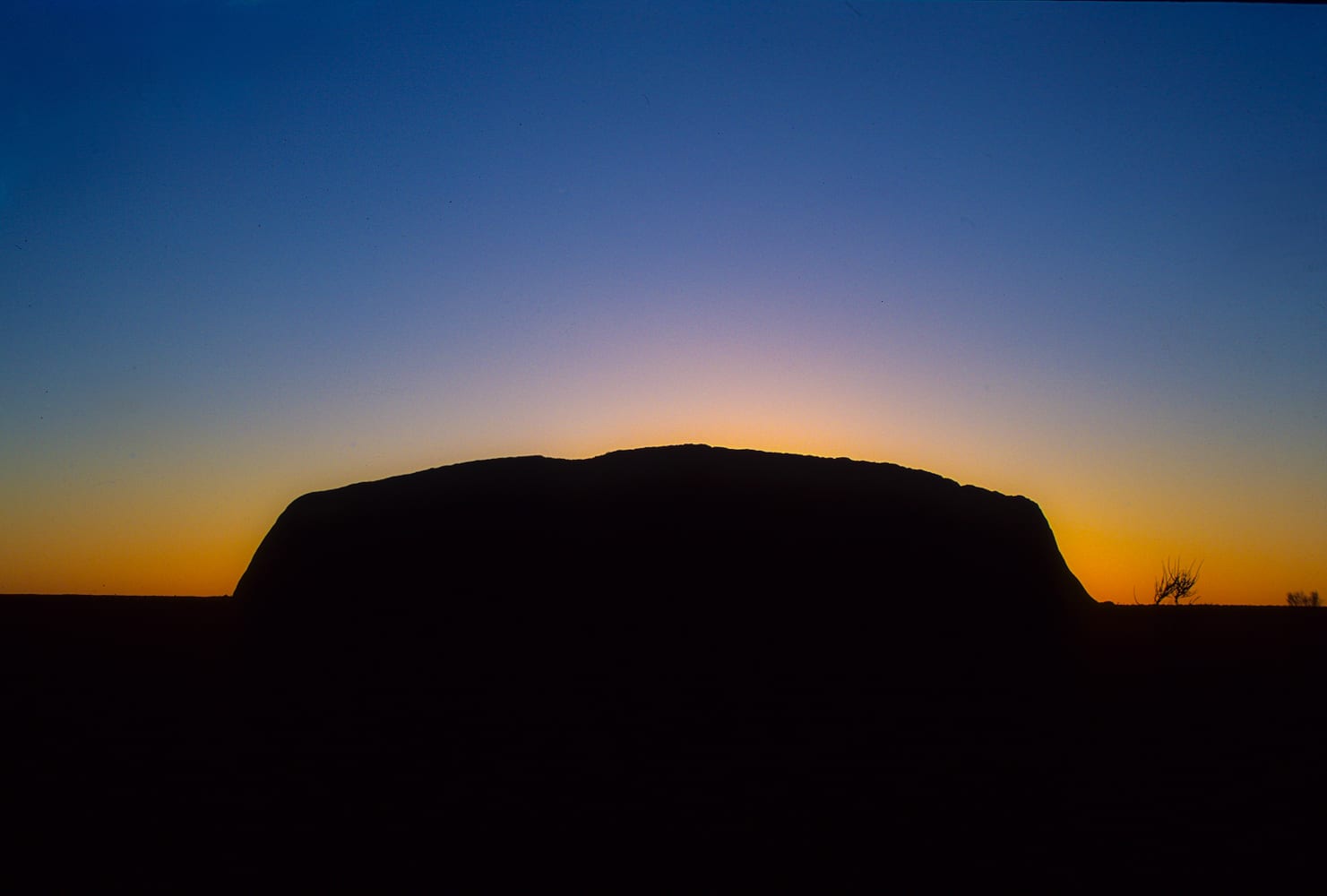
A continent's worth of sights
Australia is a country almost as large as Europe with a population of under 30 million, and its attractions are correspondingly spread out. The southeast has the big cities and the temperate coast; the tropical north has rainforest, wetlands, and the reef; the centre is red desert. Getting between them means flying — Sydney to Perth is nearly as far as London to Cairo.
The ten below are the ones worth building a trip around. Most visitors combine Sydney with one or two others — the reef, Uluru, or the Victorian coast. Seasons are reversed: the south is best from November to April, the tropical north in the dry season from May to October.
1. Sydney Harbour
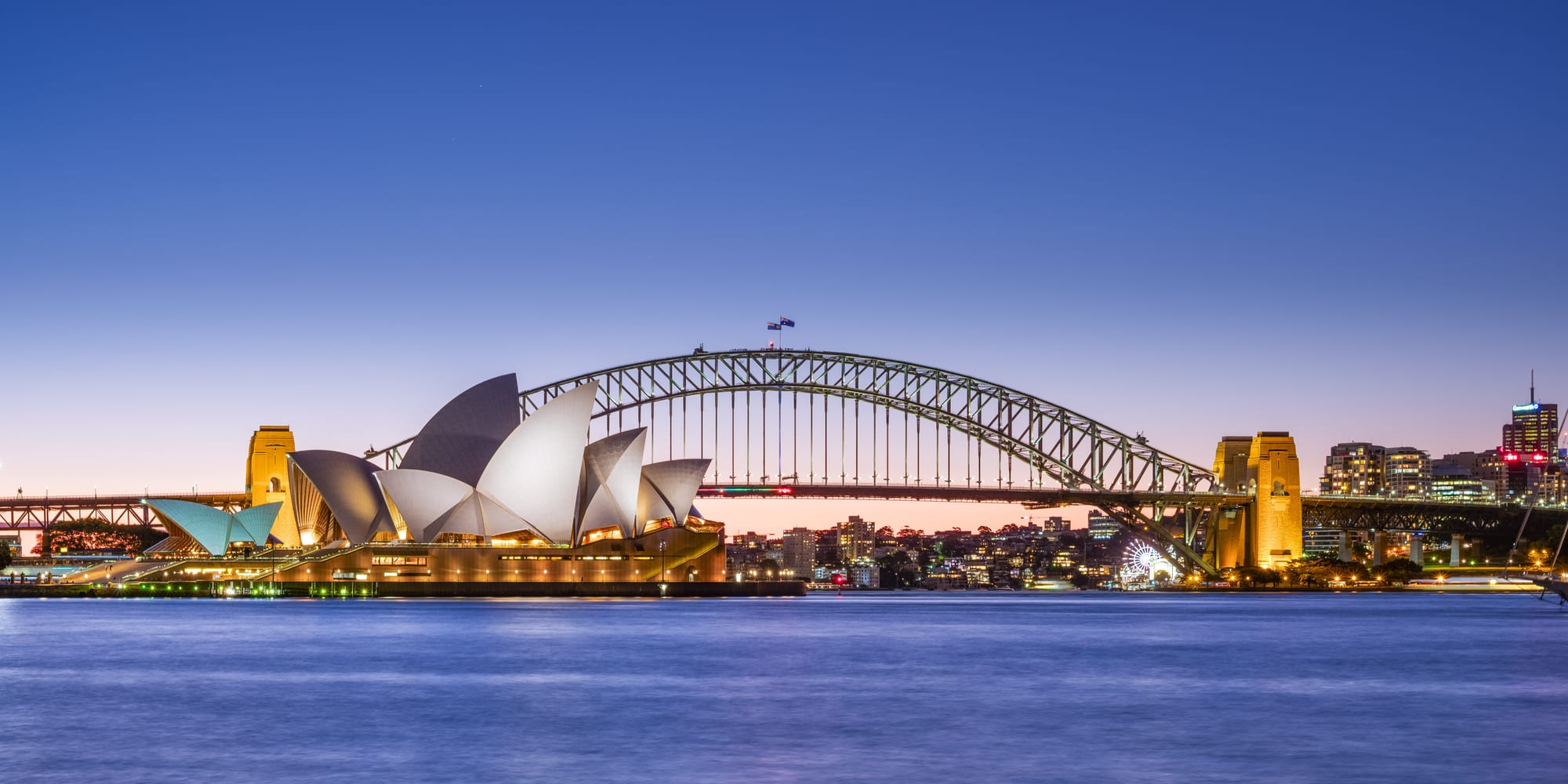
Sydney's harbour is the country's best-known image: the sail-roofed Opera House (a UNESCO World Heritage Site, finished in 1973 after a famously troubled build) on one headland, the great steel arch of the Harbour Bridge behind it, and blue water full of ferries in between. The Opera House runs guided tours, the bridge can be climbed, and the Manly ferry makes an easy round trip across the harbour.
The city around it is worth days: the Royal Botanic Garden and the Rocks by the water, the surf beaches at Bondi and Manly, and the coastal walk from Bondi to Coogee along the cliffs.
2. Uluru-Kata Tjuta
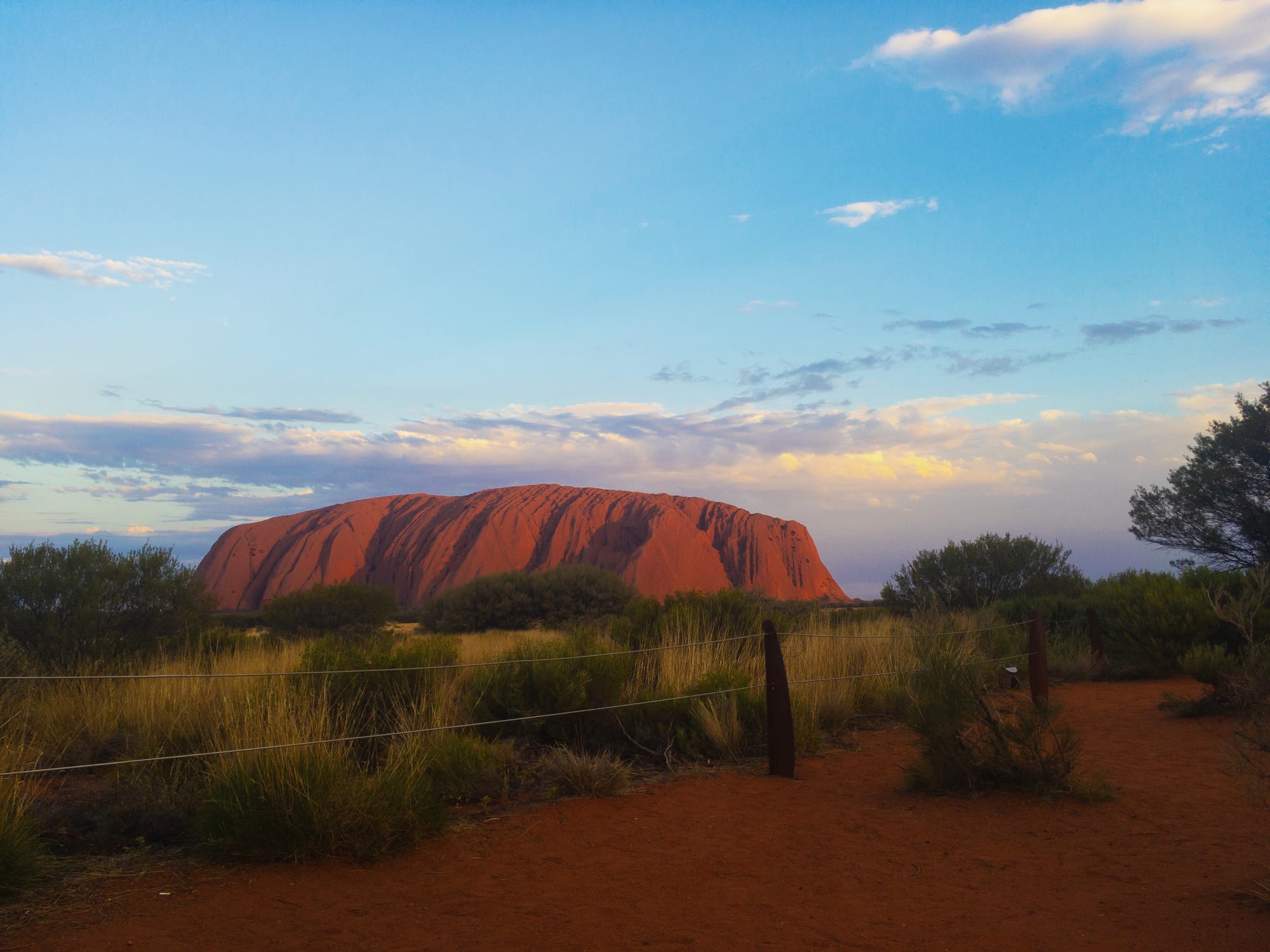
Uluru is a single piece of sandstone rising abruptly from the flat desert of the Red Centre, changing colour through the day and glowing deep orange at dawn and dusk. It is a sacred site for the Anangu, the traditional owners, who long asked visitors not to climb it — climbing was banned outright in October 2019 — and instead to walk the Base Walk around it, past waterholes and rock art.
Nearby, the 36 domes of Kata Tjuta (the Olgas) are, if anything, more striking to walk among. The resort town of Yulara has all the accommodation; the nearest real town, Alice Springs, is about 440 kilometres away by road.
3. The Great Barrier Reef
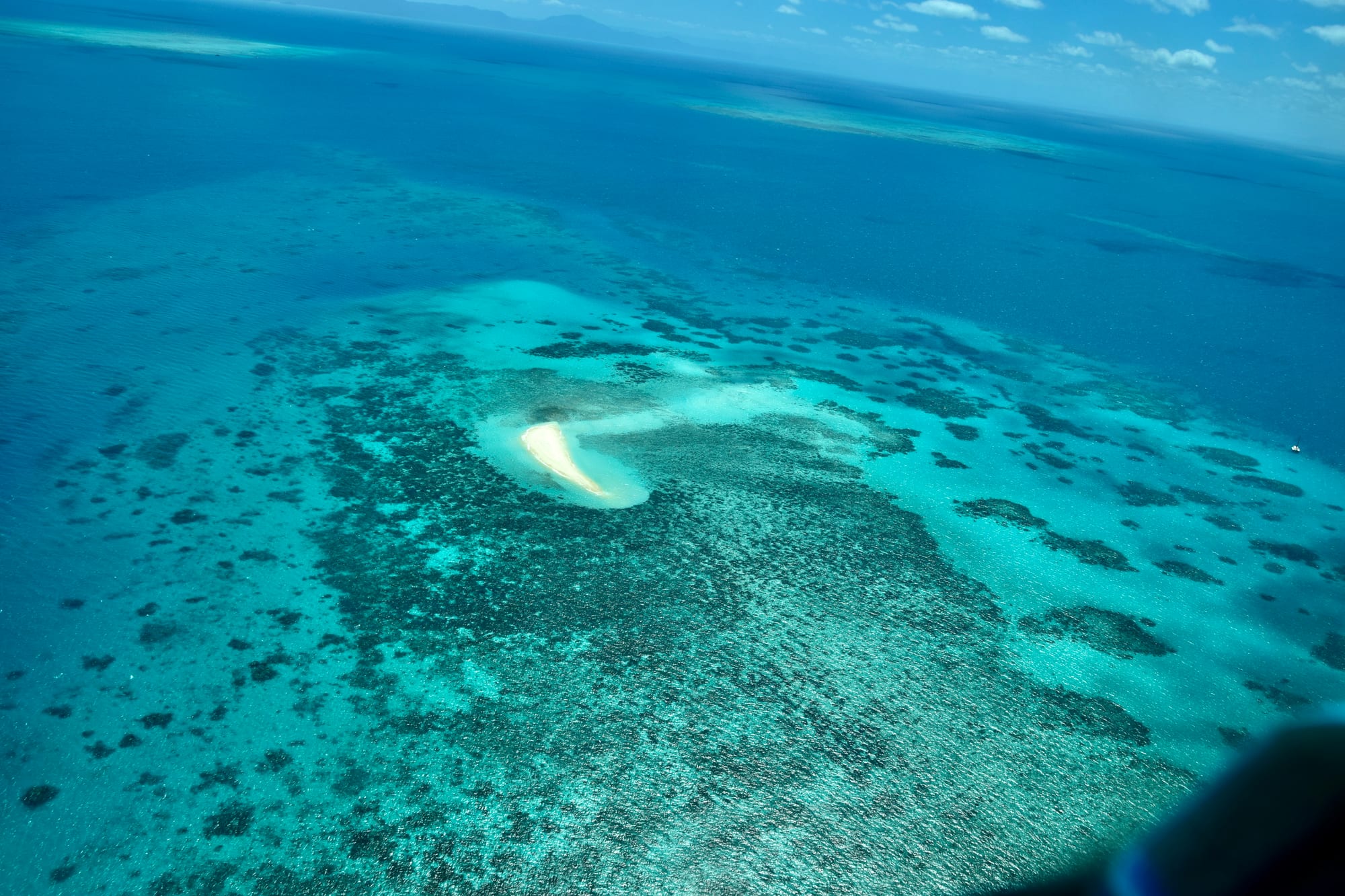
Stretching more than 2,000 kilometres along the Queensland coast, the Great Barrier Reef is the largest structure on Earth built by living things, and a UNESCO World Heritage Site. Day boats and liveaboards run from Cairns, Port Douglas, and Airlie Beach, for snorkelling and diving over coral gardens, giant clams, turtles, and reef sharks; a scenic flight shows its scale.
The reef has suffered repeated mass coral bleaching as the ocean warms: the 2024 event was the most widespread ever recorded, and surveys in 2025 found the sharpest annual falls in coral cover since monitoring began. Its long-term outlook is a serious concern, and a reason to choose low-impact operators.
4. The Great Ocean Road
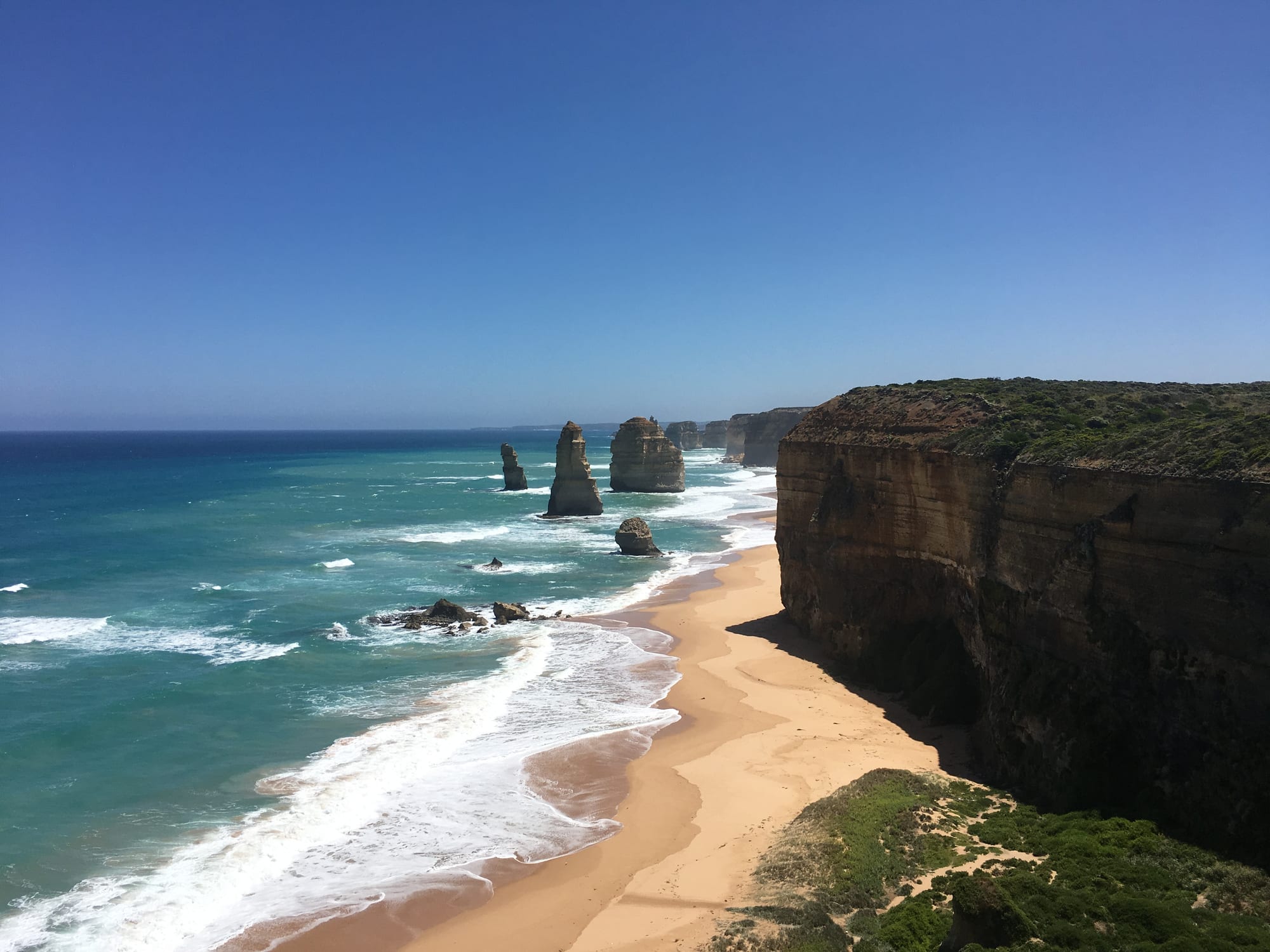
The Great Ocean Road runs for about 240 kilometres along the wild southwest coast of Victoria, built by returned soldiers after the First World War as a memorial and a job-creation scheme. It passes surf towns, rainforest in the Otway Ranges, and koalas in roadside gums, before reaching its finale in the Port Campbell National Park: the Twelve Apostles, a line of limestone pillars in the surf, best at sunset.
It is a two-day drive from Melbourne with an overnight, or a long single day.
5. Kakadu National Park
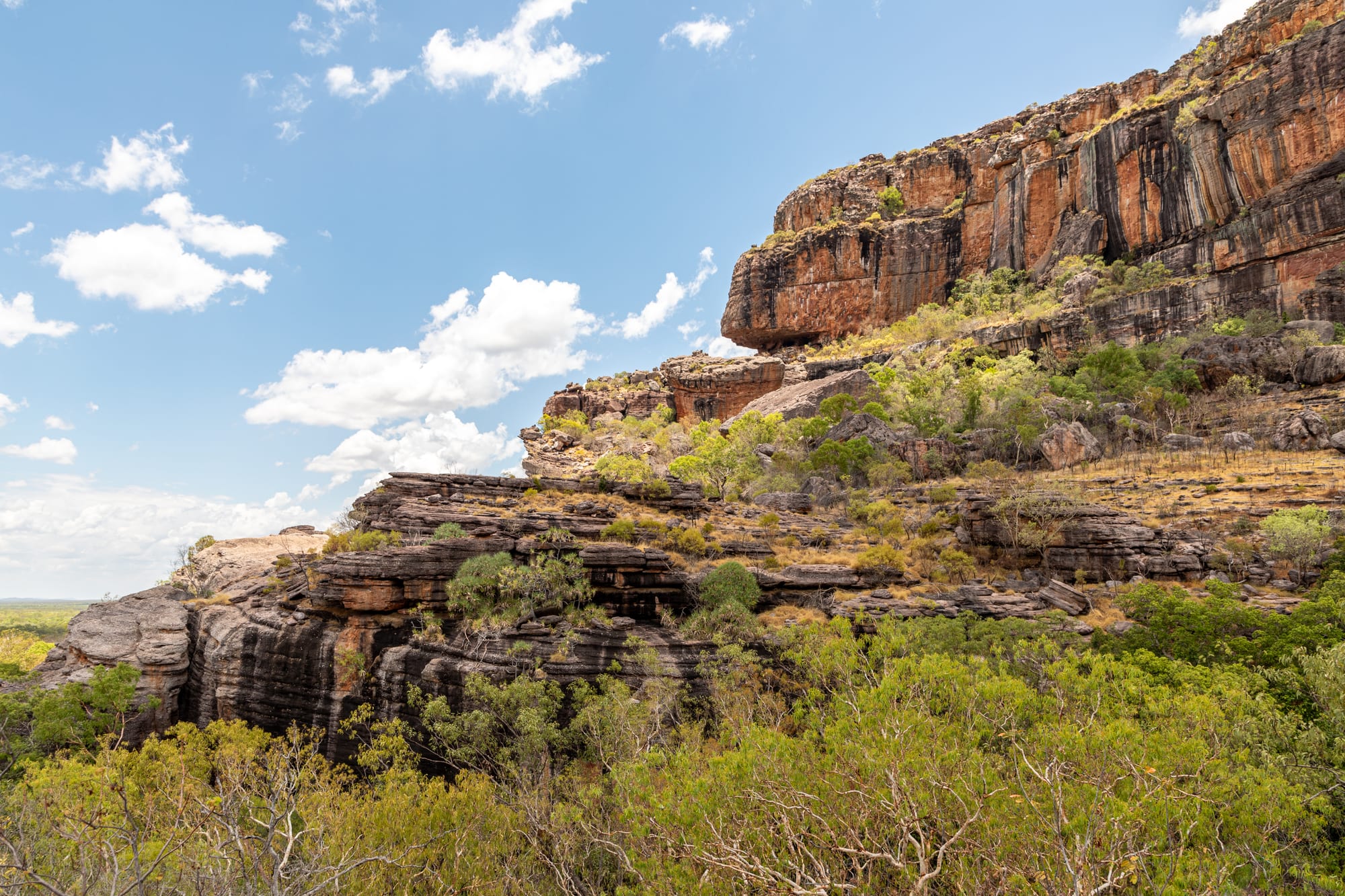
Kakadu, about 170 kilometres southeast of Darwin, is Australia's second-largest national park and one of the few World Heritage Sites listed for both nature and culture. It protects a huge sweep of monsoon wetland, savannah, and sandstone escarpment, alive with saltwater crocodiles, waterbirds, and — at Ubirr and Nourlangie — rock-art galleries painted over tens of thousands of years by the Bininj/Mungguy people, who still own and manage the land.
The park changes completely between the wet and dry seasons; the dry (May–October) is the standard time to visit, when the roads and waterfall pools are open.
6. The Blue Mountains
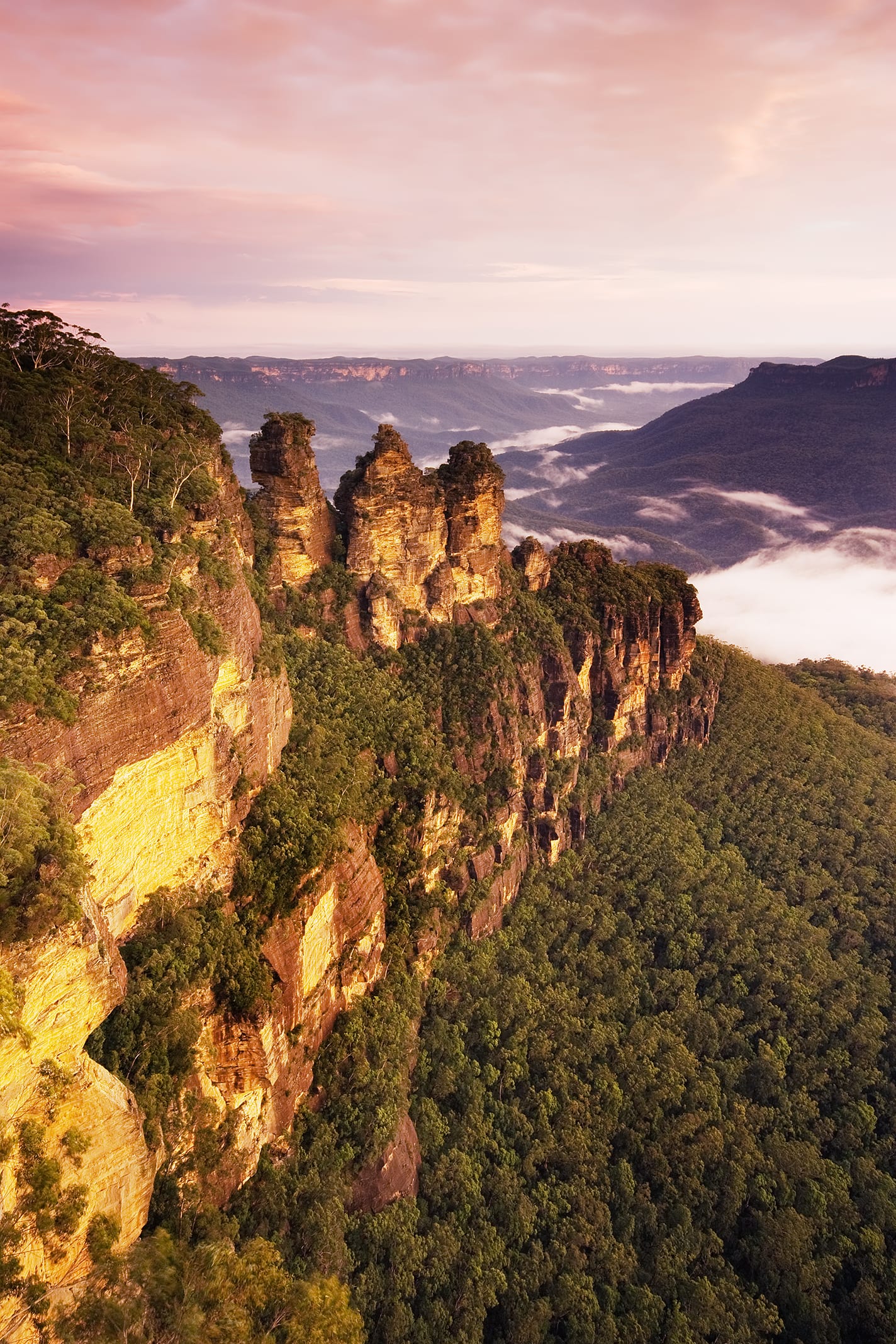
An easy train ride or drive west of Sydney, the Blue Mountains are a plateau of eucalyptus forest slashed by deep sandstone canyons — the blue haze that names them comes from oil droplets the gum trees release. The classic viewpoint at Echo Point looks across to the Three Sisters rock formation and down into the Jamison Valley.
Katoomba and Leura are the base towns, with walking tracks along the clifftops and down into the valley, the steep Scenic Railway, and the Jenolan limestone caves nearby. The whole area is a UNESCO World Heritage Site for its eucalypt diversity.
7. The Whitsunday Islands
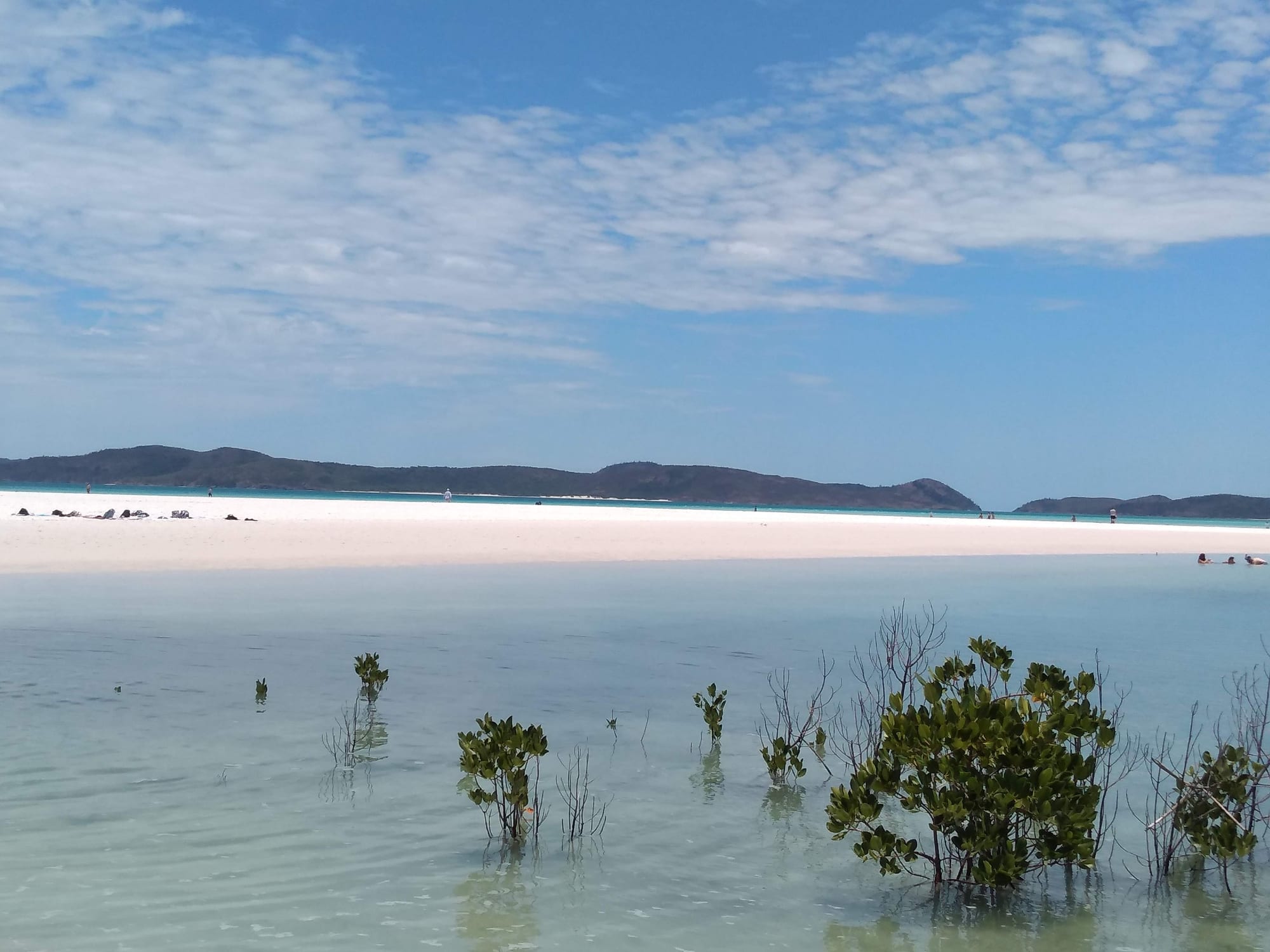
The Whitsundays are a group of 74 mostly uninhabited islands inside the Great Barrier Reef, off the central Queensland coast. Their showpiece is Whitehaven Beach on Whitsunday Island — seven kilometres of blindingly white silica sand, with the tidal swirls of Hill Inlet at its northern end.
Visitors explore by day boat, bareboat charter, or sailing tour out of Airlie Beach, combining beaches with snorkelling on the fringing reefs. Hamilton Island is the islands' commercial centre.
8. The Daintree Rainforest
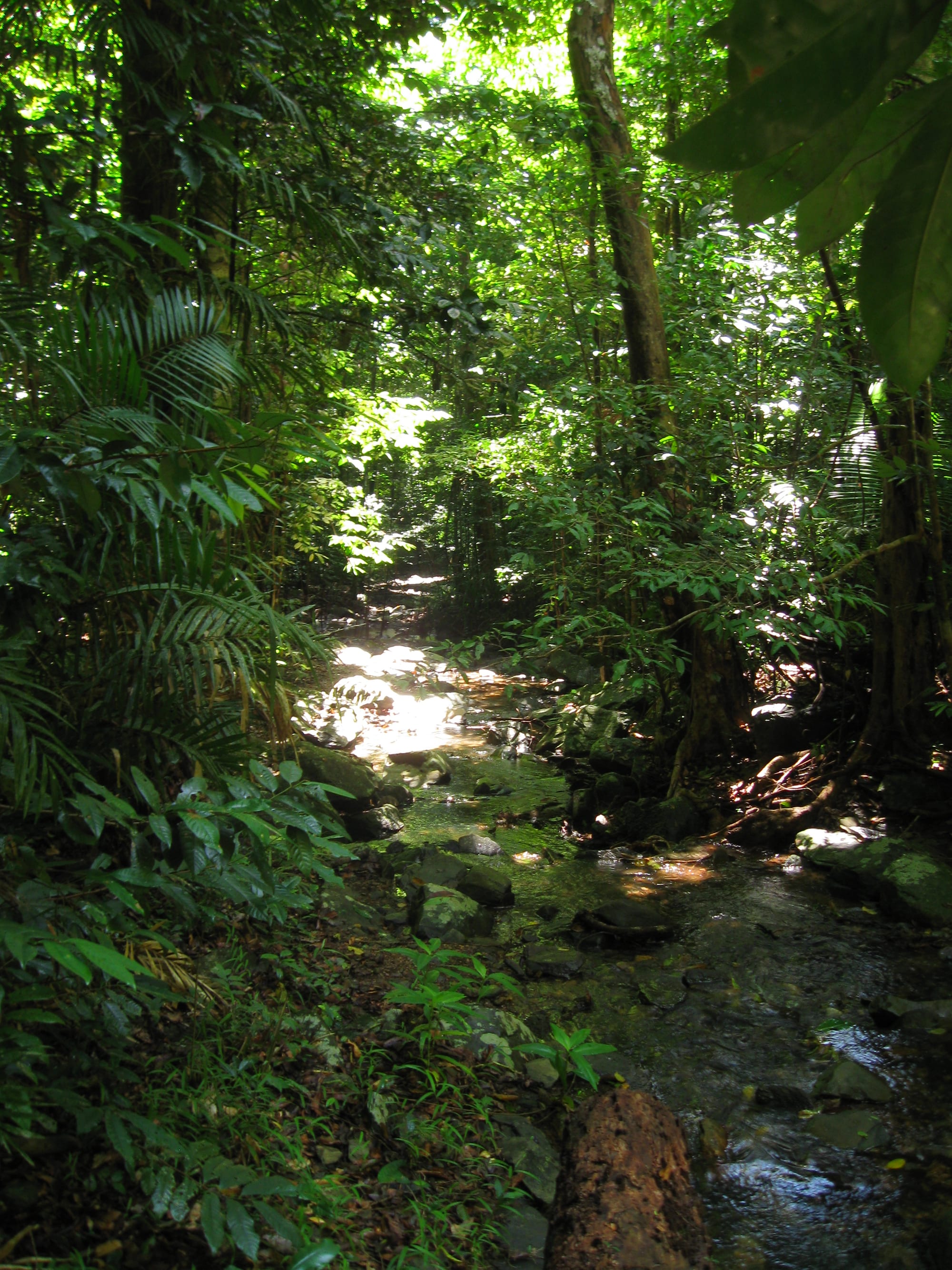
North of Cairns, the Daintree is a lowland tropical rainforest that has existed in some form for well over 100 million years — older than the Amazon. It is part of the Wet Tropics World Heritage Area, which runs parallel to the Great Barrier Reef, another World Heritage Site: at Cape Tribulation, the rainforest runs straight down to the reef-fringed coast.
Boardwalks and river cruises give a chance of seeing the cassowary, a large flightless bird, and estuarine crocodiles. Roads are narrow, there is a cable ferry across the Daintree River, and much of the area has no phone signal.
9. Cradle Mountain and Tasmania
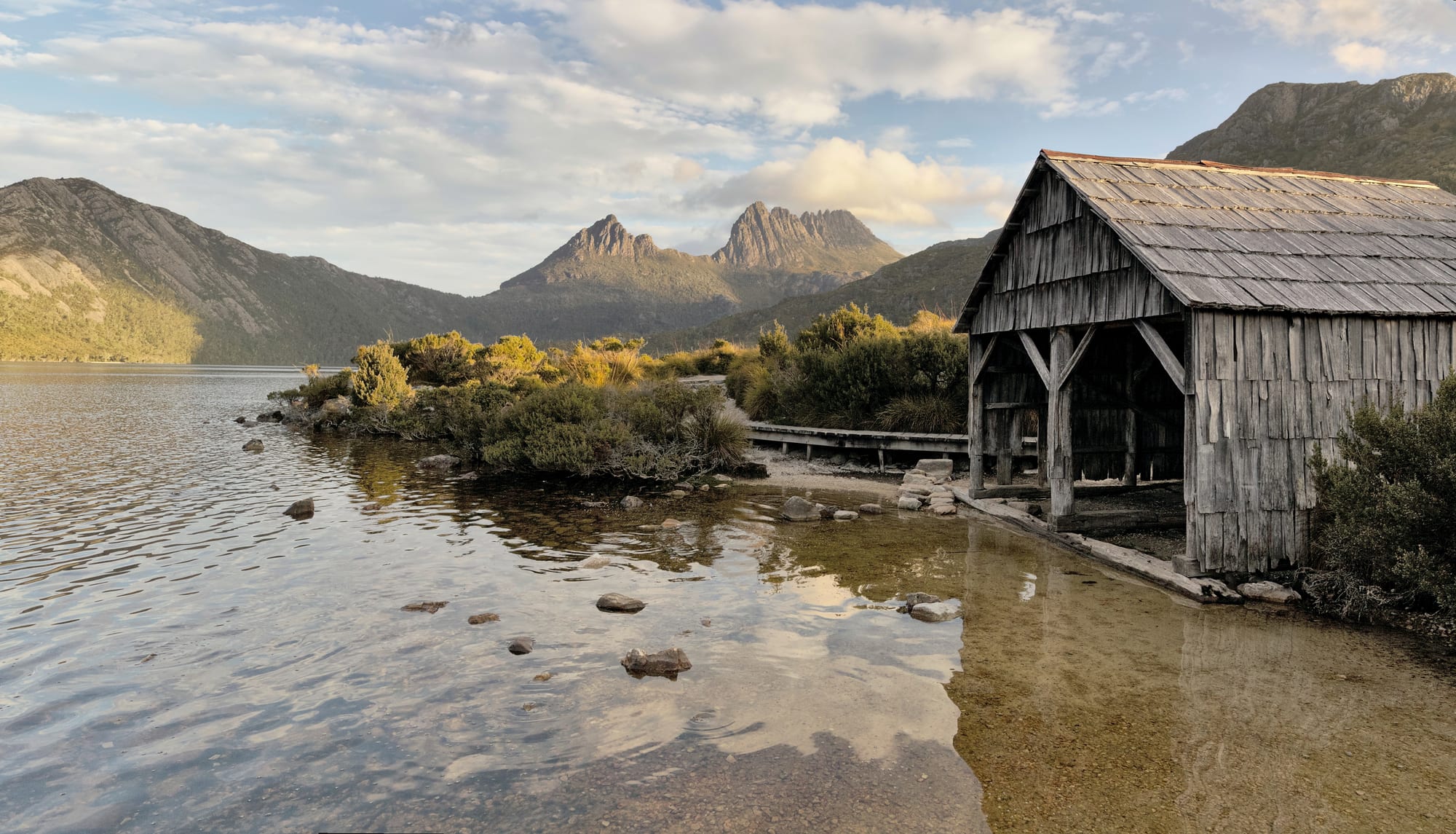
Cradle Mountain, in Tasmania's central highlands, is the northern end of the Overland Track — an 80-kilometre walk of five or six days through glaciated valleys, buttongrass moor, and ancient pencil-pine forest. For day visitors, the Dove Lake circuit gives the iconic view of the mountain's serrated ridge above the water, with a good chance of seeing wombats.
It is one gateway to the vast Tasmanian Wilderness World Heritage Area, which covers roughly a fifth to a quarter of the island. Tasmania also has the convict site at Port Arthur and the provocative MONA art museum near Hobart.
10. Melbourne
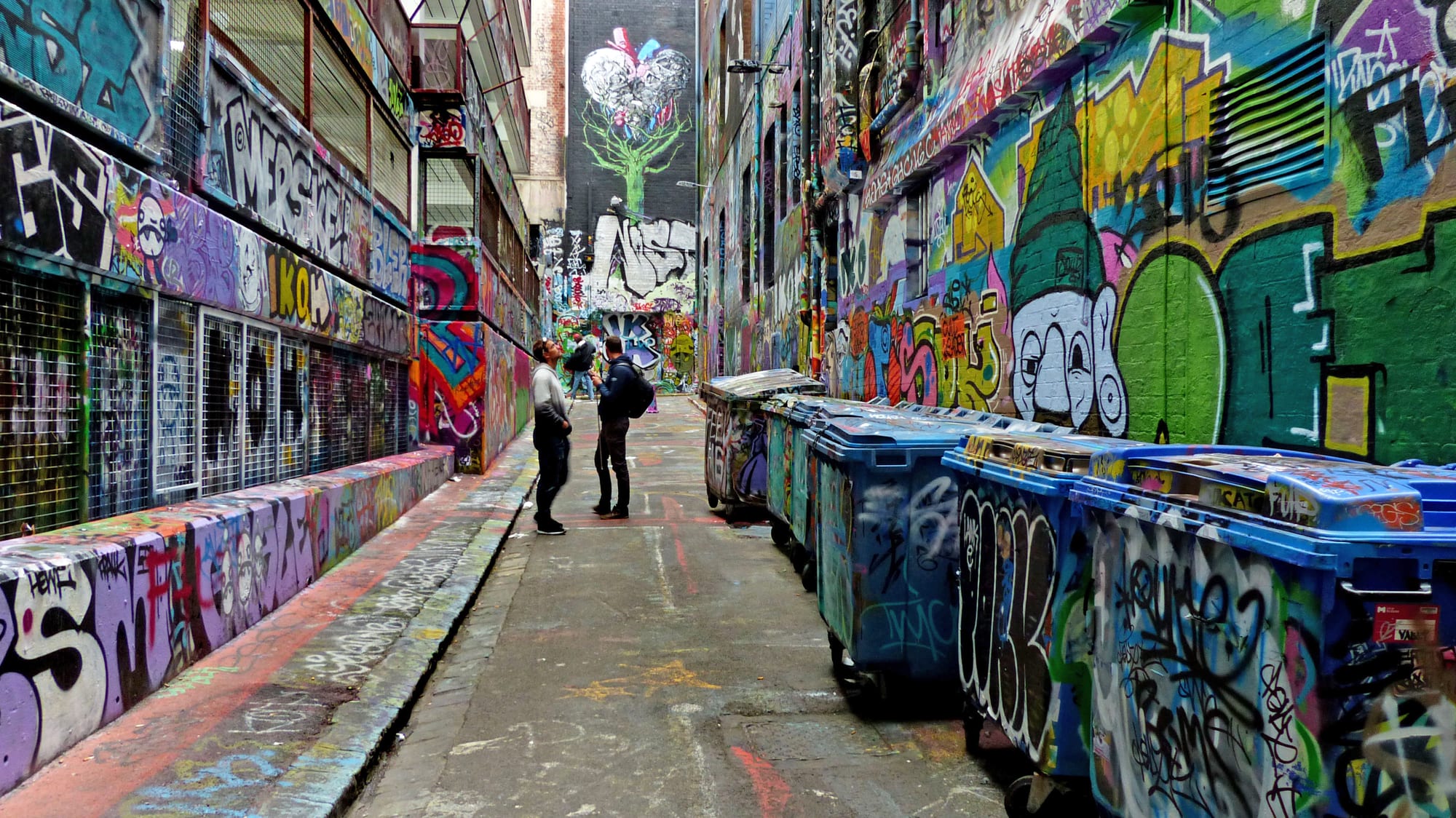
Melbourne is Australia's second city and its cultural capital, ranked the world's most liveable city by The Economist for much of the 2010s. It rewards wandering: a grid of Victorian arcades and graffiti-covered laneways full of coffee bars, the zero-fare City Circle tram, the riverside arts precinct at Southbank and the National Gallery of Victoria, and the enormous Melbourne Cricket Ground.
It is also the base for day trips — the Great Ocean Road, the Yarra Valley wine region, the penguins on Phillip Island, and the goldrush town of Ballarat.
Australia is best treated as several trips in one country. A region and a week at a time is the usual approach; the distances mean most of the country waits for another trip.