Food · Bolivia
Bolivia: Food and the National Dish
A baked pastry engineered to hold a whole bowl of stew inside it, a homeland of the potato, and a grape brandy from high-altitude vineyards
By Worldlore Editorial · 30 September 2026
A cuisine rooted in the Andes
Bolivia's food starts with the potato, which was first domesticated around Lake Titicaca, in southern Peru and north-western Bolivia, some 7,000 to 10,000 years ago; Bolivia still grows an extraordinary range of potato varieties, alongside quinoa (the country is one of the world's leading producers), corn and, at altitude, llama meat. The lowland east, around Santa Cruz, looks and eats quite differently — more tropical, with fruit, fish and yuca — so Bolivian food really comes in two distinct climates rather than one.
The signature dish: salteñas
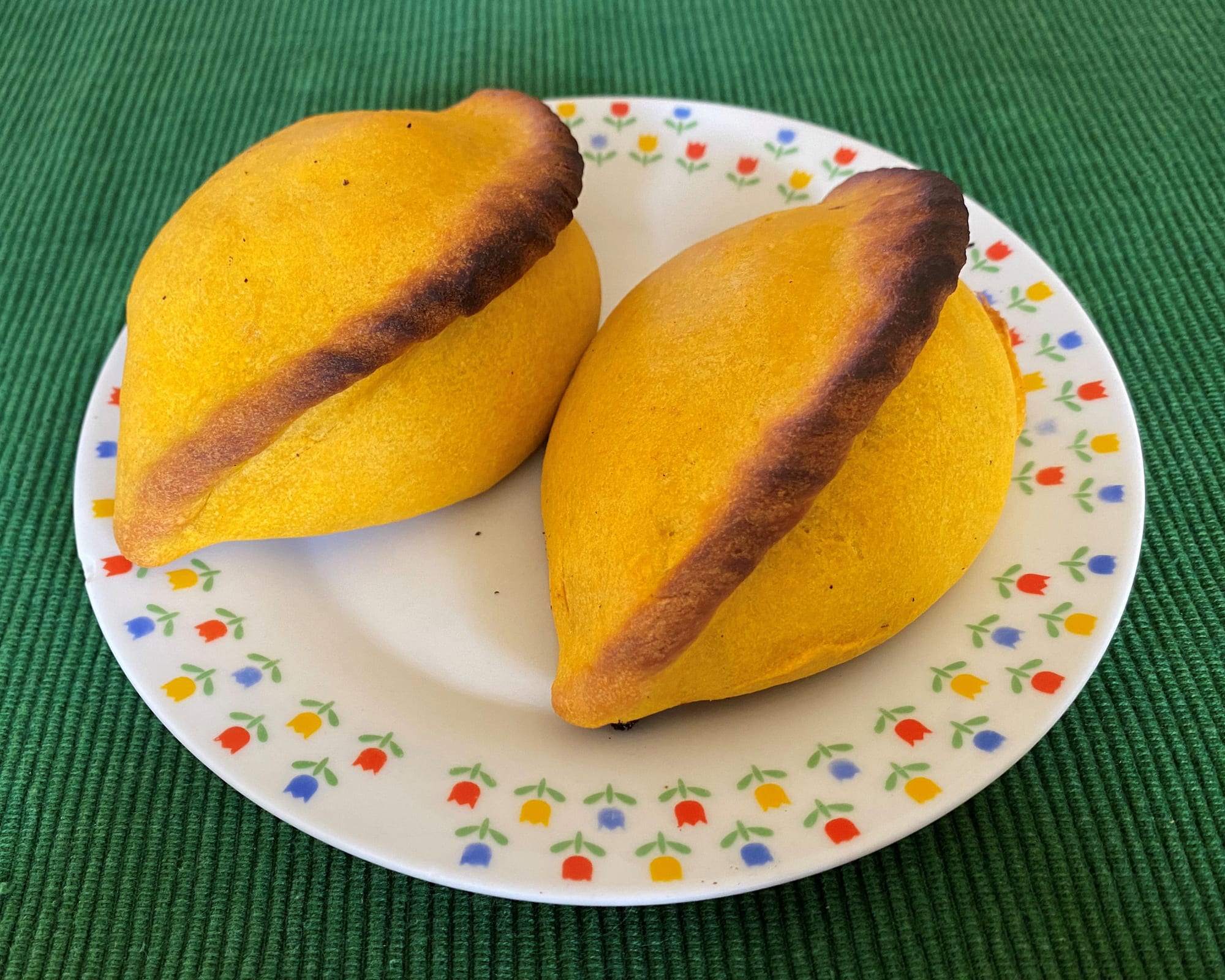
Bolivia has no single official national dish, but salteñas are among the strongest candidates. A salteña is a baked pastry shell filled with a stew — beef, chicken or pork in a sweet, slightly spicy sauce with ají, potato and sometimes egg — set with gelatine so that it is solid when the pastry is filled and melts as it bakes, so biting into one releases a genuine mouthful of savoury-sweet broth.
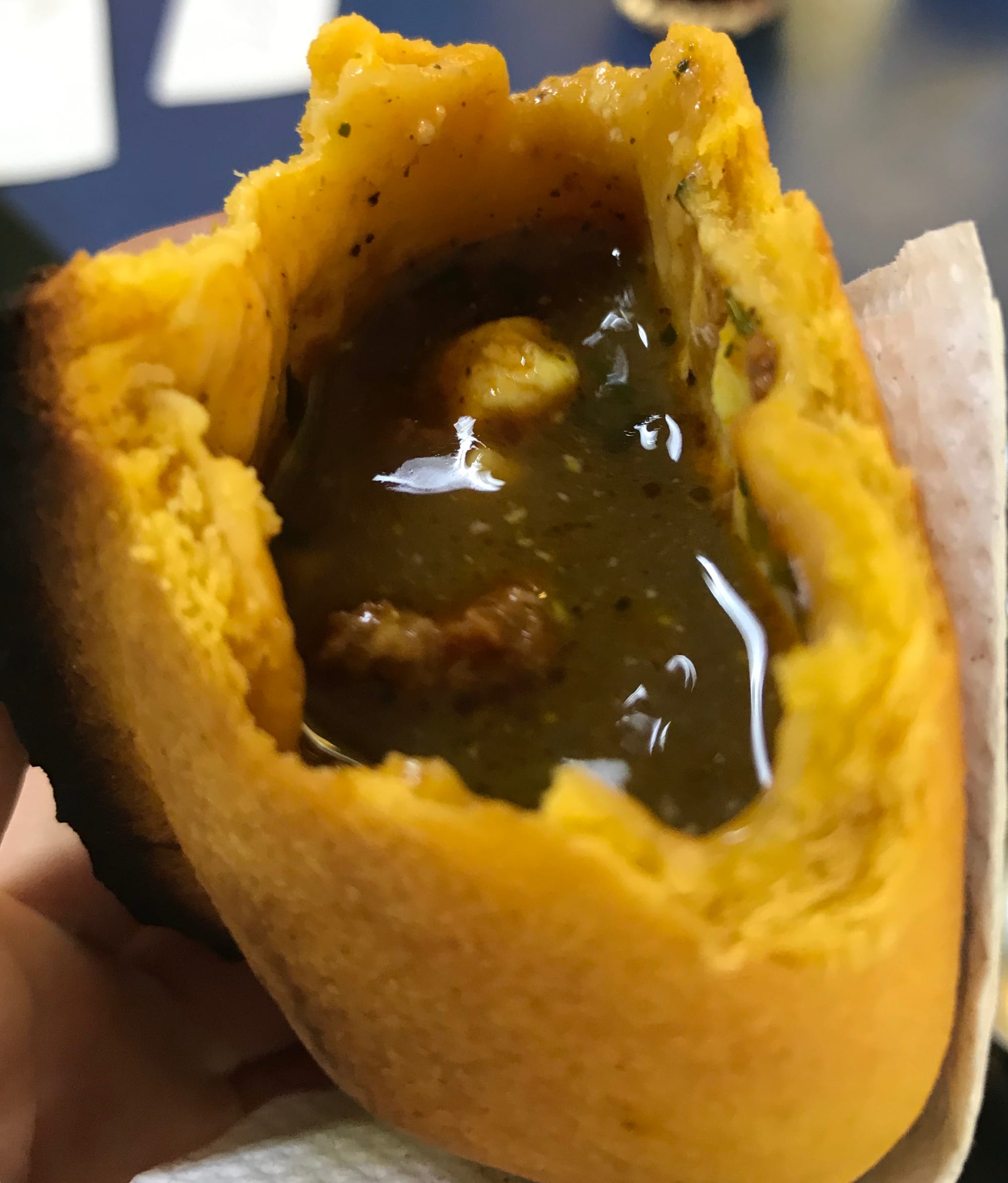
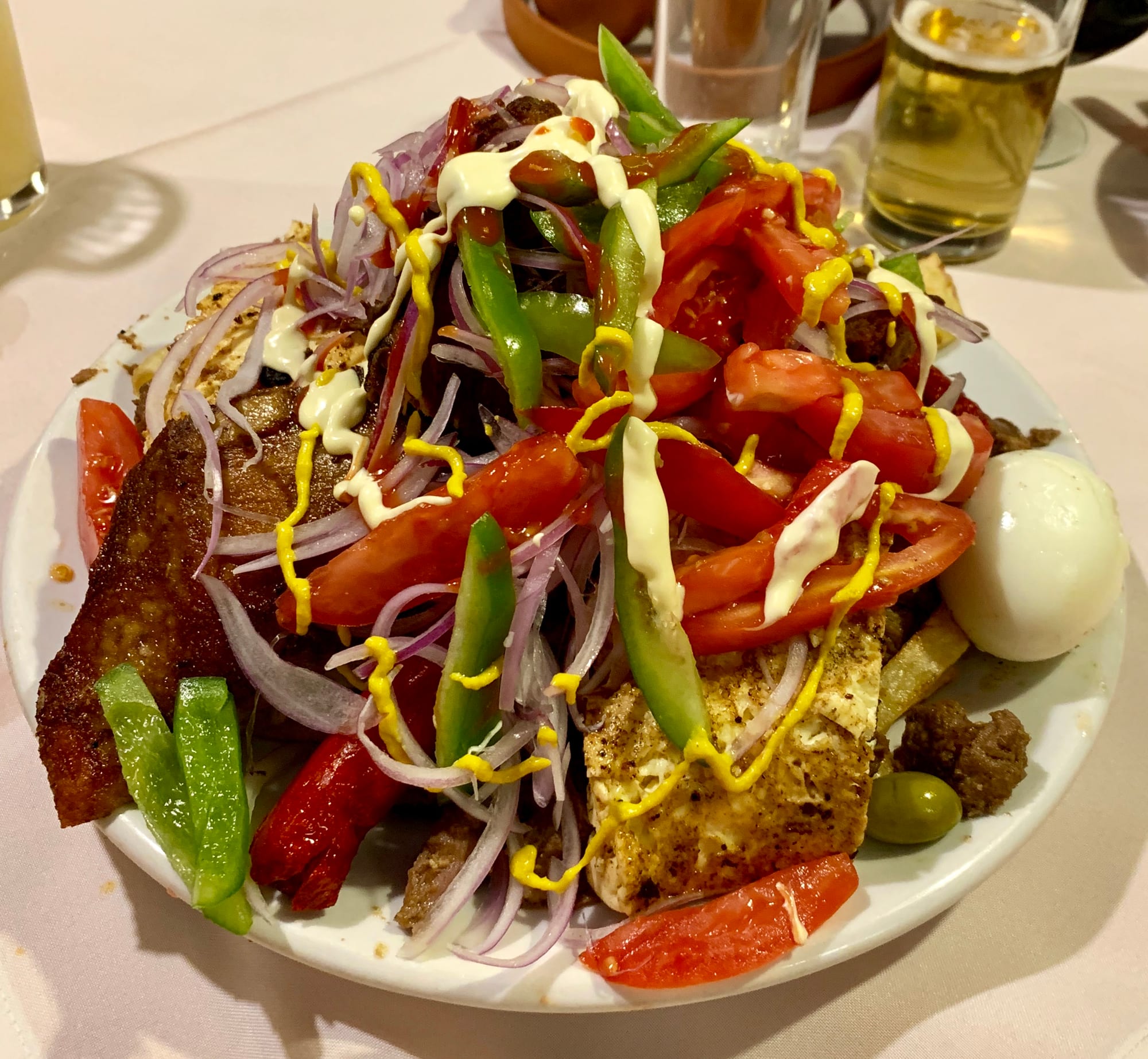
Salteñas are a morning food, sold from early morning until about noon, with many vendors selling out by mid-morning. Pique macho — a large shared plate of beef and sausage piled over fries with onion, tomato, green pepper and sometimes a boiled egg — is the other dish with a real claim to national status, especially in Cochabamba, where it was invented in the 1970s.
Dishes to know
Five more to recognise across Bolivia:
- Pique macho — beef and sausage over a bed of fries, topped with onion,
tomato, green pepper and sometimes egg, meant to be shared.
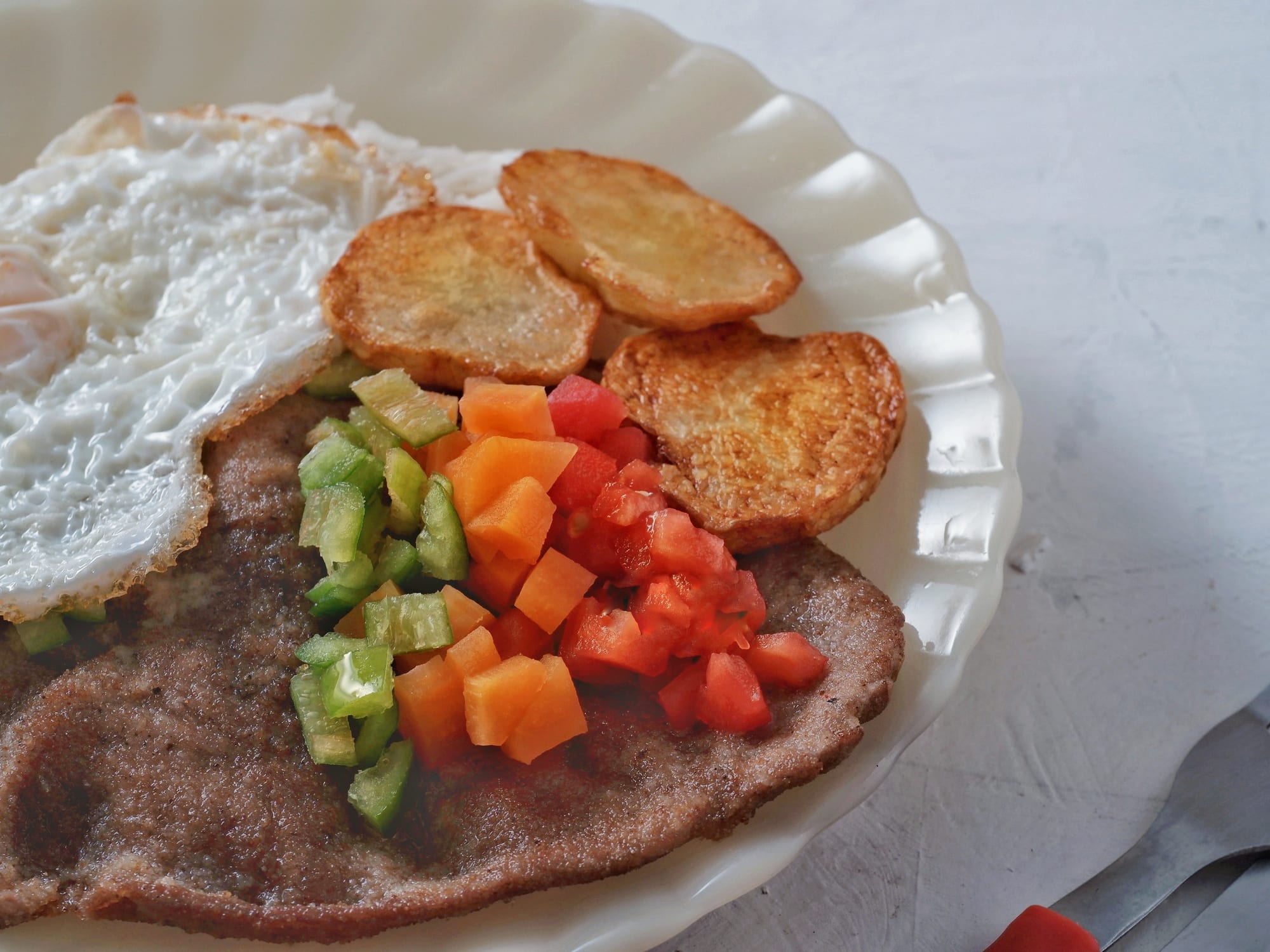
- Silpancho — a thin, breaded and fried beef cutlet served over rice and
fries with a fried egg and salad on top, a Cochabamba speciality.
- Sopa de maní — a peanut soup with beef and vegetables, sometimes finished
with a few fries dropped in just before serving.
- Anticuchos — grilled skewers of beef heart, marinated and charred, a
common street food shared with neighbouring Peru.
- Chairo — a hearty highland soup built on chuño, freeze-dried potato
preserved using the intense sun and cold nights of the altiplano.
Chuño and the Andean potato tradition
Chuño — potatoes left out to freeze overnight and dry in the intense altiplano sun over several days, repeated until the water is drawn out almost entirely — is an ancient Andean preservation technique, and the dried potatoes can keep for years, sometimes decades. It still turns up in soups and stews like chairo, giving them a distinctive flavour and texture unlike fresh potato.
Drinks
Chicha, a fermented corn drink with roots going back to pre-Columbian times, and api, a hot, thick maize drink, usually of purple corn and often paired with buñuelos (sweet fritters) for breakfast, are both still widely drunk. Coca tea, made from the same leaf chewed traditionally across the Andes, is legal and commonly offered to help visitors adjust to Bolivia's high altitudes.
Eating as a traveller
Vegetarians will find quinoa, potato and vegetable soups manageable, though salteñas, pique macho and most Bolivian street food are built around meat. Tap water is not generally considered safe to drink, and bottled water is the usual choice. Altitude affects appetite and digestion for most visitors arriving in La Paz, the world's highest seat of government, at about 3,650 metres, so a slow start and a cup of coca tea are common first steps.
What to take from the table
A salteña, eaten properly (leaning forward, expecting a mess), is the best quick introduction to Bolivian food — and pique macho, shared among a table of people, is the dish that shows how much Bolivians enjoy eating together.