Attractions & Natural Wonders · Caribbean Netherlands
The Caribbean Netherlands: Seven Attractions and Natural Wonders
A fringing reef dived straight off the shore, a five-square-mile island with a cloud forest on top, and a dormant volcano called the Quill
By Worldlore Editorial · 30 September 2026
Three small islands, one country
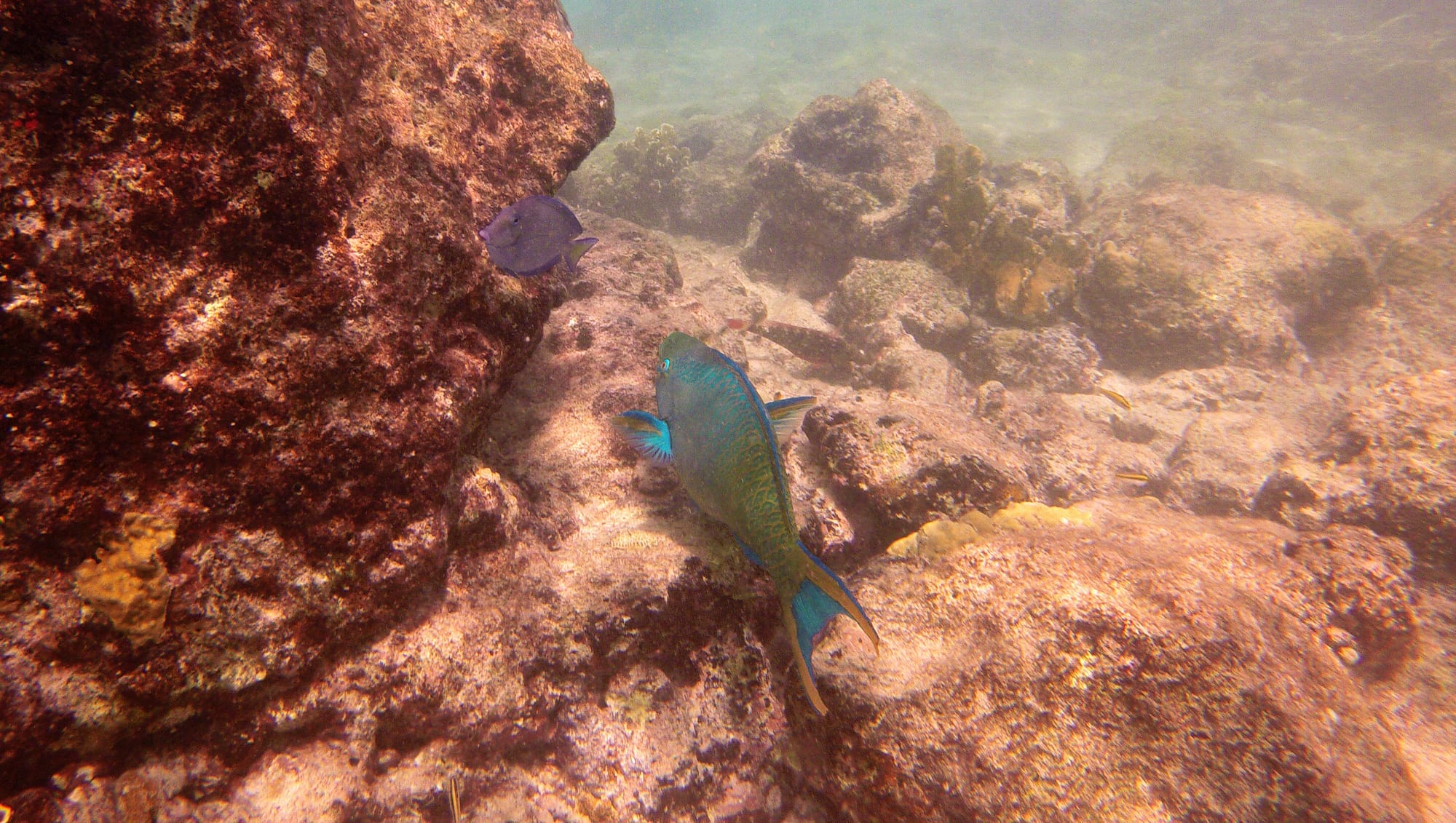
The Caribbean Netherlands — officially the "BES islands", for Bonaire, Sint Eustatius, and Saba — are three special municipalities of the Netherlands scattered across the Caribbean. Bonaire sits off Venezuela with Aruba and Curaçao; Saba and Sint Eustatius are tiny volcanic specks far to the north, near Sint Maarten. They have little in common beyond their status, and none has mass tourism on the scale of the bigger Caribbean islands. What they share is world-class diving.
The seven below cover all three. Bonaire has an airport with direct flights; Saba and Statia are reached by small plane or ferry from Sint Maarten. It is a dry-season destination, outside the main hurricane track for Bonaire (less so for the northern two).
1. Bonaire's shore-diving reef
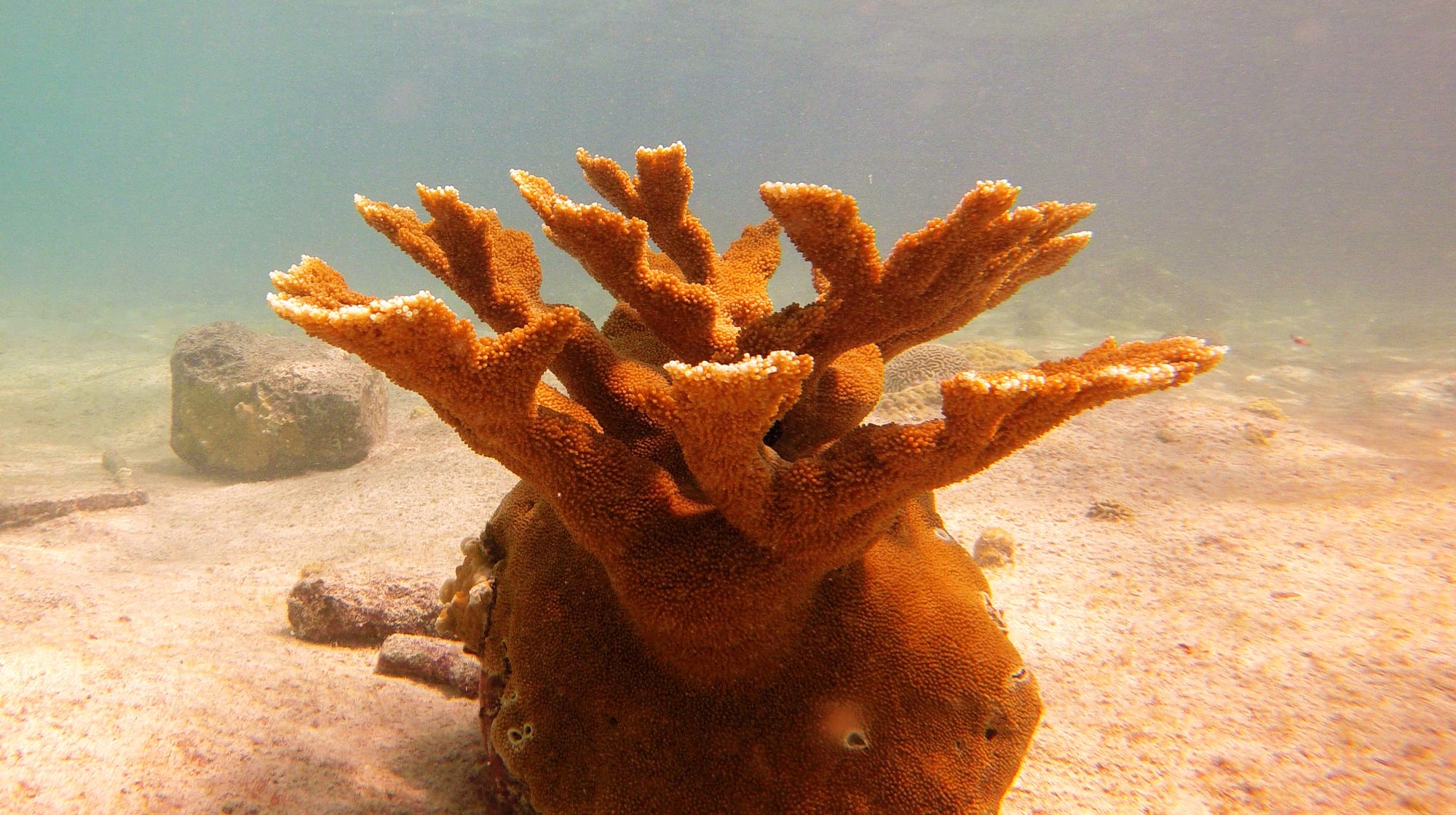
Bonaire made its entire coastline a marine park in 1979, one of the oldest marine reserves in the world, and it has protected it fiercely since. The fringing reef runs the length of the leeward coast, close in and easy to reach, and — unusually — it is dived from the shore: park by a painted yellow rock marking a named site, walk in, and go. There are more than 80 such sites. Stony coral tissue loss disease has reached the reef, divers are asked to disinfect their gear, and sites can close at short notice.
The island calls itself "Diver's Paradise" (it is on the licence plates), and the diving, snorkelling, and windsurfing at Lac Bay are the whole reason most people come.
2. Washington Slagbaai National Park
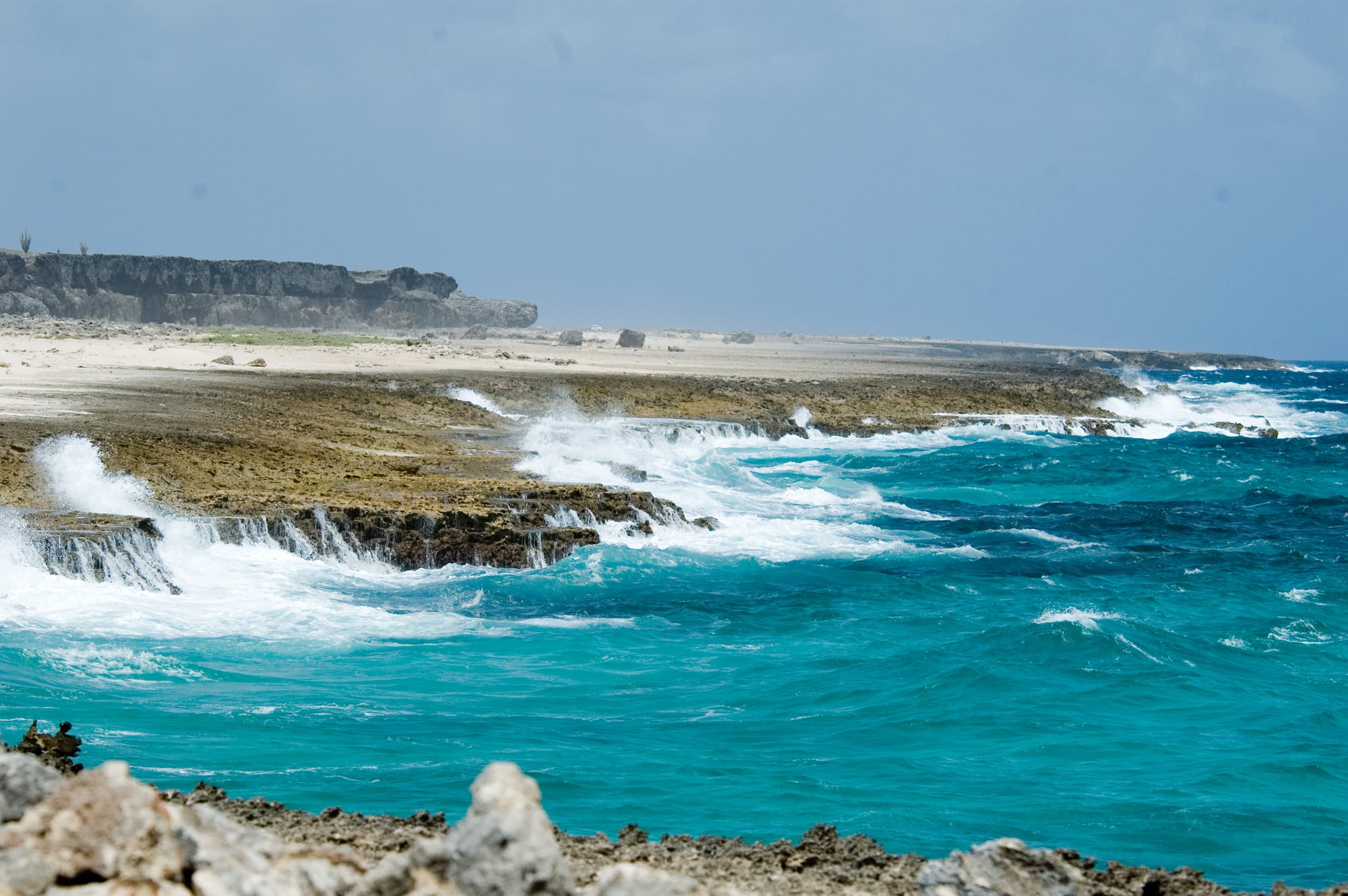
The northern fifth of Bonaire is a national park of dry, cactus-covered hills, old plantation buildings, salt pans, and a rugged coast. A rough one-way loop road (4x4 recommended) links the highlights: the island's high point Brandaris, the Wayaka and Boka Slagbaai swimming and snorkelling spots, flamingo lagoons, and blowholes on the windward cliffs.
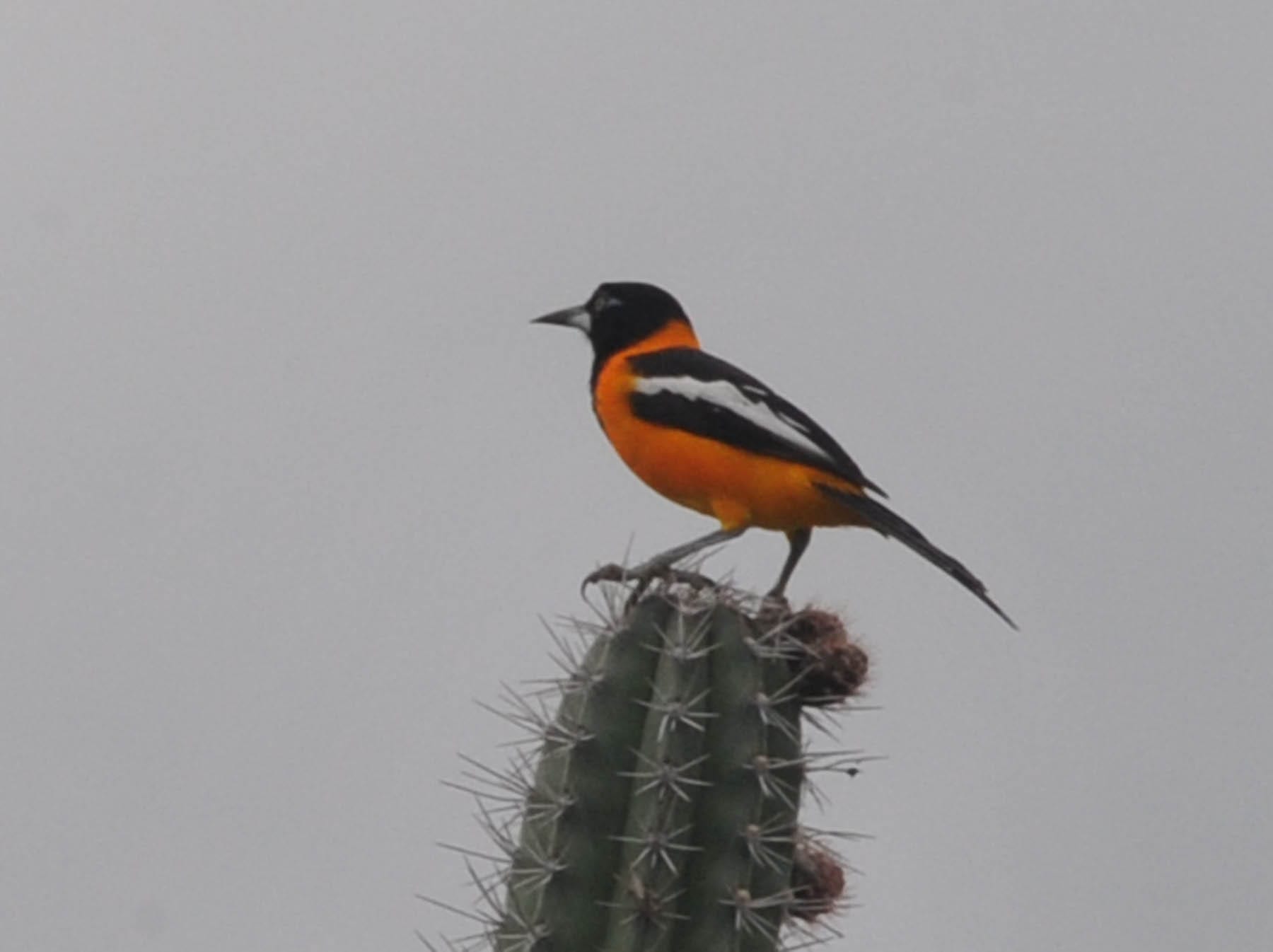
It is home to the yellow-shouldered parrot and, on its remote beaches, nesting sea turtles. Scuba diving off the park's shore has been suspended to slow the spread of coral disease.
3. The Pekelmeer flamingos and the salt pans
The southern end of Bonaire is a vast working salt operation — blindingly white pans and pink brine, with pyramids of harvested salt at the pier. Alongside it, the Pekelmeer sanctuary is one of only four Caribbean flamingo nesting grounds, closed to people; many more birds feed in the pans, a wall of pink against the white.
Near the pans stand the tiny stone huts where enslaved salt workers were made to sleep, a stark memorial on an otherwise resort-free coast.
4. Klein Bonaire
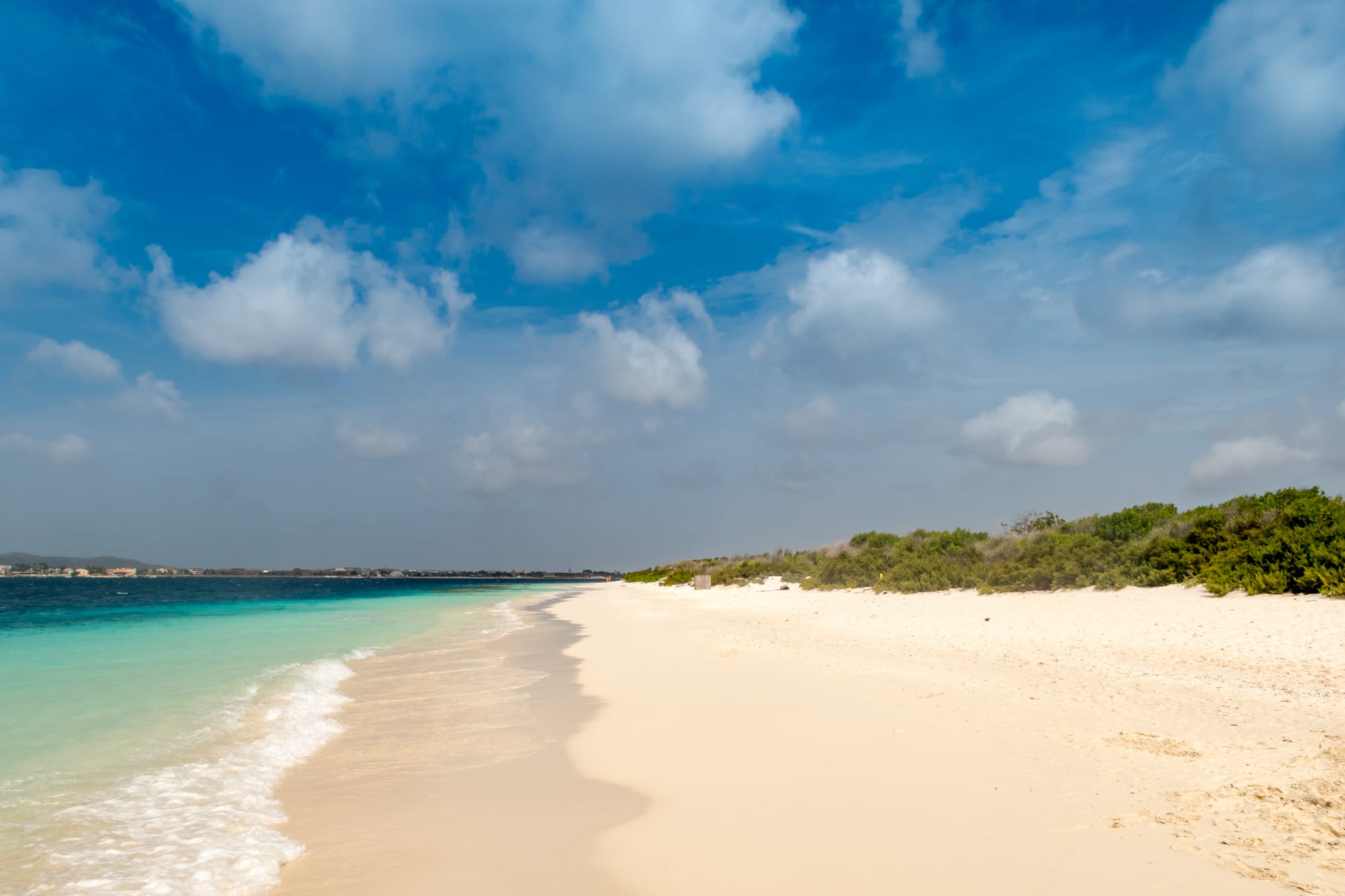
Just off the main town, Kralendijk, lies Klein Bonaire — a flat, uninhabited islet of about 6 square kilometres, protected as part of the marine park, with no buildings and one good beach (No Name Beach). Water taxis run across in a few minutes.
It is a snorkelling and picnic trip: a shallow reef right off the sand, hawksbill and green turtles, and nothing else. There is no shade or water to buy.
5. Saba and Mount Scenery
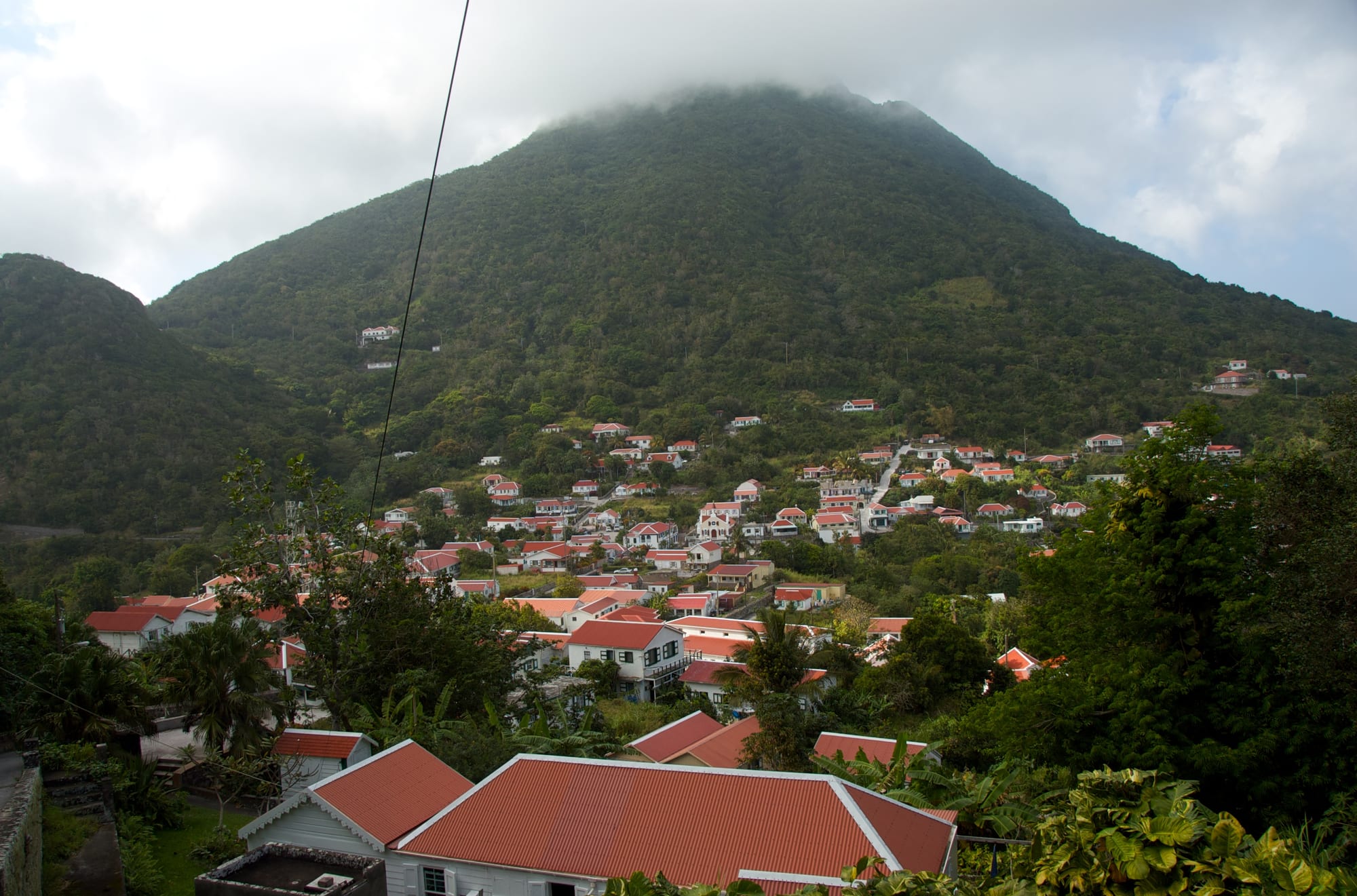
Saba is a single dormant volcano rising sheer from the sea, with almost no sand beaches, one switchback road (built by hand from 1938 to 1963 after experts said it couldn't be done), and about 2,000 residents in trim white-and-green cottages. The 870-metre summit of Mount Scenery — the highest point in the whole Kingdom of the Netherlands — is reached by a stone staircase of 1,064 steps through forest of tree ferns and mountain palms to the cloud forest at the top.
The surrounding waters, a marine park, are famous for dives on the Pinnacles, submerged volcanic peaks.
6. Sint Eustatius and the Quill
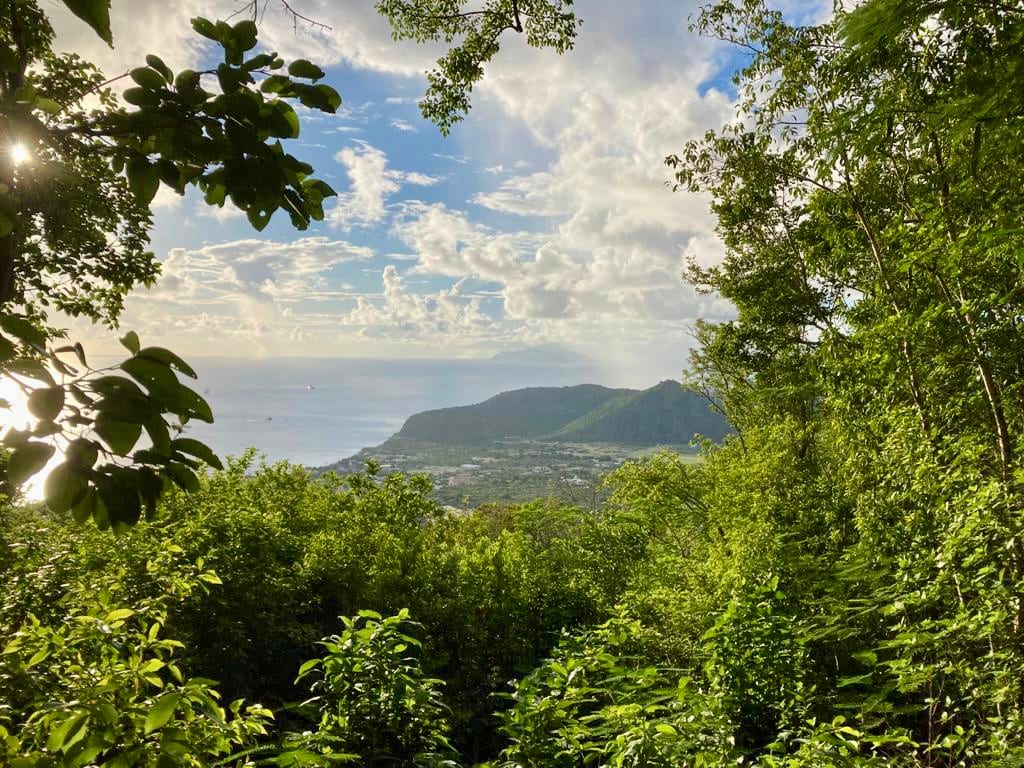
Sint Eustatius ("Statia") was, astonishingly, a major 18th-century trading hub — the "Golden Rock", a free port that supplied the American revolutionaries with gunpowder and arms, and in 1776 fired the first salute to an American flag. In 1781 a British fleet under Admiral Rodney captured it. Today it is a quiet island of a few thousand people, with the ruins of that boom along the shore below Fort Oranje in Oranjestad, and a small history museum.
Rising behind the town is the Quill, a textbook dormant volcano (601 m) whose rainforest-filled crater is reached by trail. The island's reefs, with remains of its shipping past, are the other draw.
7. Hiking and diving the northern islands
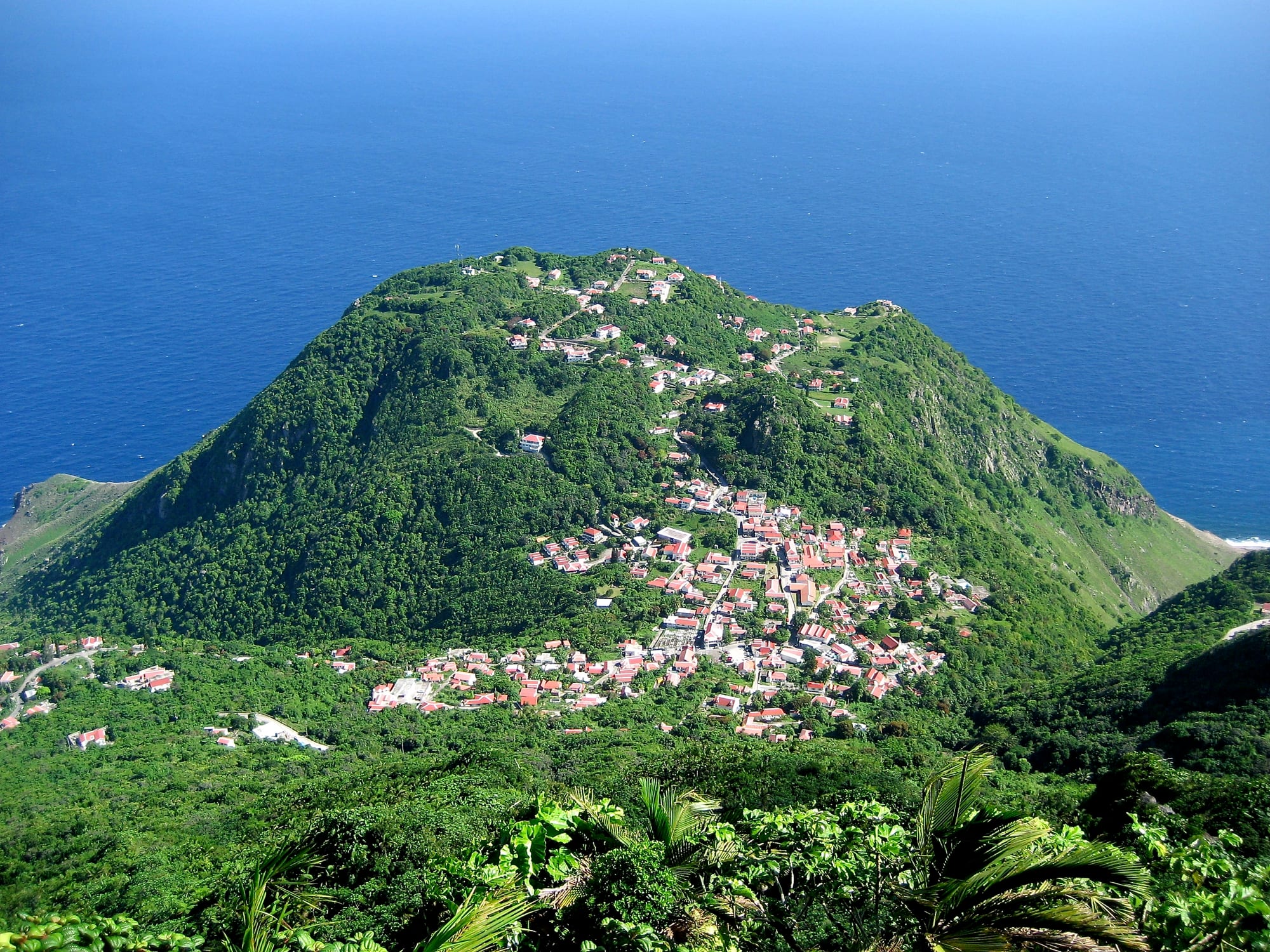
Beyond their headline sights, Saba and Statia are hiking-and-diving islands. Saba has a network of old footpaths, many looked after by the Saba Conservation Foundation. Statia's marked trails, maintained by its parks foundation, are mostly on or around the Quill and the neighbouring Boven hills.
Underwater, both are volcanic islands of the Lesser Antilles arc, giving deep-blue walls, pinnacles, and — off Saba — the chance of nurse and reef sharks. Accommodation is mostly in small inns and guesthouses.
The three islands are really three separate trips. Bonaire is a straightforward week of diving and desert; Saba and Statia are best combined with each other or with Sint Maarten, for hiking and quiet.