Food · Caribbean Netherlands
Caribbean Netherlands: Food and the National Dish
Three small Dutch islands split between two different Caribbean food cultures, a soup made from a local cactus, and a cornmeal staple shared with the wider Dutch Caribbean
By Globeway Editorial · 30 September 2026
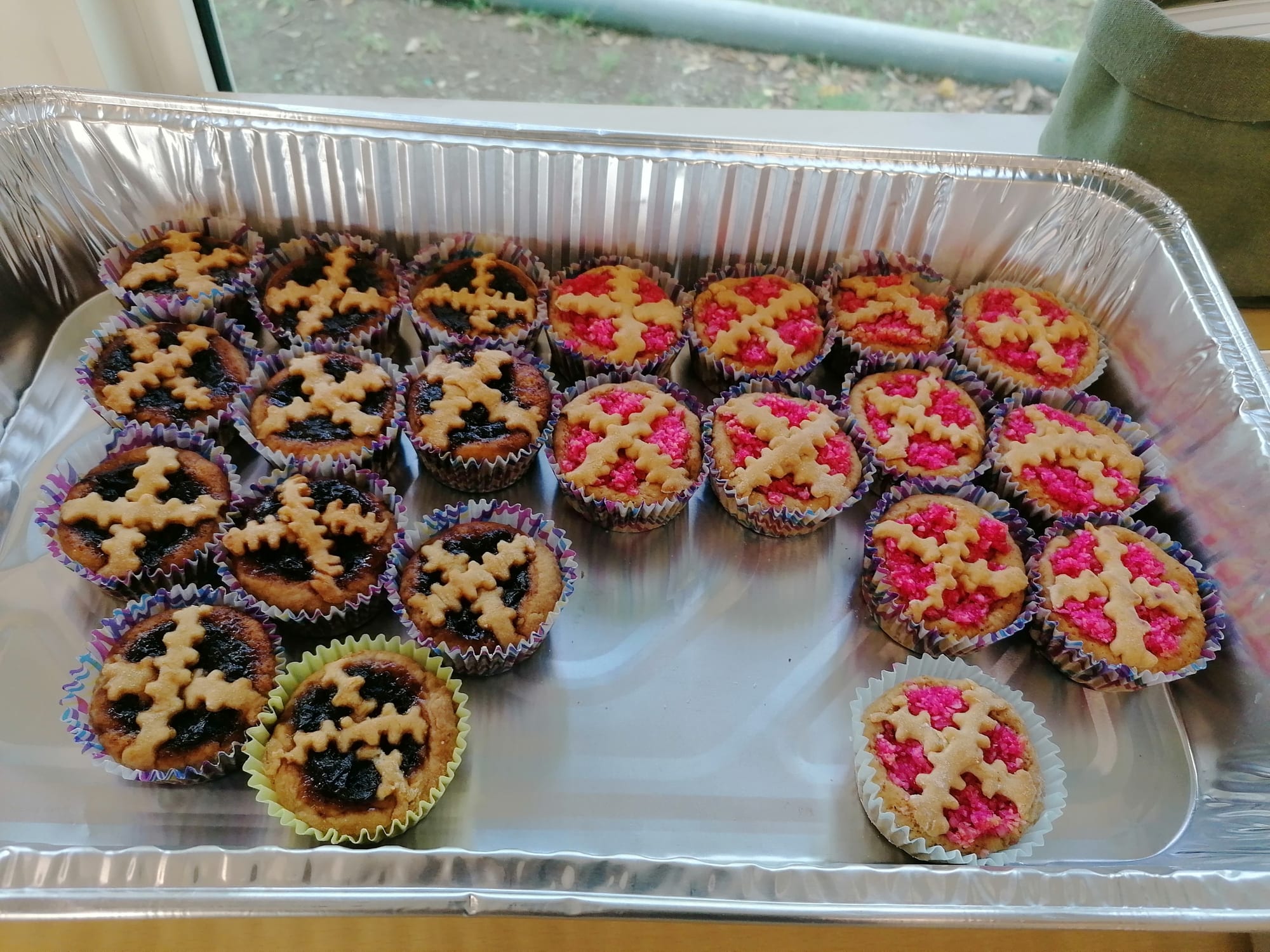
Three islands, two food cultures
The Caribbean Netherlands is an unusual grouping: three small islands — Bonaire, Saba and Sint Eustatius (Statia) — that are special municipalities of the Netherlands rather than a country of their own, and they don't share a single food culture. Bonaire, close to Aruba and Curaçao and speaking the same Papiamento creole language, eats much like its Dutch-Caribbean neighbours. Saba and Sint Eustatius, smaller and English-speaking, lean toward the Anglophone Caribbean cooking found on nearby Anguilla and St Kitts. All three are governed as part of the Netherlands without sharing one cuisine.
Bonaire's Dutch-Creole cooking
Bonaire's food is close kin to Aruba's and Curaçao's: funchi, a firm cornmeal paste similar to polenta, is the everyday starch, served alongside stews (stoba) of goat, beef or fish, and keshi yena — a hollowed-out Edam or Gouda cheese stuffed with spiced meat, often chicken, and baked — is a festive dish shared with Aruba and Curaçao.
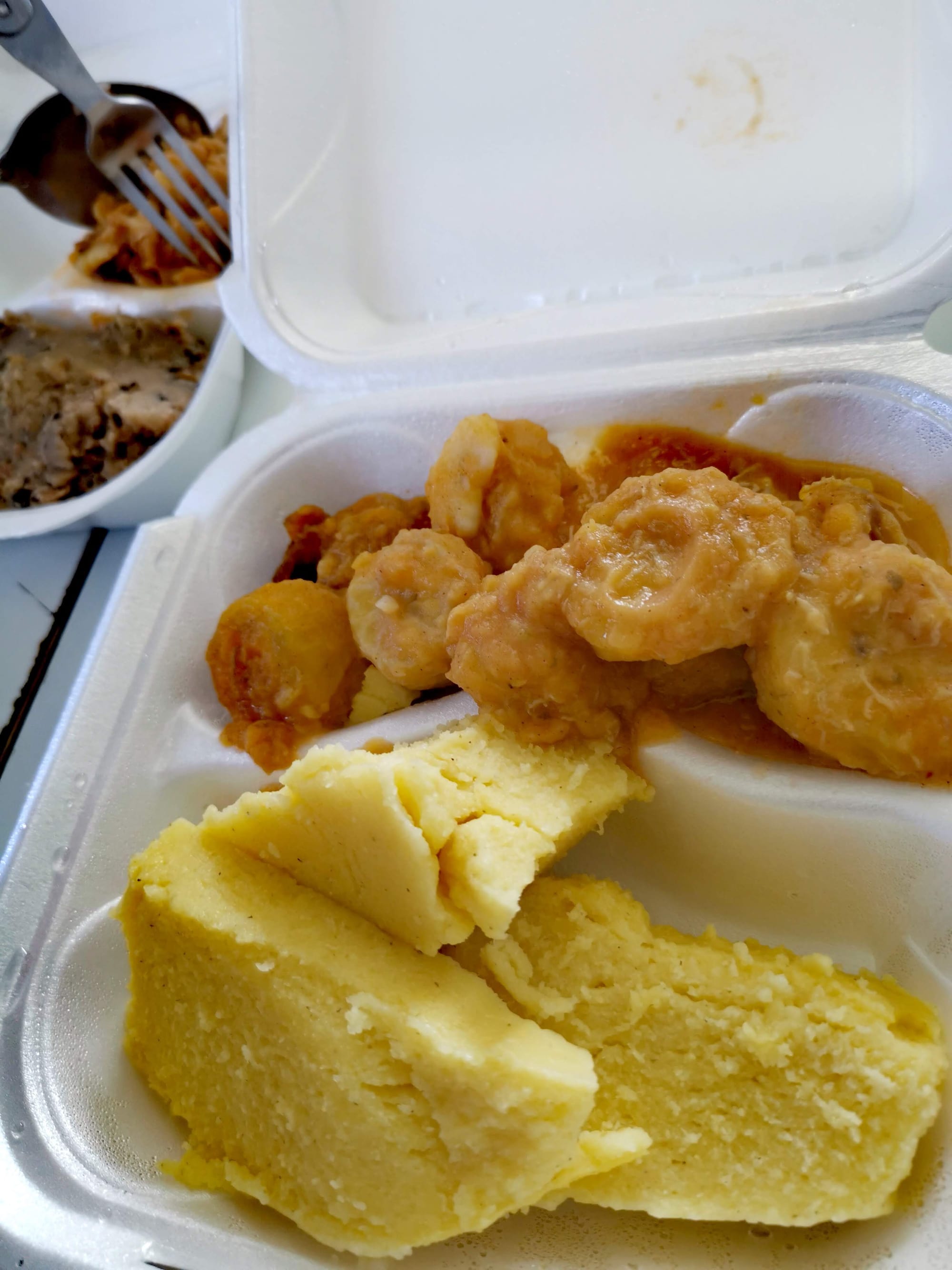
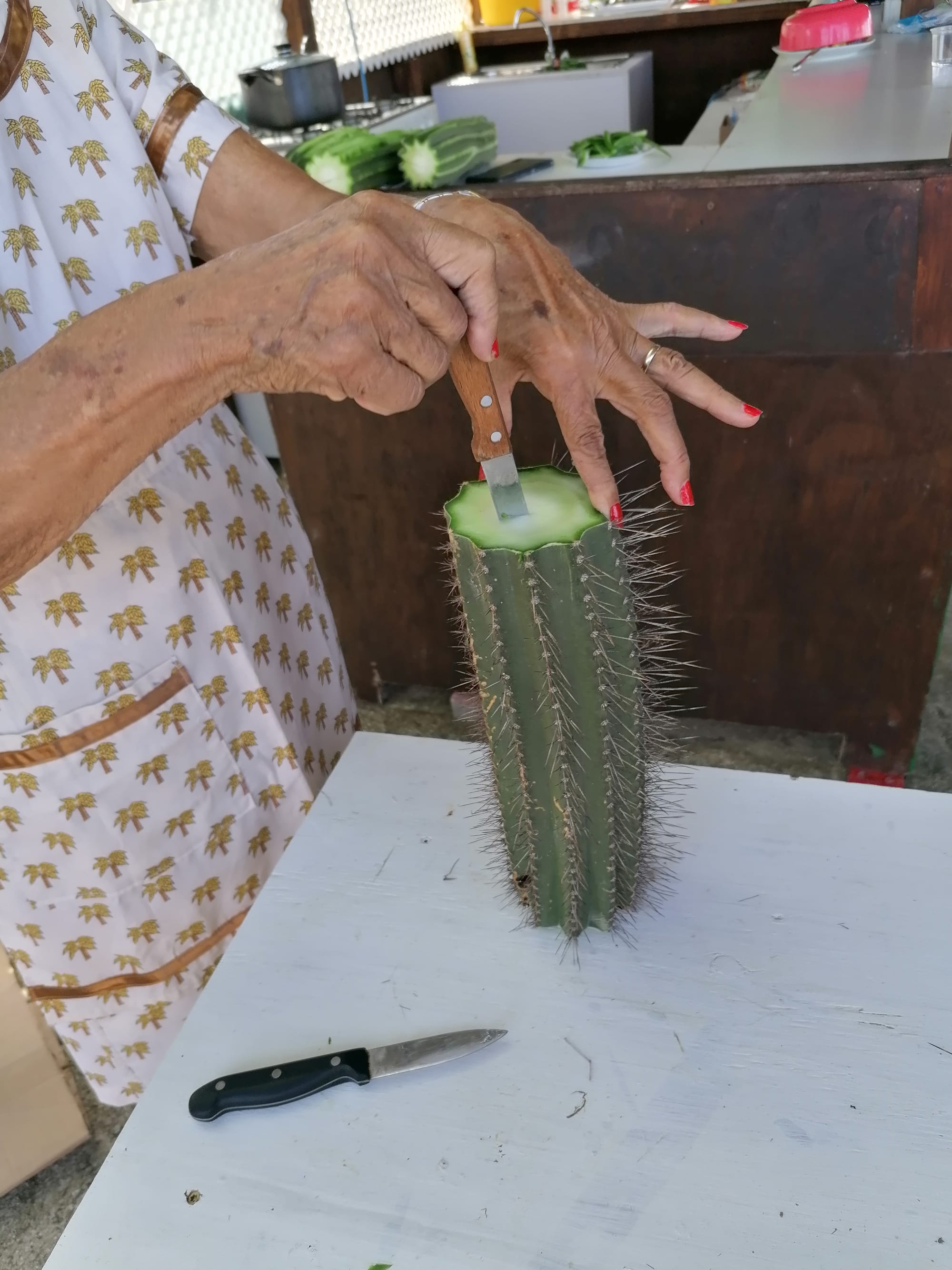
One dish is distinctive to Bonaire and its immediate neighbours rather than shared more widely across the Caribbean: cadushi (kadushi) soup, made from the local cadushi column cactus, a speciality of the ABC islands.
Saba and Sint Eustatius's English-Caribbean table
Saba and Sint Eustatius, both small and English-speaking in everyday life despite Dutch rule, eat closer to the wider Anglophone Caribbean: dishes such as salt fish, johnnycake, goat water, and rice and peas belong to the English-speaking Caribbean tradition rather than the Papiamento style found on Bonaire. Being small, steep and short of farmland, Saba in particular relies heavily on imported food, much of it shipped in weekly, alongside local fishing.
Dishes to know
Five to recognise across the three islands:
- Funchi — firm cornmeal paste, the standard starch on Bonaire.
- Cadushi soup — a soup made from a local column cactus, found on
Bonaire and its closest island neighbours.
- Keshi yena — a hollowed-out Edam or Gouda cheese stuffed with spiced meat
and baked, festive food shared with Aruba and Curaçao.
- Johnnycake — a fried or baked flatbread eaten across much of the
Caribbean, familiar on Saba and Sint Eustatius.
- Goat water — a slow-cooked goat stew best known as the national dish of
nearby Montserrat and made on other English-speaking islands.
Eating as a traveller
Seafood is a genuine highlight on all three islands, especially given Bonaire's international reputation as a diving destination with strict marine conservation rules. Vegetarians will find the choices limited outside resort restaurants, since most everyday dishes lean on meat or fish stock. Tap water on Bonaire is desalinated seawater and safe to drink; on Saba and Sint Eustatius, where supplies are more limited, bottled water is the simpler choice. Because Saba and Sint Eustatius are so small and import- dependent, the range of food there is narrower and pricier than on Bonaire.
What to take from the table
There is no single dish that speaks for the Caribbean Netherlands as a whole — funchi and cadushi soup on Bonaire, and johnnycake and goat water on Saba and Sint Eustatius, are really two separate answers to the same question, and both are worth trying on their own terms.