Attractions & Natural Wonders · Cayman Islands
The Cayman Islands: Eight Attractions and Natural Wonders
A sandbar where visitors stand waist-deep among stingrays, one of the finest beaches in the Caribbean, a rescued population of blue iguanas, and a wall that drops into the abyss
By Worldlore Editorial · 30 September 2026
A finance hub with a serious reef
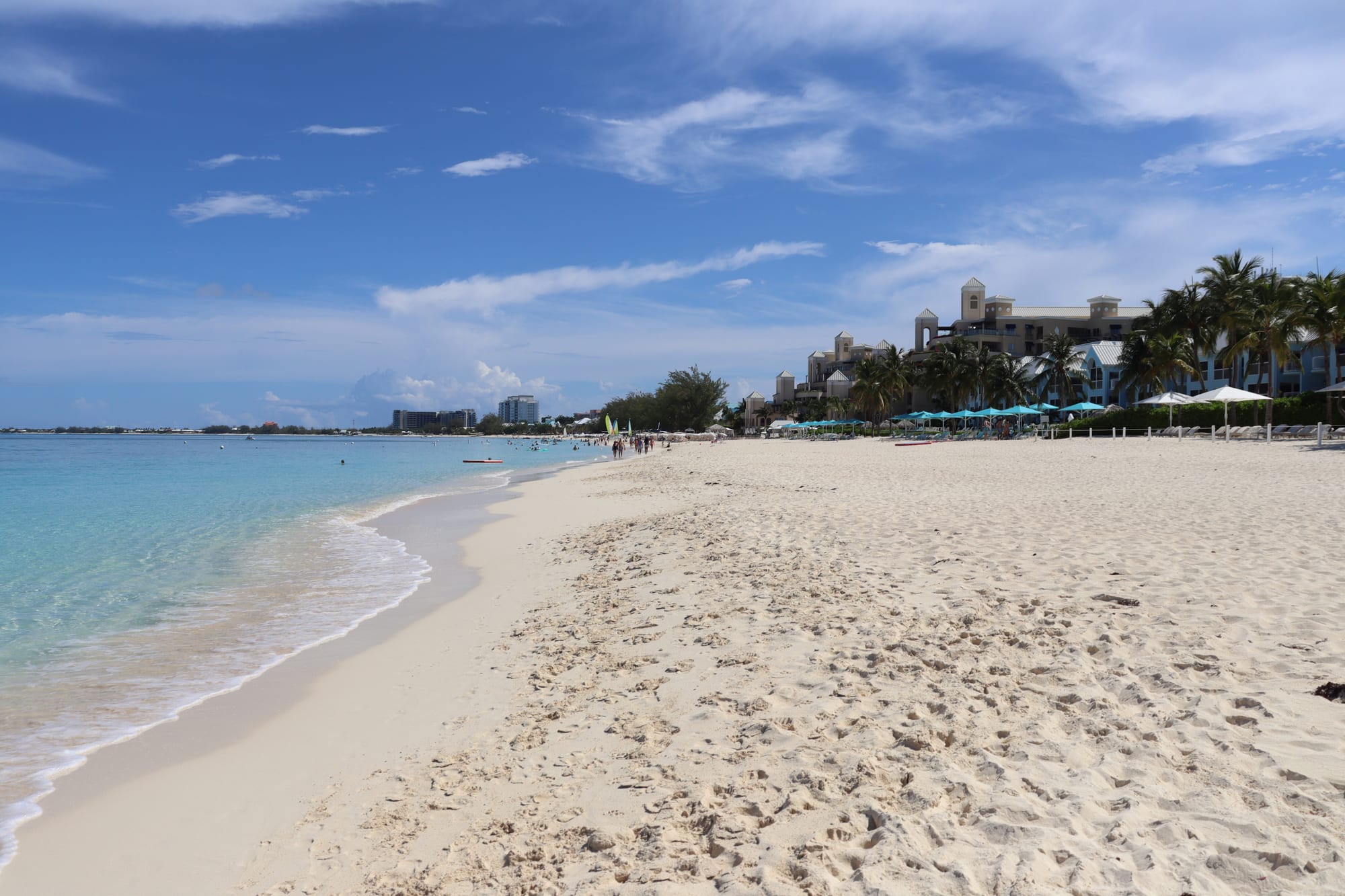
The Cayman Islands are three low-lying islands south of Cuba — a British Overseas Territory best known offshore for banking, and on the ground for some of the clearest water and best diving in the Caribbean. Grand Cayman has the beach, the capital, and most of the people; Cayman Brac and Little Cayman, the "Sister Islands" about 75 miles to the east-northeast, are quiet outposts with world-class dive walls.
The eight below are mostly on Grand Cayman, with the last covering the Sisters. It is a dry-season destination; hurricane season runs June to November, and Ivan (2004) hit the islands hard.
1. Seven Mile Beach
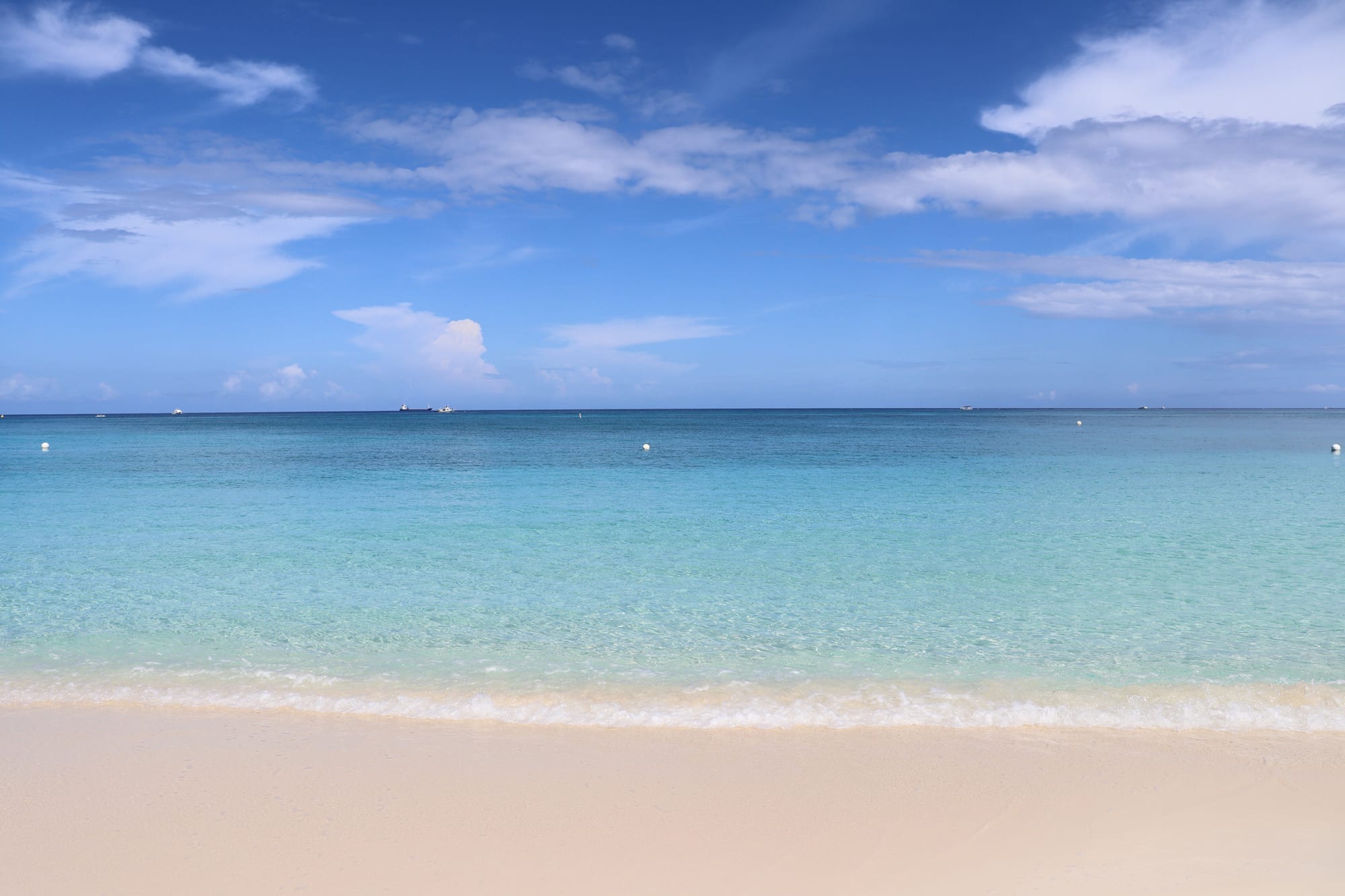
Seven Mile Beach runs up the western side of Grand Cayman, a continuous ribbon of soft coral sand and calm, gently shelving water. The entire beach is public to the high-water mark, so even in front of the big resorts anyone can walk the whole length. Small reefs just offshore give decent snorkelling, notably off Government House and just north of the public beach. Erosion, much worse since Hurricane Helene in 2024, has left some stretches with little sand.
It is the island's centre of gravity — hotels, condos, bars, dive shops, and the sunset crowd — but it rarely feels crowded because it is so long.
2. Stingray City
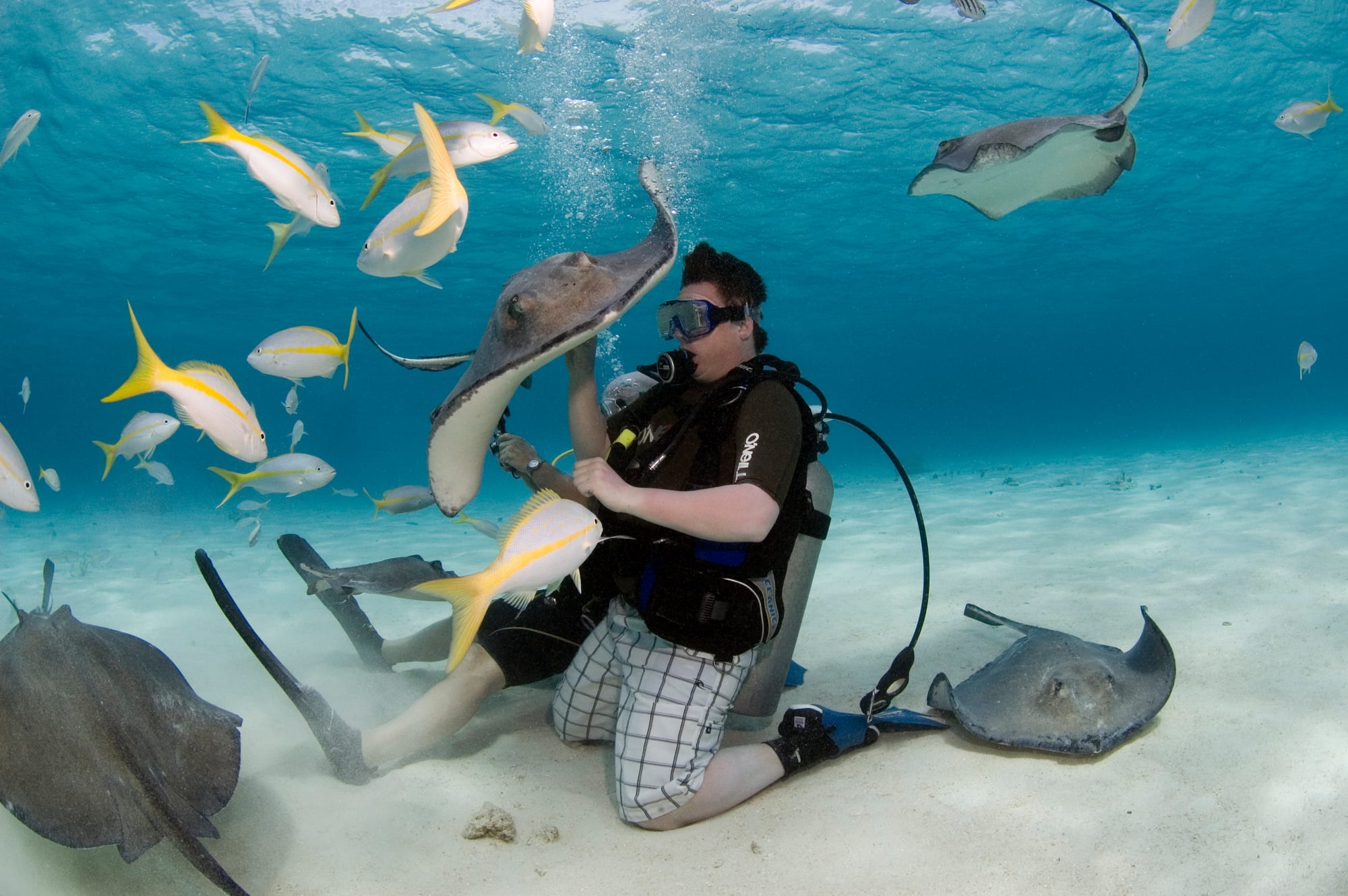
For generations, fishermen cleaned their catch on a sheltered sandbar in the North Sound, and southern stingrays learned to come for the scraps. Today the same spot is the island's signature excursion: boats anchor over the waist-deep bar and visitors stand among dozens of habituated rays, feeding and touching them under guide supervision.
It is busy — go on an early or late trip — and there is ongoing debate about the impact of the feeding, so choose an operator with good animal-welfare practices.
3. The Botanic Park and the blue iguanas
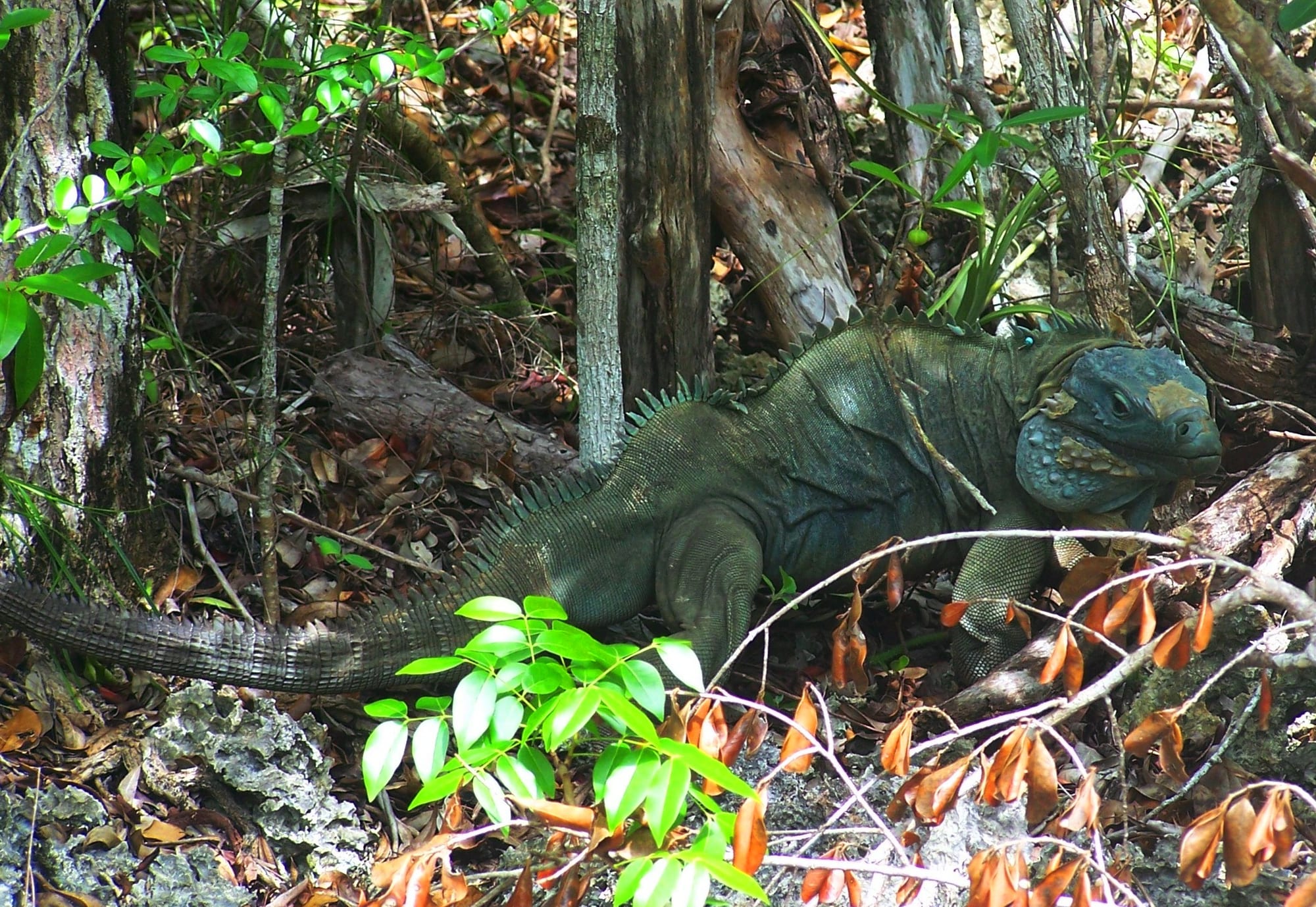
In the North Side district of Grand Cayman, this botanic park, opened by Queen Elizabeth II in 1994, has themed gardens, a woodland trail, and a lake — but its real story is the blue iguana. Endemic to the island and down to fewer than 15 animals in the wild by 2003, the species has been rebuilt to several hundred in the wild through the National Trust's Blue Iguana Recovery Programme; its habitat lies halfway along the Woodland Trail, and released iguanas range free in the park.
It pairs with Pedro St James and the eastern districts, away from the resort strip.
4. Rum Point and the North Side

Rum Point, on a sandy spit at the northern edge of the island, is the laid-back counterweight to Seven Mile Beach: hammocks slung between casuarina trees, calm shallow water, a beach bar, and easy snorkelling.
Sand Point Cove at Rum Point is also home to a bioluminescent bay, where the water glows at night.
5. Hell
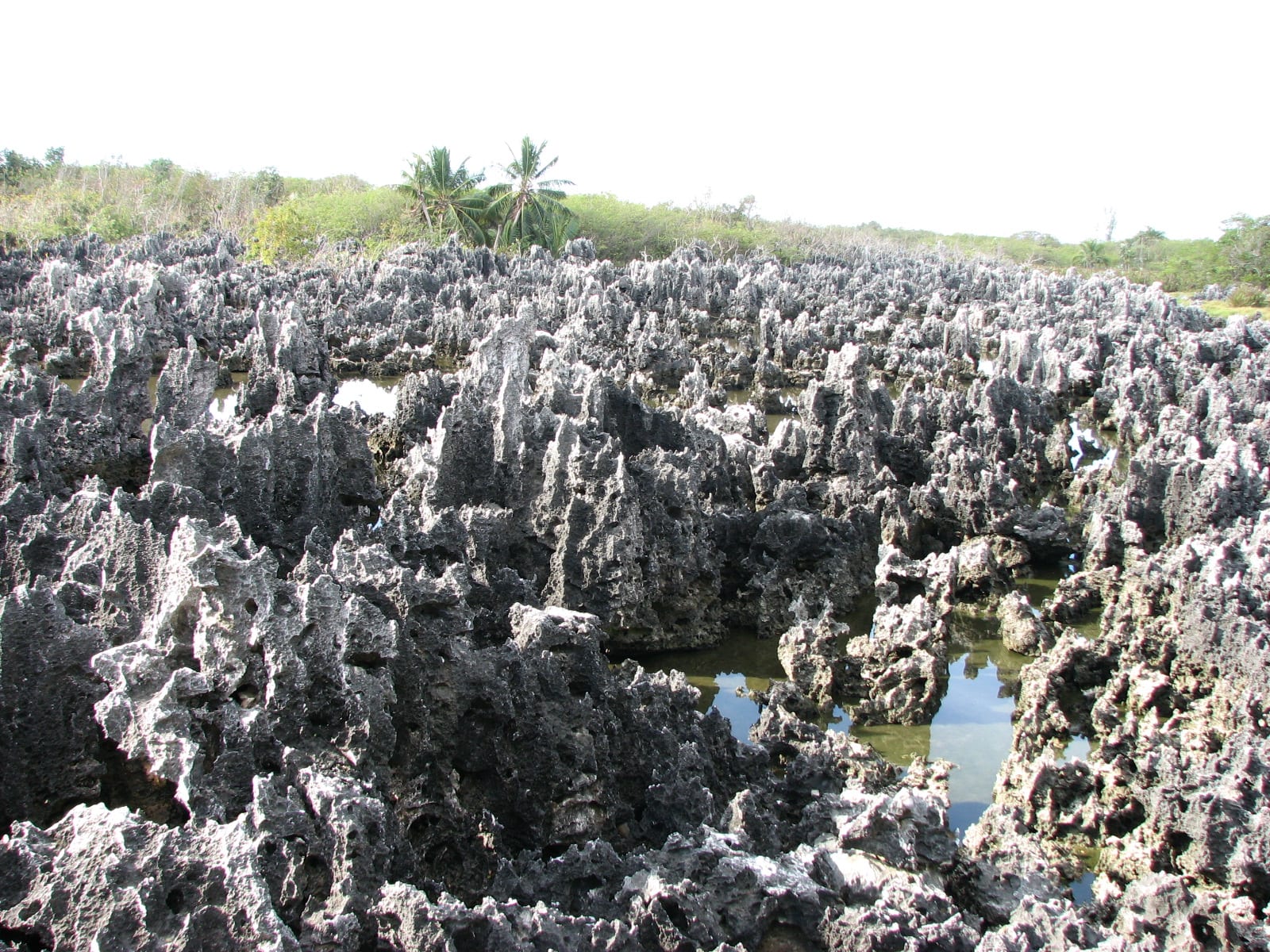
In West Bay stands a small formation of short, black, spiky ironshore limestone, roughly half the size of a football field, that someone long ago dubbed "Hell". The name stuck, and the site is now a tiny tourist stop: a viewing platform over the rocks, a gift shop, and a post office that will stamp postcards "from Hell". A costumed "Satan" has long greeted visitors.
It takes ten minutes and is pure kitsch, usually combined with the nearby turtle farm.
6. Pedro St James
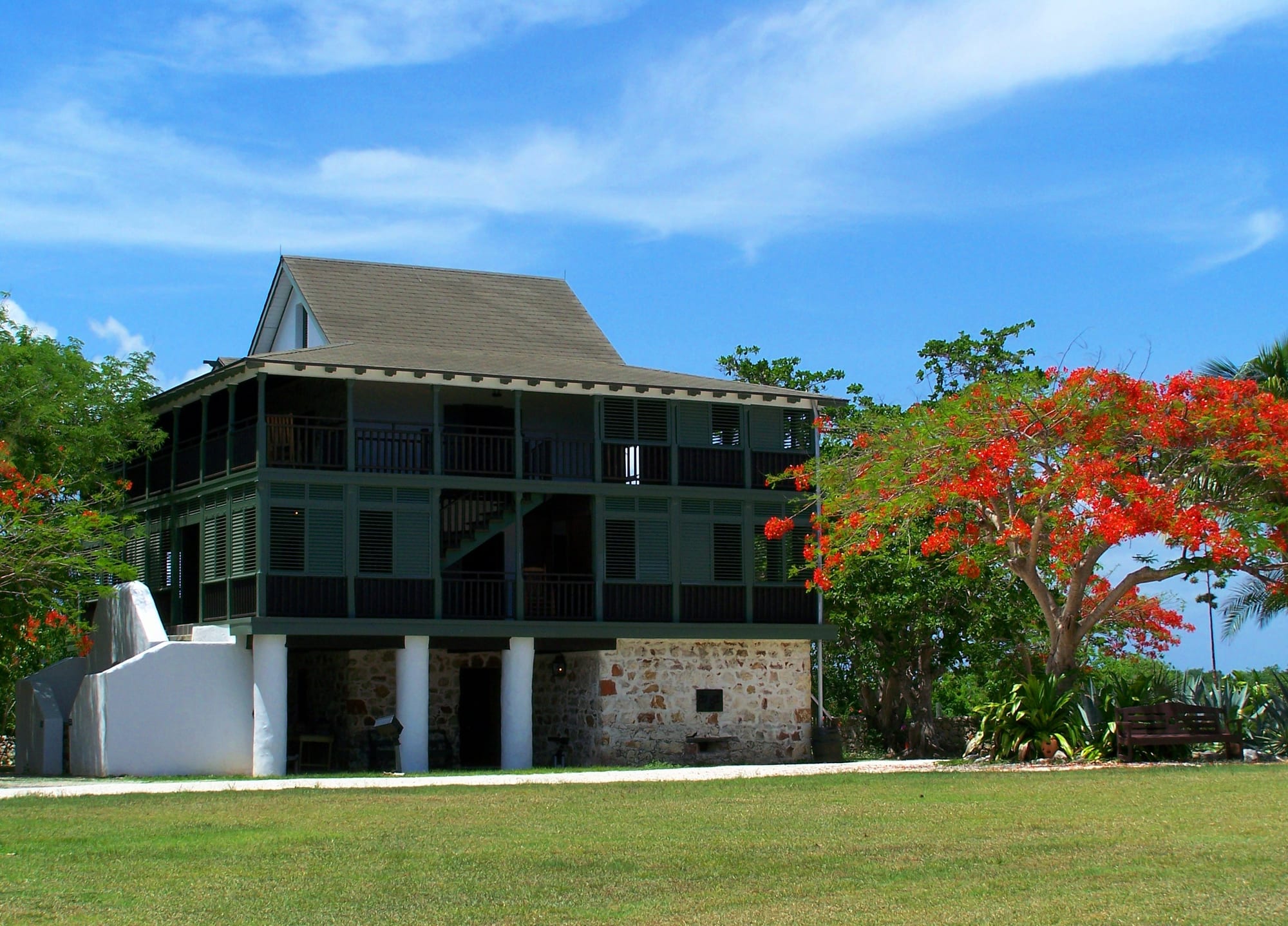
This stone great house on the south coast, built for the Englishman William Eden by enslaved labour in 1780, is the islands' oldest surviving stone structure and known locally as "Pedro's Castle". It was here in 1831 that a meeting decided to form the first elected assembly, and in 1835 that the proclamation ending slavery in the Caymans was read out — which makes it the island's main heritage site.
The government restored it to its 18th-century appearance in the 1990s, and it now has a multimedia theatre show and clifftop grounds.
7. George Town
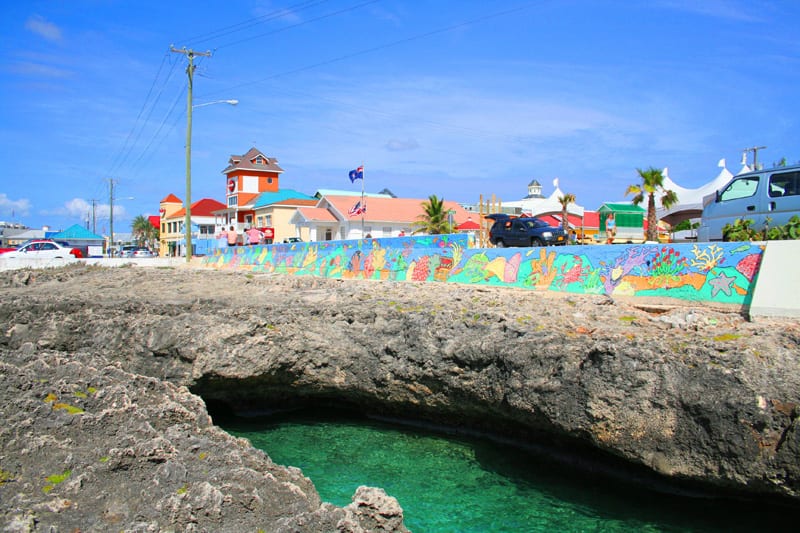
George Town is a compact, tidy capital that fills up when cruise ships anchor offshore and tender their passengers ashore. Its sights are low-key: the National Museum in the Old Courts Building, the small National Gallery, a few colonial-era buildings, and duty-free shops. Just off the harbour, two shipwrecks — the Cali and the Balboa — lie in shallow water; diving or snorkelling them now needs permission from the Port Authority.
8. Cayman Brac and Little Cayman
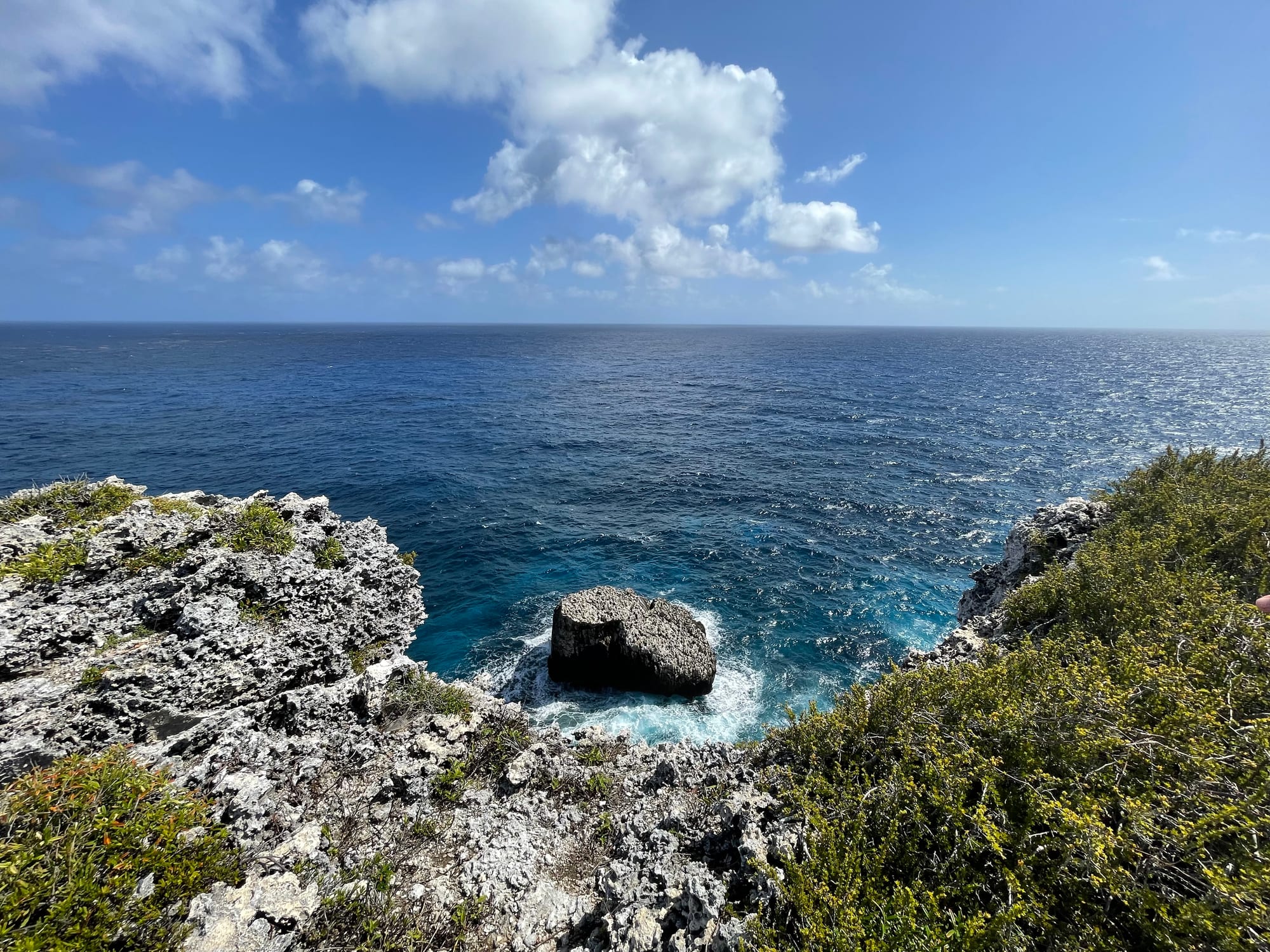
The Sister Islands are the quiet Caymans. Cayman Brac is defined by "the Bluff", a limestone ridge rising to 141 feet at the island's eastern end, riddled with caves and developed for rock climbing. Little Cayman, with around 160 residents, is even sleepier — a place of rock iguanas on the road and the largest red-footed booby population in the Caribbean at Booby Pond.
Both exist mostly for divers: Bloody Bay Wall off Little Cayman, where the reef drops from about 20 feet almost vertically into the deep, is regularly rated one of the best wall dives in the world.
The Cayman Islands are an easy, comfortable trip — a week on Grand Cayman for the beach, the stingrays, and the eastern districts, with a few days on Little Cayman or Cayman Brac if diving is the point.