Food · Cayman Islands
Cayman Islands: Food and the National Dish
A turtle stew tradition now supplied by a turtle farm that is the only facility of its kind in the world, a dense cassava cake that is the official national dessert, and a Jamaican-influenced Caribbean table
By Worldlore Editorial · 30 September 2026
An island economy that grew up on the sea
The Cayman Islands take their name from caiman, the Taíno word for crocodile, but it was sea turtles that shaped the islands' early economy — sailors and settlers relied on them for meat for centuries before Cayman became the offshore financial centre and dive-tourism destination it is today. Close ties to Jamaica, which governed the islands as a dependency until 1962, have also given Cayman food a strong Jamaican accent alongside its own specific traditions.
The national dish: turtle stew
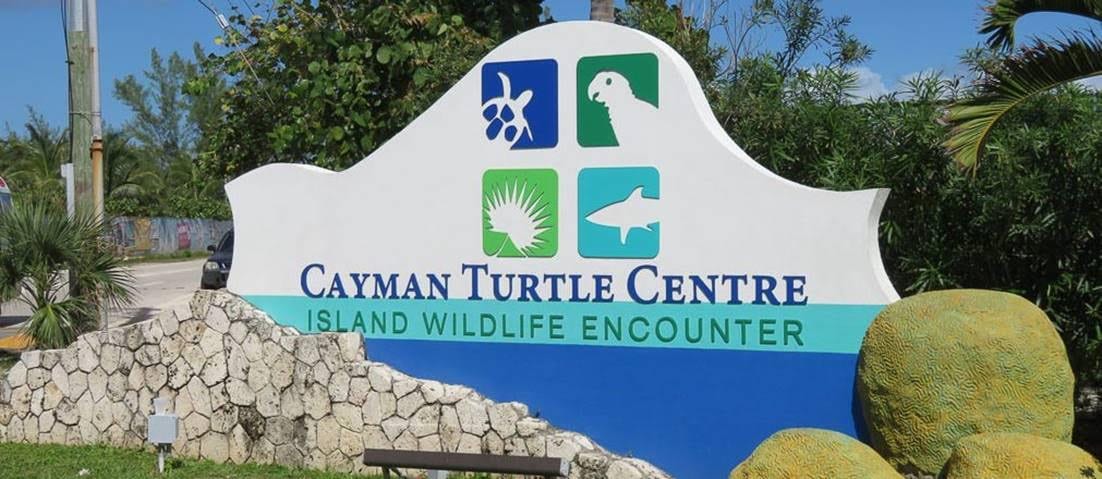
Turtle stew — meat simmered with tomato, onion and peppers into a rich, dark stew — is Cayman's officially recognised national dish, tied directly to the islands' turtling history. Because wild sea turtles are now internationally protected and endangered, the meat used today comes from the Cayman Turtle Centre, a farm and conservation facility described as the only one of its kind in the world. The farm is intended to let the traditional dish continue without drawing on wild, threatened populations, though animal welfare and conservation groups have criticised its breeding of turtles for food; the centre itself, part conservation programme and part working farm, is also a visitor attraction in its own right.
Dishes to know
Five more to recognise in the Cayman Islands:
- Conch — marinated, served in salads, stewed or made into a creamy
chowder, long a Caymanian staple.
- Fish rundown — fish cooked down slowly in a reduced coconut milk sauce, a
dish shared closely with Jamaica.
- Heavy cake — a dense, moist cake made from cassava or other provisions
such as yam or breadfruit with coconut milk and brown sugar, the official national dessert, made for Christmas and other celebrations.
- Jamaican-style patties — flaky, curry-spiced pastries filled with
seasoned meat, reflecting Cayman's close historical ties to Jamaica.
- Tortuga rum cake — a rich, rum-soaked cake made by the Tortuga Rum
Company, founded on Grand Cayman and now one of the islands' best-known food exports.
Eating as a traveller
Seafood — conch, snapper, mahi-mahi — is fresh and generally excellent. Vegetarians can rely on rice and peas, cassava-based sides and vegetable dishes, though most main courses lean on meat or fish. Tap water is generally considered safe to drink. The Cayman Islands are among the more expensive places to eat in the Caribbean, reflecting the territory's high cost of living and its reliance on imported goods for most food beyond local seafood.
What to take from the table
Turtle stew, made with meat from a regulated farm rather than a wild catch, is the dish that tells Cayman's own particular story — and the Jamaican patties and heavy cake alongside it show how much of everyday Caymanian eating actually looks toward its nearest big neighbour.