Attractions & Natural Wonders · Democratic Republic of the Congo
The Democratic Republic of the Congo: Ten Attractions and Natural Wonders
One of the world's greatest lava lakes, mountain gorillas in a park its rangers have died defending, an antelope-striped "forest giraffe" found nowhere else on Earth, and the deepest river on the planet — against a backdrop of chronic conflict
By Globeway Editorial · 30 September 2026
A note before anything else
The Democratic Republic of the Congo is a country the size of Western Europe with extraordinary natural riches and a long history of violence. The east — where almost all the wildlife destinations are — has been fought over by dozens of armed groups for three decades; the conflict flared badly again in 2024–25, and Goma, the gateway city, has changed hands. Western governments advise against all travel to the east and much of the rest of the country. Virunga National Park itself has been repeatedly closed to visitors, and some 200 of its rangers have been killed on duty.
This article is a record of what is there, for a calmer future. The ten below are the DRC's notable sights; whether any is reachable at a given moment depends entirely on the current situation, which must be checked with specialists.
1. Mount Nyiragongo
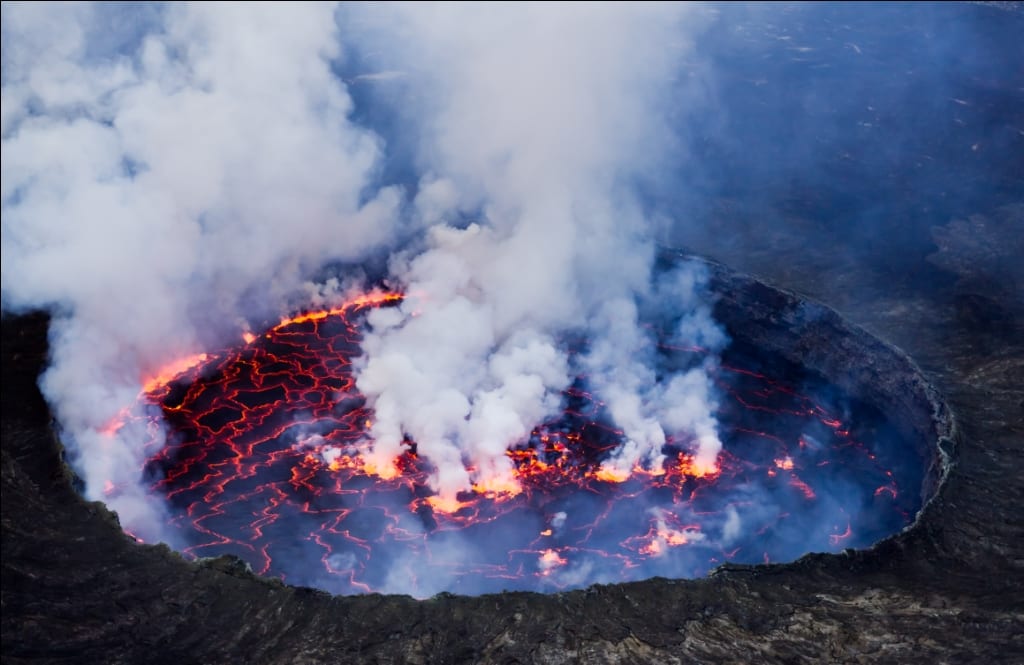
Nyiragongo, a 3,470-metre stratovolcano just north of Goma, holds a churning lava lake in its summit crater — at times the most voluminous lava lake known. When it drains through fissures the lava moves fast: the lake emptied in under an hour in 1977, lava ran through Goma in 2002, when about 245 people died, and in 2021 a flow reached the city's outskirts.
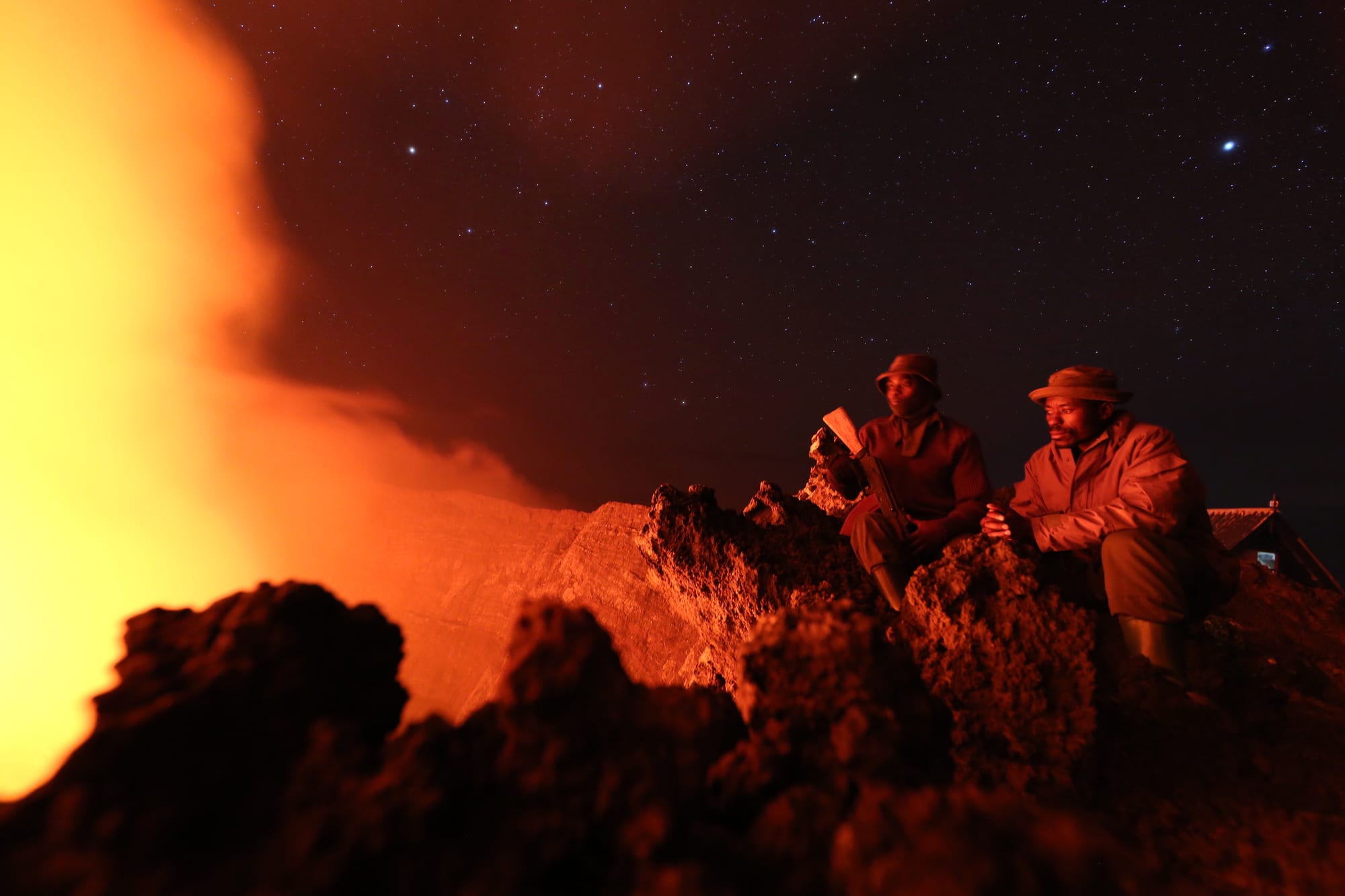
In the years the park was open, a strenuous day's climb led to overnight shelters on the rim, with the lava glowing red below all night — one of the great volcano experiences anywhere.
2. Virunga's mountain gorillas
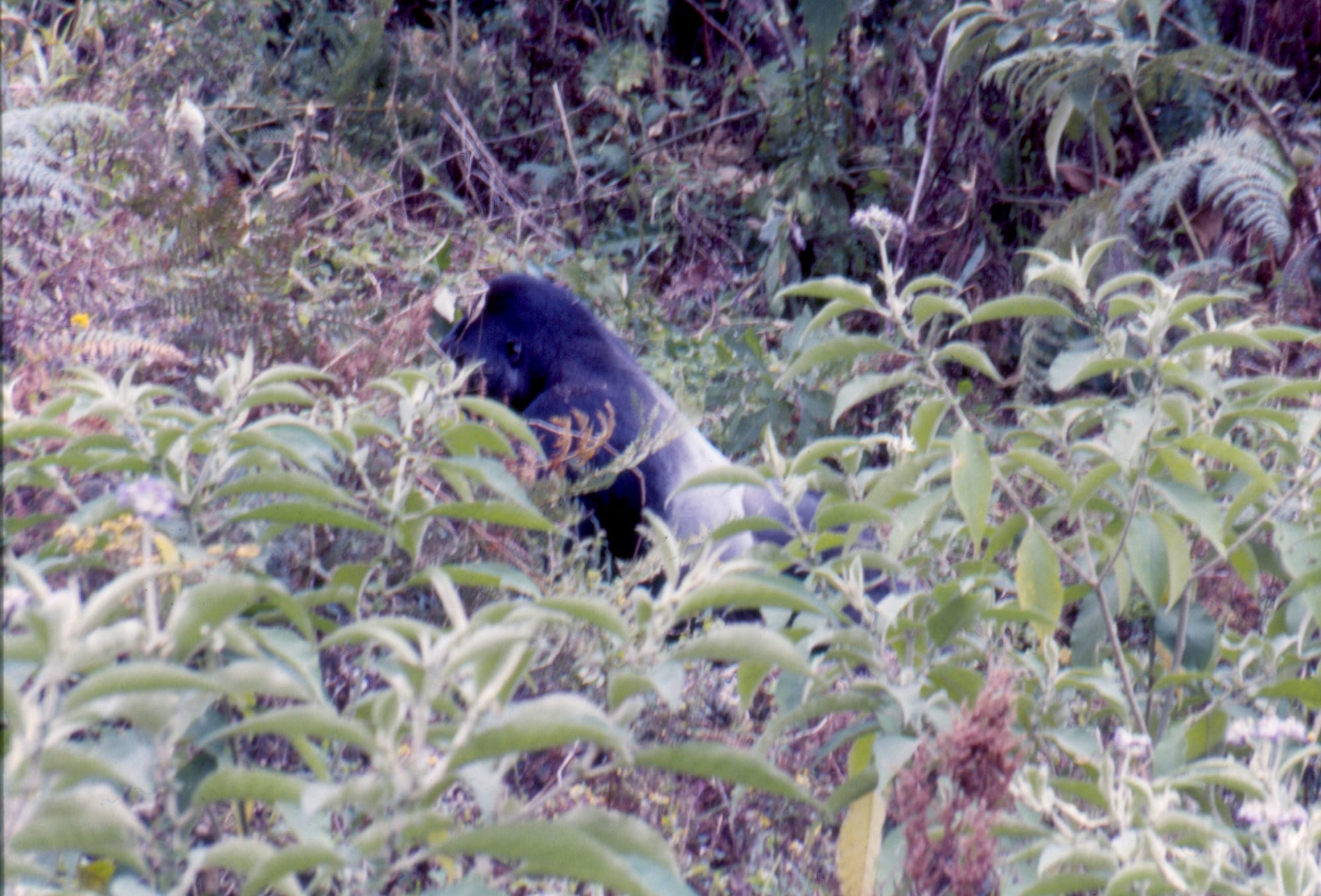
Virunga, the Congo's first national park (1925) and a UNESCO World Heritage Site (on the danger list since 1994), protects the Congolese slopes of the Virunga volcanoes, where several habituated groups of mountain gorillas live. Trekking to them, from the Bukima or Rumangabo sectors, was the park's flagship activity when open — cheaper and less crowded than the equivalent in Rwanda or Uganda.
The park is also home to elephants, chimpanzees, okapi in its lowland sector, and hippos in the Rutshuru river, and it has pioneered hydro-power schemes to give local communities an alternative to charcoal from the forest.
3. Kahuzi-Biega National Park
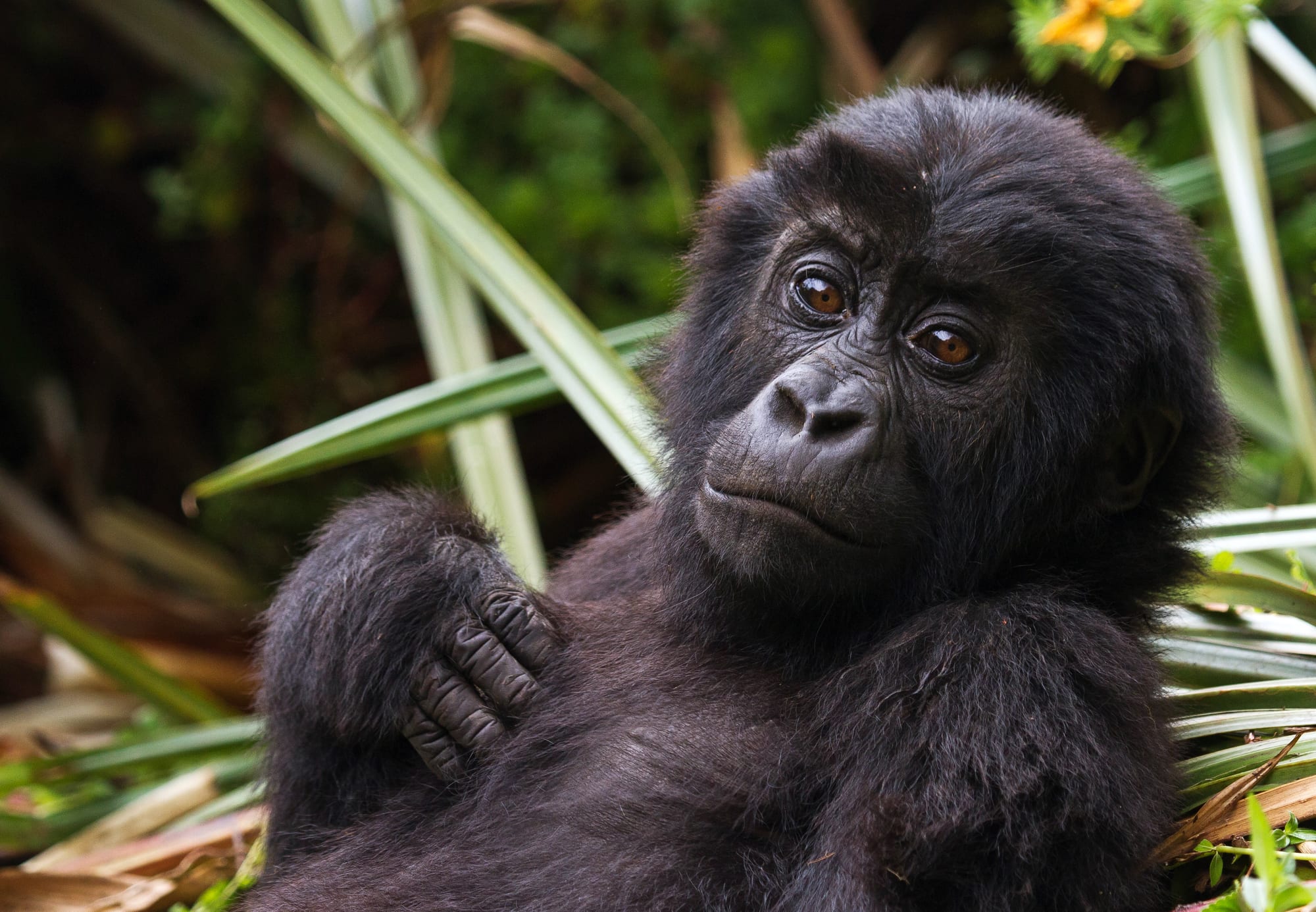
Kahuzi-Biega, near Bukavu at the southern end of Lake Kivu, is a UNESCO World Heritage Site (on the danger list since 1997) and a key refuge of Grauer's gorilla, the eastern lowland gorilla — the largest of the four gorilla subspecies, and one that has declined catastrophically due to hunting and mining for the mineral coltan. Habituated groups here have been visitable when security allowed.
The park spans a huge altitude range, from bamboo forest around the two volcanoes that name it down to Congo Basin rainforest.
4. Lola ya Bonobo
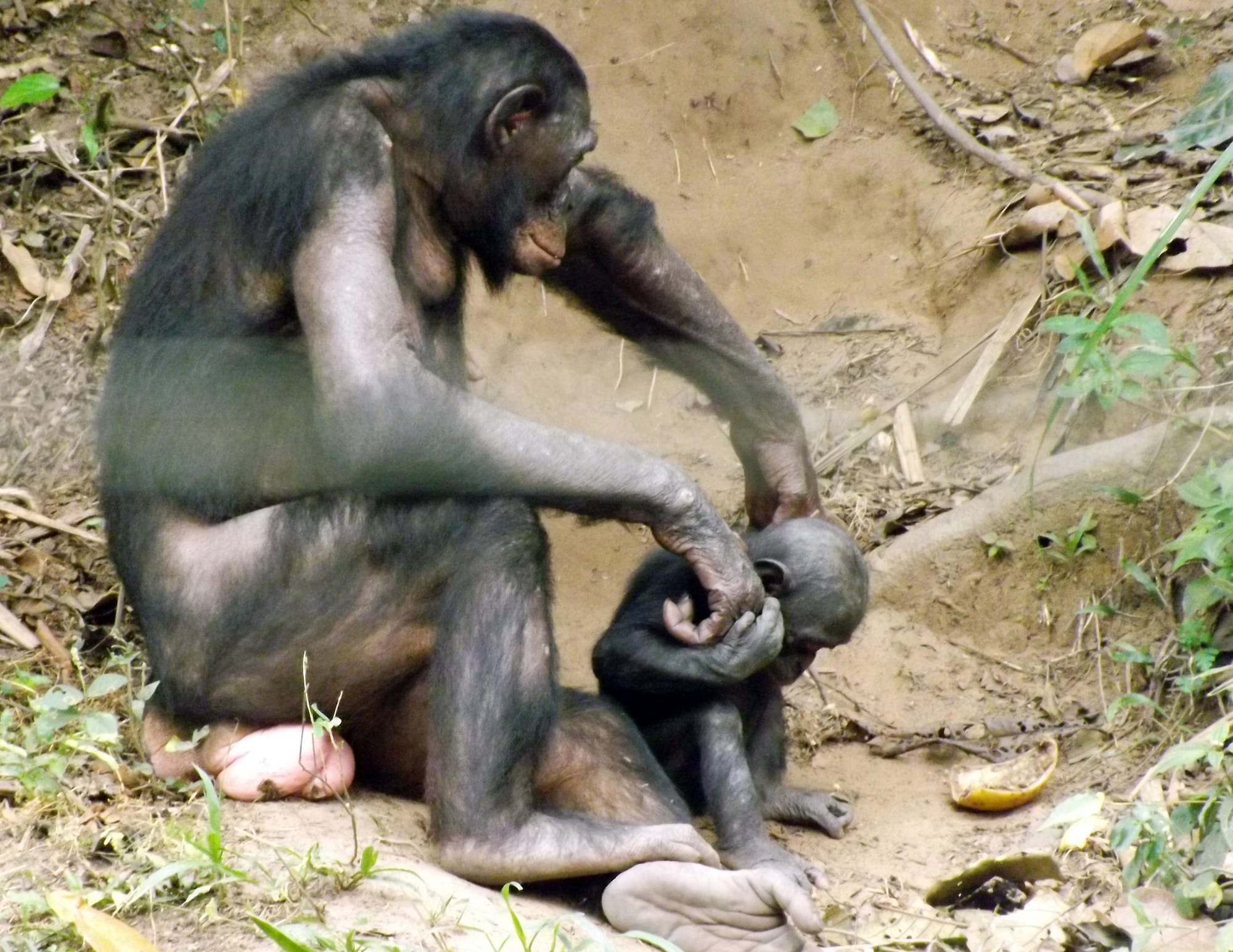
The bonobo — the "left-bank chimpanzee", found only south of the Congo River, and famous for its peaceable, matriarchal society — is one of the DRC's flagship species. Lola ya Bonobo, on the outskirts of Kinshasa, is the world's only sanctuary for orphaned bonobos, most rescued from the bushmeat and pet trades, and it runs a release programme into a protected forest in the interior.
It is the DRC wildlife experience most travellers can actually reach, being a short drive from the capital and away from the conflict zones.
5. The Congo River and Kinshasa
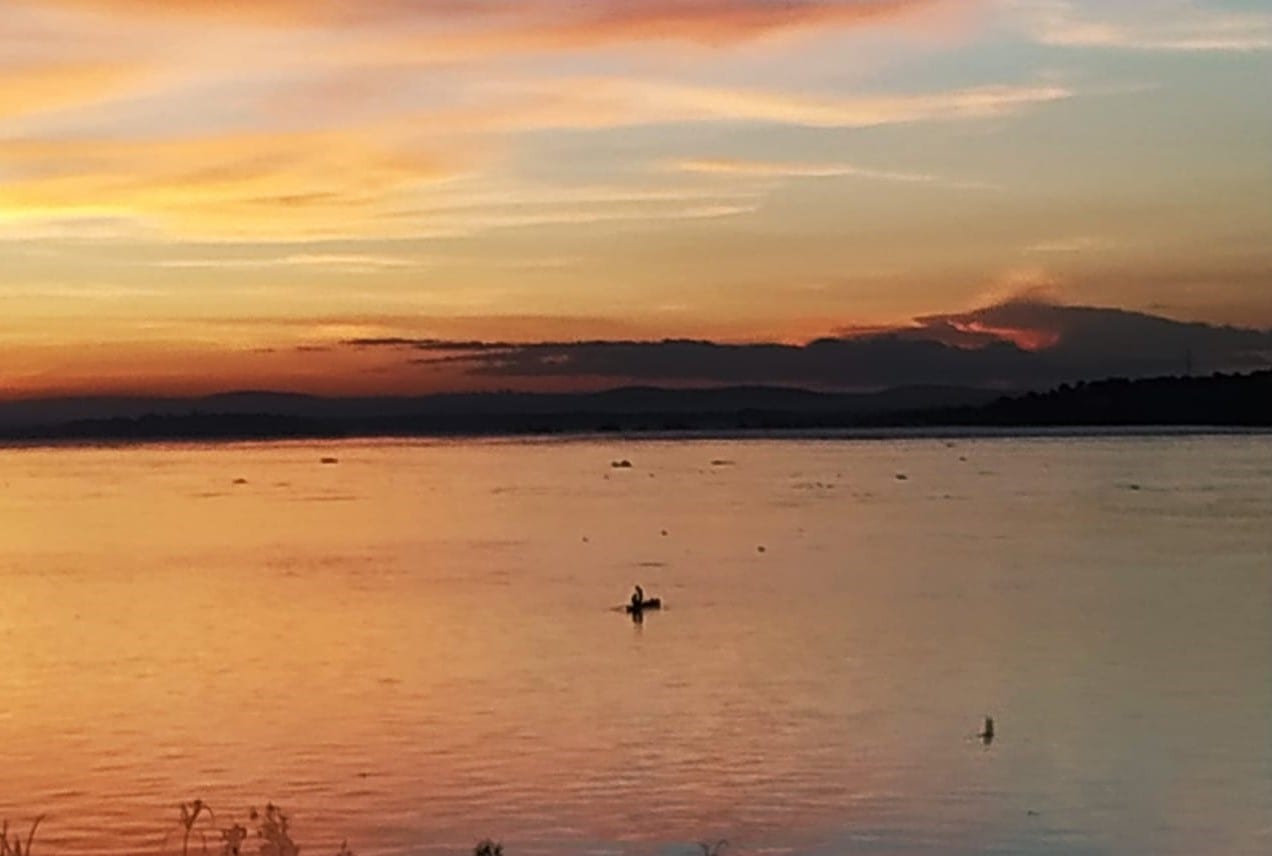
The Congo is the defining feature of the country — 4,700 kilometres long, draining a basin second only to the Amazon, and navigable along much of its middle course, where riverboats lashed with barges and floating markets take weeks to travel between Kinshasa and Kisangani. At Kinshasa the river widens into the lake-like Pool Malebo, then plunges through the Livingstone Falls rapids toward the Atlantic.
Kinshasa itself, one of the largest cities in Africa, is a sprawling, energetic place best known for its music (Congolese rumba and soukous) and its street style (the dandy sapeurs).
6. Lake Kivu
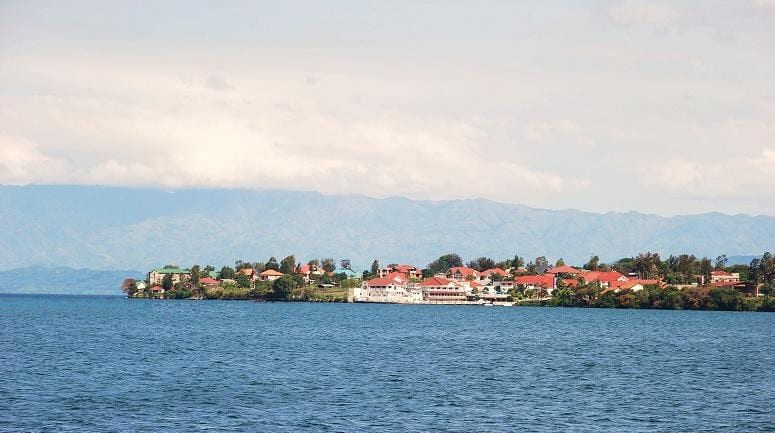
Lake Kivu, on the Rwandan border, is one of the African Great Lakes — a deep, island-dotted body of water in a dramatic setting between mountains, with the Virunga volcanoes at its northern end. The lakeshore towns of Goma and Bukavu, and Nyiragongo's lava flows have reached its northern shore.
Kivu is also one of three "exploding lakes" in the world, holding vast quantities of dissolved methane and carbon dioxide deep in its waters — a hazard and, increasingly, an energy resource extracted for power.
7. Zongo Falls
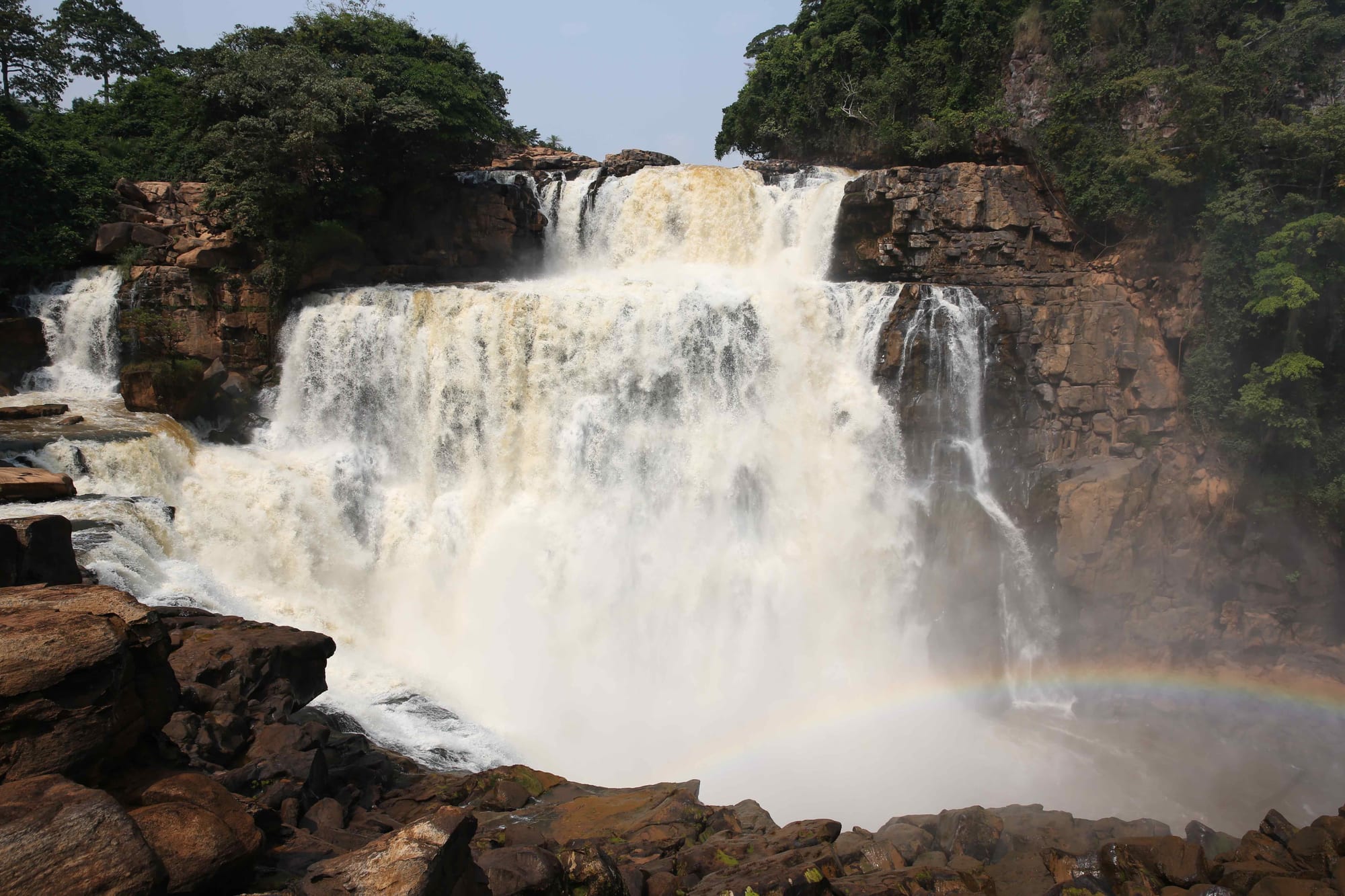
The Inkisi river drops around 65 metres over the Zongo Falls, a broad forest cascade a few hours' drive southwest of Kinshasa — one of the more accessible natural sights in the country, and the site of the Zongo hydroelectric station.
It stands in for the DRC's enormous, largely untapped hydrographic wealth: the Congo Basin holds an estimated 13 per cent of the world's hydropower potential, most of it undeveloped, on the same rivers that make overland travel so hard.
8. The Okapi Wildlife Reserve
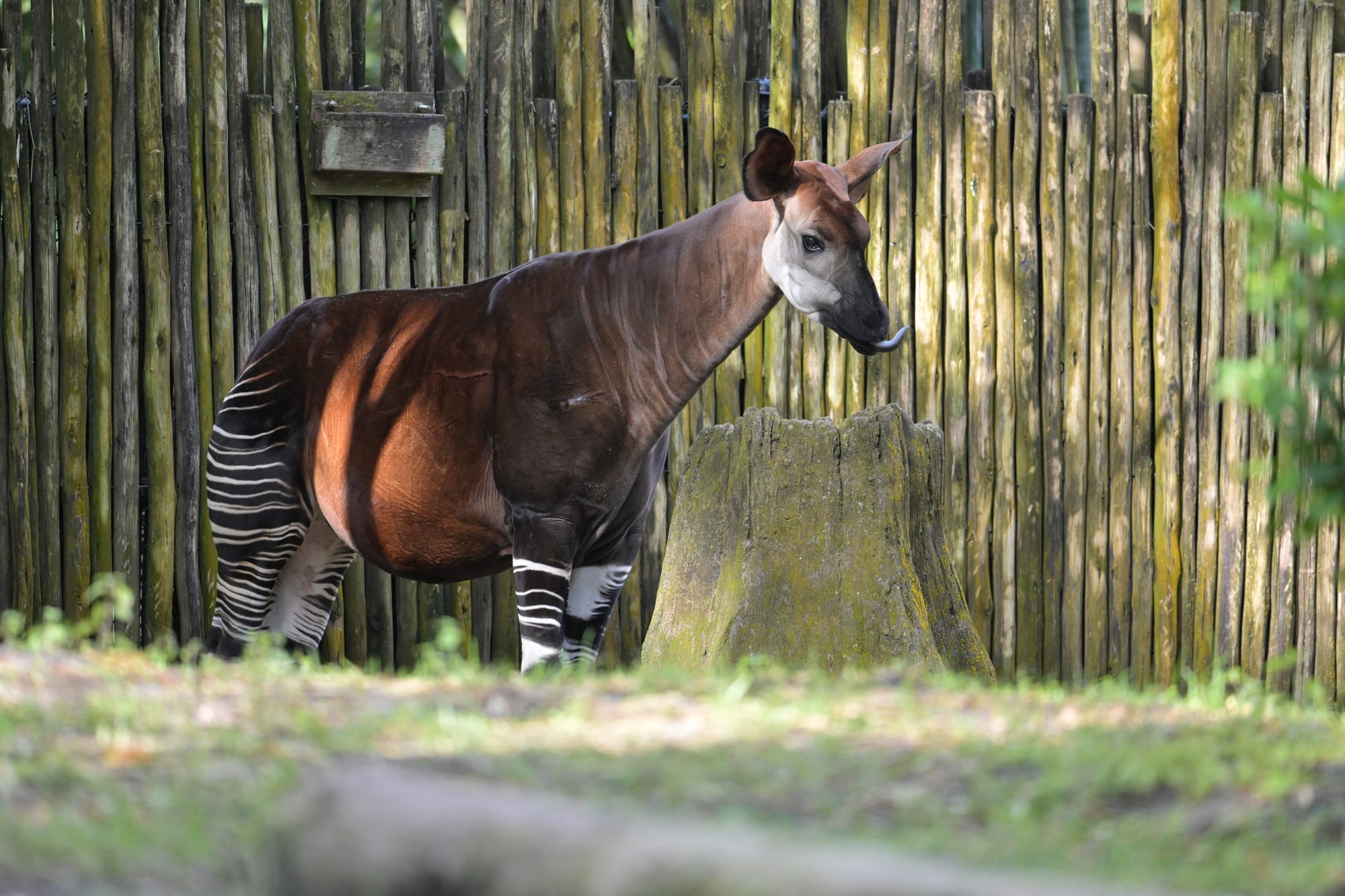
The okapi, striped like a zebra on its hindquarters but built like a small giraffe (its closest living relative), was unknown to Western science until 1901 and remains so elusive that it is rarely seen in the wild. The Okapi Wildlife Reserve, a UNESCO World Heritage Site (on the danger list since 1997) covering a fifth of the Ituri Forest in the northeast, protects the species alongside forest elephants, chimpanzees, and the Indigenous Mbuti people, who have lived in the forest for generations.
The reserve has repeatedly suffered attacks by armed poaching militias, including a 2012 raid on the Epulu station that killed six people, among them two rangers, and all 14 of its captive okapi; as of 2026 armed groups were reported inside the reserve — a stark illustration of how conflict and conservation collide here.
9. Garamba National Park
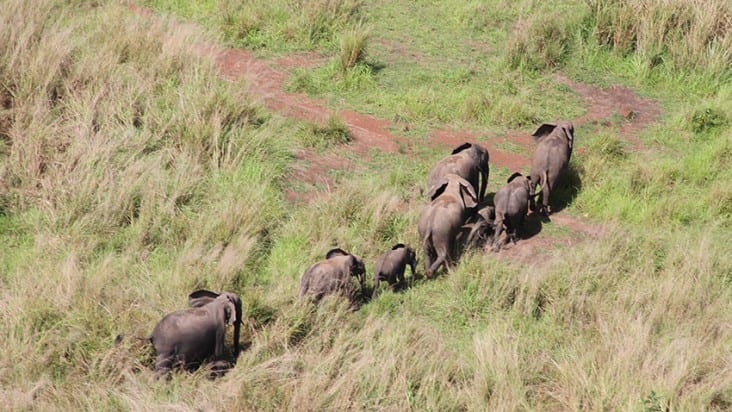
Garamba, one of Africa's oldest national parks, protects a rare stretch of open savanna in the northeastern DRC, near the border with South Sudan — a landscape more reminiscent of East Africa than the rainforest that dominates most of the country. It was once home to the last wild northern white rhinos on Earth, which have not been seen there since 2006, and its elephant population has been repeatedly targeted by armed groups, including cross-border militias, using the park's remoteness as cover.
A UNESCO World Heritage Site "in danger," Garamba remains one of the clearest examples of what sustained conservation effort is up against in this part of the country.
10. Boyoma Falls
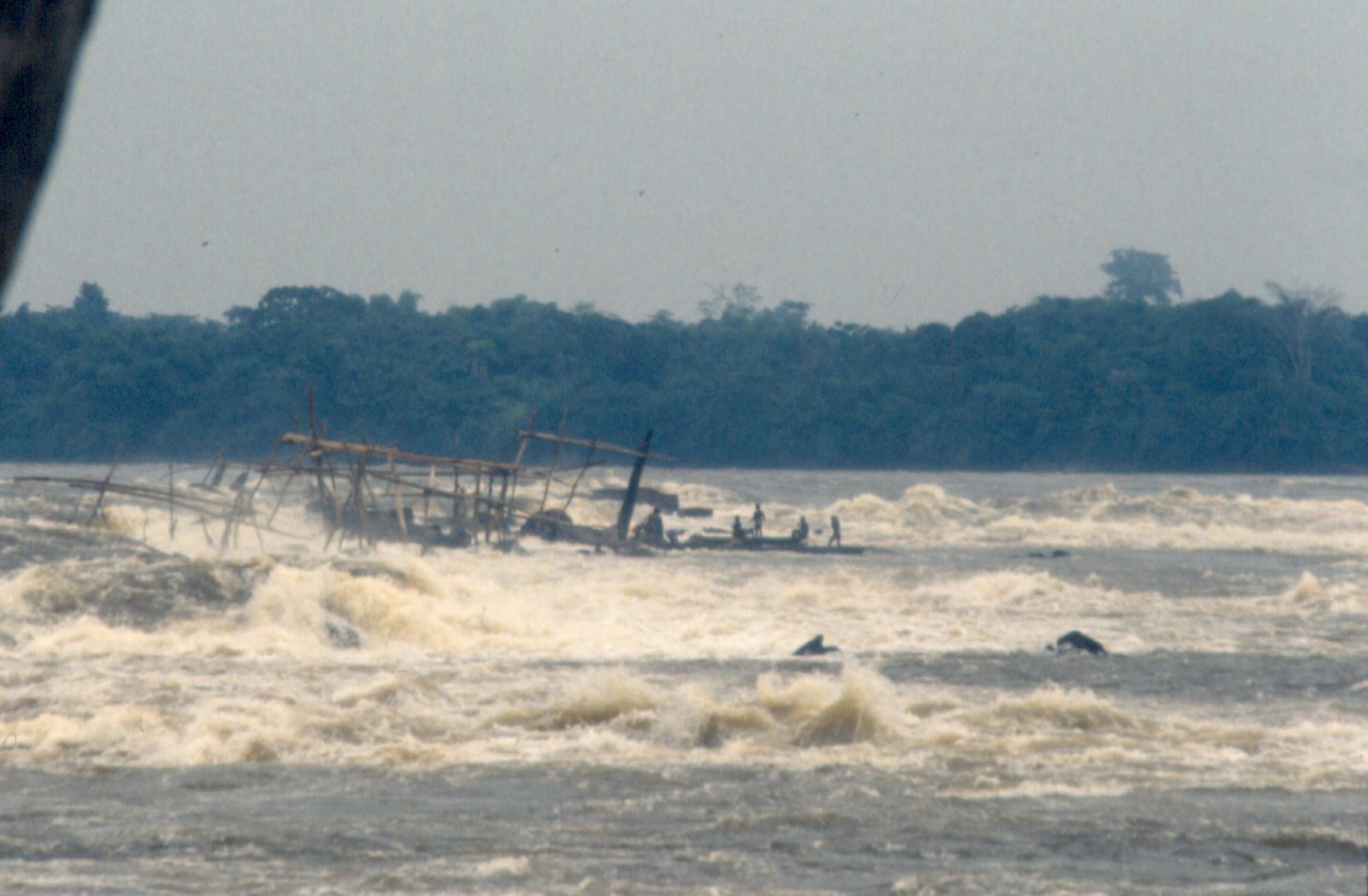
Boyoma Falls (formerly Stanley Falls), a series of seven cataracts spread over 100 kilometres of the upper Congo River near Kisangani, carries a greater volume of water than any other waterfall system in the world — the point below which the navigable middle Congo begins. Local fishermen work the rapids using an ingenious system of wooden platforms and basket traps suspended over the churning water, a technique practised here for generations.
Kisangani itself, deep in the rainforest and reachable mainly by river or air, stands at the head of the long river route down to Kinshasa.
The DRC holds some of the greatest wildlife spectacles left on the planet, in a setting of persistent conflict that has kept nearly all of it out of reach. This is a country to follow from a distance, and to revisit only when the security picture changes in a lasting way.