History · Democratic Republic of the Congo
DR Congo: The Heart of the Continent
Old savanna kingdoms, King Leopold's private atrocity, a mineral giant, Mobutu's kleptocracy, and Africa's deadliest war
By Globeway Editorial · 30 September 2026
A giant of forest and minerals
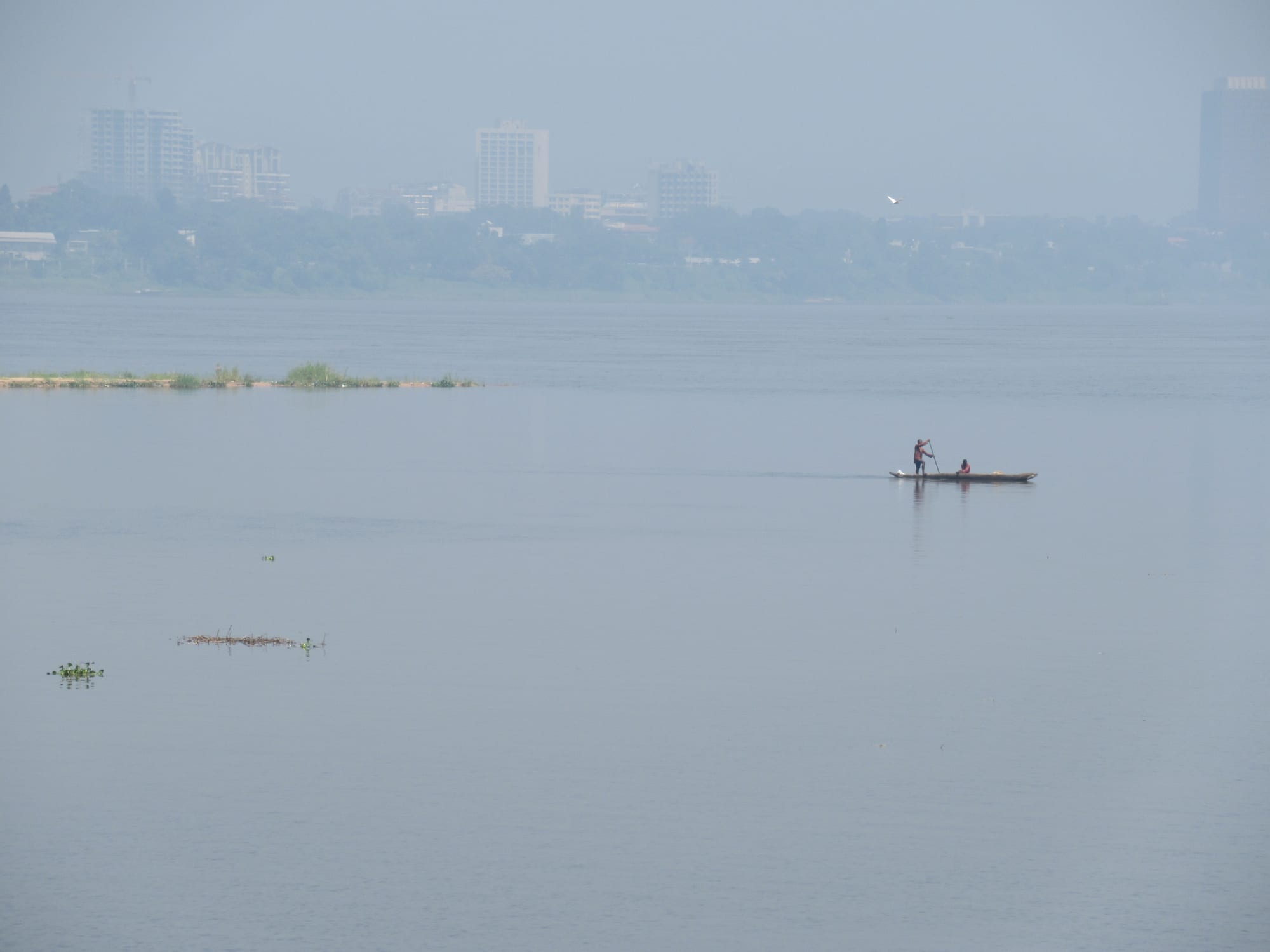
The Democratic Republic of the Congo is the largest country in sub-Saharan Africa and one of the most populous, straddling the equator around the Congo River and its rainforest — the second-largest on earth. Beneath it lies an extraordinary concentration of mineral wealth: most of the world's cobalt, plus copper, diamonds, gold, coltan and tin. And yet by income per head the Congo is among the poorest countries in the world. That gap — vast riches, extracted by outsiders, while the state and the people are left with nothing — has been the pattern since the 1880s.
A short history
- 14th–19th c.
Savanna kingdoms
Kongo, Luba, Lunda and Kuba build states in the south and along the rivers.
- 1885
The Congo Free State
King Leopold II secures the Congo as his private possession.
- 1890s–1908
Rubber terror
Forced rubber collection brings mass death; an international outcry forces Leopold out.
- 1908–1960
The Belgian Congo
A racially rigid colony run for Belgian mining companies.
- 30 June 1960
Independence
Belgium hands over power with almost no preparation.
- January 1961
Lumumba murdered
The first prime minister is executed in Katanga; Belgium later admits moral responsibility.
- 1965–1997
Mobutu's Zaire
A 32-year dictatorship and one of history's great kleptocracies.
- 1996–2003
The Congo Wars
Two wars drawing in nine countries; millions die.
- 2019
First peaceful transfer
Félix Tshisekedi succeeds Joseph Kabila.
Kingdoms of the basin
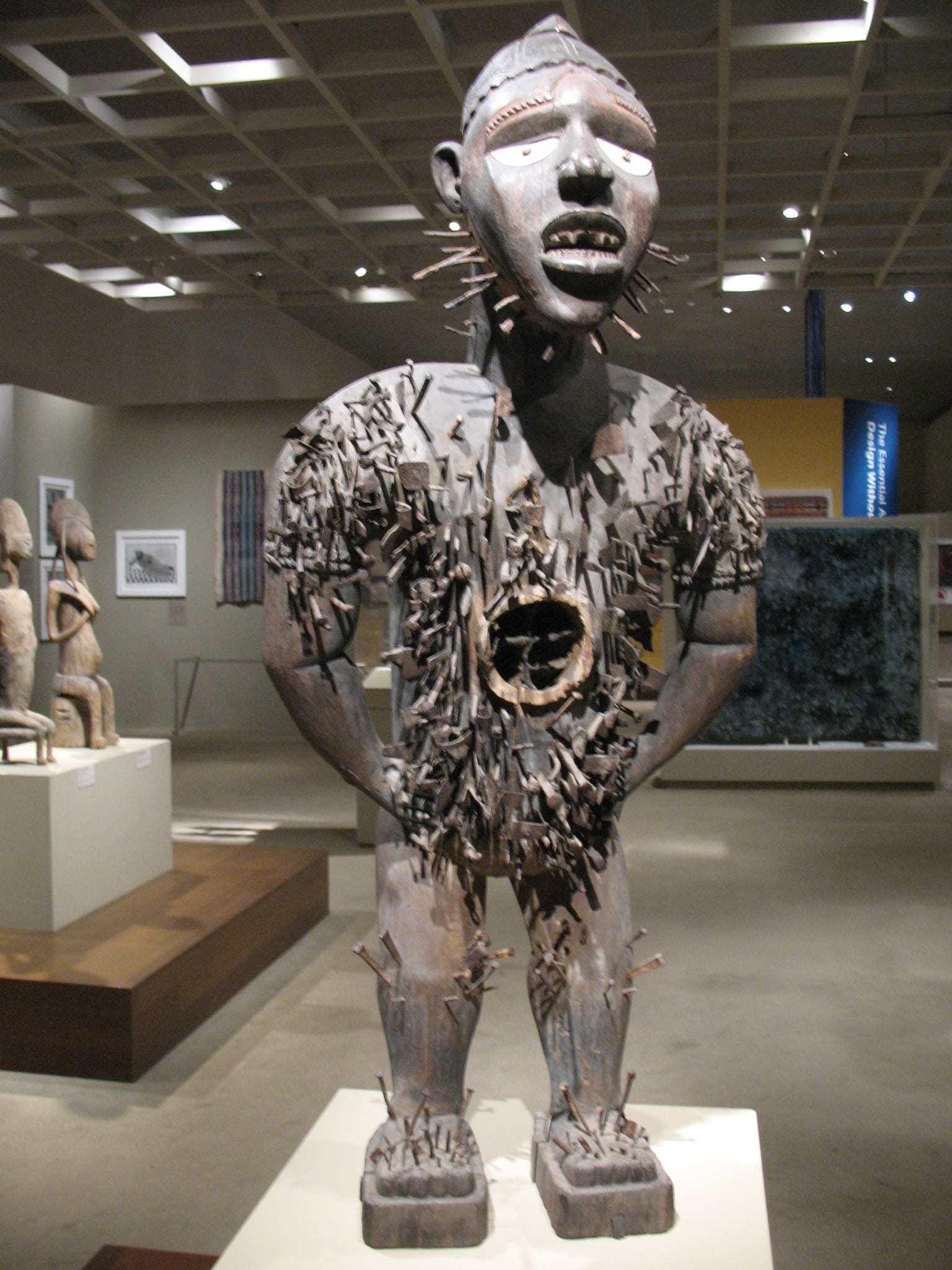
Bantu-speaking farmers spread across the Congo basin over some two thousand years, and states formed especially in the southern savanna and along the rivers: the Kingdom of Kongo in the west, Christianised from 1491 and then distorted by the slave trade; the Luba kingdom in the Katanga region, whose model of sacred kingship influenced much of Central Africa; the far-flung Lunda; and the Kuba, famous for their art and elaborate court. In the 19th century the eastern Congo was raided and partly ruled by Swahili-Arab ivory and slave traders from Zanzibar.
Leopold's Congo
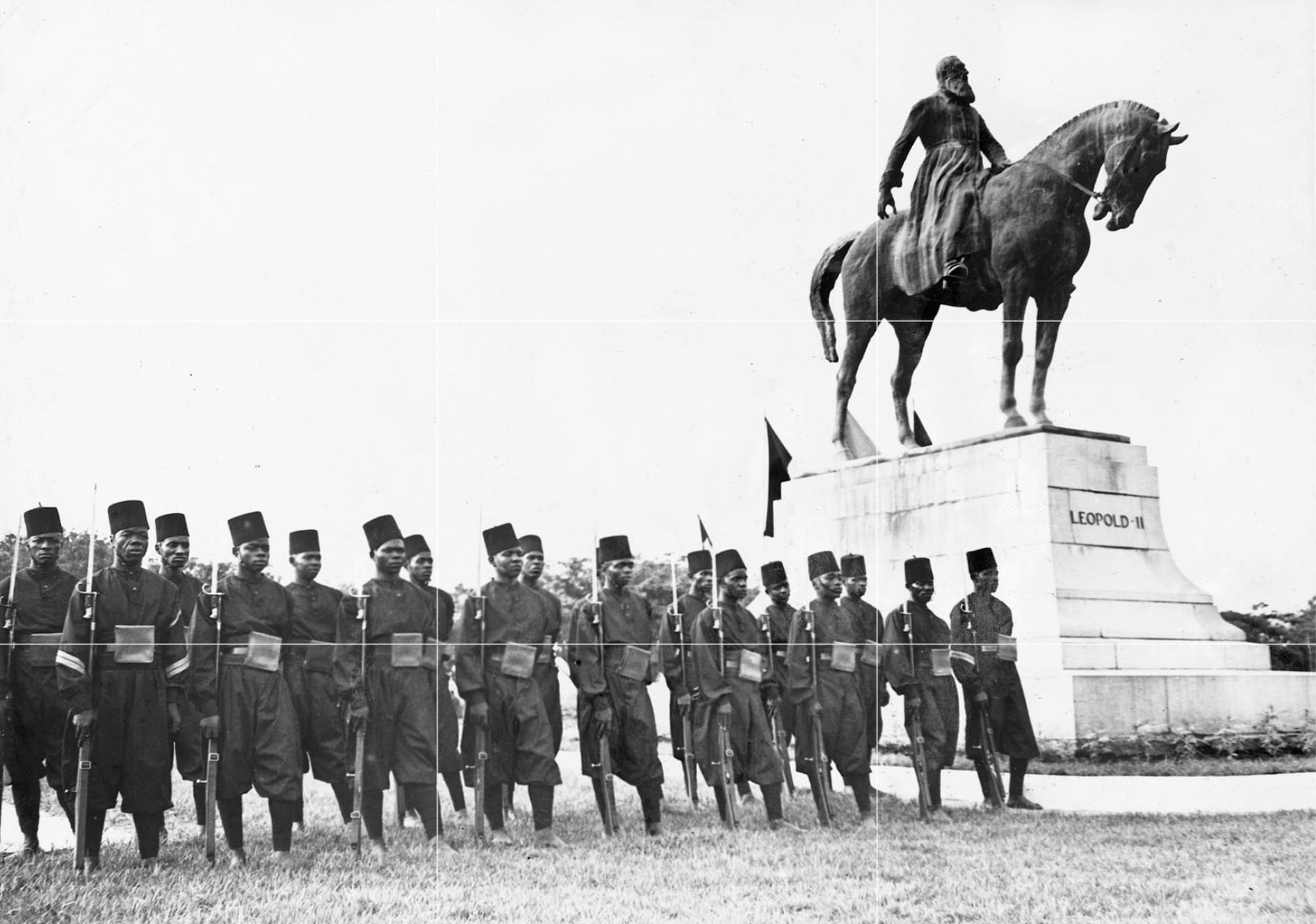
Henry Morton Stanley's journeys down the river in the 1870s opened the basin to Europe. King Leopold II of the Belgians, blocked from acquiring a colony for Belgium, secured personal sovereignty over a vast territory covering today's Congo — recognised by the Berlin Conference in 1885 — under the cover story of a philanthropic, anti-slavery "Congo Free State", which he ruled as his private property.
It was a machine for extraction by terror. As the bicycle and the motor car created a world rubber boom, villages were set impossible quotas of wild rubber, enforced by an African conscript army under European officers through hostage- taking, village burning, the hippo-hide whip, and the cutting off of hands. Combined with epidemic disease, famine and falling birth rates, this brought a sharp fall in the Congo's population; modern estimates of the decline range from 1.2 million to 10 million people, and its scale is still debated by historians. The exposure of it, by missionaries, a British consul and campaigners like E. D. Morel, was one of the first great international human-rights movements, and in 1908 it forced Leopold to sell the Congo to the Belgian state.
The Belgian Congo
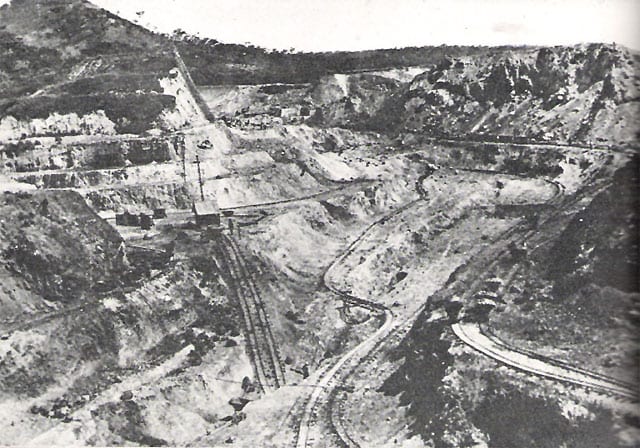
Belgian state rule was less murderous than the Free State but still exploitative, racially rigid, and run for the profit of a handful of mining companies — Katanga copper, Kasai diamonds — alongside the administration and the Catholic Church, which ran the schools. Congolese were subjects with no political rights, and higher education was, deliberately, almost non-existent: at independence the country had only a handful of university graduates and virtually no African doctors, engineers or army officers. Its mineral wealth, meanwhile, was immense — Congolese uranium went into the first atomic bombs.
Independence and the Congo Crisis
Faced with riots and the wave of African independence, Belgium granted the Congo independence on 30 June 1960 with almost no preparation. Within days the army mutinied, Belgium sent troops back, and mineral-rich Katanga seceded with Belgian and mining-company backing. The prime minister, the pan-Africanist Patrice Lumumba, appealed to the UN and then to the Soviet Union, alarming the West. In September 1960 the army chief, Joseph-Désiré Mobutu, seized power in a coup; Lumumba was arrested, handed to the Katangan authorities, and executed in January 1961 alongside Belgian mercenaries. The CIA had earlier plotted to poison him, and in 2002 Belgium admitted "moral responsibility" for his death. He became a martyr across Africa.
The two men who defined the state
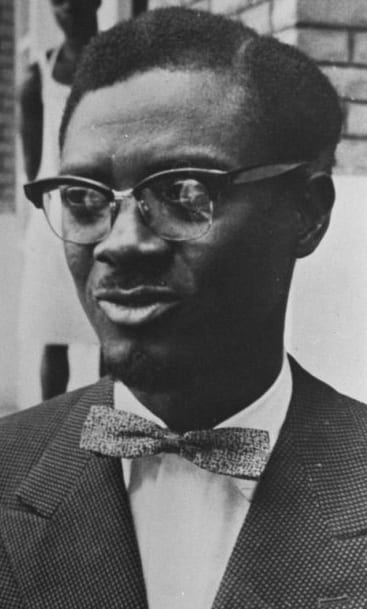
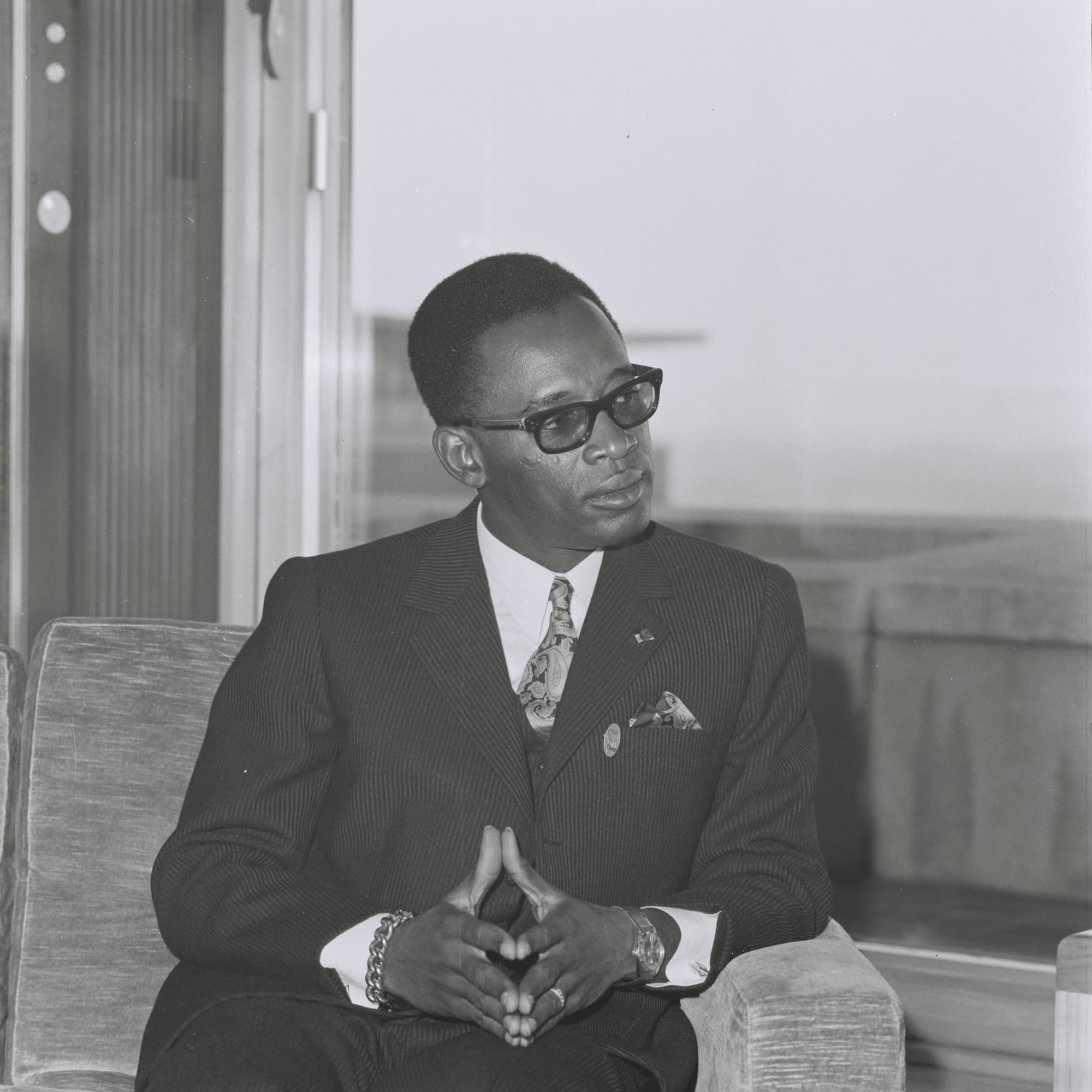
Mobutu's Zaire
Mobutu seized full power in 1965 and held it for 32 years. He built a one-party personality cult, renamed the country Zaire and himself Mobutu Sese Seko, launched an "authenticity" campaign, and seized foreign businesses to hand to cronies, wrecking the economy. As the West's anti-communist strongman in central Africa he received vast aid while presiding over one of the great kleptocracies of the century — estimates of his fortune run as high as five billion dollars — as roads, hospitals, schools and the state itself fell apart. By the 1990s the economy had collapsed and unpaid soldiers were financing themselves by looting the cities.
The Congo Wars
The 1994 Rwandan genocide spilled over the border when more than a million Hutu refugees, including the militias that had carried out the killing, flooded into eastern Zaire. In 1996 Rwanda and Uganda backed a Congolese rebellion under Laurent-Désiré Kabila that crossed the country in seven months; Mobutu, dying of cancer, fled in 1997, and Kabila renamed the country the Democratic Republic of the Congo. When Kabila turned on his sponsors, they backed a fresh rebellion in 1998 — but this time Angola, Zimbabwe and Namibia intervened for Kabila, and the Congo became the battlefield of a war involving nine African countries and dozens of militias, fought largely for the minerals of the east. Kabila was assassinated in 2001 and succeeded by his son Joseph, who moved toward peace; the war formally ended in 2003. Counting the deaths from disease and hunger as the state collapsed, a widely cited 2008 aid-agency report put the toll at 5.4 million, making it by that estimate the deadliest conflict since the Second World War.
The unending east
The eastern Congo has never been pacified. Scores of armed groups still operate in the Kivus and Ituri, sexual violence is used as a weapon on a mass scale, and in 2025 the M23 rebellion, which UN experts report is backed by Rwanda, advanced on Goma and Bukavu in the worst escalation in years, despite a US-mediated Congo–Rwanda peace agreement signed that June. Cobalt and copper from the south, much of it now Chinese-operated, make the country central to the global electronics and electric-vehicle supply chains.
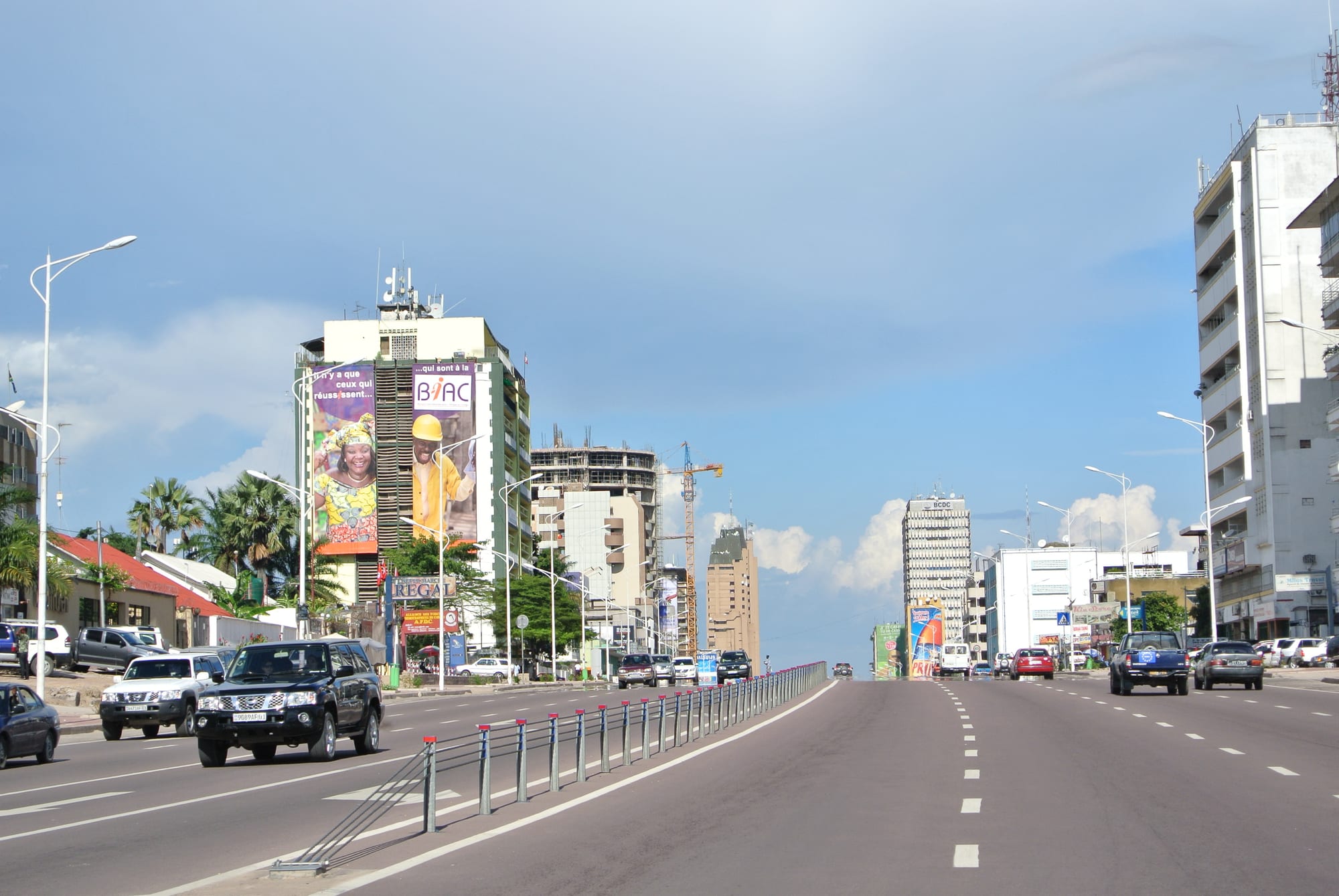
In 2019 the Congo saw its first peaceful transfer of power since independence, when Félix Tshisekedi succeeded Joseph Kabila — though the runner-up alleged vote rigging and Tshisekedi was accused of a deal with his predecessor. He was re-elected in 2023.
What the Congo carries
The through-line of the Congo's history since the 1880s has been constant: an extraordinary concentration of wealth beneath the ground, extracted by outsiders — Leopold, Belgian companies, Mobutu's foreign backers, neighbouring armies, and now global mining firms — while the Congolese state stays too weak to hold the country together and its people among the poorest on earth.