Attractions & Natural Wonders · Falkland Islands
The Falkland Islands: Six Attractions and Natural Wonders
A colony of king penguins on a windswept beach, black-browed albatrosses nesting by the thousand, and a tiny British capital nearly 8,000 miles from London
By Worldlore Editorial · 30 September 2026
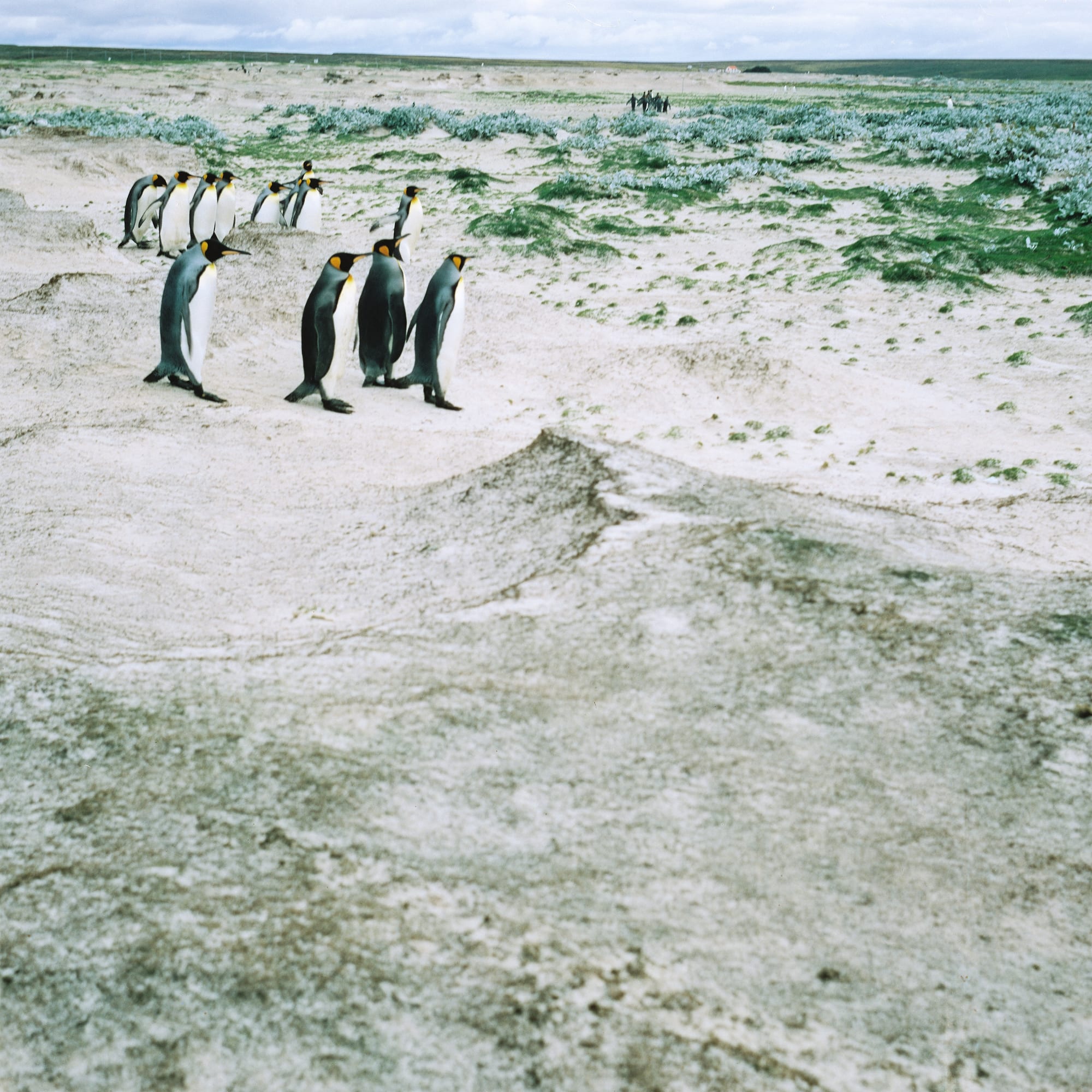
Wind, wildlife, and a contested flag
The Falkland Islands are a British Overseas Territory of about 3,600 people in the South Atlantic, roughly 300 miles east of southern Argentina — which disputes the sovereignty and briefly invaded in 1982, prompting a 74-day war. The landscape is treeless, windswept moorland and rocky coast; the draw is wildlife, especially seabirds and penguins, in enormous numbers and with little fear of people. Getting around means small aircraft (FIGAS) between grass airstrips, or 4x4 across the countryside, known as "camp".
The six below span East Falkland, the small offshore islands, and Stanley. Spring and summer, October to March, is the season, when the penguins and albatross are breeding.
1. Volunteer Point
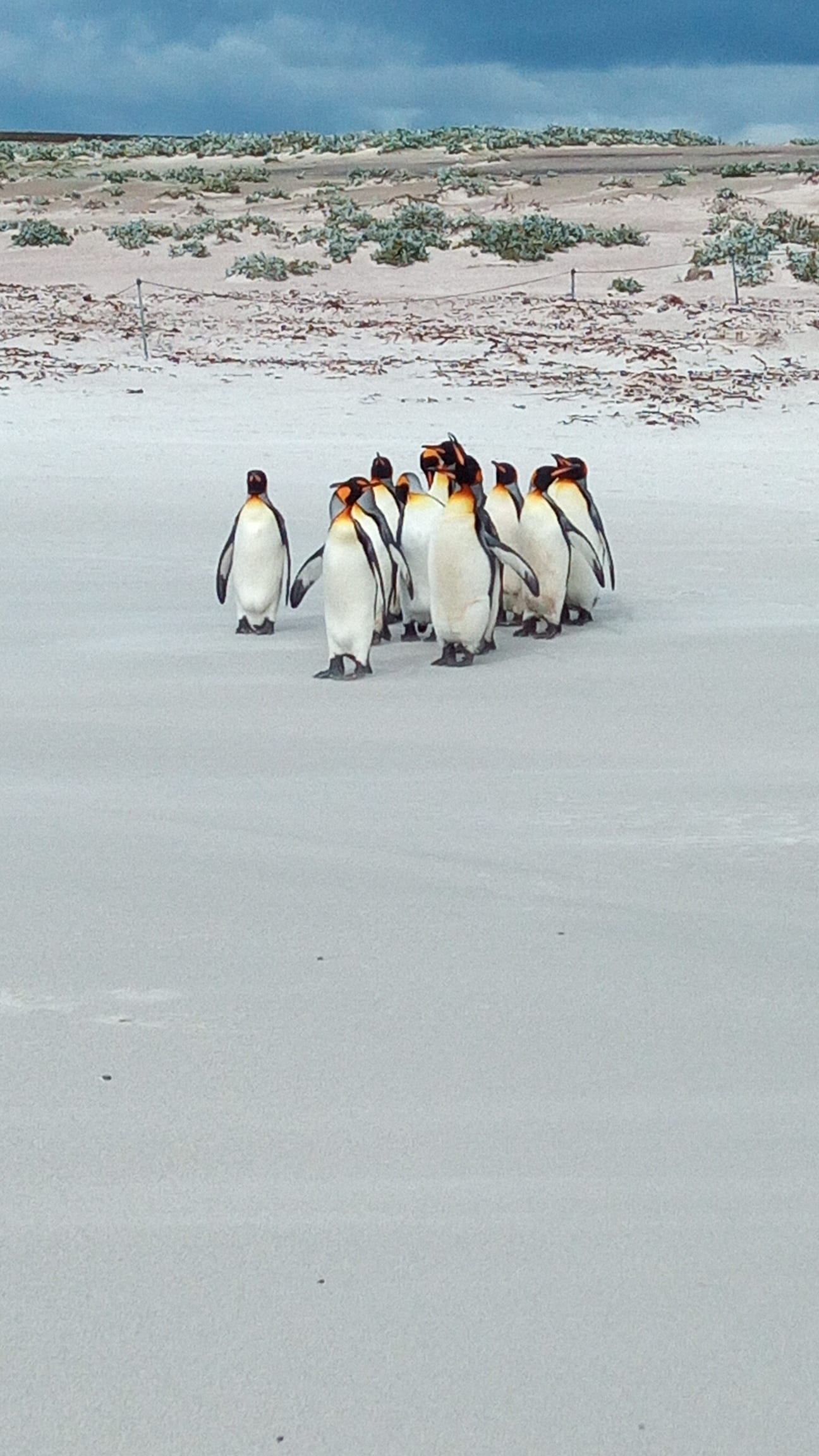
Volunteer Point, on a private farm on the east coast of East Falkland, has the islands' largest king penguin colony — a dense crowd of the metre-tall birds on the grass behind a white-sand beach, alongside gentoo and Magellanic penguins. Most visitors spend their time at the king penguin colony.
It is reached by a long, rough 4x4 drive from Stanley (about three hours each way over open ground), usually as a full-day guided trip.
2. Sea Lion Island
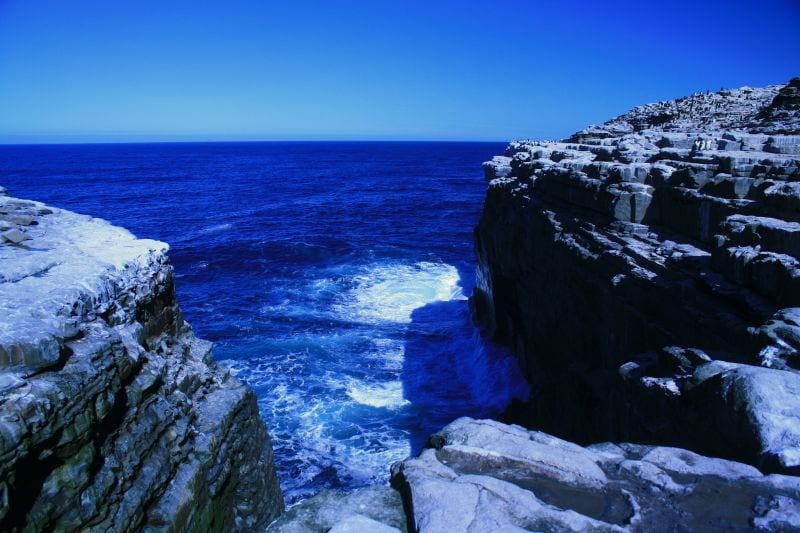
Sea Lion Island, about 3 square miles at the southern end of the group, packs in a remarkable density of wildlife: gentoo, rockhopper and Magellanic penguins, breeding southern elephant seals hauled out on the beaches, sea lions, giant petrels, and — offshore in season — orcas that come in close to hunt the seals. There is one small lodge, so numbers stay low.
It is a flight from Stanley, and a favourite of wildlife photographers.
3. Saunders Island
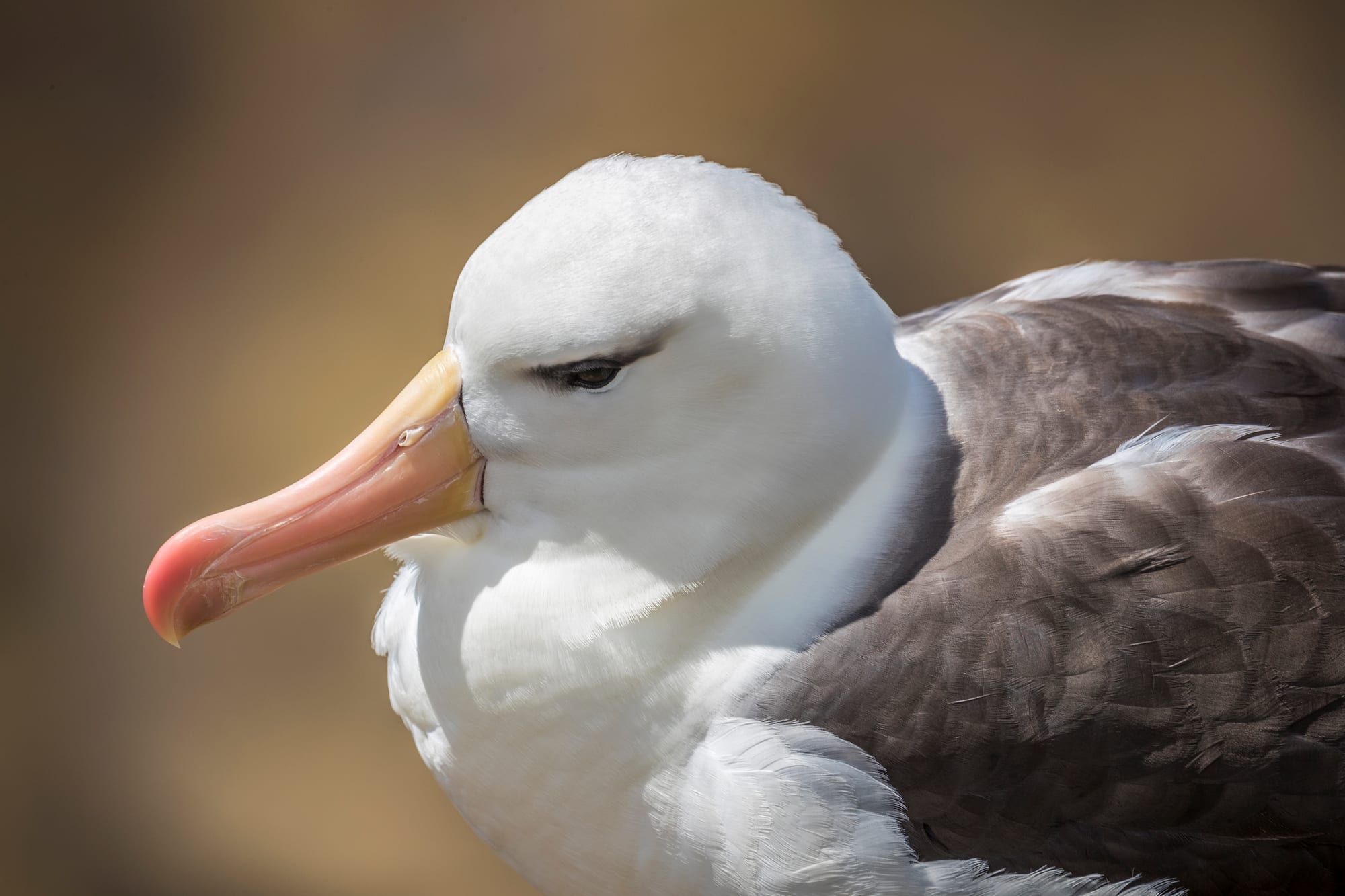
Saunders Island, off West Falkland, is a working sheep farm with self-catering accommodation and some of the best seabird watching in the territory. At "The Neck", a narrow isthmus of dunes, black-browed albatross, rockhopper penguins, and imperial cormorants nest side by side on the cliffs, with gentoo, Magellanic, and king penguins on the beaches nearby.
It was also the site of the first British settlement in the islands, Port Egmont, founded in 1765.
4. Gypsy Cove
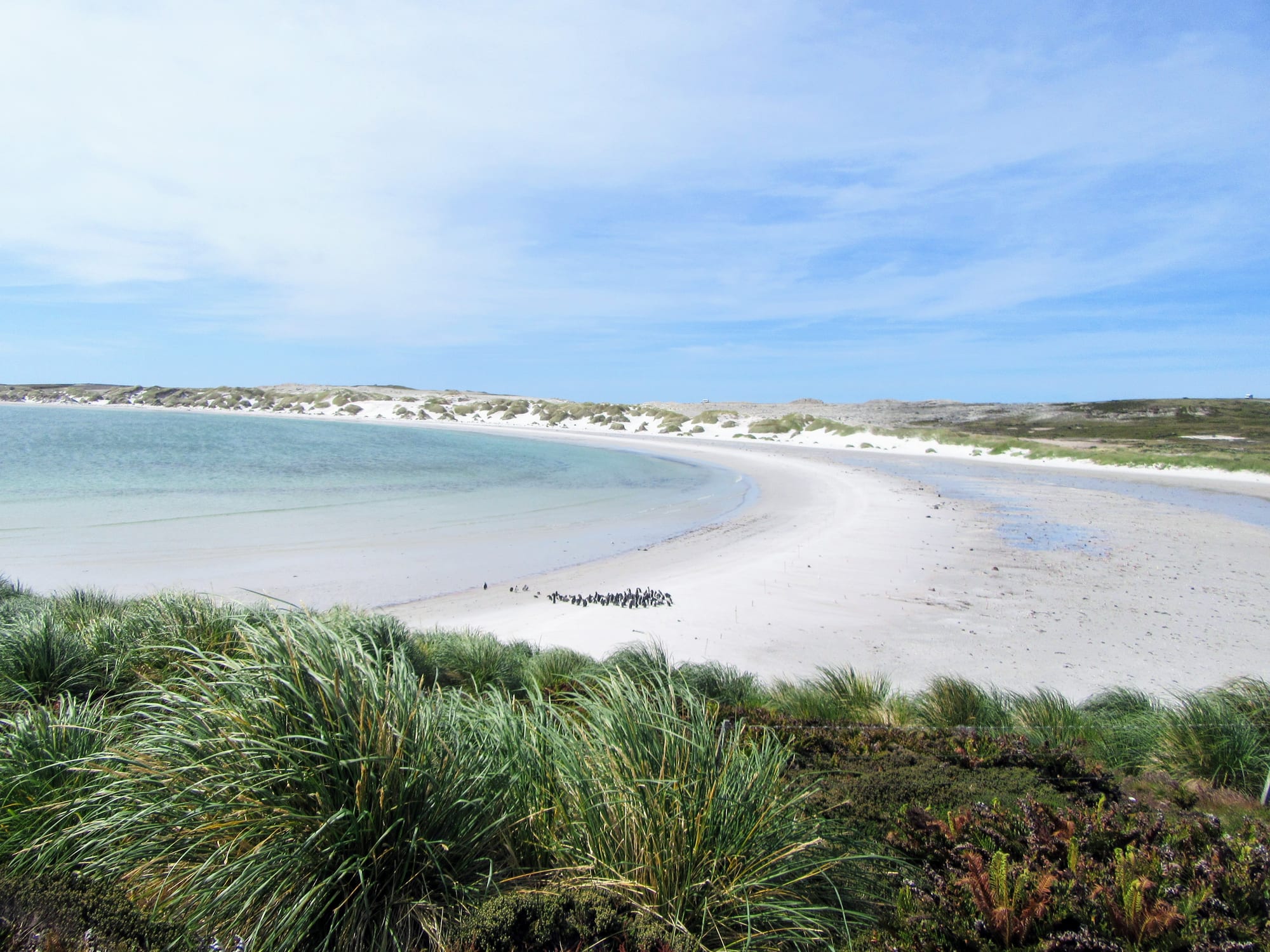
For visitors with only a day — cruise-ship passengers, mostly — Gypsy Cove is the easy wildlife stop: a four-mile drive from Stanley to a headland with a white-sand beach (mined in 1982, and cleared only in recent years), a colony of burrow-nesting Magellanic penguins, and cormorants and waterfowl on the pond behind. A short cliff path gives the views.
The rusting wreck of the Lady Elizabeth, a three-masted iron barque condemned in 1913 and driven ashore by a storm in 1936, sits in Stanley Harbour nearby.
5. Stanley
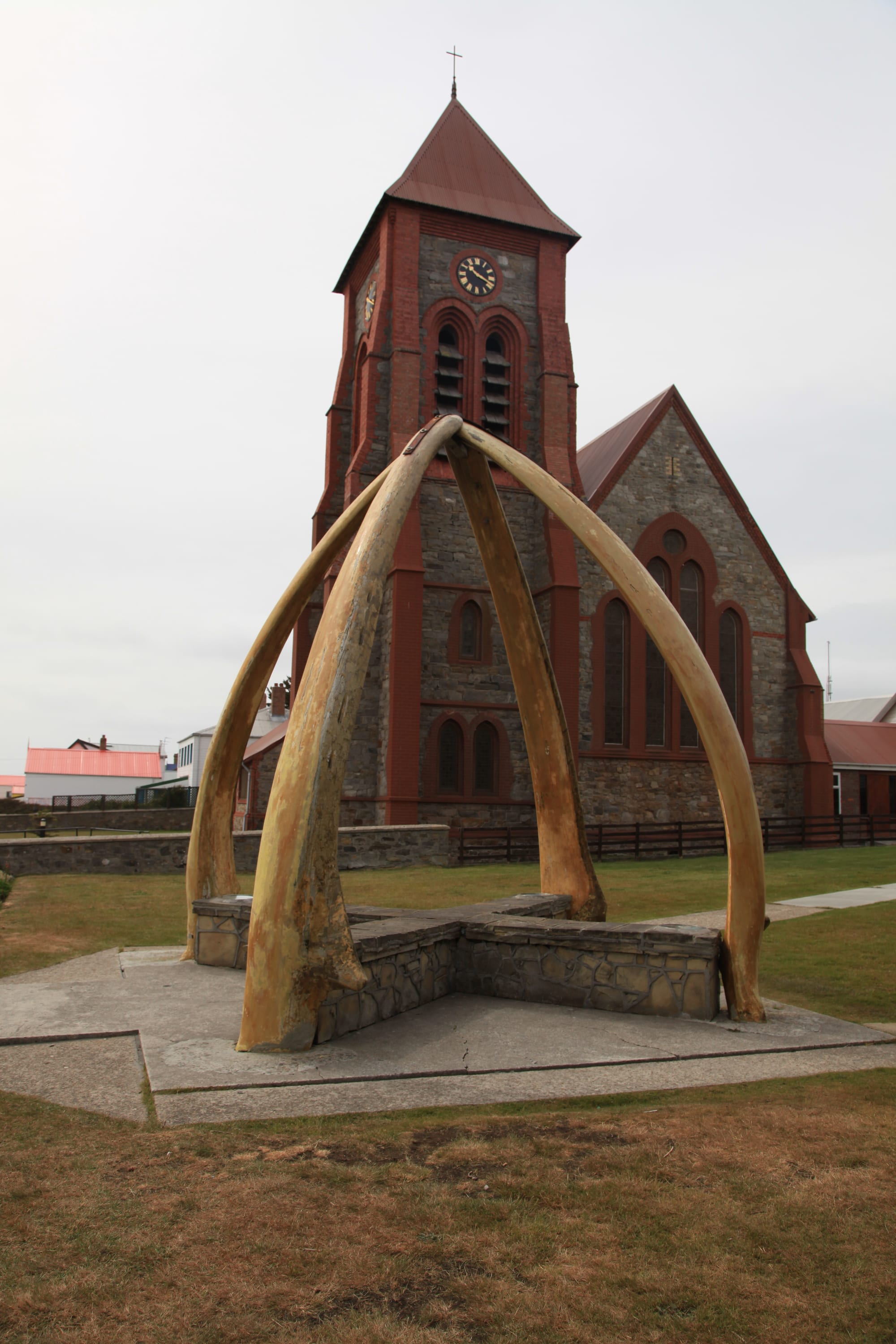
Stanley, home to most of the population, is a village-sized capital that feels like a windswept corner of Scotland or the Yorkshire coast — brightly painted tin-roofed houses, a small Anglican cathedral with an arch made from the jawbones of two blue whales, red phone boxes, and pubs serving fish and chips. The Historic Dockyard Museum covers natural history, whaling, and the 1982 war.
Before the Panama Canal, Stanley was a major repair stop for storm-damaged ships, and the harbour still holds their wrecks and hulks.
6. The 1982 battlefields
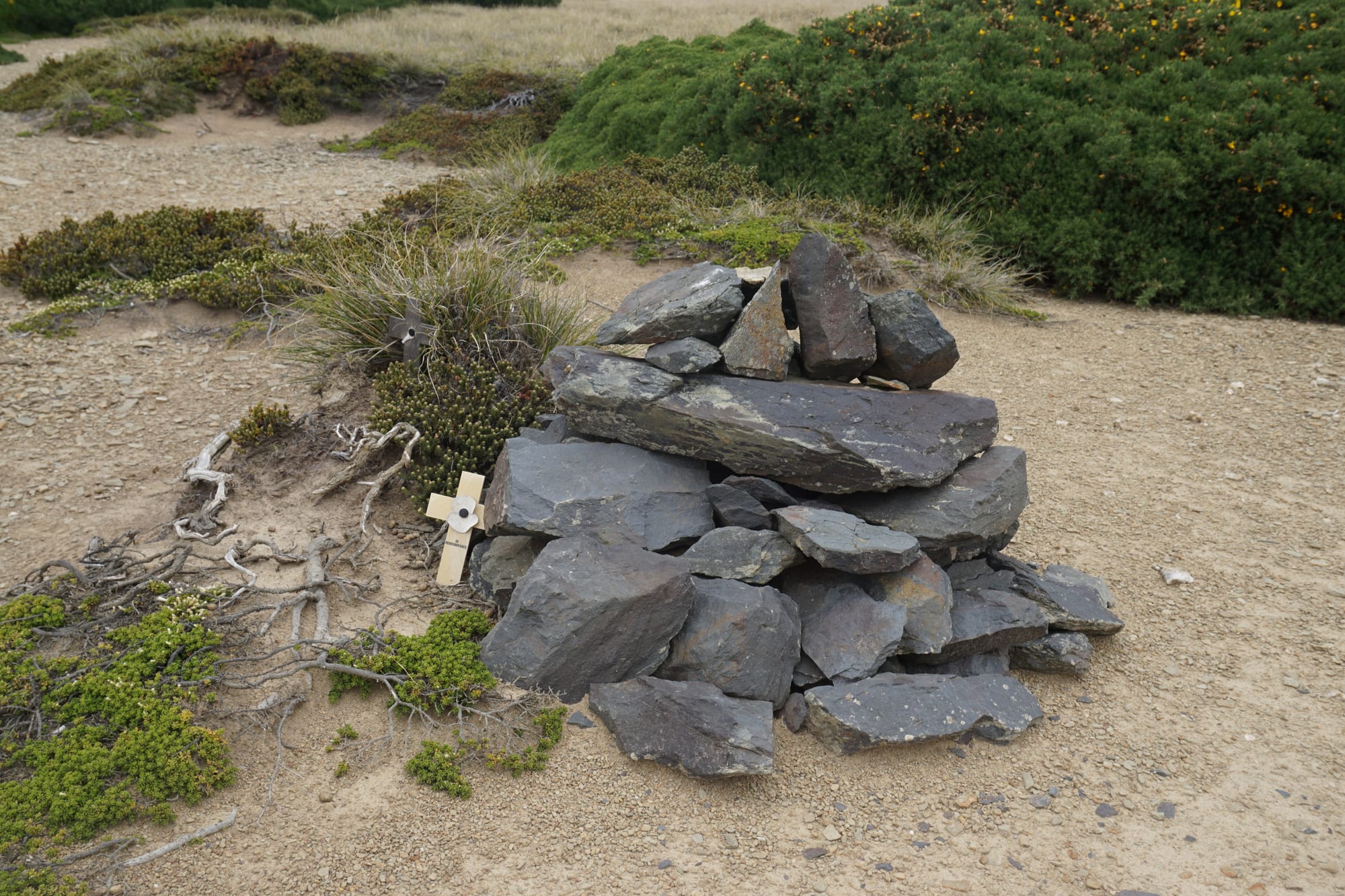
The war of April–June 1982 is still very present in the landscape and the memory. Around Stanley, the hills where the final battles were fought — Mount Longdon, Tumbledown, Two Sisters, Wireless Ridge — carry memorials and, in places, wreckage; the islands were declared free of landmines in November 2020. Goose Green and Darwin, on East Falkland's central isthmus, were the scene of a key battle on 28–29 May, and the Argentine Military Cemetery lies near Darwin.
The battlefields around Stanley are easily reached from the capital, and the Historic Dockyard Museum covers the war.
The Falklands are a specialist wildlife trip, usually two weeks of island-hopping by light aircraft between farm lodges, plus time in Stanley. Many people arrive on an Antarctic or South Atlantic cruise and see only Stanley and one wildlife site.