Food · Falkland Islands
Falkland Islands: Food and the National Dish
A British colonial table set with South Atlantic ingredients, where sheep outnumber people by a wide margin and fishing licences, above all for squid, bring in much of the government's money
By Globeway Editorial · 30 September 2026
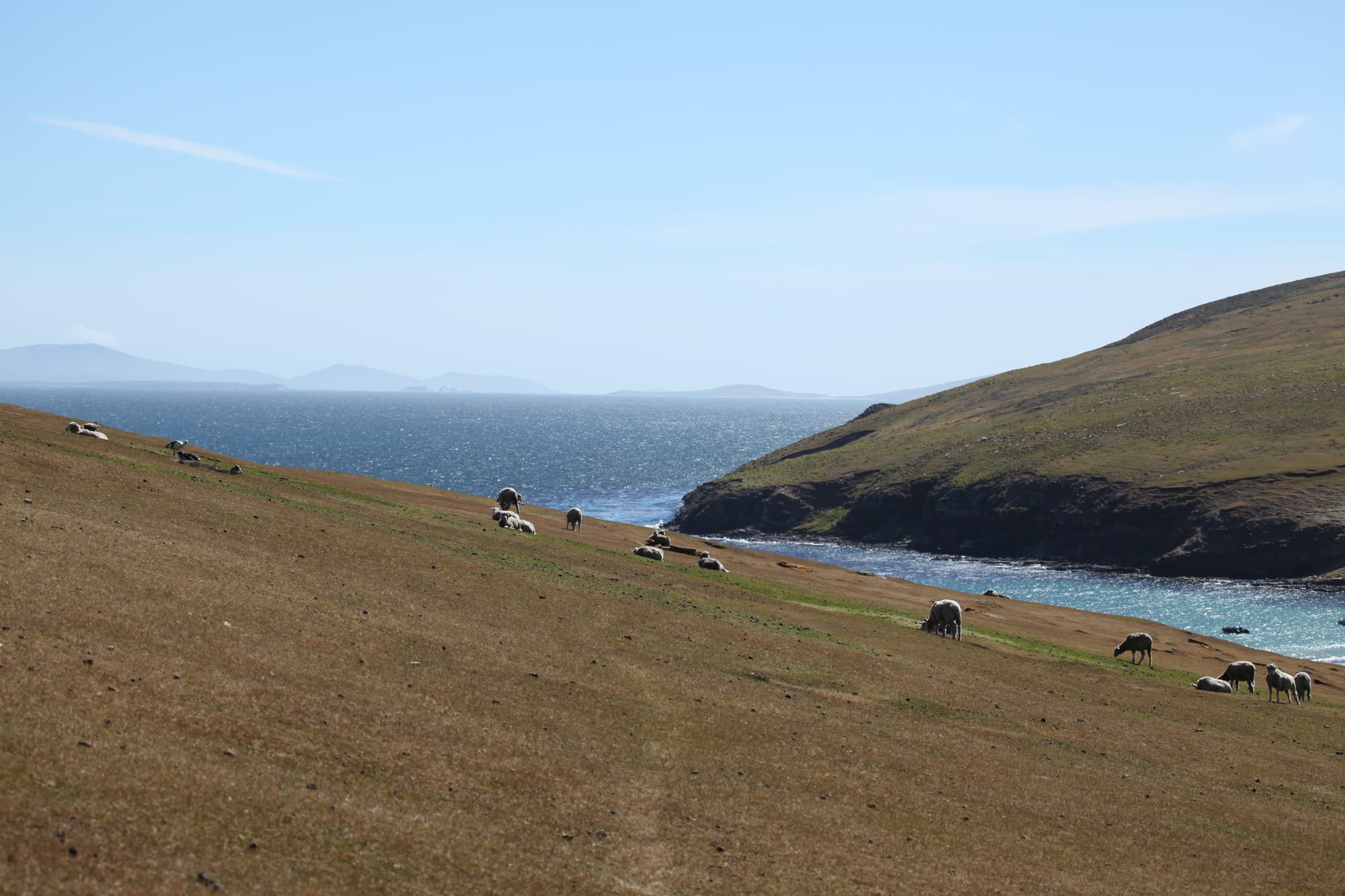
A British table stretched over the South Atlantic
The Falkland Islands have no confidently documented single national dish, so this article describes what islanders actually grow, catch and cook rather than reaching for a forced answer. Falklands food sits firmly in the British tradition its settlers brought with them, built around whatever the islands themselves can supply: mutton and lamb above all, supplemented by fish, squid and a short list of hardy local plants, with almost everything else shipped in.
Mutton, lamb and the sheep economy
Sheep have outnumbered people in the Falklands many times over since large- scale sheep farming began in the 19th century, and mutton and lamb remain the islands' most characteristic food, roasted or stewed and served at family meals, farm gatherings and community events alike. A lamb or mutton roast, cooked simply with the islands' own meat, is as close as the Falklands come to a signature dish.
What defines the cuisine
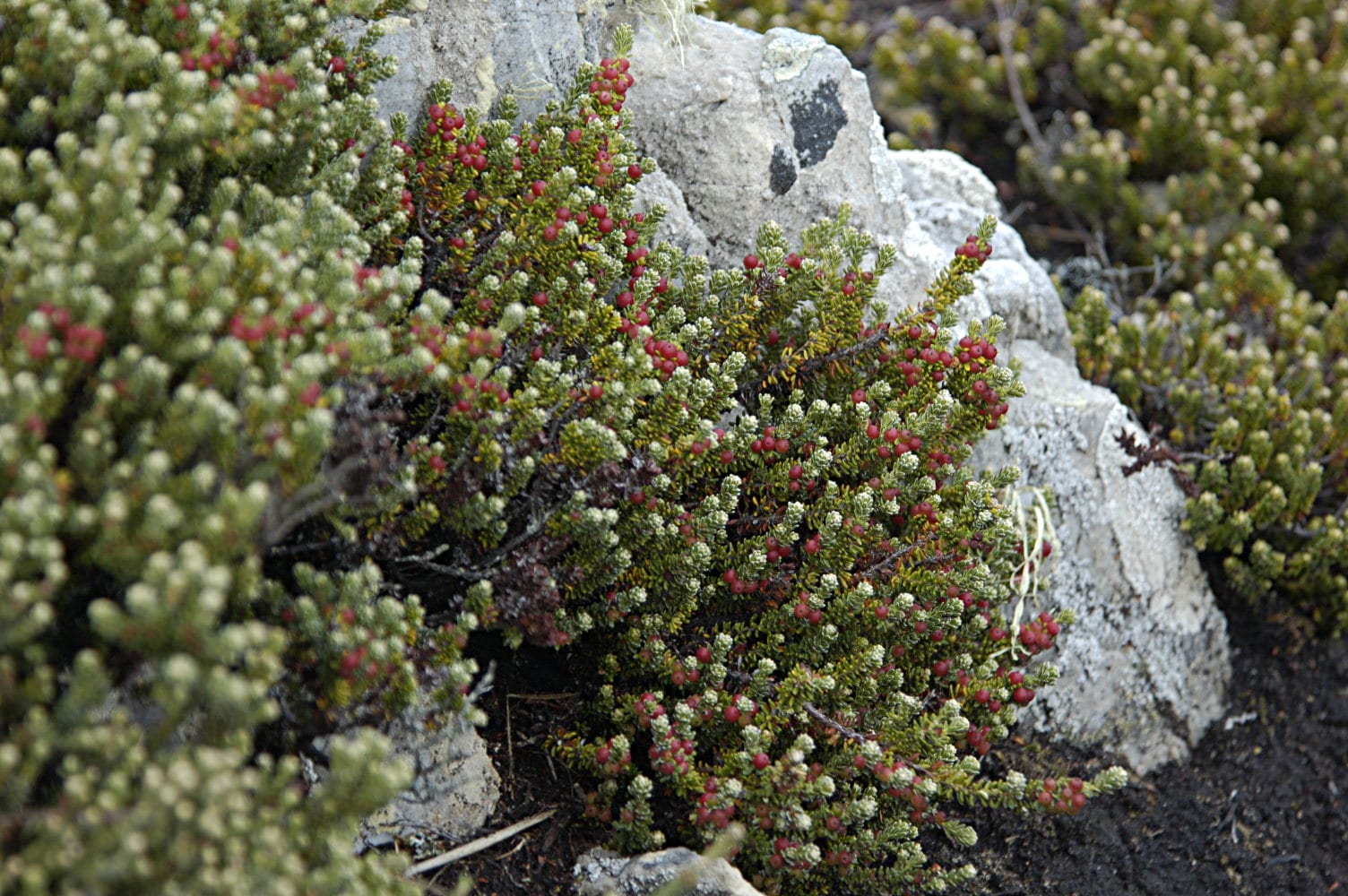
The islands' cool, windswept, treeless landscape limits what can be grown, so many staples are shipped in, but local cooking makes much use of home-grown vegetables, locally raised lamb, mutton and beef, and fish from the surrounding waters. Diddle-dee, a native crowberry that dominates large stretches of the islands' heath, is a genuinely local wild food, its berries gathered for jam.
History and geography behind the plate
The islands' food culture traces directly to British settlement in the 19th century, reinforced by the wool trade that dominated the Falklands economy from the 1870s until the 1980s and by ongoing supply lines to the UK and nearby South America. More recently, licensed squid and Patagonian toothfish fishing in Falklands waters has become the largest part of the islands' economy, and fish is part of local cooking as well as a major export.
Stanley and Camp
Stanley, the capital and only real town, is where imported groceries, pubs and a handful of restaurants are concentrated; everywhere else on the islands is known locally as Camp, a name drawn from the Spanish campo, where sheep farming and a more self-sufficient, produce-what-you-can approach to food still shape daily life.
Dishes to know
Five to recognise in the Falklands:
- Squid — Illex and Patagonian (Loligo) squid, the most important catch
in Falklands waters and a major licensed export.
- Patagonian toothfish — a prized deep-water fish caught in Falklands
waters, sold internationally as Chilean sea bass.
- Diddle-dee jam — made from the islands' native wild crowberry.
- Fish and chips — a firmly established British staple in Stanley.
- Homemade cakes and biscuits — the usual between-meals food, served with
tea or coffee, including at smoko, the local word for a work break.
Drinks
Tea and coffee are the everyday drinks, central to the smoko break on farms and in town alike. Beer and wine are mostly imported, and a locally distilled gin has appeared in recent years, flavoured with diddle-dee berries among other island botanicals.
Eating as a traveller
Options for vegetarians are limited outside Stanley, where imported produce and a small number of restaurants offer more choice; in Camp, meals lean heavily on meat and imported staples. Most visitors experience Falklands food either in Stanley's handful of pubs and cafés or as a guest on a working farm, where local lamb or mutton is often on the table.
What to take from the table
A plate of Falklands mutton, raised on the islands' own grass, is the simplest way to taste what the Falklands actually produce — and a proper smoko break on a Camp farm shows how central that simple, imported-and- homegrown balance still is to daily life here.