Food · India
India: Food and the National Dish
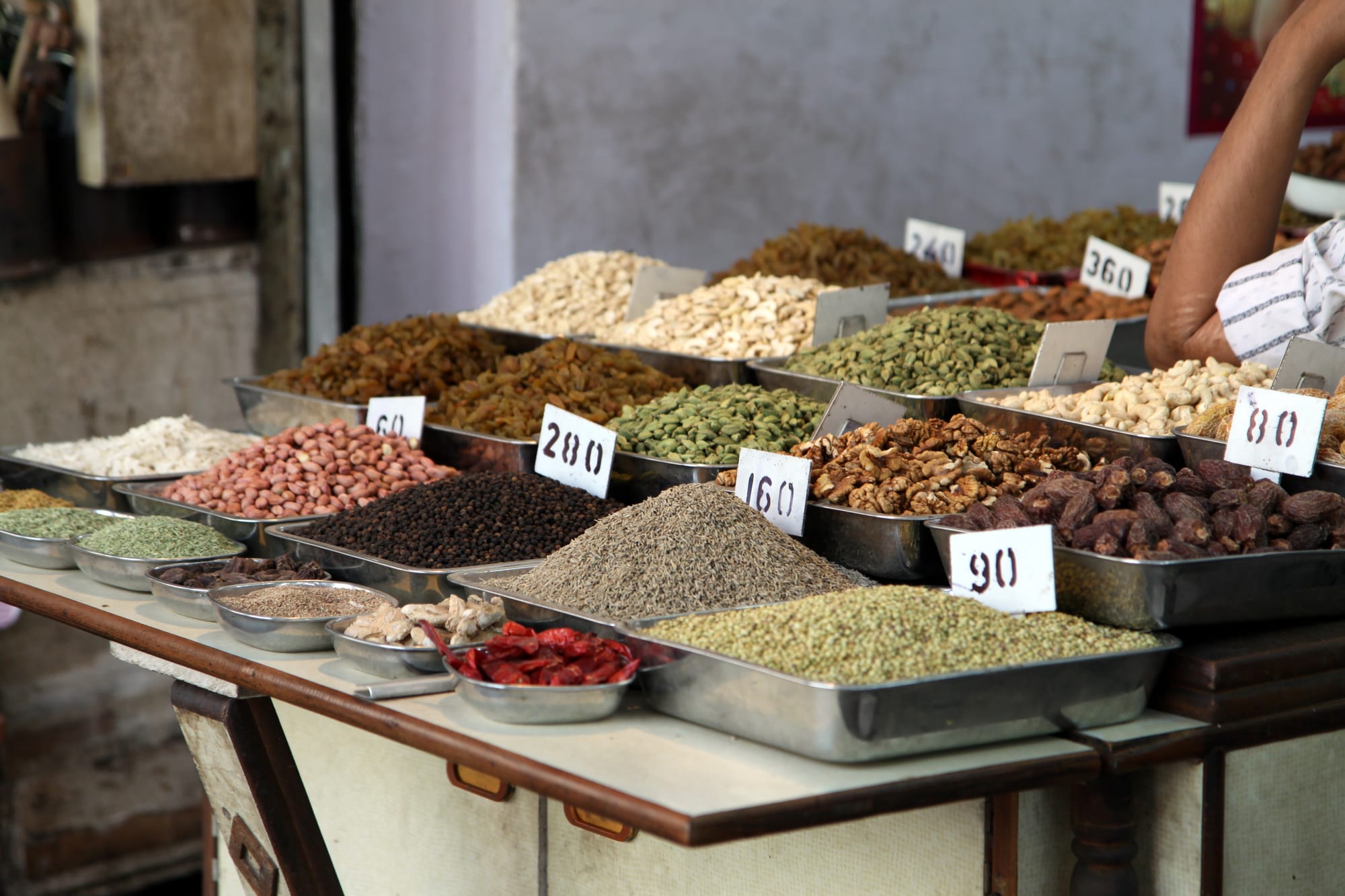
A simple rice-and-lentil dish humble enough to be a baby's first food and a Delhi spice bazaar trading since Mughal times, at the head of one of the world's most regionally varied cuisines
By Worldlore Editorial · 30 September 2026
A country too large for one cuisine
India has no single official national dish, and for good reason: its food varies dramatically by region, religion and climate, from the wheat-and-dairy cooking of the north to the rice-and-coconut cooking of the south, and from Mughal-influenced Delhi kitchens to the seafood-heavy tables of the coasts. What unites Indian food isn't one dish but a shared reliance on spice, built with skill rather than simple heat.
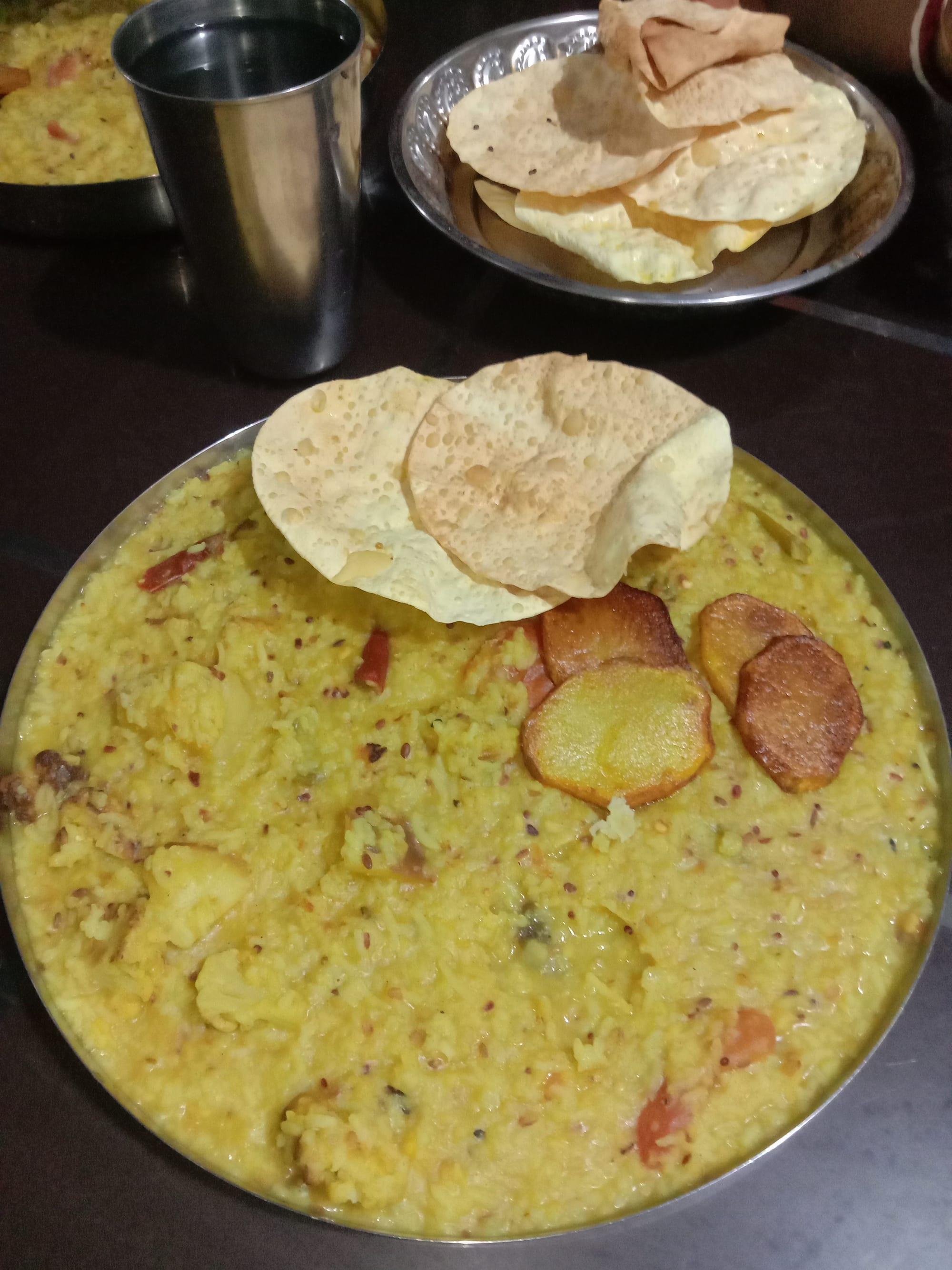
The closest thing to a national dish: khichdi
Khichdi, rice and lentils cooked together into a soft, simple dish, was promoted by the Indian government as "Brand India Khichdi" at the 2017 World Food India event in New Delhi, and Indian media unofficially dubbed it the national dish, though the government said it had no plans to name one. The attention made some sense: khichdi has regional versions across the country, is one of the first solid foods babies eat in several regions, especially the north, and is a staple of home cooking and comfort food. Few other dishes cross India's regional divides so completely.
Spice, region and the country's real backbone
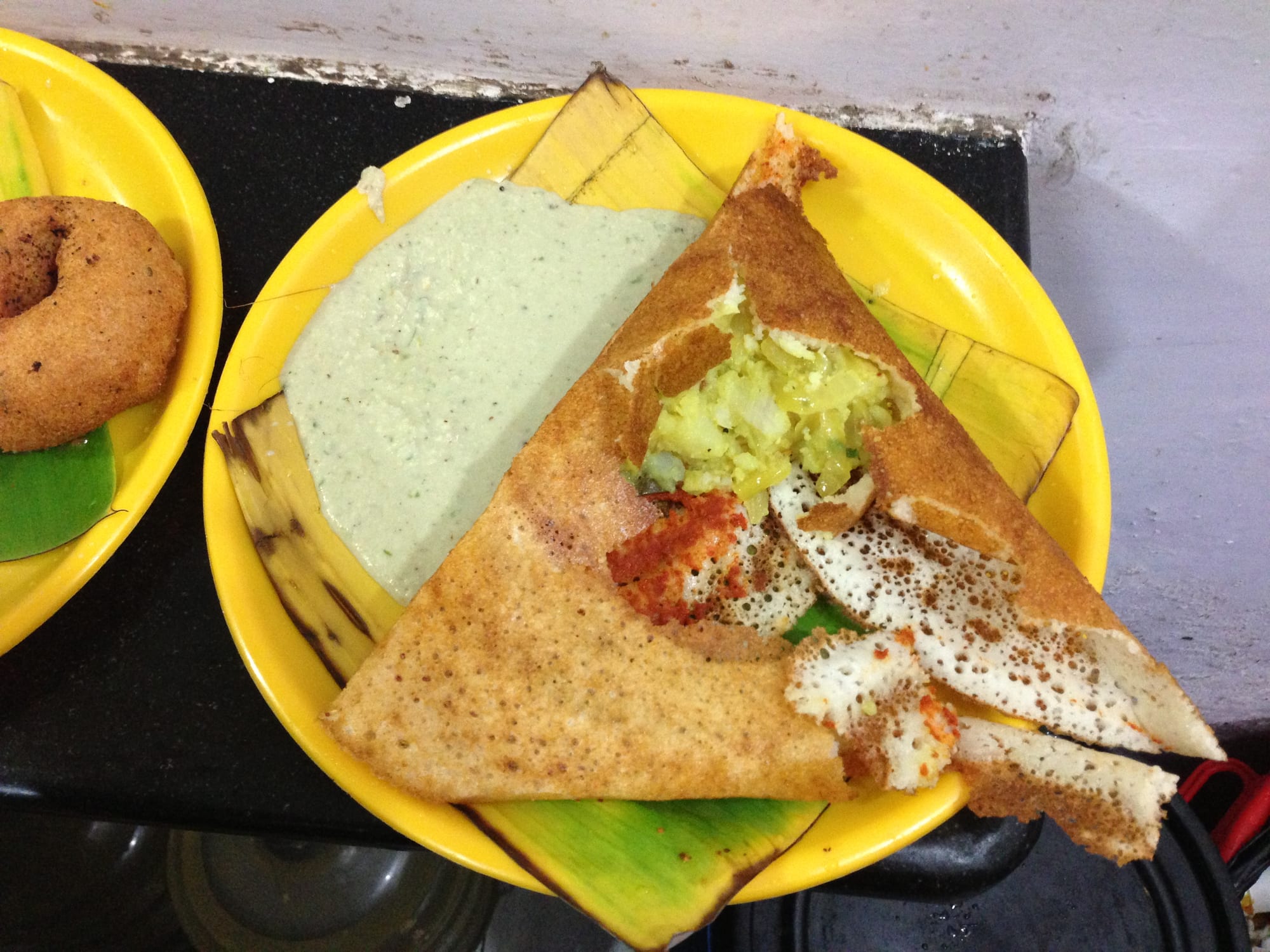
India's cooking leans on a vast spice vocabulary, cumin, turmeric, coriander, cardamom and dozens more, combined in specific regional ways rather than applied generically. The north favours wheat breads, dairy and richer, Mughal-influenced sauces; the south leans on rice, coconut and fermented rice-and-lentil batters like those used for dosa and idli; the west and east each carry their own further distinctions again.
History behind the spice trade
India's spice trade shaped global exploration for centuries, drawing traders from the Arab world, Europe and beyond long before colonial rule, and Mughal courts from the 16th century onward brought Persian techniques into North Indian cooking that remain visible in dishes like biryani, likely developed in Mughal court kitchens from Persian pilau. Religious practice, particularly widespread vegetarianism tied to Hindu, Jain and other traditions, has also shaped Indian food more deeply and for longer than in almost any other major cuisine.
Regions at a glance
North India leans on wheat, dairy and richer gravies; South India favours rice, coconut and fermented batters; the west, including Gujarat and Maharashtra, carries its own strong vegetarian traditions and distinct street food; and the east, including Bengal, is known for its freshwater fish and mustard oil-based cooking, each genuinely distinct enough to merit its own deeper exploration.
Dishes to know
Five more to recognise across India:
- Biryani — a spiced, layered rice dish with meat or vegetables, with
distinct regional versions across the country.
- Dosa — a thin crepe of fermented rice and black gram batter, a South Indian staple often
served with chutney and sambar.
- Butter chicken — chicken in a spiced tomato-and-butter sauce, first
popularised in the 1950s by the Moti Mahal restaurant in Delhi.
- Chaat — a broad category of savoury, tangy street snacks found in
countless regional variations.
- Thali — a complete meal of several small dishes served together on
one plate, the everyday format for much of Indian home cooking.
Drinks
Chai, black tea brewed with milk, sugar and spices like cardamom and ginger, is a genuine daily ritual across most of the country. Lassi, a yoghurt-based drink, and fresh fruit juices are common non-alcoholic choices, and alcohol rules vary by state: drinking is prohibited in Bihar, Gujarat, Nagaland and Mizoram and in the union territory of Lakshadweep, and the legal drinking age differs from state to state.
Eating as a traveller
Vegetarians eat extremely well in India, which has one of the world's largest and most developed vegetarian culinary traditions. Tap water is not safe to drink in most of the country; stick to bottled or boiled water. Eating a thali, with its many small dishes, is one of the best ways to sample a region's cooking in a single sitting.
What to take from the table
Khichdi, simple enough to symbolise the whole country and yet eaten completely differently from state to state, is the closest thing India has to a single dish — but the real story is regional, and worth exploring one region at a time.