Attractions & Natural Wonders · Lebanon
Lebanon: Nine Attractions and Natural Wonders
Some of the largest Roman temples ever built, a Mediterranean capital that keeps rebuilding itself, a cave river deep underground, and a valley of monasteries below the last wild stands of the cedar of Lebanon
By Worldlore Editorial · 30 September 2026
Layers on the Levantine coast
Lebanon, a small mountainous country on the eastern Mediterranean, has been a crossroads for millennia — Phoenician port cities, Roman temple complexes, Crusader castles, Ottoman towns, and a modern capital famous before its long civil war (1975–90) as the "Paris of the Middle East". It has more than 5 million people, extraordinary food, a coast backed almost immediately by snow-capped mountains, and, more recently, economic collapse, the 2020 Beirut port explosion, and, since March 2026, renewed war with Israel and an Israeli occupation of part of the south.
The nine below are the country's landmark sights, most within reach of Beirut. Spring and autumn are the best seasons; read the note at the end on current conditions before planning a trip.
1. Baalbek
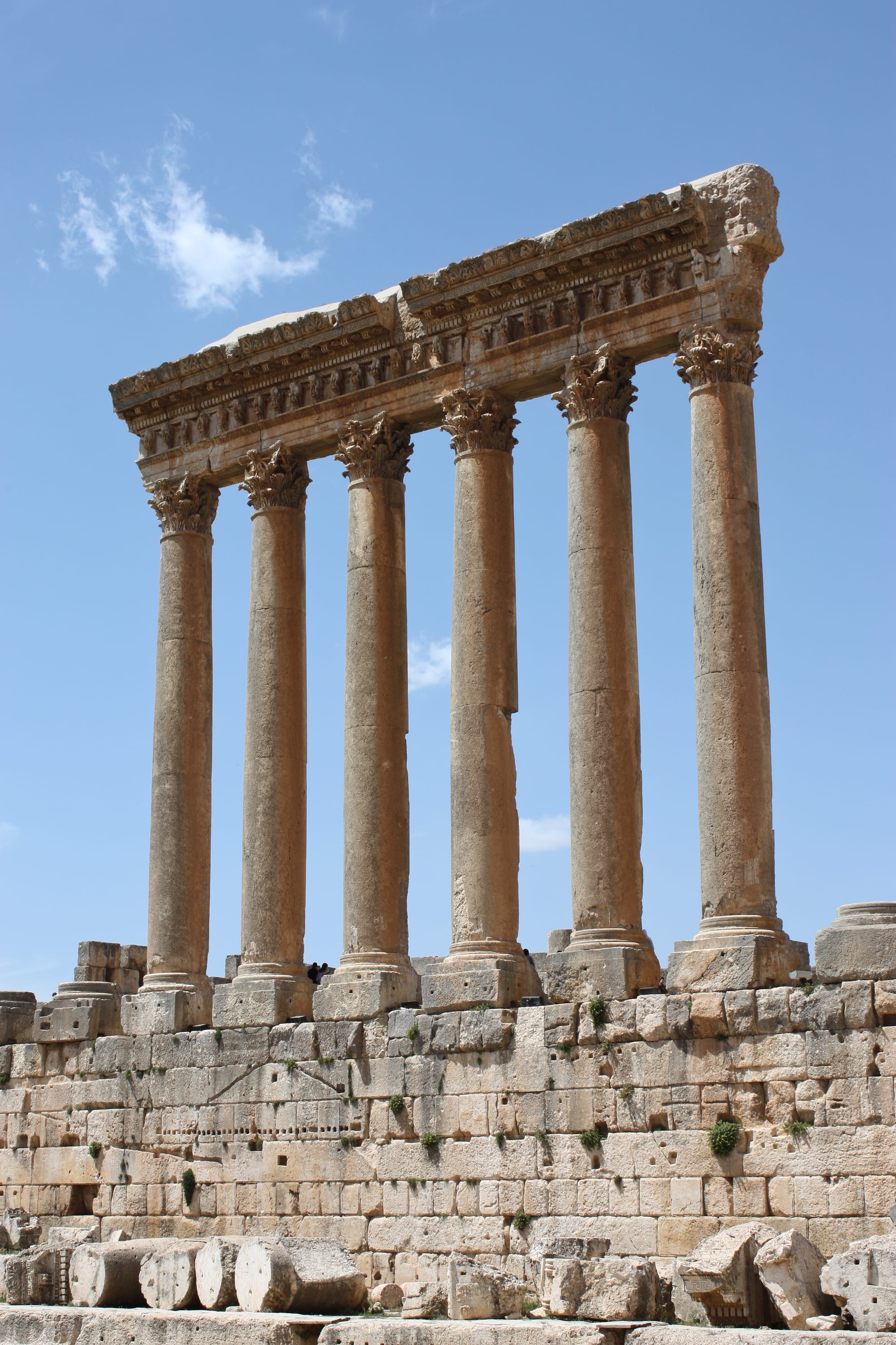
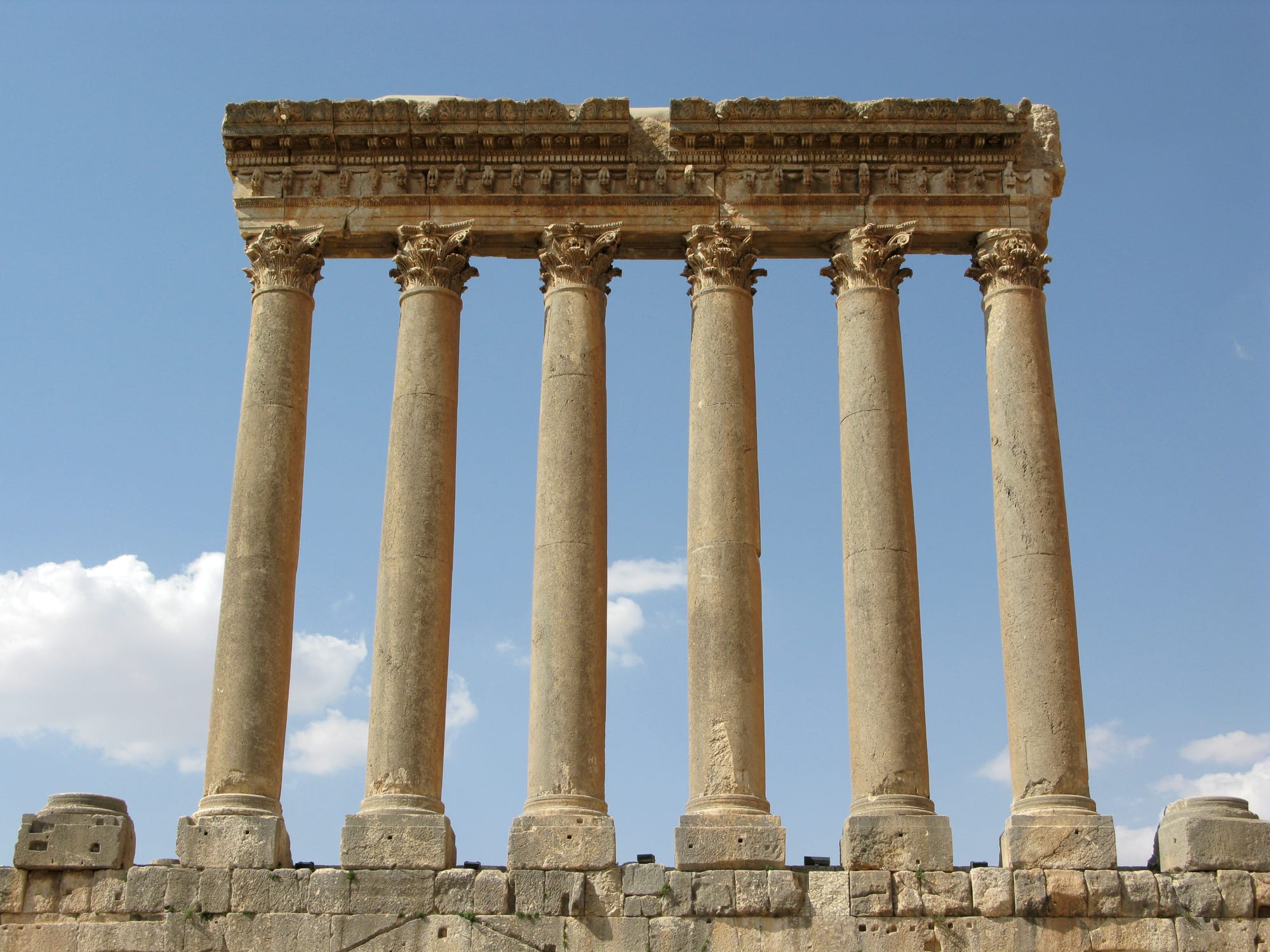
Baalbek, in the eastern Bekaa Valley, holds one of the largest Roman temple complexes ever built — the Temple of Jupiter's surviving six columns, the exceptionally well-preserved Temple of Bacchus, and stone blocks in the foundation ("Trilithon") weighing some 750–800 tonnes each, still among the heaviest ever moved by human effort. It is a UNESCO World Heritage Site (1984) and has long hosted the Baalbeck International Festival in the temples in summer.
Baalbek is in the Bekaa Valley, which has been struck repeatedly in the war that resumed in March 2026; most governments advise against travel there.
2. Beirut and Pigeon Rocks
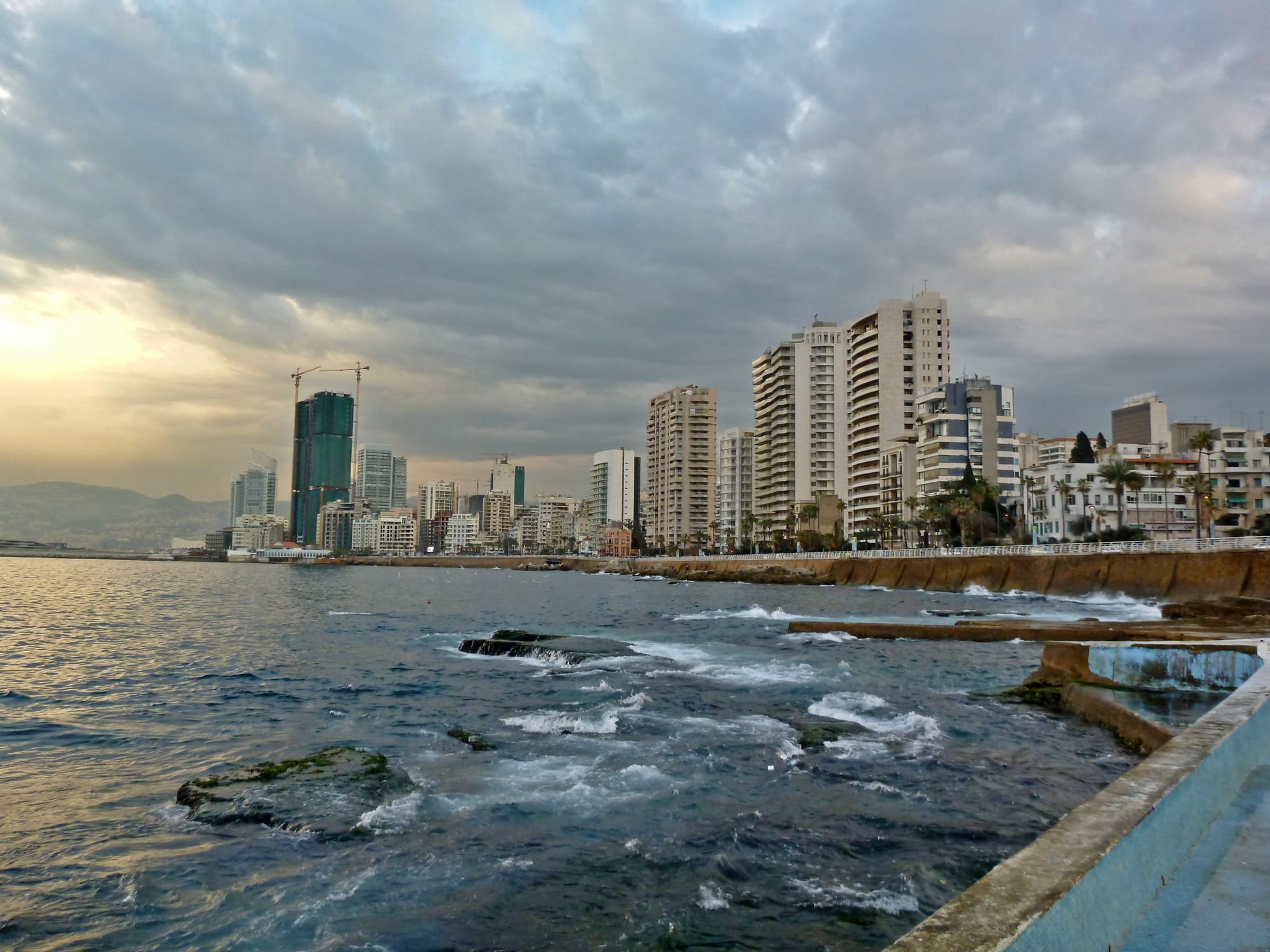
Beirut has rebuilt itself after each of its disasters — civil war, the 2020 port explosion, ongoing crisis — and remains a city of striking contrasts: the restored Ottoman-French downtown around Martyrs' Square, once the civil war's front line, the National Museum's rescued antiquities, the seafront Corniche promenade to the Pigeon Rocks, and a restaurant and nightlife scene that keeps going against the odds.
It is a city best explored with a local guide who can put its layered, painful recent history in context.
3. Byblos
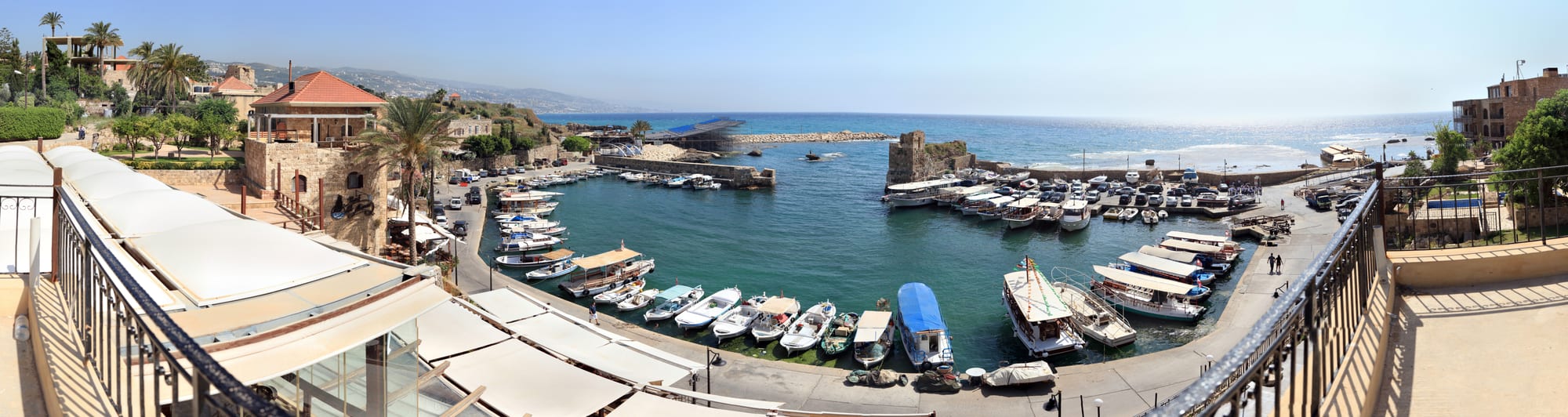
Byblos (Jbeil), north of Beirut, is a Phoenician port that gave its name — via Greek traders who bought papyrus here — to the word "Bible". Layers of Phoenician, Roman, Crusader, and Ottoman building sit around a small fishing harbour: a Crusader castle, a Roman theatre and colonnade, and a warren of souks. It is a UNESCO World Heritage Site and one of Lebanon's most relaxed, tourist-friendly towns.
It is about 40 minutes north of Beirut, a common day trip or overnight.
4. The Jeita Grotto
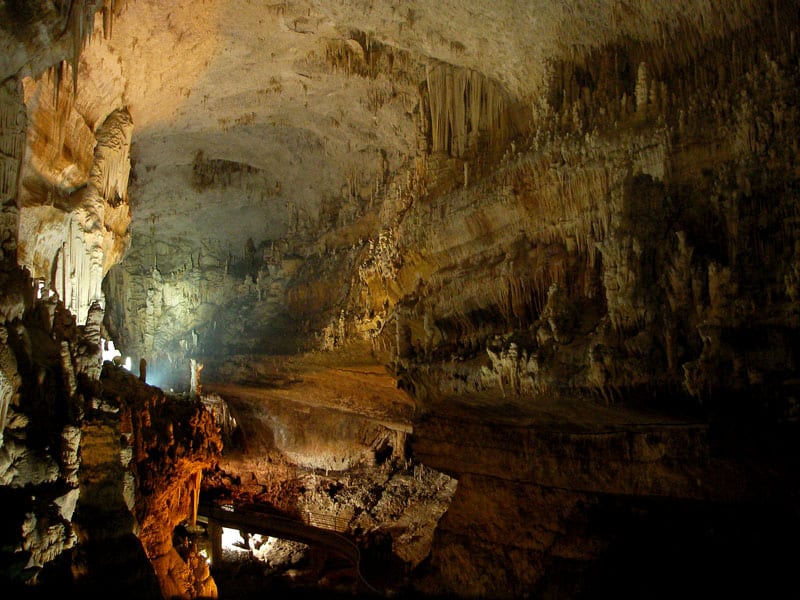
Jeita, in the hills above the coast, is a spectacular two-tiered karst cave system — an upper gallery of huge stalactite-hung chambers reached on foot, and a lower gallery toured by boat along an underground river, one of the sources of Lebanon's water supply. It was a finalist in the unofficial "New 7 Wonders of Nature" campaign.
The lower, boat-toured cave closes in winter when the water is high; the grotto is about 20 minutes from Beirut.
5. The Cedars of God
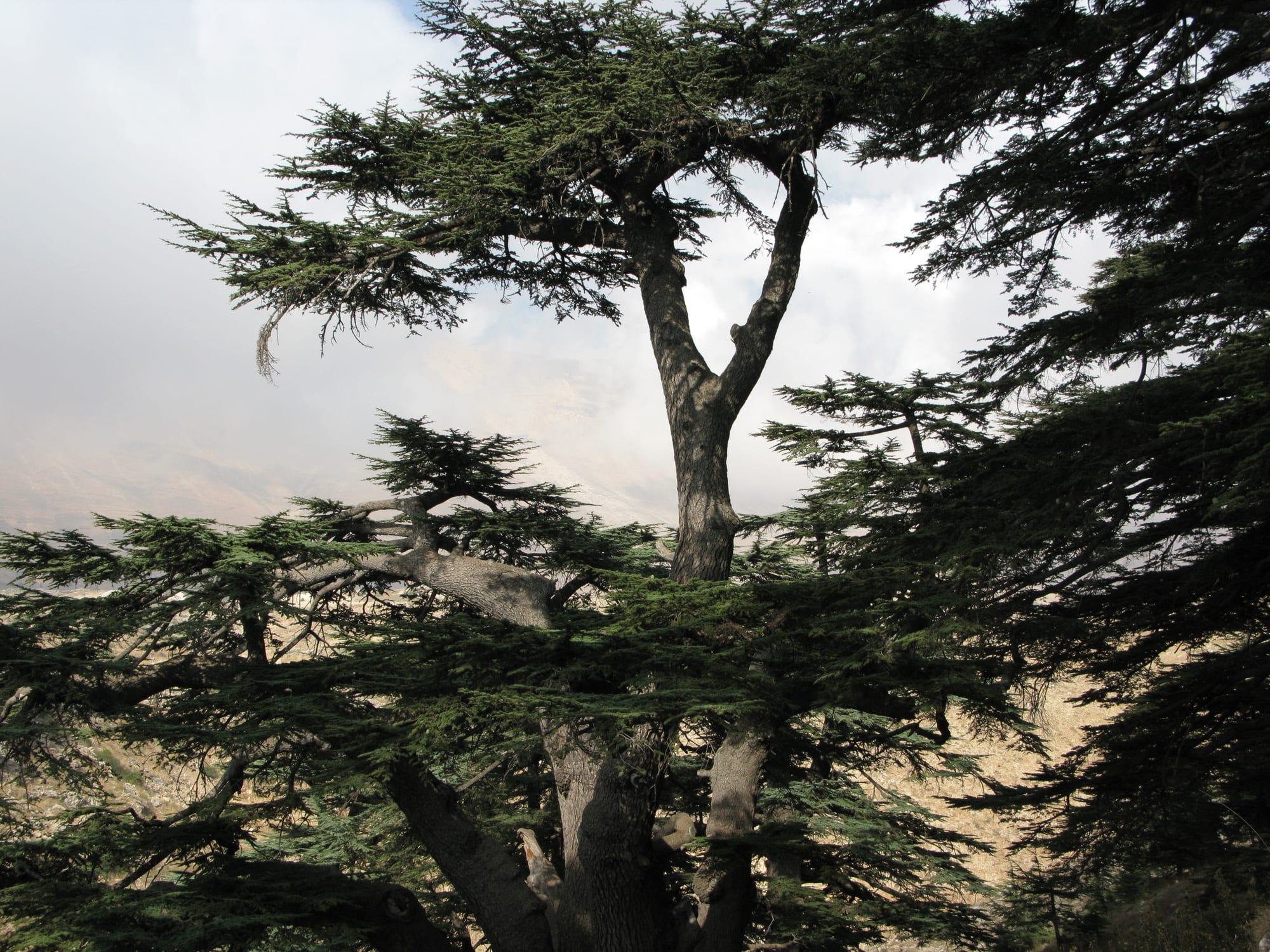
High above the Qadisha Valley, a small protected grove holds some of the last old-growth cedar of Lebanon — the tree stamped on the national flag, prized since antiquity by Phoenicians, Egyptians, and Solomon's temple builders, and now reduced to scattered remnant stands. Some of the trees here are many centuries old. It is a UNESCO World Heritage Site alongside the valley below.
The area is also a ski base (the Cedars resort) in winter.
6. The Qadisha Valley
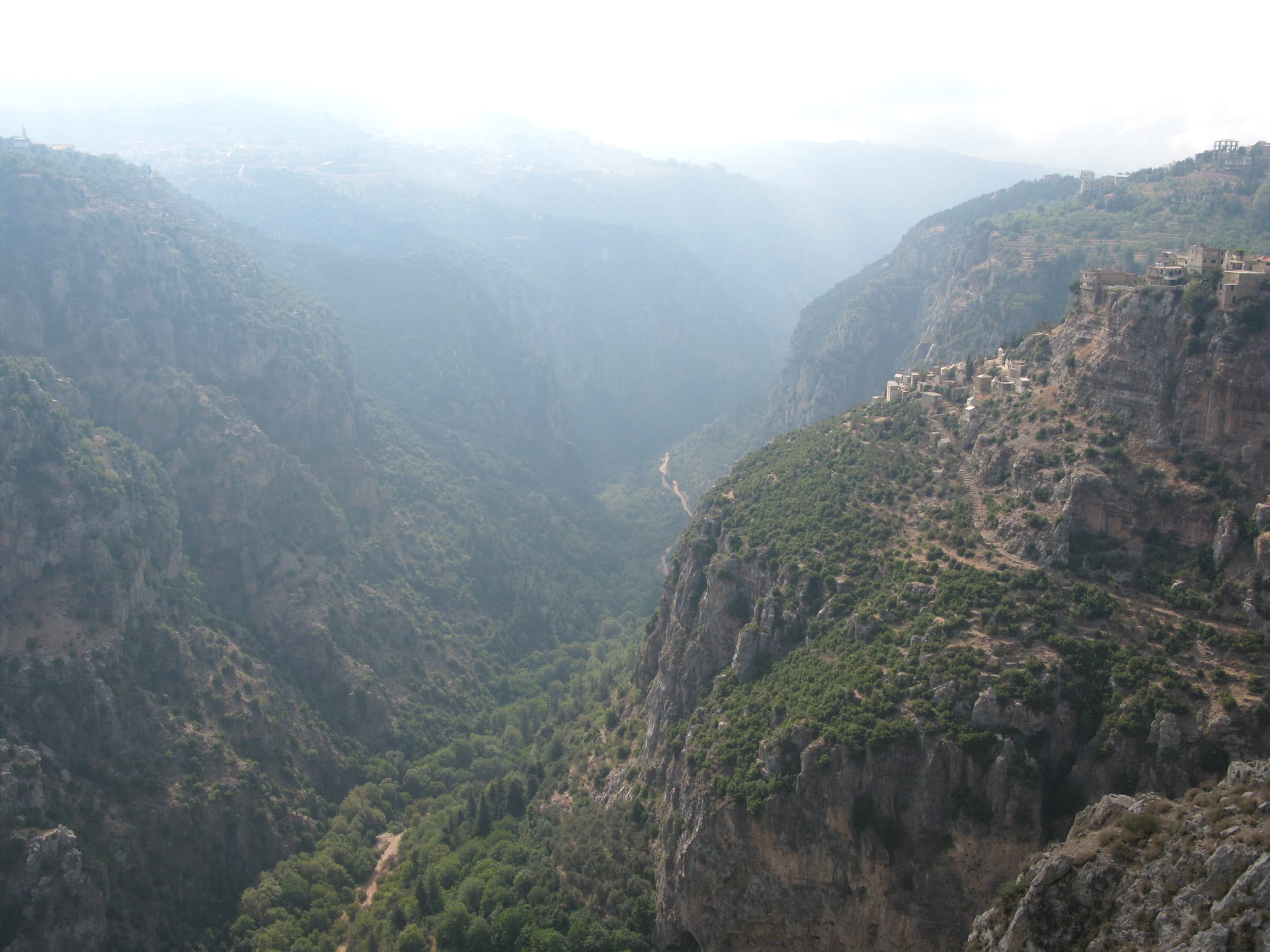
The Qadisha Valley has sheltered Christian monastic communities, many of them Maronite, since the earliest centuries of the faith, in monasteries and hermit cells cut into its cliffs — some, like Qozhaya, still home to monks and nuns. It is a UNESCO World Heritage Site and a serious hiking destination along the gorge floor.
The valley and the Cedars grove above it are usually visited together from Bsharri.
7. Tyre
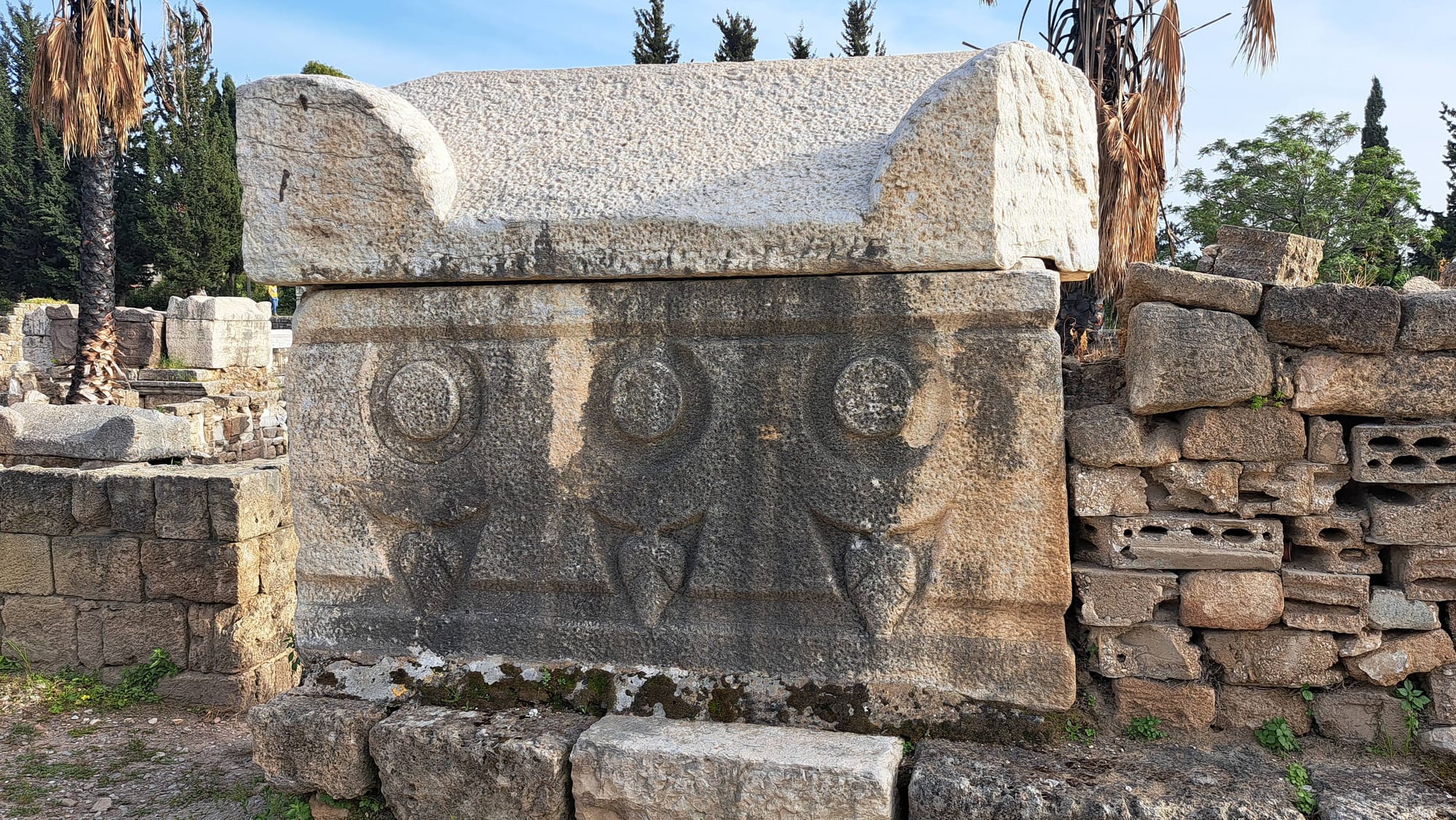
Tyre, in the south, was one of the great Phoenician city-states — a purple-dye and trading power whose colonies included Carthage — and later a major Roman city, leaving one of the largest hippodromes in the ancient world alongside extensive baths, streets, and a necropolis. It is a UNESCO World Heritage Site, with sandy public beaches nearby.
South Lebanon has been at the centre of the war since March 2026: Tyre has been hit by Israeli strikes and its residents told to leave, and part of the south is under Israeli occupation. Most governments advise against all travel there.
8. Anjar
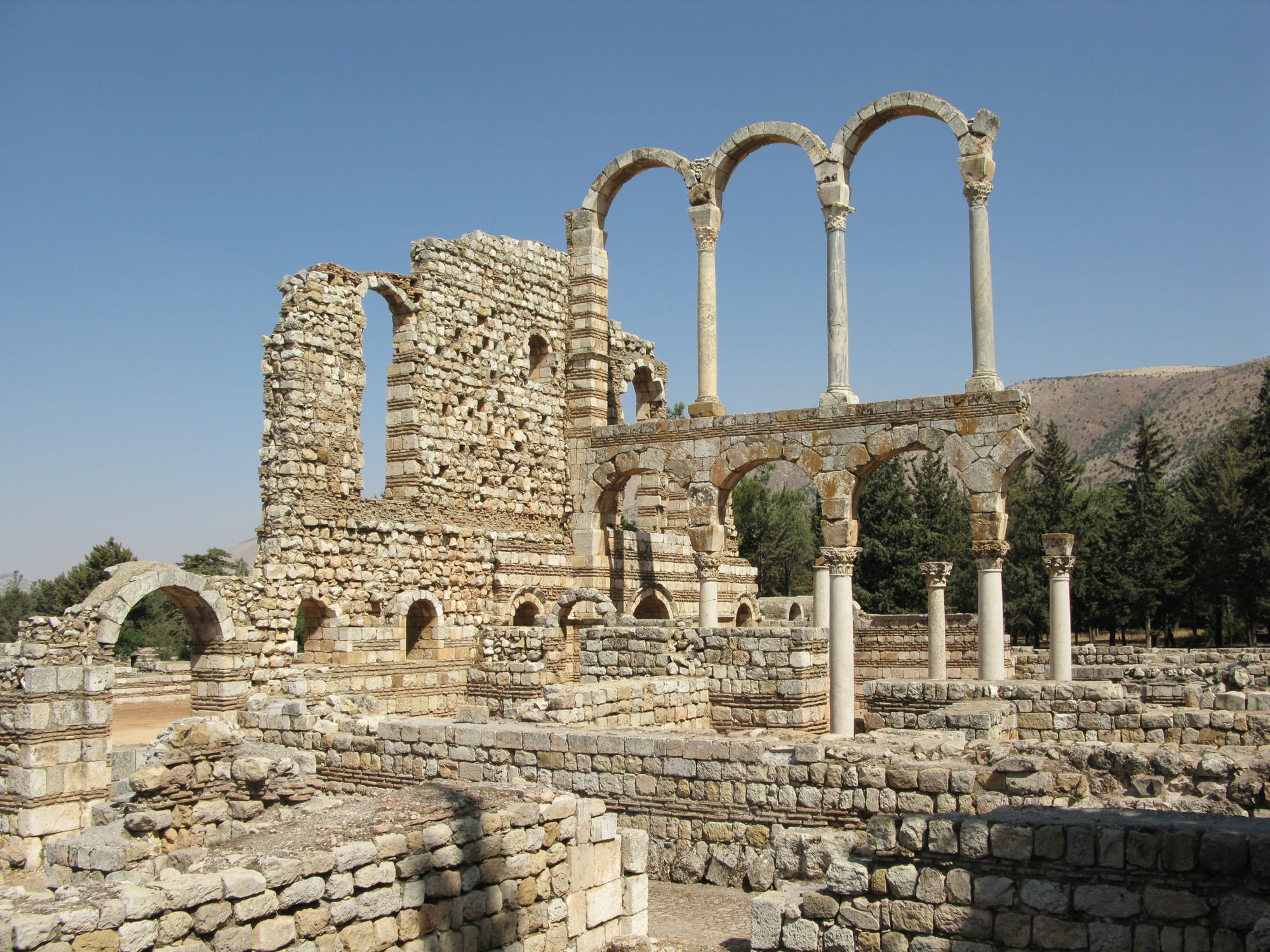
Anjar, near the Syrian border in the Bekaa Valley, is unusual: a single-period planned city built by the Umayyad caliphate around 714, on a Roman grid of colonnaded streets, palaces, a mosque, and baths, and later abandoned — a rare, unlayered snapshot of early Islamic urban design. It is a UNESCO World Heritage Site and also home to a large Armenian community.
Like Baalbek, it lies in the Bekaa Valley, which most governments currently advise against visiting.
9. Harissa
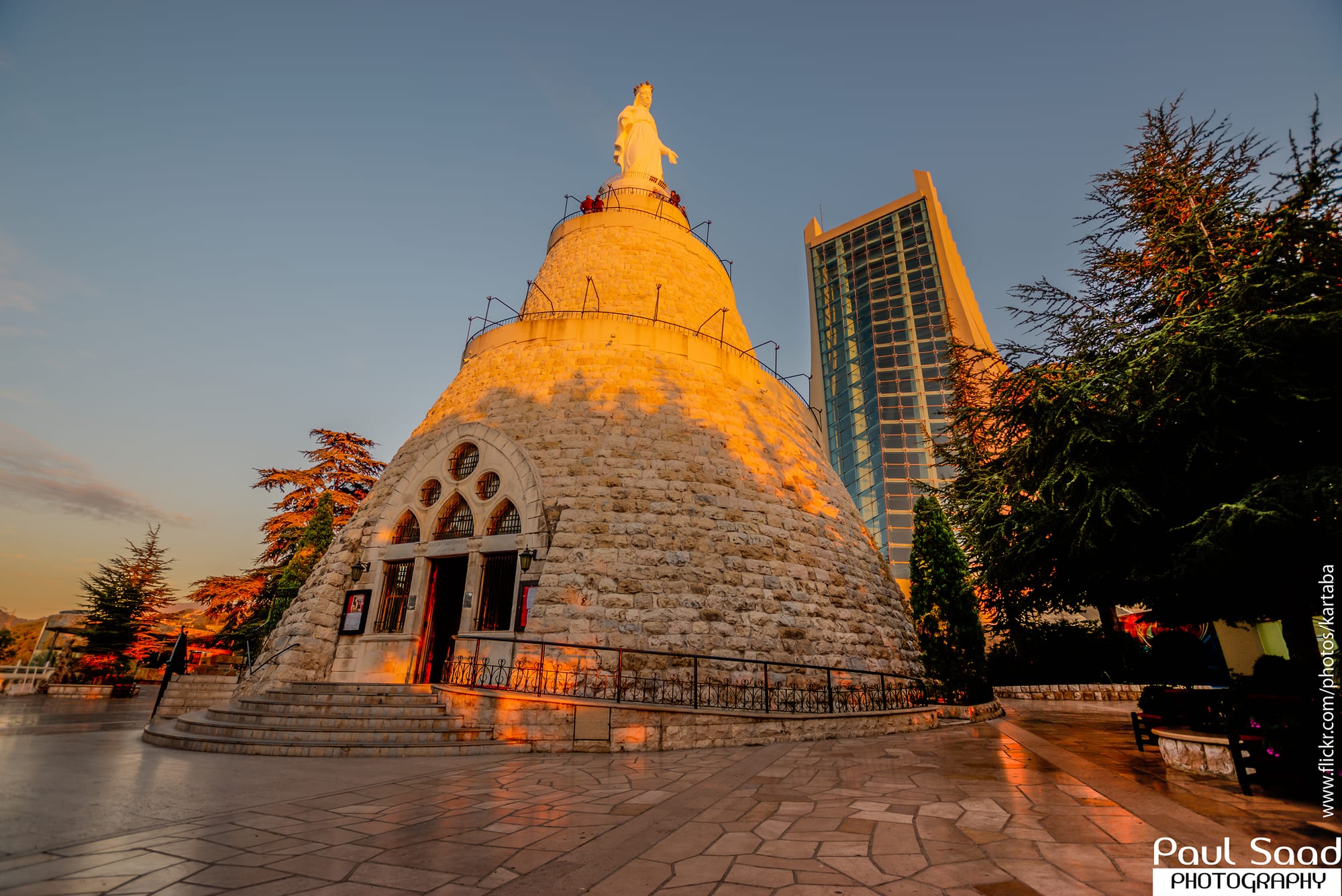
Above the coastal town of Jounieh, an 8.5-metre bronze statue of the Virgin Mary stands on a hilltop shrine, reached by a scenic cable car (the "Téléphérique") across the bay — a pilgrimage site for Lebanon's large Christian population and a sweeping viewpoint over the Mediterranean coast for anyone. A modern basilica sits nearby.
It is about 25 minutes north of Beirut and an easy half-day.
Before you go: a practical note
Fighting between Israel and Hezbollah resumed on 2 March 2026, and Israeli airstrikes have hit much of Lebanon, including Beirut, the south and the Bekaa Valley. Since mid-March 2026 Israel has occupied part of southern Lebanon, and around a fifth of the population has been displaced. A ceasefire agreed in April 2026 has been extended repeatedly, but strikes and fighting in the south have continued, alongside the country's severe economic crisis. Most governments advise against all or all-but-essential travel to Lebanon. Conditions can change quickly.
Central Beirut, the Mount Lebanon coast (Byblos, Harissa, Jeita), and the far north (the Cedars, Qadisha Valley) have generally been the areas visited when conditions allow; check current, specific government advice before travelling, and be prepared for an itinerary that may need to change.