Food · Lebanon
Lebanon: Food and the National Dish
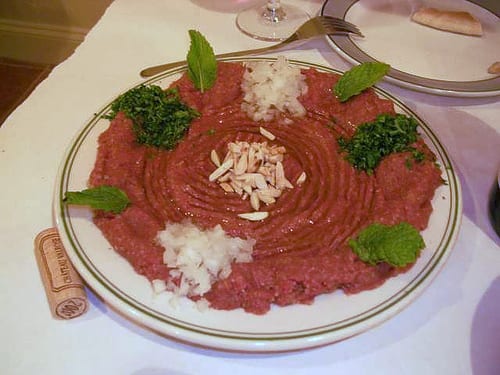
Minced lamb pounded with bulgur wheat, eaten raw, fried or baked, a dish so central to Lebanese cooking that it is counted among the country's national dishes
By Worldlore Editorial · 30 September 2026
A mezze culture built for slow, shared meals
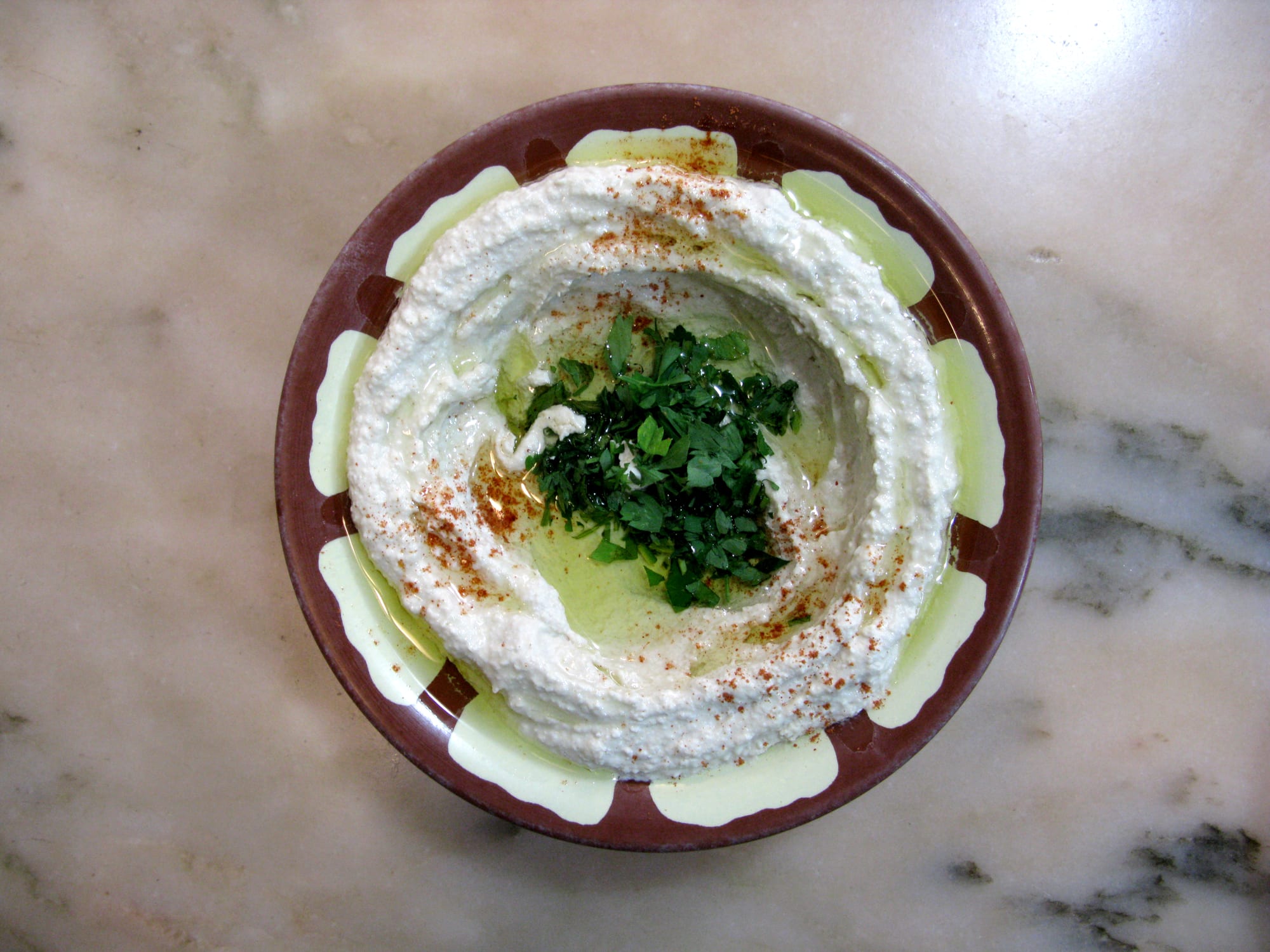
Lebanese food is built around mezze, a spread of many small dishes served together and eaten slowly over conversation rather than as separate courses. That format, shared closely with the wider Levant, sits alongside Lebanon's own culinary pride, expressed clearly in the care Lebanese cooks give to kibbeh.
The national dish: kibbeh
Kibbeh, a mixture of finely minced meat, usually lamb, and bulgur wheat pounded into a fine paste, is considered a national dish of Lebanon, as it is of neighbouring Syria. Its raw form, kibbeh nayyeh, is similar to a steak tartare and traditionally served to honour guests, and the same base mixture is also shaped and fried, or layered and baked, into other kibbeh variations, with meatless and fish versions too.
Olive oil, bulgur and a shared Levantine pantry
Olive oil, fresh herbs, bulgur wheat and a wide range of vegetables anchor Lebanese cooking, alongside hummus, tabbouleh and falafel, dishes shared honestly across the wider Levant rather than exclusive to Lebanon. Fresh lemon and generous amounts of parsley and mint, most visible in tabbouleh, give much of Lebanese food a bright, herb-forward character.
History behind the table
Lebanon's position on the eastern Mediterranean, long a crossroads of trade between Europe, the Arab world and beyond, shaped a cuisine that draws on Ottoman, French and older Levantine influences at once: Ottoman rule from 1516 to 1918 made lamb a staple, and French rule after the First World War, until independence in 1943, brought foods such as croissants, éclairs and caramel custard. Lebanon is also one of the oldest wine-producing regions in the world, a tradition the Phoenicians spread around the Mediterranean, and the Beqaa Valley is home to its oldest winery, Château Ksara.
Dishes to know
Five more to recognise across Lebanon:
- Tabbouleh — a herb salad of finely chopped parsley, mint, tomato and
a little bulgur, a point of Lebanese culinary pride.
- Hummus — chickpeas blended with tahini, lemon and garlic, a shared
Levantine staple eaten constantly in Lebanon.
- Fattoush — a salad of toasted or fried pieces of pita with mixed
greens and vegetables such as radish, cucumber and tomato.
- Manakish — a flatbread topped with za'atar, cheese or minced meat,
a common breakfast food.
- Baklava — a layered pastry filled with nuts and steeped in orange- or
rose-water syrup, shared across much of the former Ottoman world.
Drinks
Arak, an anise-flavoured spirit made from grapes, is regarded as Lebanon's national drink, clouding when water is added and served alongside mezze. Lebanese wine, made in the country for thousands of years, has won many international awards in recent decades, and Arabic and Turkish coffee remain daily hospitality rituals.
Eating as a traveller
Vegetarians eat very well in Lebanon, thanks to the country's strong mezze tradition built on vegetables, legumes and herbs. Bottled water is the common local default. Since March 2026 Lebanon has been at war with Israel, which occupies part of the south, and strikes have continued despite a ceasefire, so current travel advice should be checked before any visit. A proper mezze meal, ordered slowly with several dishes shared across the table, is the best way to experience Lebanese food rather than a single main course eaten alone.
What to take from the table
Kibbeh, pounded fine and demanding to make well, is the dish that best represents Lebanese cooking — and a full mezze spread around it is what actually shows how generous and unhurried Lebanese hospitality is meant to be.