Attractions & Natural Wonders · Lesotho
Lesotho: Eight Attractions and Natural Wonders
The 'Kingdom in the Sky' — one of Africa's highest waterfalls, a hair-raising mountain pass, a highland dam feeding two countries, and villages best reached on a sure-footed pony
By Globeway Editorial · 30 September 2026
The Kingdom in the Sky
Lesotho is a small mountain kingdom entirely surrounded by South Africa — the only country in the world lying wholly above 1,000 metres, and home to the highest lowest point of any country on earth. Its roughly 2.3 million people are the Basotho, known for a distinctive woven blanket and conical straw hat and for the sure-footed Basotho pony, still widely used for getting about the highlands. It exports water to South Africa through a huge hydro- engineering scheme, Africa's largest water-transfer project.
The eight below run from the lowland capital up into the Maloti and Drakensberg highlands. The dry winter (May–September) has the clearest mountain roads and cold, often snowy conditions; summer (November–March) brings rain, green landscapes, and thunderstorms.
1. Maletsunyane Falls
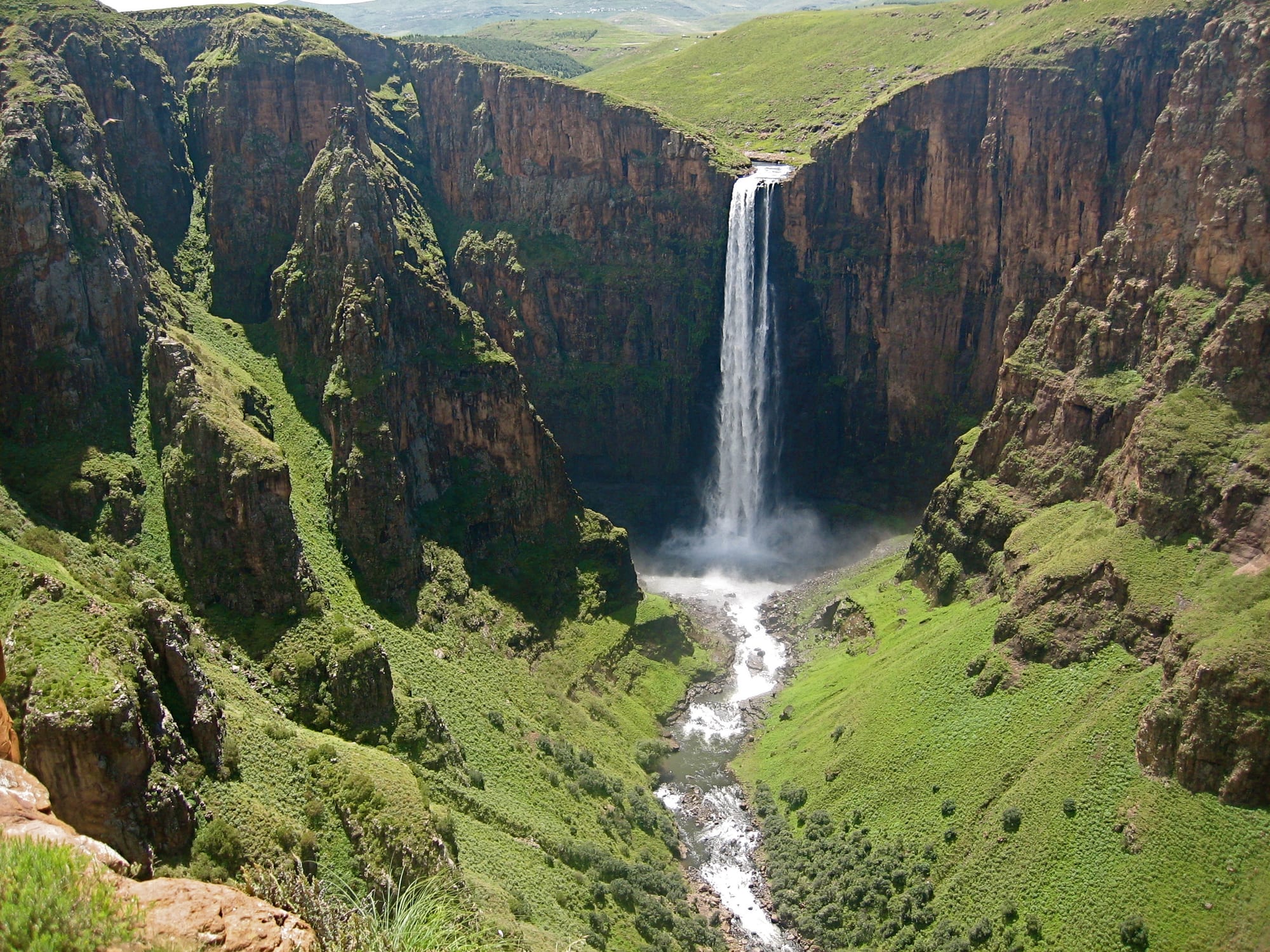
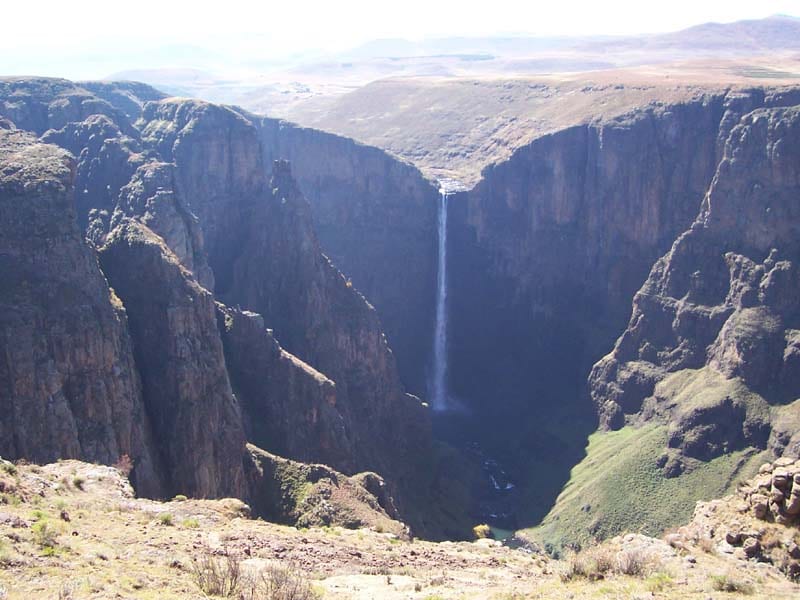
Maletsunyane Falls, near the remote village of Semonkong ("place of smoke", for the mist the falls throw up), drops 192 metres in a single fall — among the tallest in southern Africa. Semonkong Lodge offers what once held the Guinness record as the world's longest commercially operated abseil (204 metres), down the face of the falls itself, as well as pony trekking and hiking to viewpoints.
Semonkong is a rough half-day's drive from Maseru.
2. The Sani Pass
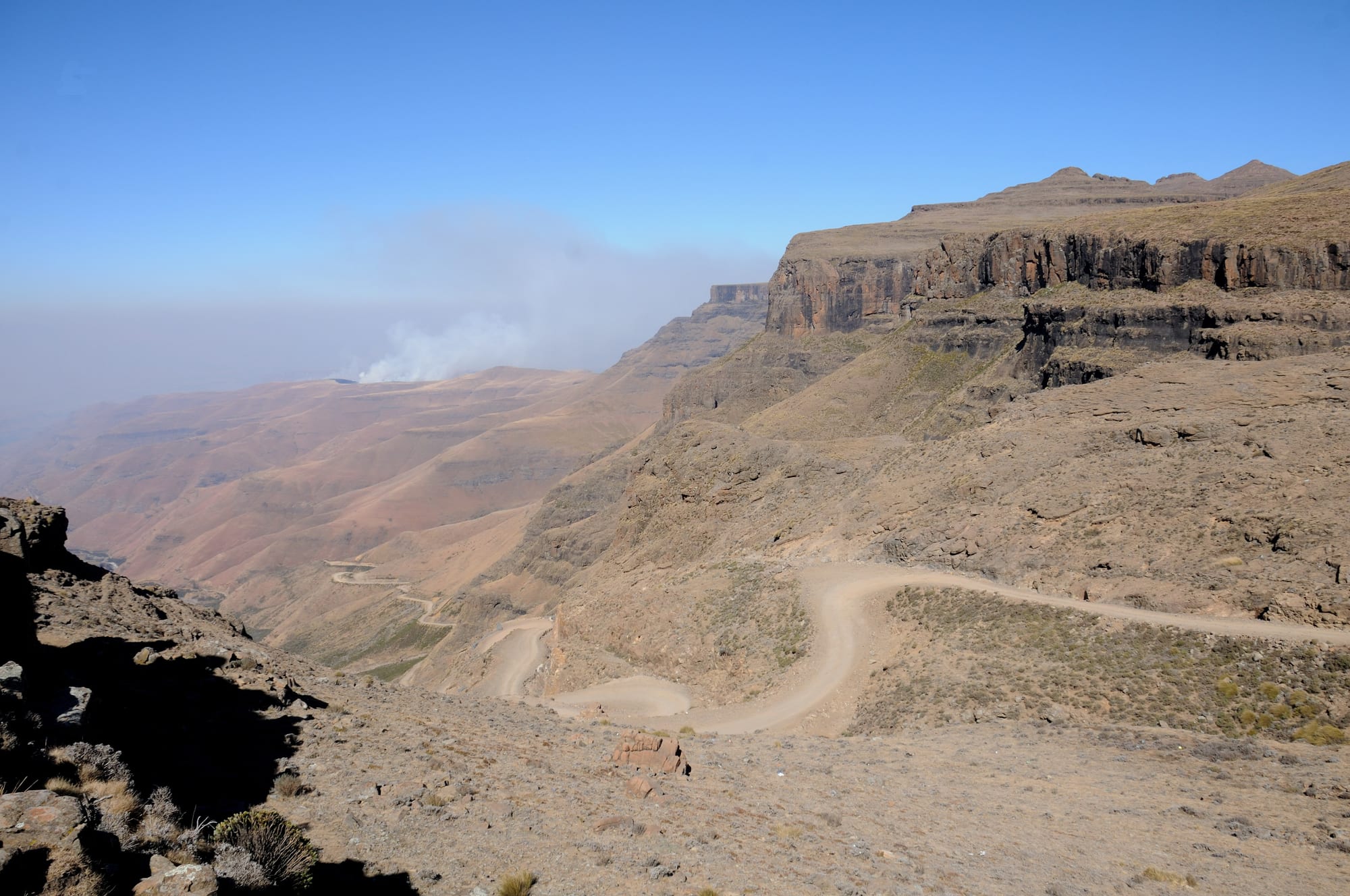
The Sani Pass is Lesotho's most dramatic border crossing — a steep mountain road with sharp switchbacks climbing the Drakensberg escarpment from South Africa to 2,876 metres, on which South Africa generally allows only 4x4 vehicles. Beyond the top, the road runs on across the high, treeless highlands toward Mokhotlong.
It is often done as a guided day trip from the South African side.
3. Thaba Bosiu
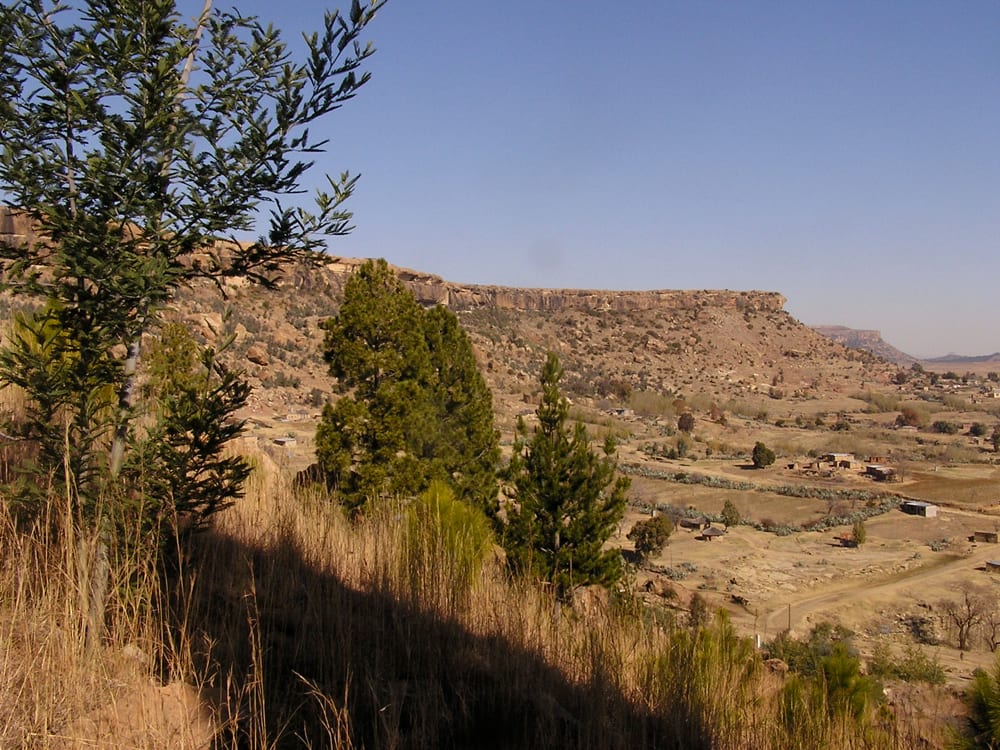
Thaba Bosiu ("Mountain at Night"), about 24 kilometres east of Maseru, is Lesotho's most important historical site — the flat-topped sandstone plateau where King Moshoeshoe I united the Basotho people in the 1820s and repelled repeated attacks. It was named for his people's arrival there at night, and he spread word that the mountain grew larger after dark to unnerve his enemies. His grave and that of Moshoeshoe II are on the summit, reached by a guided walk.
A cultural village and information centre at the base tell the story of the kingdom's founding.
4. The Katse Dam
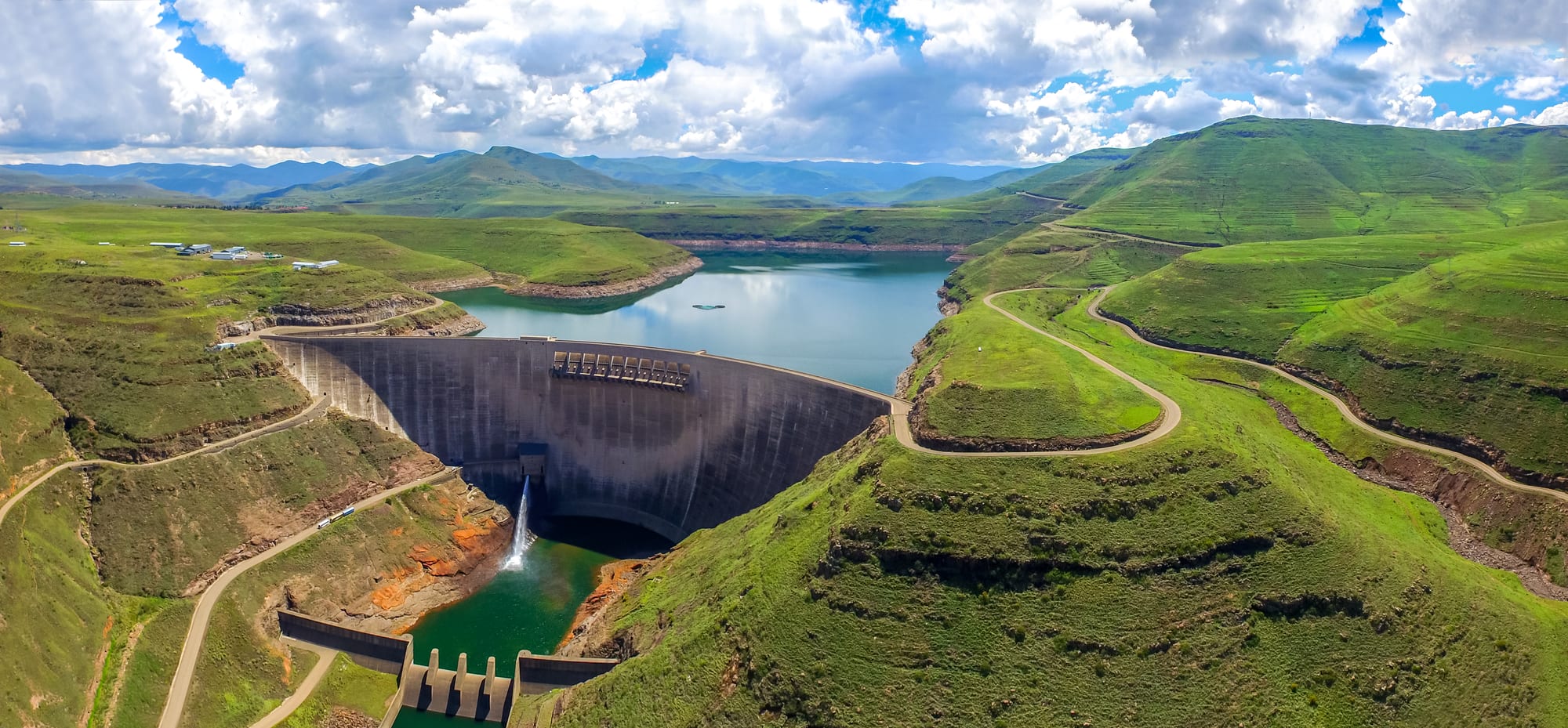
Katse Dam, deep in the central highlands, is one of the largest double-curvature arch dams in Africa — the engineering heart of a scheme that captures Lesotho's mountain water, its most valuable export, and pipes it to South Africa's Gauteng industrial region, generating hydropower for Lesotho in return. The drive there, over high paved mountain roads built for the scheme, is itself a highlight.
The nearby Katse Botanical Gardens were set up to house plants rescued from the flooded valley.
5. Ts'ehlanyane National Park
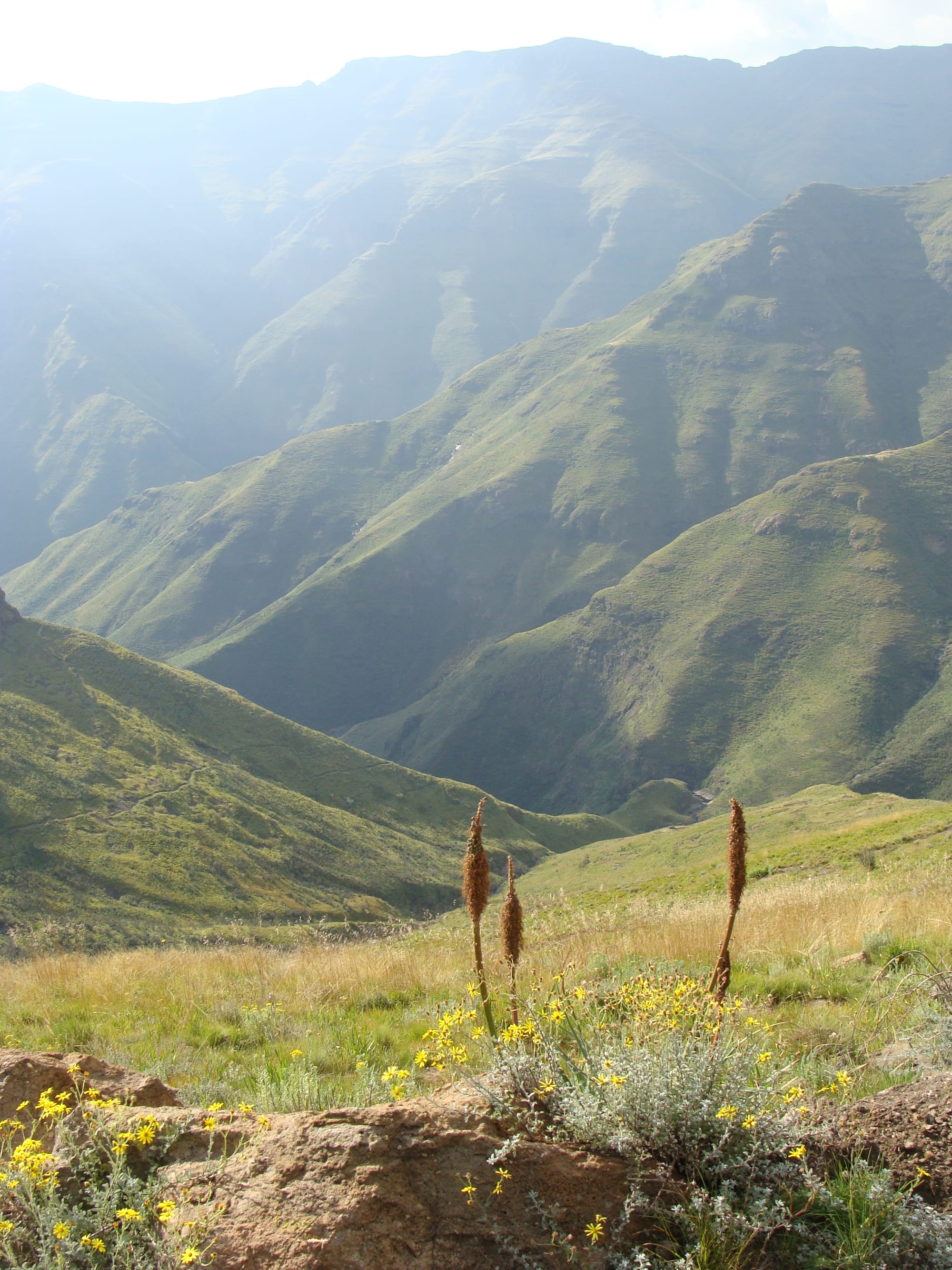
Ts'ehlanyane, in the northern Maloti mountains, protects one of Lesotho's few stands of indigenous forest, of cheche (Leucosidea) trees, and a deep river valley with hiking and pony trails, linked by a two- to three-day hike along the alpine plateau to Bokong Nature Reserve. Its forest and rivers make it one of the most rewarding places to walk in the northern highlands.
It lies in Leribe District, about 45 minutes on tarred road from the Caledonspoort border post.
6. Malealea and pony trekking
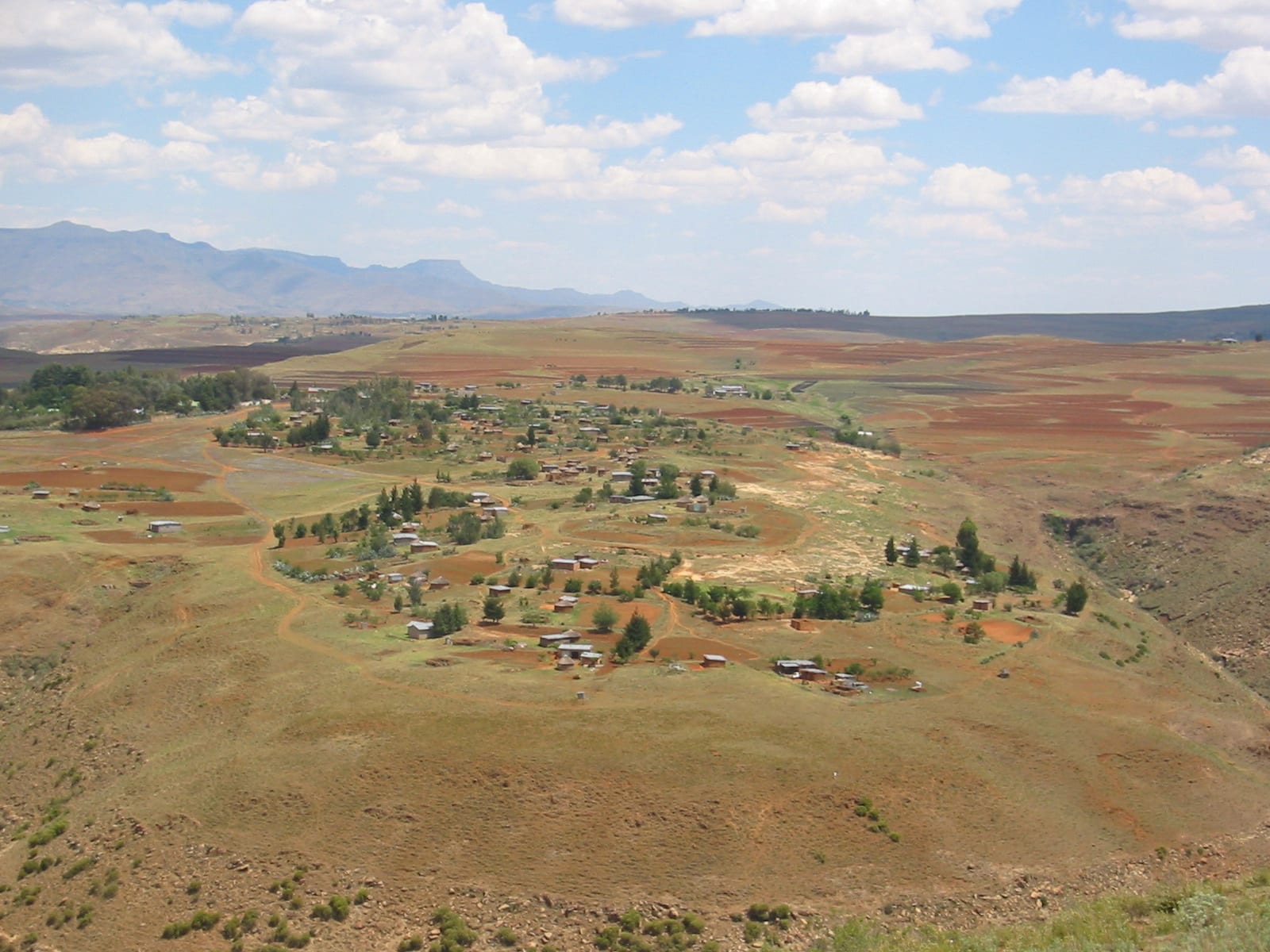
Malealea, in the western highlands, is Lesotho's best-known base for pony trekking — day rides or multi-night trips on sure-footed Basotho ponies to waterfalls, San rock-art sites, and remote villages, sleeping in local huts along the way. The lodge here, a former trading station, also hosts regular performances by local musicians.
It is a classic way to experience rural highland Lesotho without a 4x4.
7. The Roma Valley
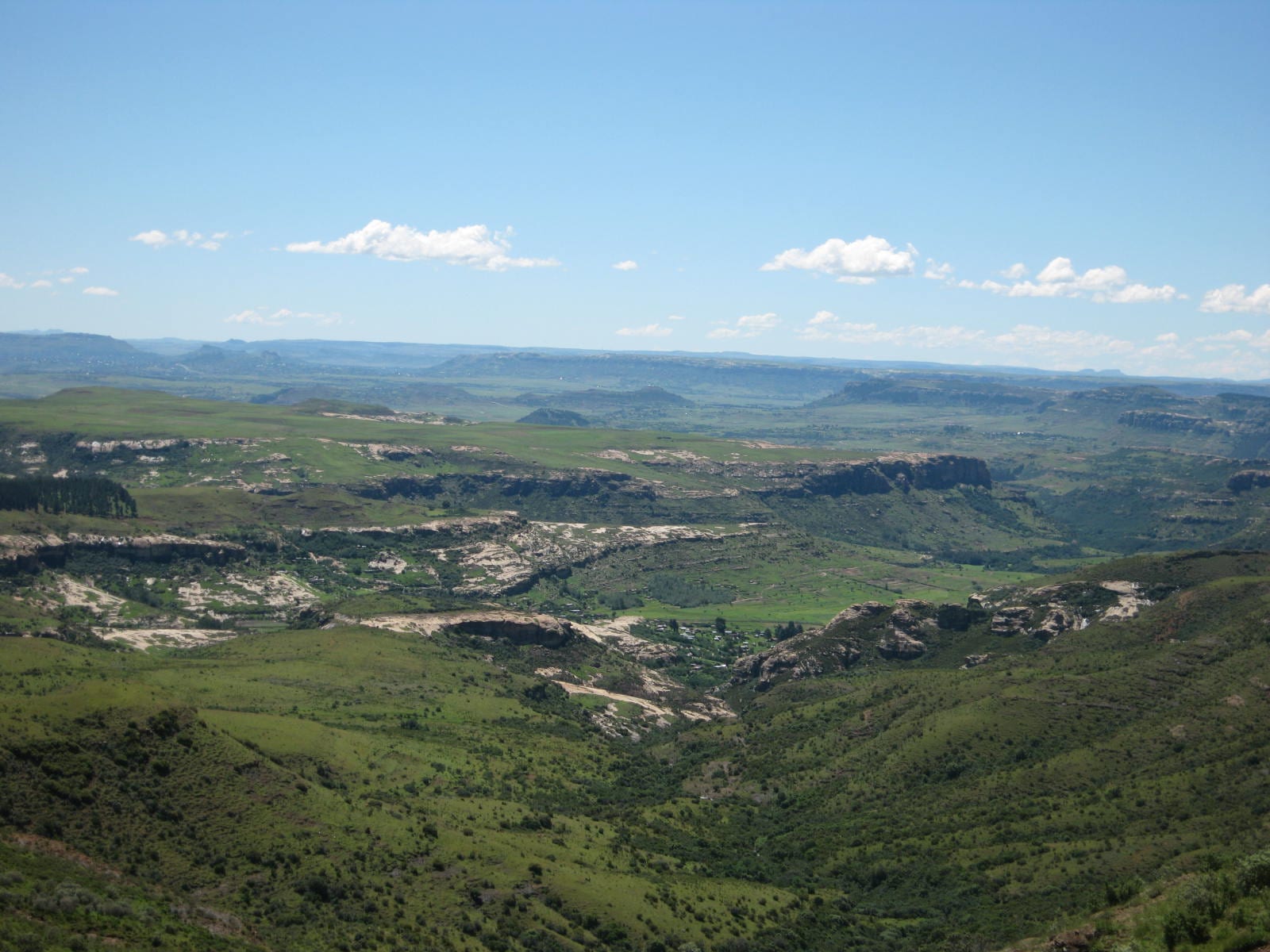
Roma, southeast of Maseru, is a fertile valley town and the seat of the National University of Lesotho, with dramatic sandstone cliffs and a mission dating to 1862. Nearby, exposed rock on the university campus and the Roma Plateau preserves many dinosaur footprints.
It is an easy half-day from the capital.
8. Maseru
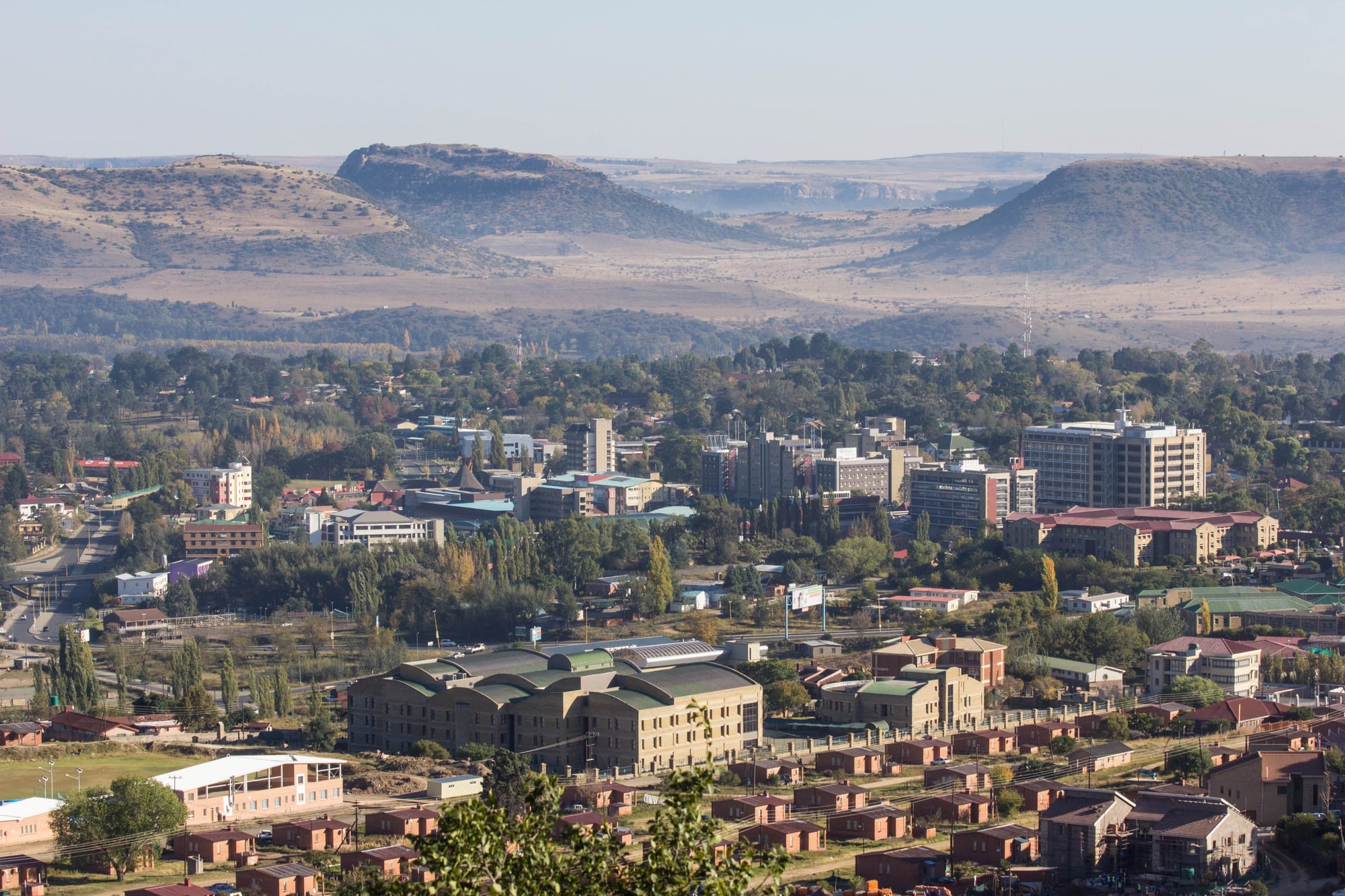
Maseru, the capital, is small and low-key by regional standards, sitting right on the South African border. It has busy markets and street vendors and craft shops selling Basotho blankets and other local work.
Most visitors pass through quickly on their way to the mountains, but it has the country's main airport and border crossings.
Lesotho is a country for the highlands, not the capital. A week allows a loop through Semonkong, the Sani Pass, and one or two of the mountain parks, with a day either side in Maseru; renting a proper 4x4 (or a driver who has one) is essential outside the main roads.