Food · Lesotho
Lesotho: Food and the National Dish
A firm maize porridge eaten with wild greens and meat, in a mountain kingdom whose entire border sits inside South Africa
By Globeway Editorial · 30 September 2026
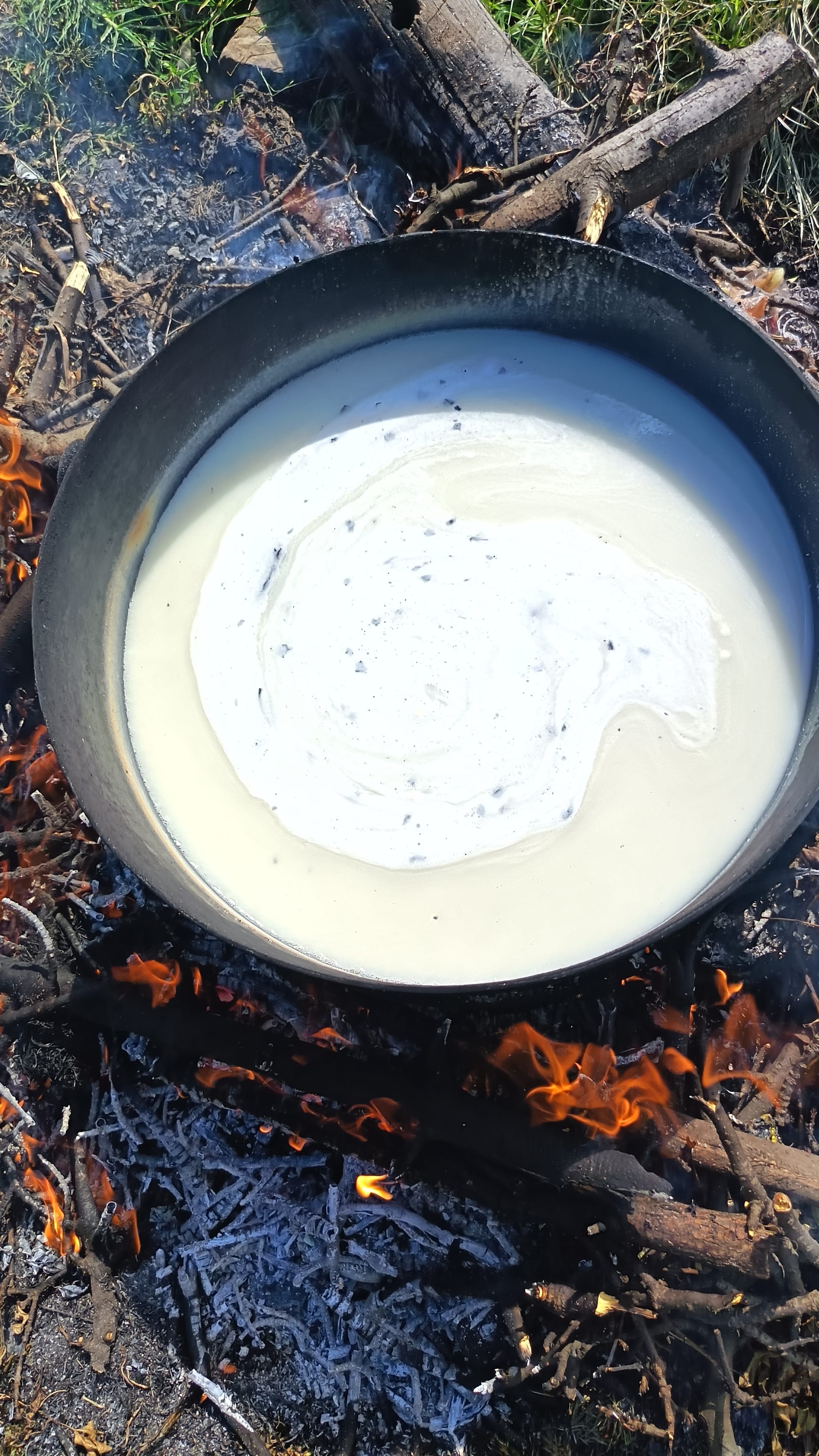
A mountain kingdom's everyday plate
Lesotho, a small, entirely mountainous country surrounded on all sides by South Africa, shares the same basic food pattern found across much of Southern Africa: a stiff maize porridge eaten with a vegetable relish or meat. Its high altitude and cool climate, unusual for the region, shape a farming and herding culture built around sheep, cattle and whatever crops survive at elevation.
The everyday staple: papa
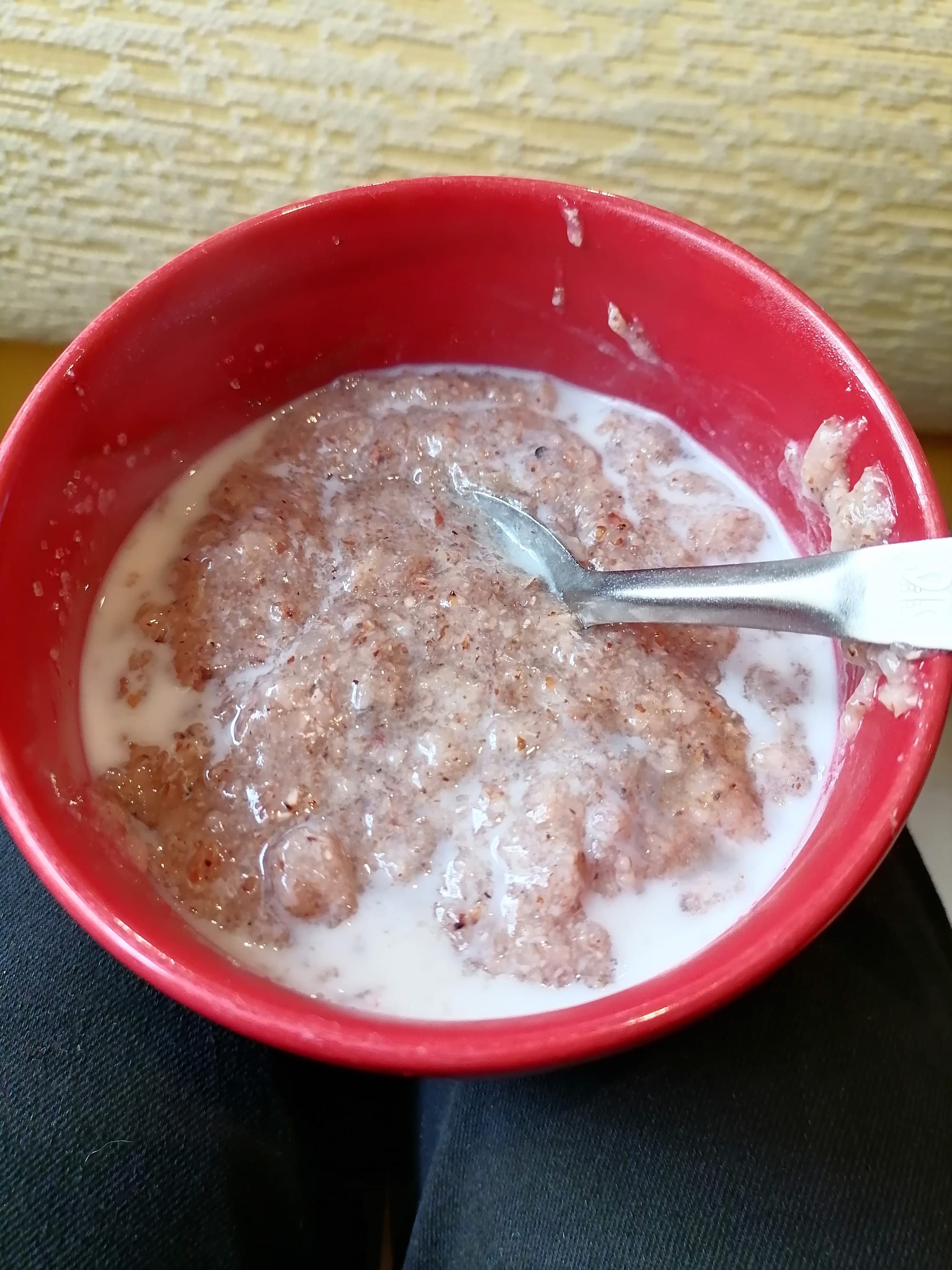
Papa, a firm porridge made from ground maize meal, is the staple food eaten daily across Lesotho, usually served with moroho, a dish of wild or cultivated leafy greens, and meat or a bean stew when available. Motoho, a fermented sorghum porridge often taken for breakfast, is the dish most often named as Lesotho's national dish, but papa and moroho together form the meal most Basotho households actually eat, closely paralleling the maize-and-relish pattern found in neighbouring South Africa, Botswana and Eswatini.
Herding, altitude and the Basotho pantry
Sheep and cattle herding carries real cultural and economic weight in Lesotho, tied closely to Basotho identity and to the country's internationally known wool and mohair exports. Sorghum, once the region's dominant grain before maize became widespread, survives today in motoho and in joala, a traditional fermented beer still brewed in Basotho households and communities.
History behind the plate
Maize, a crop from the Americas that reached Southern Africa through European trade, gradually displaced sorghum and millet as the region's dominant staple, a shift reflected directly in papa's current everyday role in Lesotho. The country's mountainous terrain, lying entirely above 1,000 metres, has long limited large-scale farming, reinforcing a food culture built as much around livestock as around crops.
Dishes to know
A few more staples worth recognising in Lesotho:
- Moroho — wild or cultivated leafy greens, cooked and served alongside
papa.
- Joala — a traditional fermented maize or sorghum beer, brewed at home
and shared communally.
- Likhobe — a filling traditional dish of beans cooked with samp
(crushed maize) or sorghum.
- Fat cakes — balls of fried dough, similar to South African vetkoek,
a common snack.
- Sesotho bread — a loaf baked in a pot over coals, a staple of rural
meals.
Eating as a traveller
Vegetarians can rely on papa, moroho and bean dishes, though meat is valued and served when available given the importance of livestock to Basotho households. Tap water is not reliably safe in much of the country; bottled or boiled water is the safer choice. Lesotho's mountain villages, reachable on horseback in many areas, offer a genuine, unpolished look at how Basotho families actually cook and eat day to day.
What to take from the table
Papa with moroho, plain and dependable, is the meal that best represents everyday Basotho food — proof that a country's food doesn't need a single famous dish to say something real about how its people live.