History · Lesotho
Lesotho: The Kingdom in the Sky
A mountain nation forged by Moshoeshoe I during the wars of the 1820s, surrounded entirely by South Africa — saved from annexation by British protection, and living now on migrant wages and exported water
By Globeway Editorial · 30 September 2026
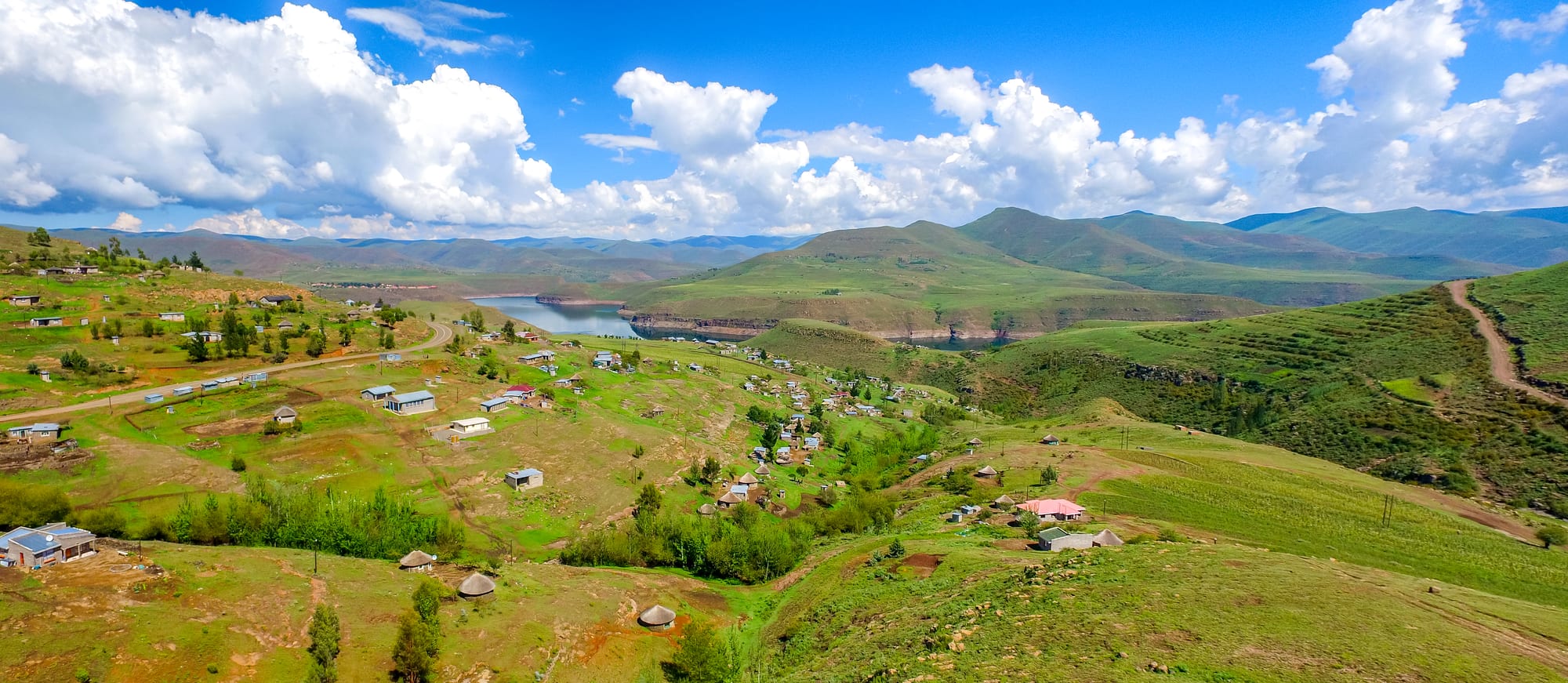
A nation on a mountain
Lesotho is a small kingdom of high plateaus and jagged peaks — the "Kingdom in the Sky" — surrounded on every side by South Africa, one of only three fully enclaved countries in the world. Its 2.3 million people, the Basotho, occupy a homeland much smaller than the one their founder held, because the fertile lowlands were lost to Boer settlers in the 19th century. That loss, and the country's total dependence on its giant neighbour for jobs, trade and water, are the defining facts of its history.
A short history
- to c. 1800
San and farmers
Hunter-gatherers, then Sotho-Tswana farmers, in the highlands.
- c. 1820s
The founding
Moshoeshoe I gathers refugees on Thaba Bosiu during the Difaqane.
- 1833
The missionaries
French Protestants arrive as advisers and bring literacy.
- 1858–1868
Wars with the Boers
Basotho lose the arable lowlands west of the Caledon.
- 1868
British protection
Britain annexes Basutoland, saving the kingdom.
- 1910
Kept separate
Basutoland is not folded into the Union of South Africa.
- 1966
Independence
The Kingdom of Lesotho.
- 1970
The annulled election
Prime Minister Jonathan seizes power.
- 1998
SADC intervention
South African and Botswanan troops enter after unrest.
Moshoeshoe's kingdom
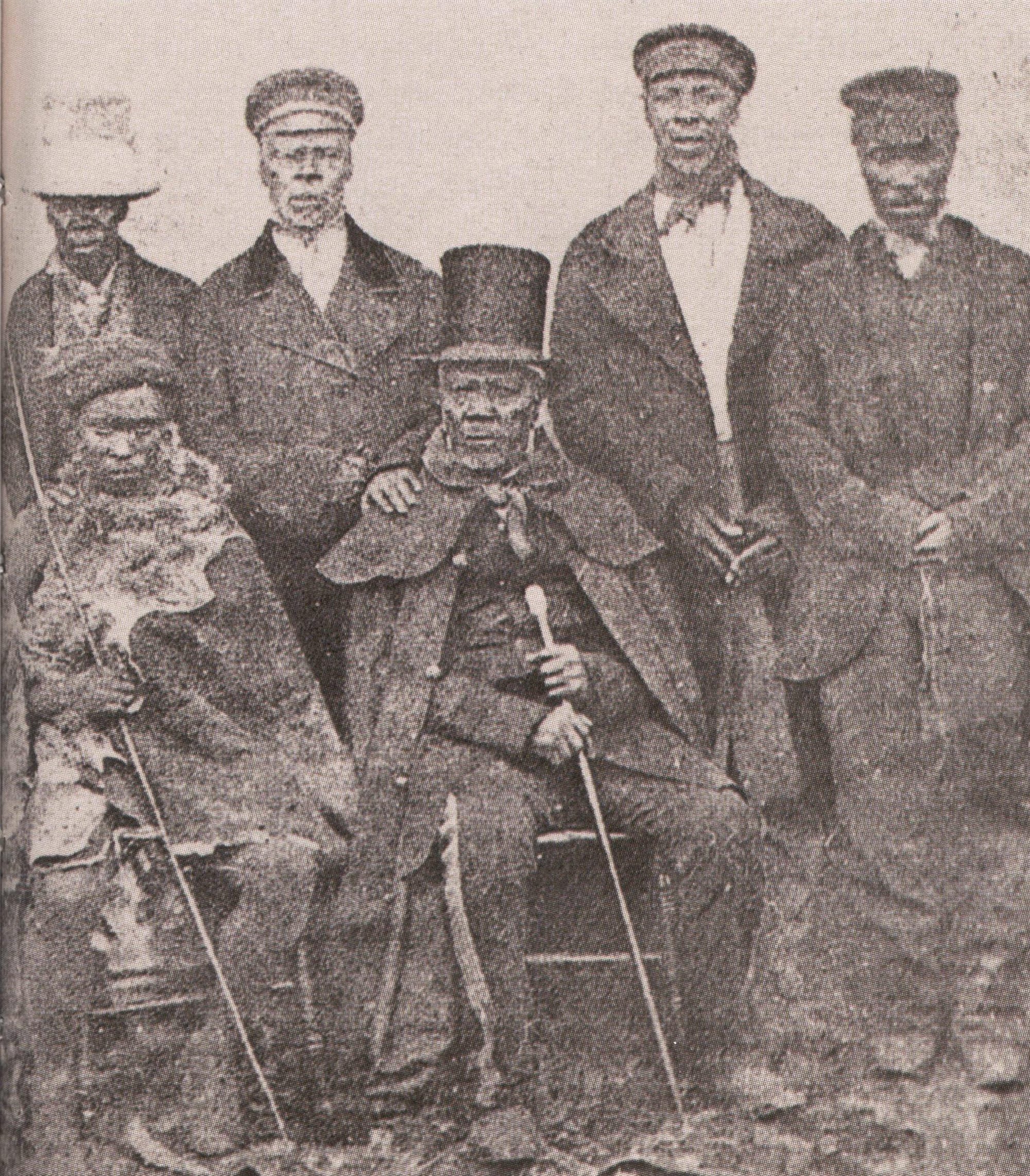
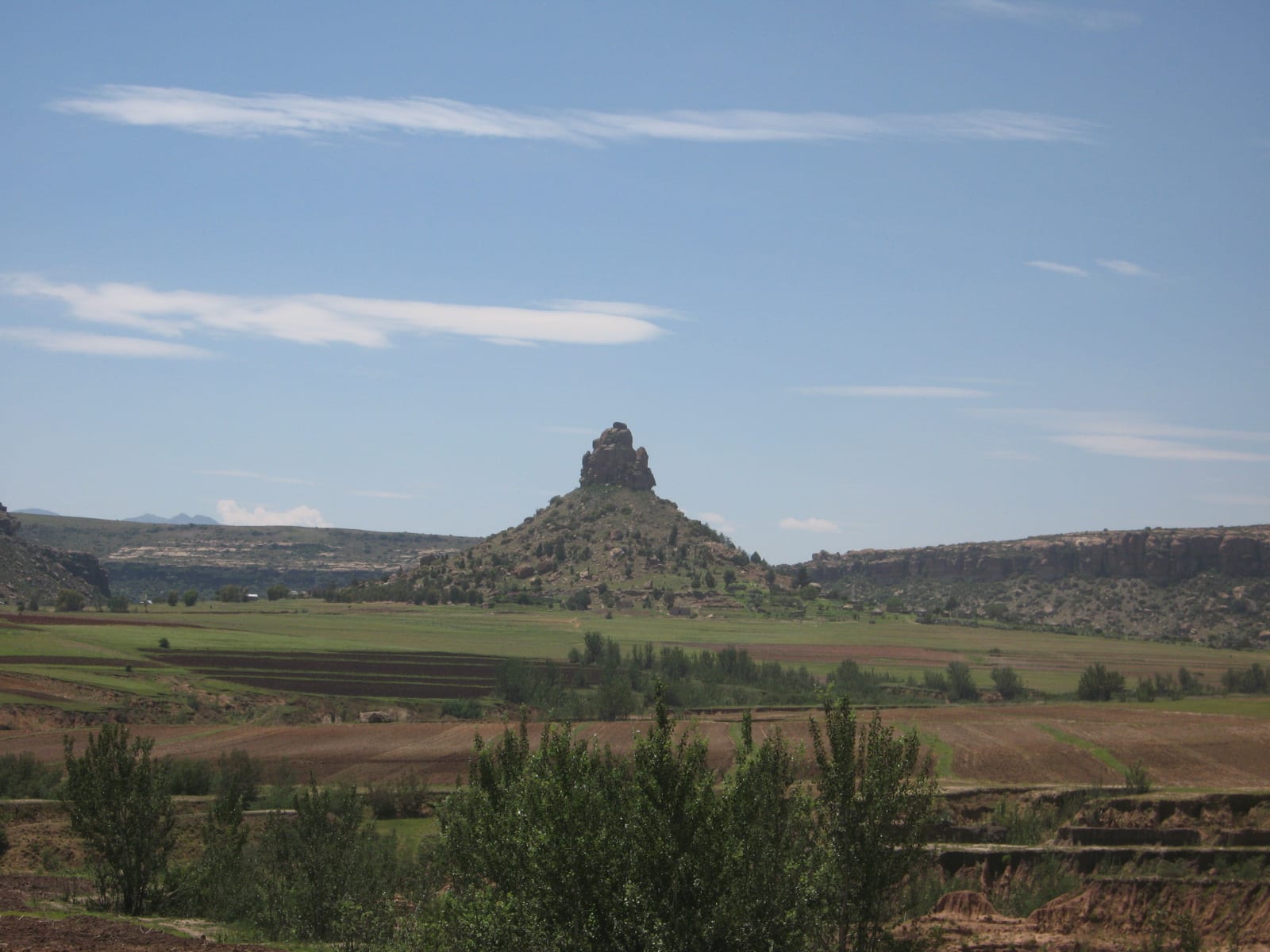
The highlands were long home to San hunter-gatherers — who left rich rock art in the Maloti-Drakensberg — and later to Sotho-Tswana farmers. The Basotho nation itself was created in the 1820s by Moshoeshoe I, a minor chief who, amid the wars and mass displacements of the Difaqane, gathered refugees and broken clans onto the flat-topped mountain of Thaba Bosiu and welded them into a kingdom through diplomacy, cattle and alliance.
The founding
The wars, and British protection
From the 1840s, Boer settlers of the Orange Free State pushed onto Basotho farmland west of the Caledon River. Wars in 1858 and 1865–68 went badly for the Basotho, who lost most of their best arable land — the "Conquered Territory", still a grievance. To avoid destruction, Moshoeshoe asked Britain to take Basutoland under its protection, which it did in 1868, freezing the kingdom's reduced borders. Basotho resistance later defeated a Cape Colony attempt to disarm them in the 1880 "Gun War".
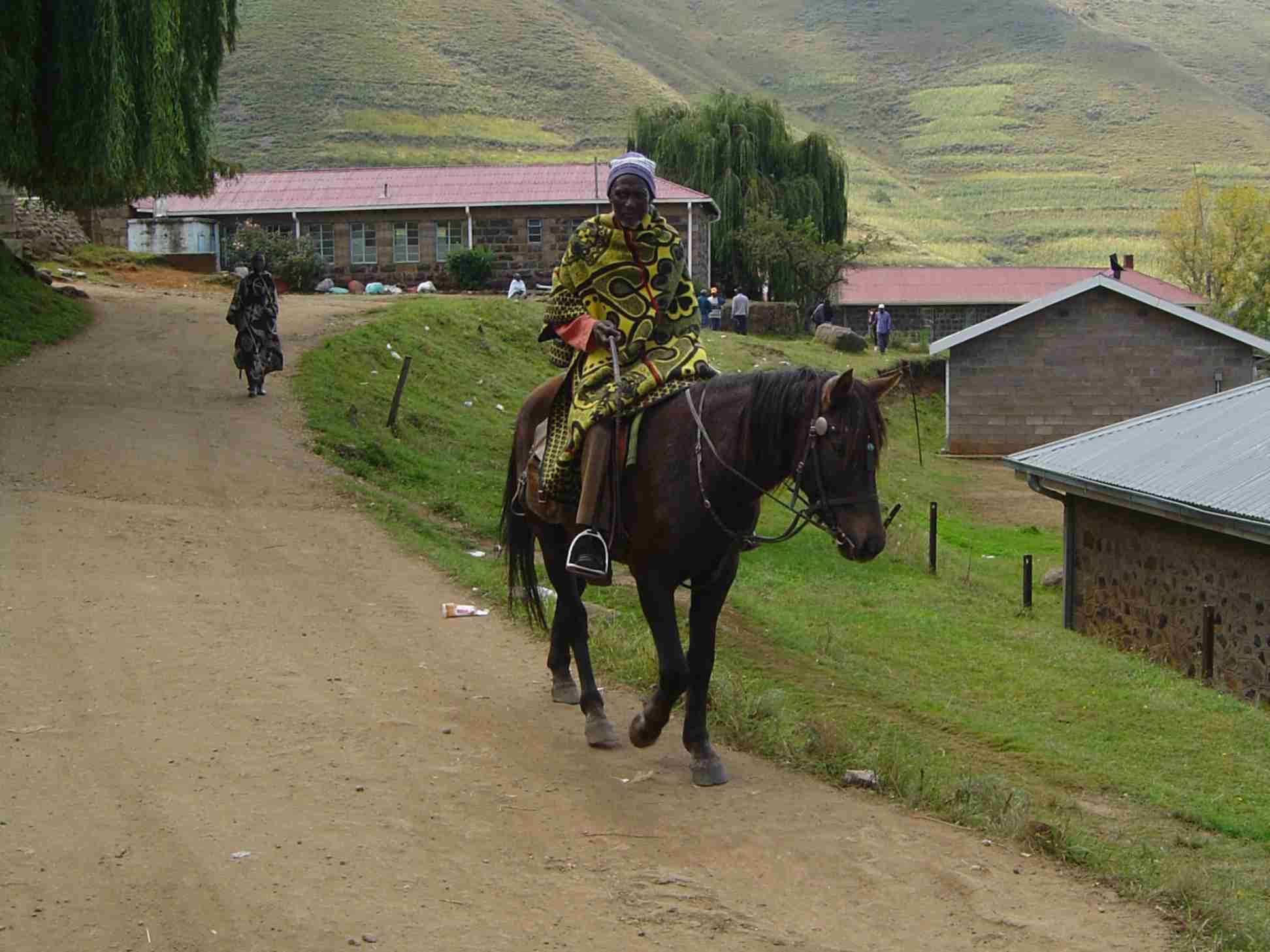
The decisive step came in 1910: when the Union of South Africa was created, Basutoland was kept a separate British territory rather than absorbed. That is why Lesotho is an independent country today and not a South African province. It became a labour reserve, its men migrating in vast numbers to South Africa's mines and farms, their wages sustaining the economy for generations.
Independence, and instability
Lesotho became independent on 4 October 1966 as a constitutional monarchy. Politics soured almost immediately: Prime Minister Leabua Jonathan lost the 1970 election, annulled the result, and ruled autocratically for 16 years — while, unusually, sheltering the ANC against apartheid South Africa, which retaliated by virtually closing the border. Jonathan was overthrown in a 1986 military coup made under pressure from Pretoria; democracy returned in 1993.
Post-1993 Lesotho has been chronically unstable — army crises, an alleged coup attempt in 2014, the assassination of two army commanders, and repeated mediation by the Southern African Development Community. In 1998, after a disputed election, political unrest brought South African and Botswanan troops into Maseru under a SADC mandate; parts of the capital were looted and burned.
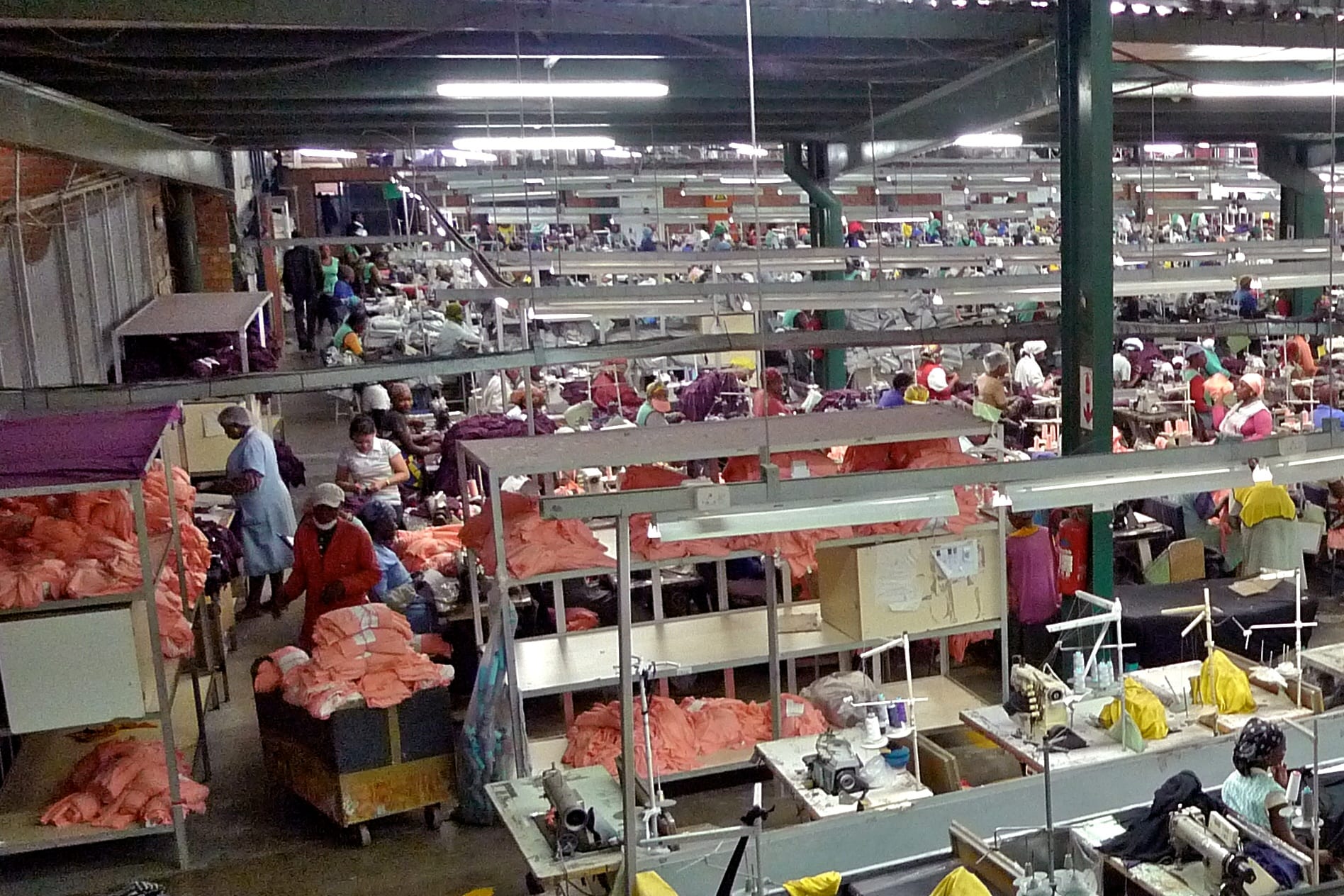
The modern economy rests on the Lesotho Highlands Water Project, which sells water to South Africa, on garment factories exporting to the United States — hit hard in 2025 when a steep US tariff, later cut to 15 per cent, closed factories and cost thousands of jobs — on diamonds, and on remittances — much reduced since the mining industry shed jobs. Lesotho has one of the world's highest HIV rates, severe soil erosion, and high youth unemployment.
What Lesotho carries
Lesotho exists because Moshoeshoe made a nation on a mountain and then, seeing he could not win militarily, chose British protection over annihilation — and because Britain later kept Basutoland out of South Africa. Both choices preserved the kingdom while confining it: to a fraction of its old land, and to a permanent economic orbit around the country that encircles it.