Food · Mauritius
Mauritius: Food and the National Dish
A thin split-pea flatbread sold from street stalls across an Indian Ocean island where Indian, Creole, Chinese and French cooking share the same table
By Globeway Editorial · 30 September 2026
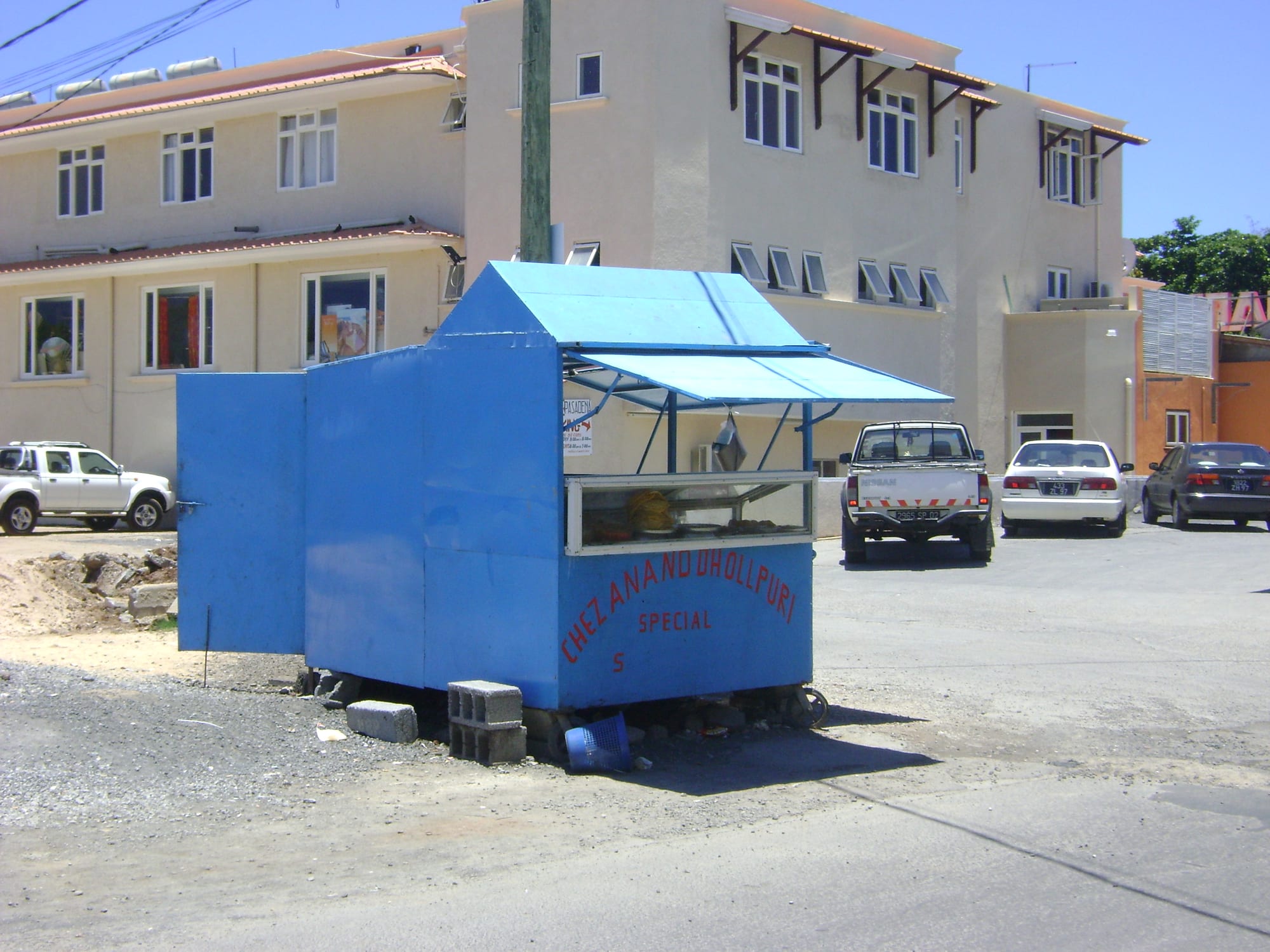
An island where four cuisines genuinely share the table
Mauritius, an Indian Ocean island where about two-thirds of people descend from 19th- and early 20th-century Indian indentured labourers, alongside Creole, Chinese and French communities, has developed a food culture in which the communities have adapted each other's dishes over time. Some dishes are eaten across every group, while others stay linked to one community.
The street food icon: dholl puri
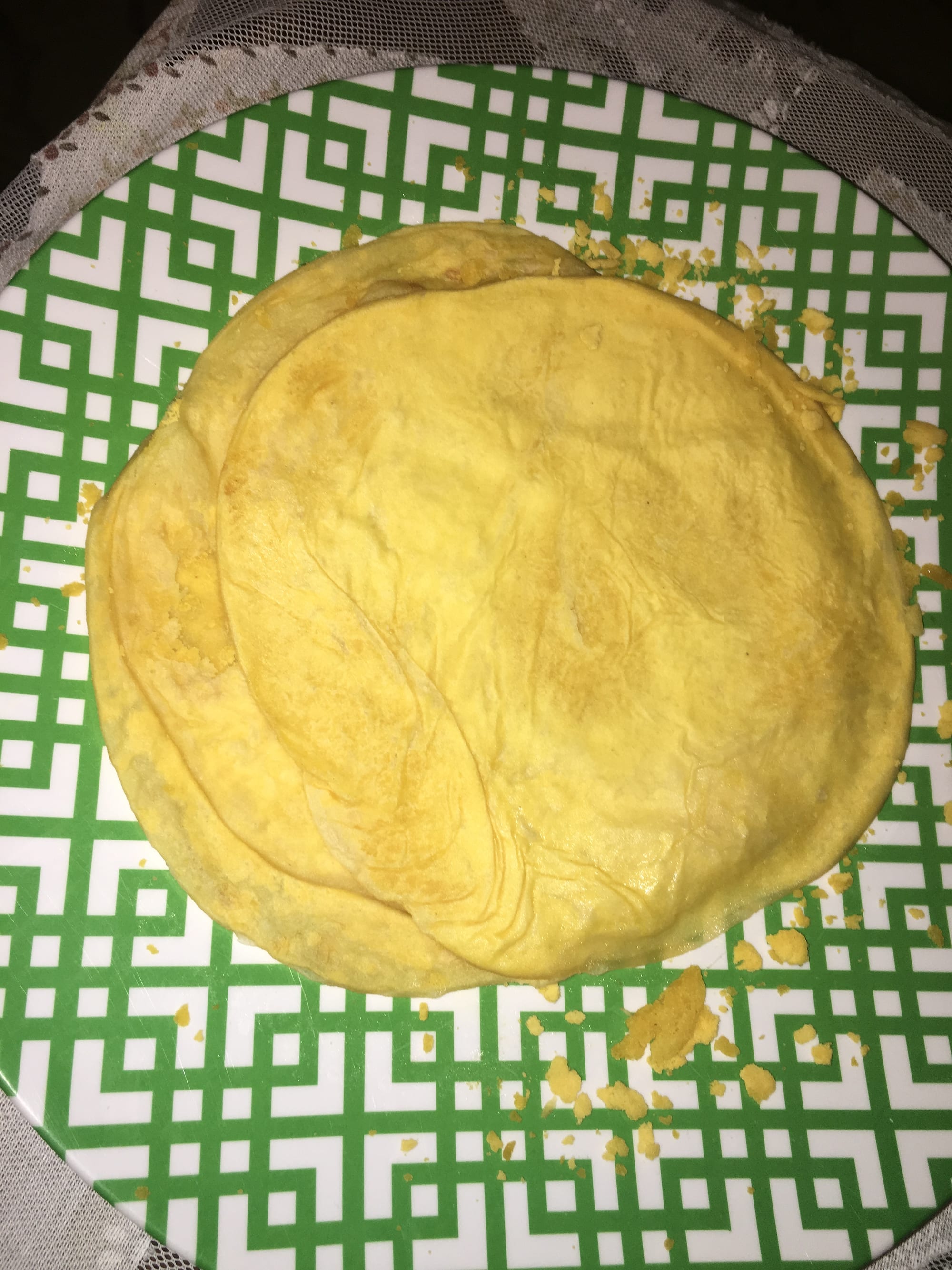
Dholl puri, a thin flatbread of white flour stuffed with ground, spiced yellow split peas and cooked on a griddle, is Mauritius's best-known street food and is considered a national dish. A Mauritian version of the Indian dal puri, brought by indentured labourers, it is sold from roadside stalls and typically wrapped around a bean or pea curry with tomato sauce and pickles, eaten by hand as a quick everyday meal.
Curry, rougaille and a genuinely blended pantry
Curries that usually contain no coconut milk and often use thyme, Creole rougaille (a tomato sauce cooked with onion, garlic, chilli and ginger and eaten with fish, meat or vegetables), and Chinese- Mauritian stir-fried noodles all sit comfortably on the same everyday table. Fresh seafood, thanks to the island's location, and a wide range of tropical fruit round out a pantry shaped by every community that has settled on the island.
History behind the mix
Nearly 700,000 Indian indentured labourers, mostly from the Bhojpuri-speaking regions of Bihar and Uttar Pradesh, arrived in Mauritius between 1834 and 1920, after the abolition of slavery, to work the island's sugar plantations. Their descendants are the largest population group today, and they brought the curry and flatbread traditions that now define much of Mauritian street food. Earlier African and Malagasy heritage from the island's slavery-era population shaped Creole cooking, while French and, from 1810, British rule, and a smaller Chinese community, added their own layers, from French tarts and afternoon tea to fried noodles and fried rice.
Dishes to know
Five more to recognise across Mauritius:
- Rougaille — a Creole tomato sauce with onion, garlic, chilli and
ginger, eaten with fish, sausage or meat.
- Mine frite — Sino-Mauritian fried noodles, widely eaten and a
customary dish at Sino-Mauritian birthday celebrations.
- Gateau piment — small deep-fried split pea and chilli fritters, a
popular street snack.
- Ourite curry — octopus curry, one of the many seafood curries of
the island.
- Briani — Mauritian biryani, a spiced rice and meat dish often
cooked for celebrations.
Drinks
Rum, distilled from the island's sugarcane, is made by several local distilleries, an industry whose roots go back to French colonial times. Tea, grown on plantations such as those first set up at Nouvelle France and Chamarel, and alouda, a sweet, cold milk drink with basil seeds and agar jelly, round out the island's distinctive drinking traditions.
Eating as a traveller
Vegetarians eat well in Mauritius, thanks to the island's strong Indian- influenced vegetarian cooking traditions, including vegetable curries and dholl puri itself. Bottled water is widely used by visitors. Trying dholl puri from a roadside stall, rather than a restaurant version, is the simplest way to taste Mauritius's everyday food culture.
What to take from the table
Dholl puri, folded, filled and eaten on the go, is the dish that best represents Mauritius's food identity — an everyday product of an island where several food cultures share the same table.