History · Morocco
Morocco: The Western Kingdom
The one North African land the Ottomans never took — home of Berber empires that ruled Muslim Spain, a sharifian monarchy since the 1660s, a French protectorate for 44 years, and the disputed Western Sahara
By Worldlore Editorial · 30 September 2026
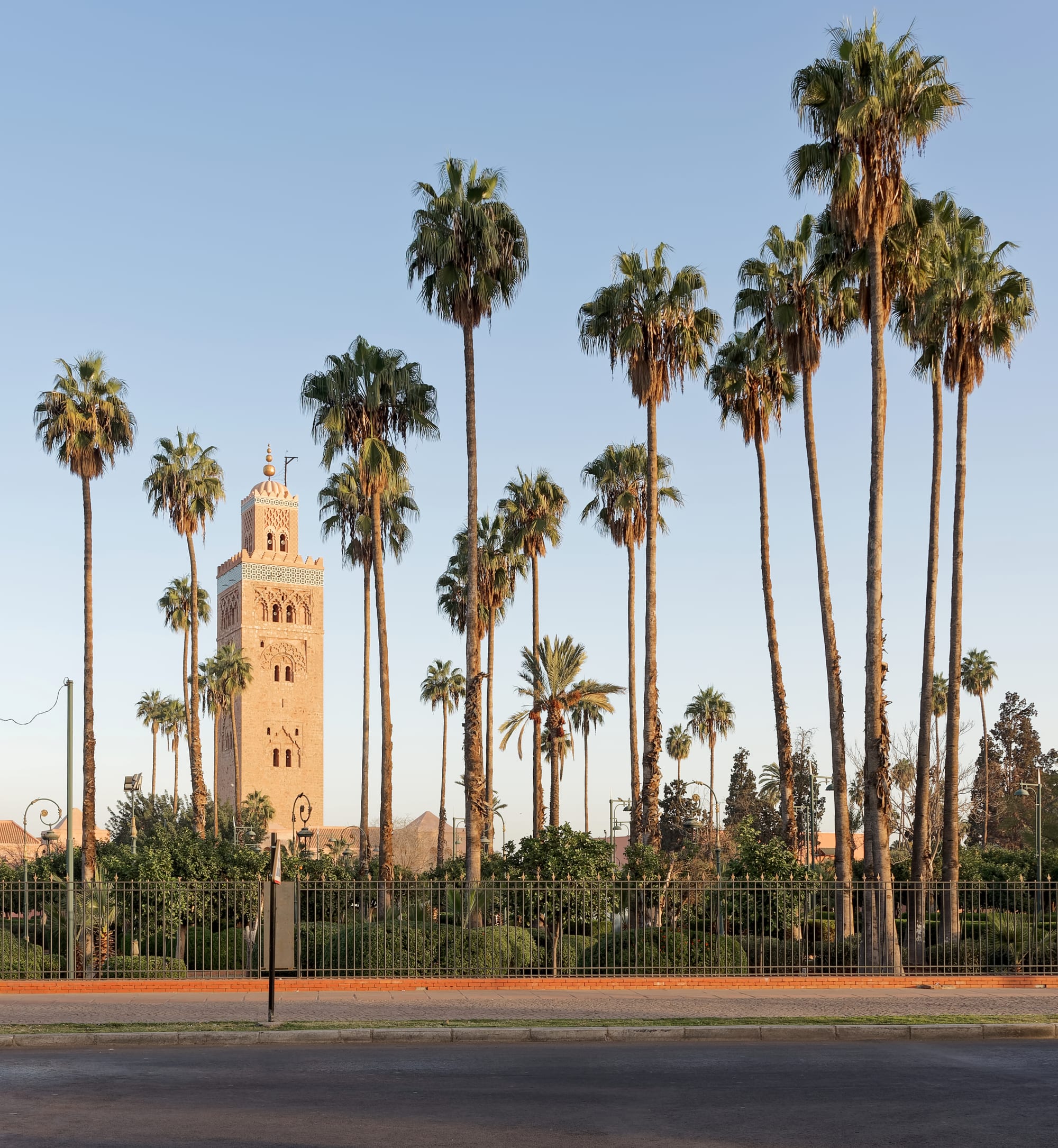
The far west of the Muslim world
Morocco — al-Maghrib al-Aqsa, "the far west" — occupies the north-western corner of Africa, facing Spain across the Strait of Gibraltar. It is the one country in North Africa the Ottoman Empire never ruled, and one of the few in Africa that escaped formal colonisation until the 20th century, and then only for 44 years. It has been governed by the same dynasty, the Alaouites, since the 1660s. Its population of 37 million is Arab and Amazigh (Berber), and its king holds the religious title Commander of the Faithful.
A short history
- c. 44 CE
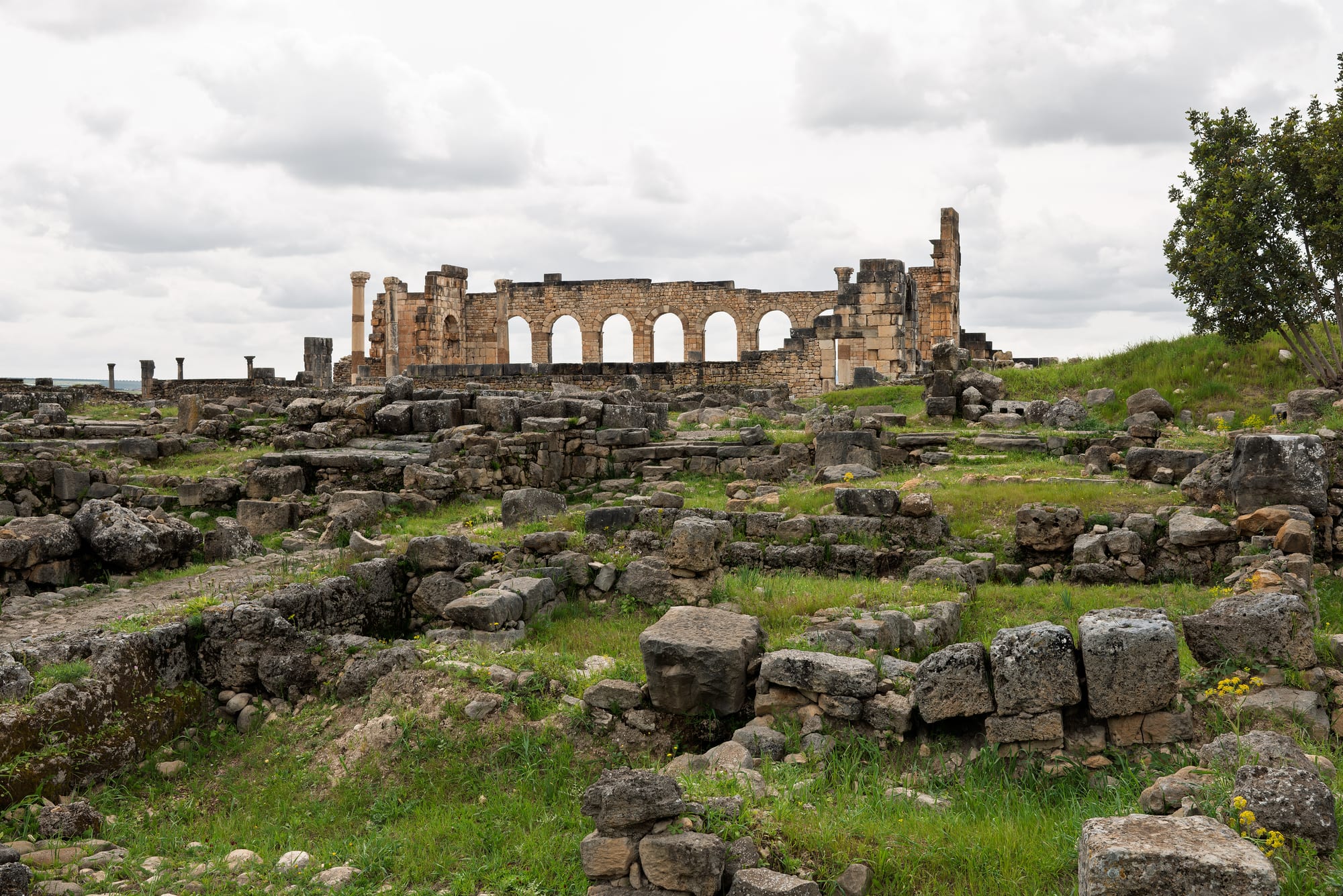
Roman Mauretania
The north becomes a Roman province; Volubilis its inland city.
- 788
The Idrisids
Idris I founds the first Moroccan Muslim state; he and his son found Fez.
- c. 1040–1147
Almoravids
A Saharan Berber empire; Marrakesh is founded.
- c. 1121–1269
Almohads
Berber rule from the Atlantic to Libya and southern Spain.
- 1578
Alcácer Quibir
The Saadians crush a Portuguese invasion.
- from c. 1666
The Alaouites
The current sharifian dynasty takes power.
- 1912
The Protectorate
France and Spain divide Morocco; the sultan is kept as a figurehead.
- 1921–1926
The Rif War
Abd el-Krim defeats Spain before a joint offensive crushes the revolt.
- 1956
Independence
Morocco regains sovereignty under Mohammed V.
- 1975
The Green March
Morocco claims the Western Sahara as Spain withdraws.
Berbers, Rome, and Islam
The Amazigh peoples are indigenous to North Africa, and Morocco holds the oldest known fossils of our species, from Jebel Irhoud. Rome ruled only the north, from Volubilis and the coast, and withdrew by the 5th century.
Idris I, a descendant of the Prophet fleeing the Abbasids, founded Morocco's first Muslim dynasty in 788; he and his son founded Fez, whose Qarawiyyin, established in the 850s, is often called the oldest continuously operating university in the world.
The Berber empires
For two centuries Morocco was the seat of empires that ruled the Maghreb and Muslim Spain. The Almoravids, a Saharan Berber religious-military movement, founded Marrakesh and united Morocco with al-Andalus. The Almohads overthrew them and ruled from the Atlantic to Libya and southern Spain, a high point of philosophy whose caliphs protected Averroes. Their defeat at Las Navas de Tolosa in 1212 was the turning point against Muslim rule in Iberia. The Marinids that followed made Fez a cultural peak, building its great madrasas.
The imperial cities
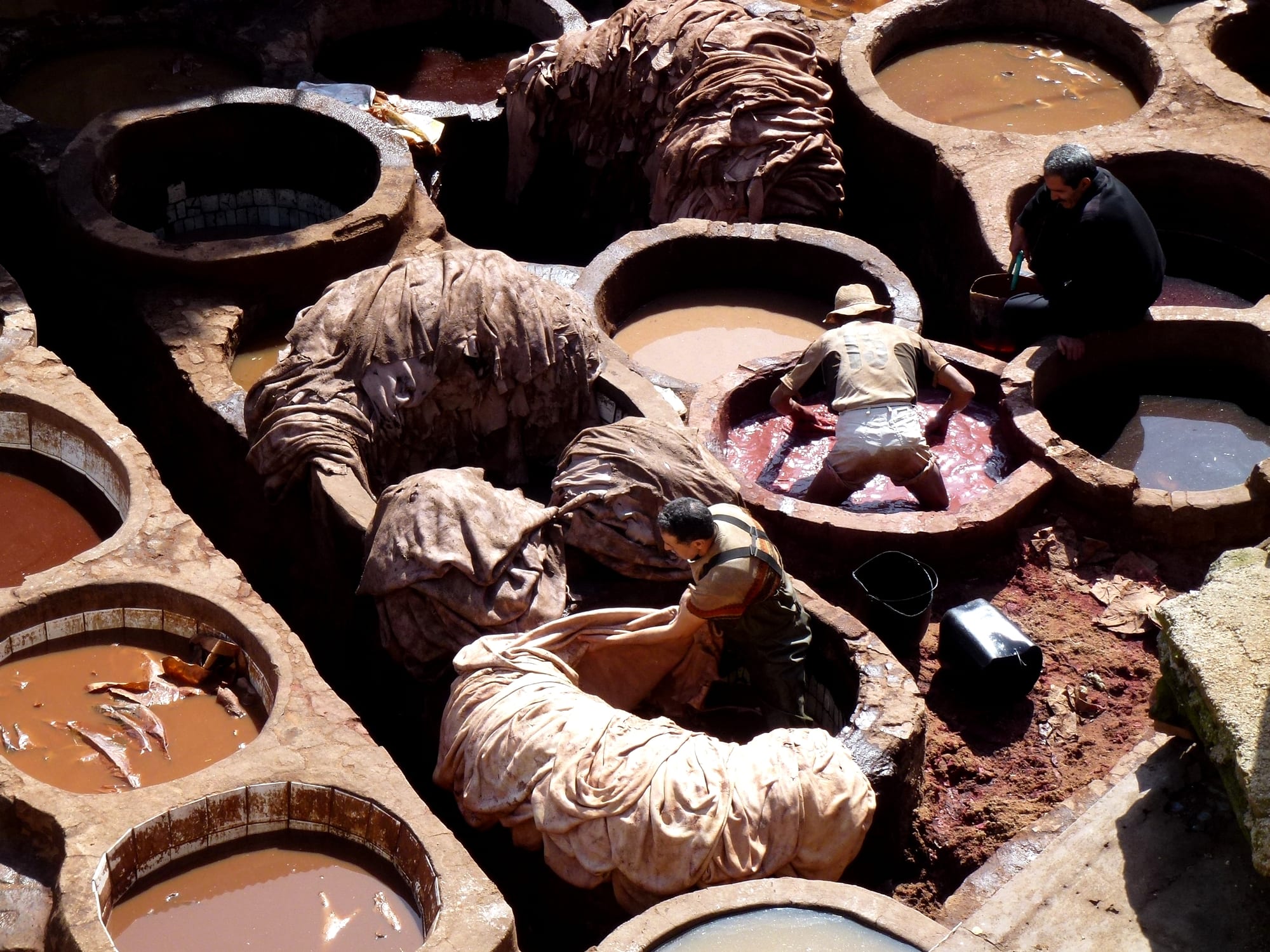
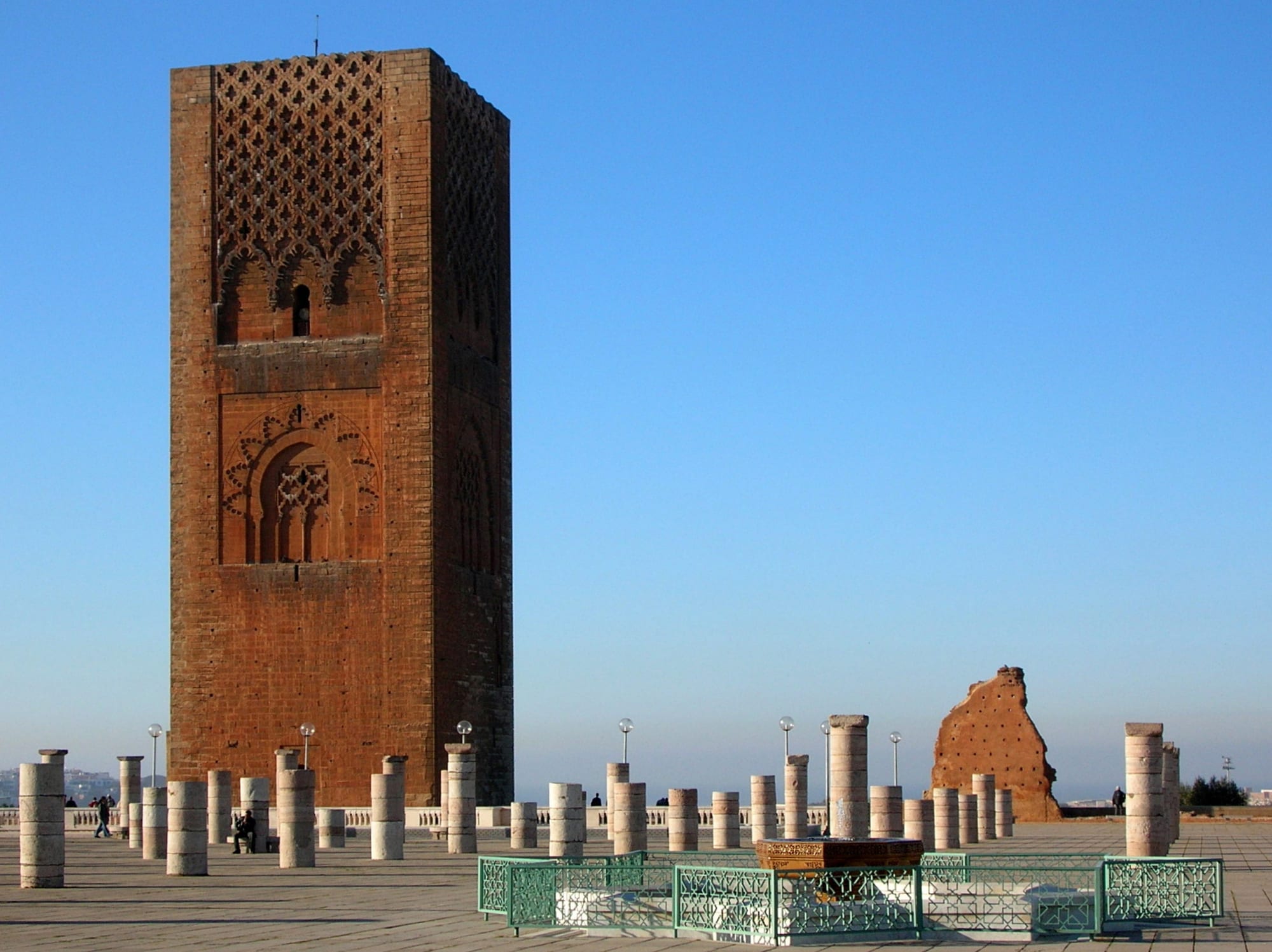
The sharifian dynasties
From the 16th century, Morocco was ruled by dynasties claiming descent from the Prophet. The Saadians rose resisting Portuguese coastal footholds, crushed a Portuguese invasion at Alcácer Quibir in 1578, and sent an army across the Sahara to conquer the Songhai Empire for its gold in 1591. The Alaouites, who took over around 1666 and still rule, produced Moulay Ismail — a long-reigning, formidable sultan who unified the country, built a slave army and an imperial capital at Meknes, and drove the English from Tangier. After him came weaker sultans, wide tribal autonomy, and slow European encroachment.
Protectorate and resistance
Nineteenth-century defeats, debt and forced trade concessions left Morocco exposed, and the European powers agreed to French dominance. The Treaty of Fez in 1912 imposed a French protectorate over most of the country, a Spanish zone in the north and south, and an international zone at Tangier, keeping the sultan as a figurehead.
Resistance and rule
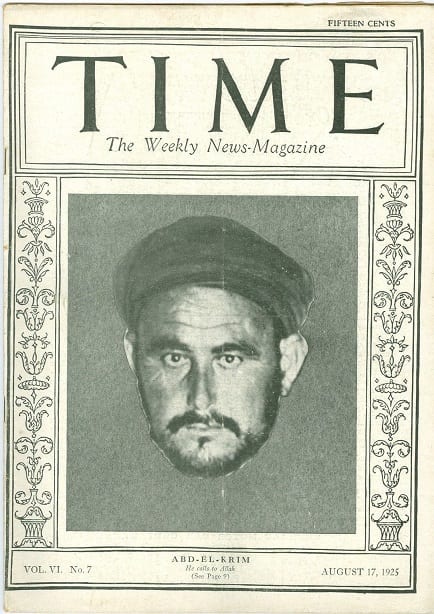
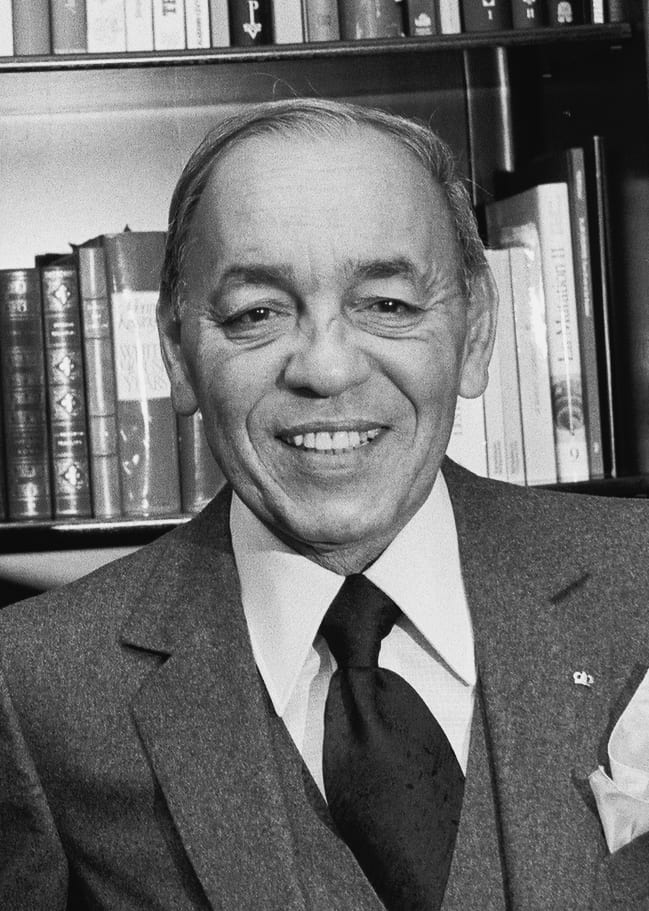
French rule (1912–56) built railways, ports and a modern Casablanca, brought half a million European settlers, and fought long campaigns to subdue the interior. When France deposed and exiled Sultan Mohammed V in 1953, the move backfired, uniting the country behind him; France brought him back and granted independence on 2 March 1956, with Spain giving up its northern zone that April and further territory in 1958 and 1969 — though Spain kept the enclaves of Ceuta and Melilla, which it still holds.
The kings, and the Sahara
Mohammed V is revered as the father of independence. His son Hassan II ruled for 38 years as a shrewd autocrat. In November 1975, as Spain withdrew from the phosphate-rich Western Sahara, he sent some 350,000 unarmed Moroccans marching into the territory — the Green March — to assert Morocco's claim.
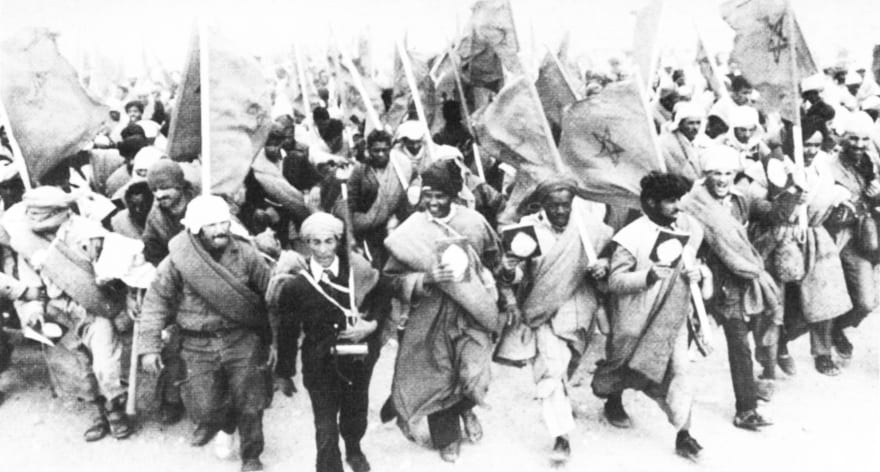
Morocco controls about 70 per cent of the territory, west of a 2,700-kilometre sand wall, and the Polisario Front the rest; the Polisario declared the ceasefire over in 2020. Morocco offers autonomy under its sovereignty. The United States recognised Moroccan sovereignty in 2020, France, Spain and the United Kingdom back the autonomy plan, and the African Union counts the Sahrawi republic as a member; in October 2025 the UN Security Council endorsed negotiations based on Morocco's proposal. The territory's final status remains disputed.
Mohammed VI, king since 1999, has overseen an acknowledgement of some past abuses, a reform of family law improving women's rights, and major infrastructure — while retaining ultimate power. The 2011 Arab Spring brought large protests, which the king headed off with a new constitution that recognised Amazigh and modestly strengthened parliament. An earthquake in the High Atlas in September 2023 killed at least 2,960 people, and youth-led protests over unemployment and corruption broke out in 2025.
What Morocco carries
Morocco's self-image rests on two pillars: an imperial past, when Berber and then sharifian dynasties ruled from the Atlantic to Libya and across the strait into Spain; and a continuity almost unique in the region — never Ottoman, briefly colonised, and governed by one dynasty for over 350 years. The protectorate is a 44-year interruption in that story. The Western Sahara is the piece the monarchy insists is part of it.