Attractions & Natural Wonders · Saint Lucia
Saint Lucia: Five Attractions and Natural Wonders
Twin volcanic spires rising straight from the Caribbean Sea, a drive-in volcano reached by road, and waterfalls coloured by minerals from the same geothermal system
By Worldlore Editorial · 30 September 2026
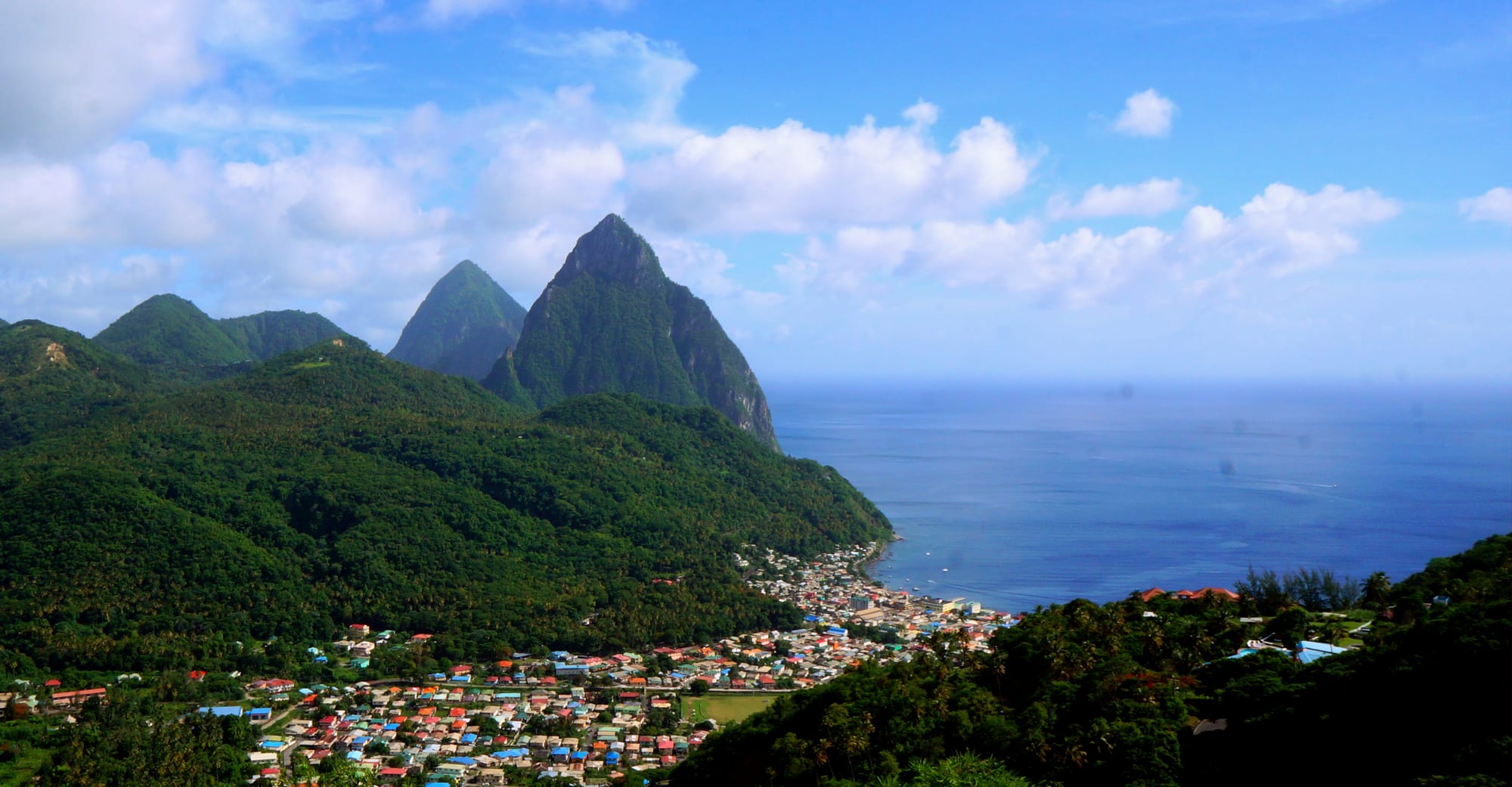
An island shaped by volcanic peaks
Saint Lucia, one of the most visually striking islands in the Caribbean, is defined above all by the Pitons — twin volcanic spires rising sheer from the sea near the town of Soufrière — and by the wider volcanic geology that produces the island's mineral springs, waterfalls, and rich soil. Former British and French colonial rule (the two powers fought for control of the island 14 times) has left behind a culture that mixes English administration with a French-Creole patois still spoken alongside English.
The five below run from the southwest coast around Soufrière to the capital, Castries. The dry season (roughly December to May) is generally the most popular time to visit.
1. The Pitons
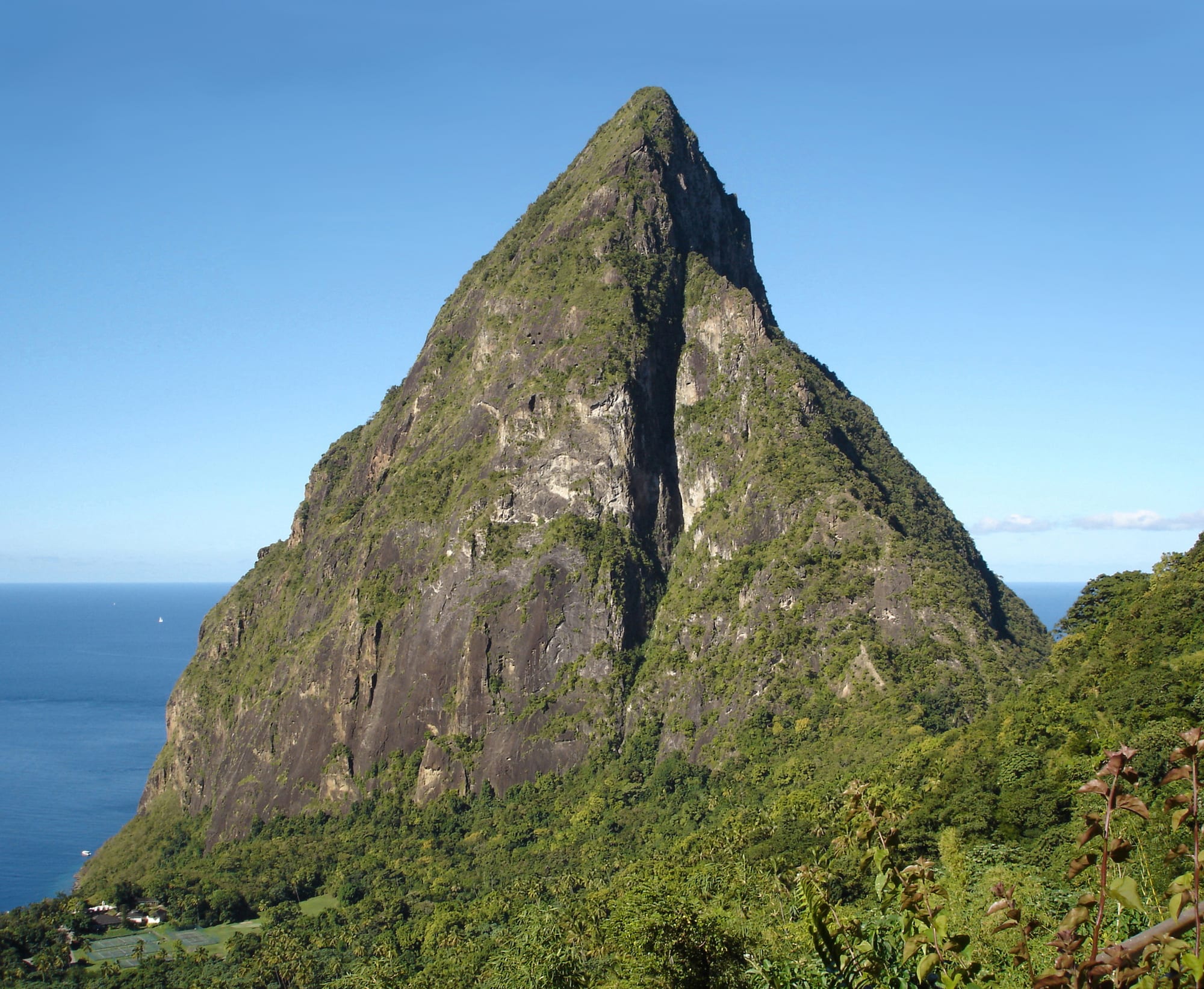
Gros Piton and Petit Piton, two steep volcanic spires rising directly from the Caribbean Sea near Soufrière, form Saint Lucia's most iconic image and anchor a UNESCO World Heritage Site protecting the surrounding land and reef. Gros Piton can be climbed without ropes or mountaineering experience, with local guides provided by the national park; Petit Piton, first climbed in 1878, is the steeper of the two.
2. Sulphur Springs
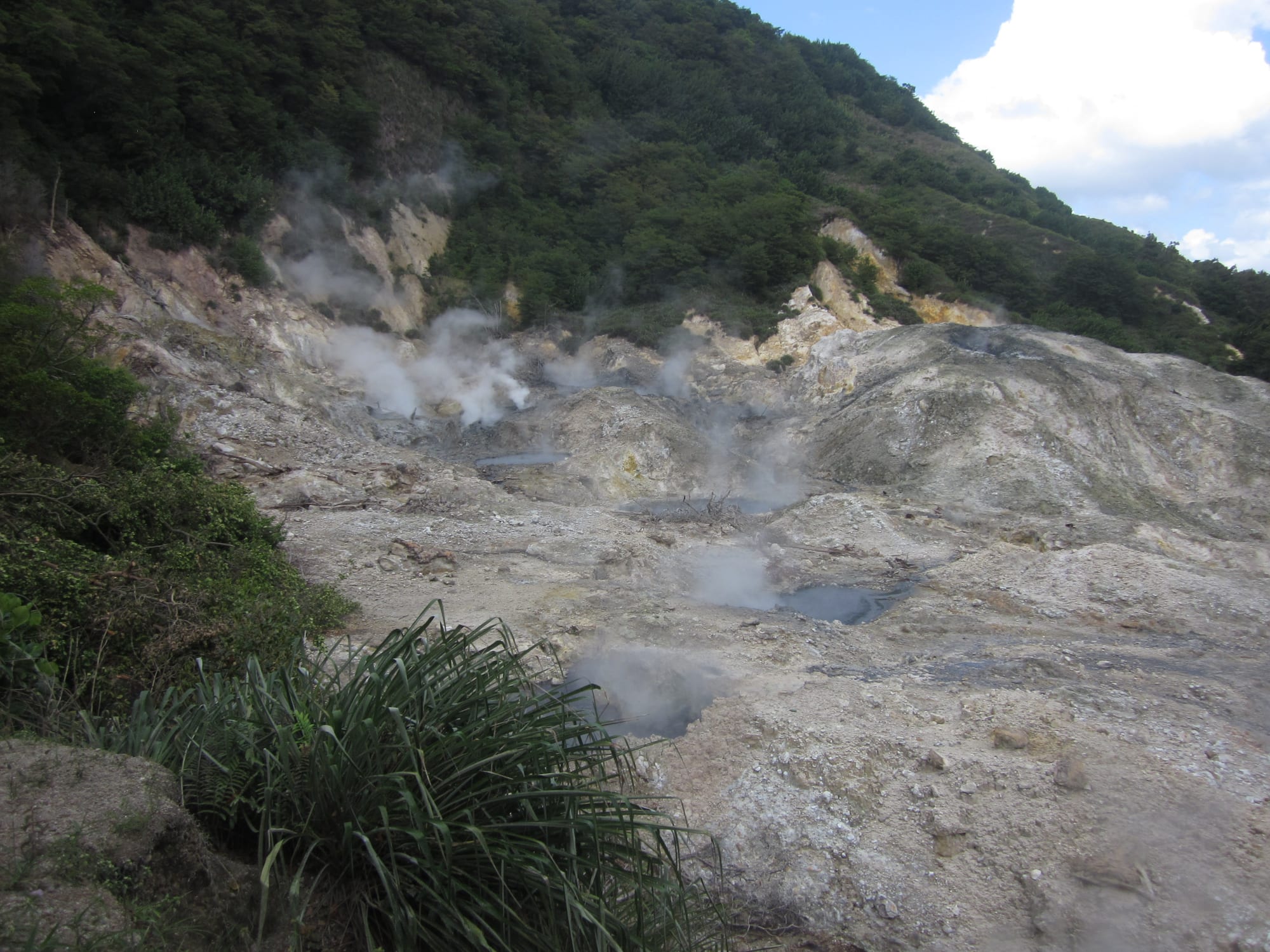
Sulphur Springs, marketed locally as the "world's only drive-in volcano," is a collapsed volcanic crater accessible by road, where visitors look out from a viewing platform over steaming, mineral-stained pools and boiling mud pits connected to the same geothermal system that shapes much of the surrounding landscape. A short way downstream, the water is cool enough for visitors to bathe and take mud baths.
3. Marigot Bay
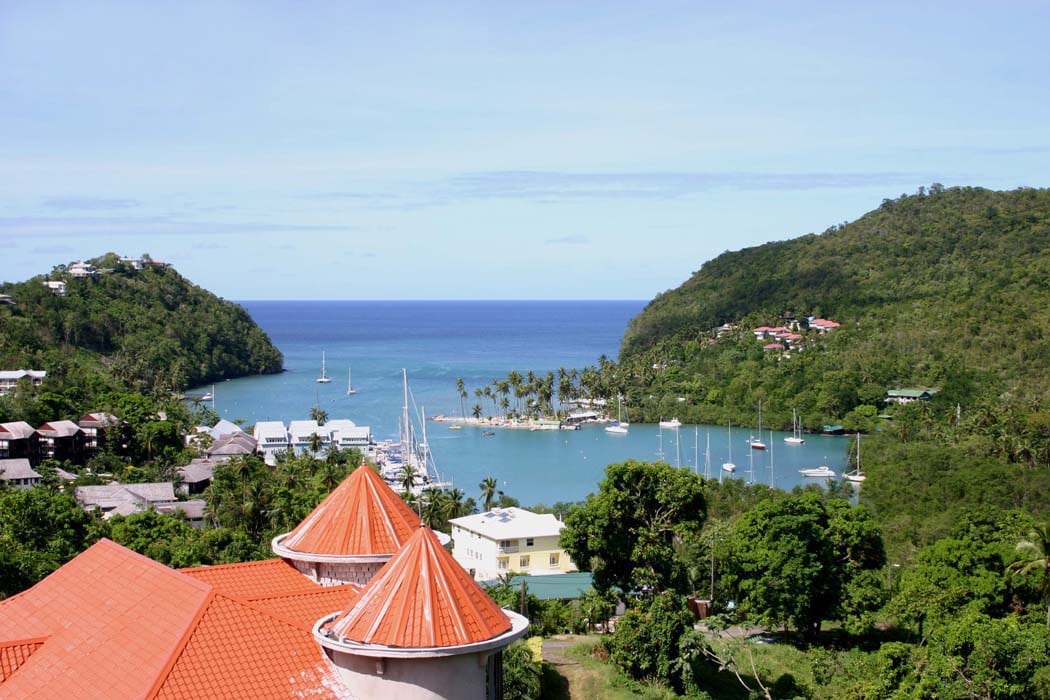
Marigot Bay, a narrow, palm-fringed harbour used by both the French and British navies (a popular story, probably apocryphal, has a British fleet hiding there from French pursuers with palm fronds tied to its masts), remains one of the Caribbean's most picturesque natural anchorages. It now draws yachts and a scattering of boutique resorts rather than warships, but retains much of its secluded, intimate character.
4. Castries
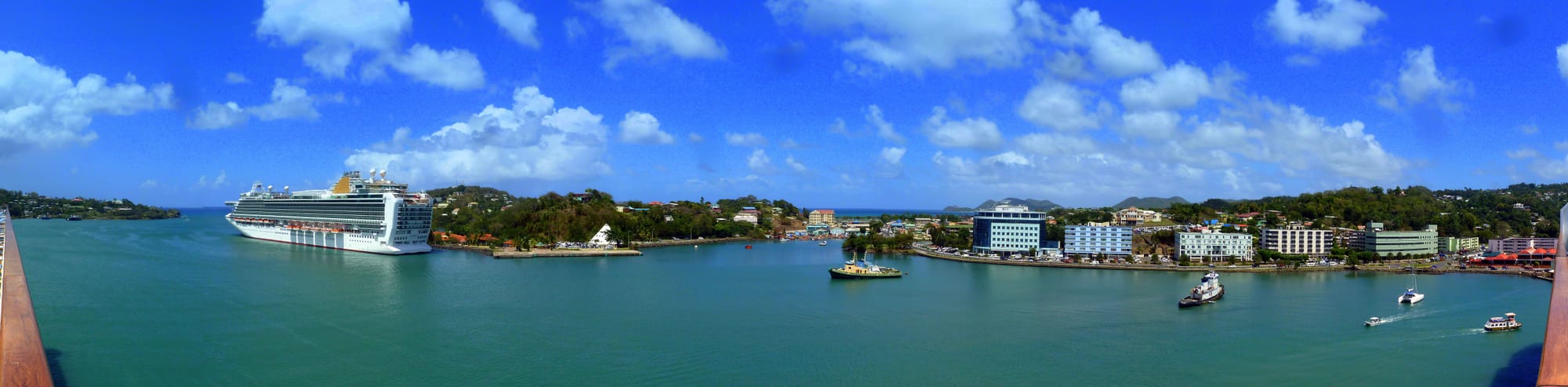
Castries, the capital, has been rebuilt several times after a series of fires destroyed much of its original colonial architecture, leaving a more modern cityscape than many Caribbean capitals but retaining a busy natural harbour that remains central to the island's cruise ship trade and inter- island shipping.
5. Diamond Falls
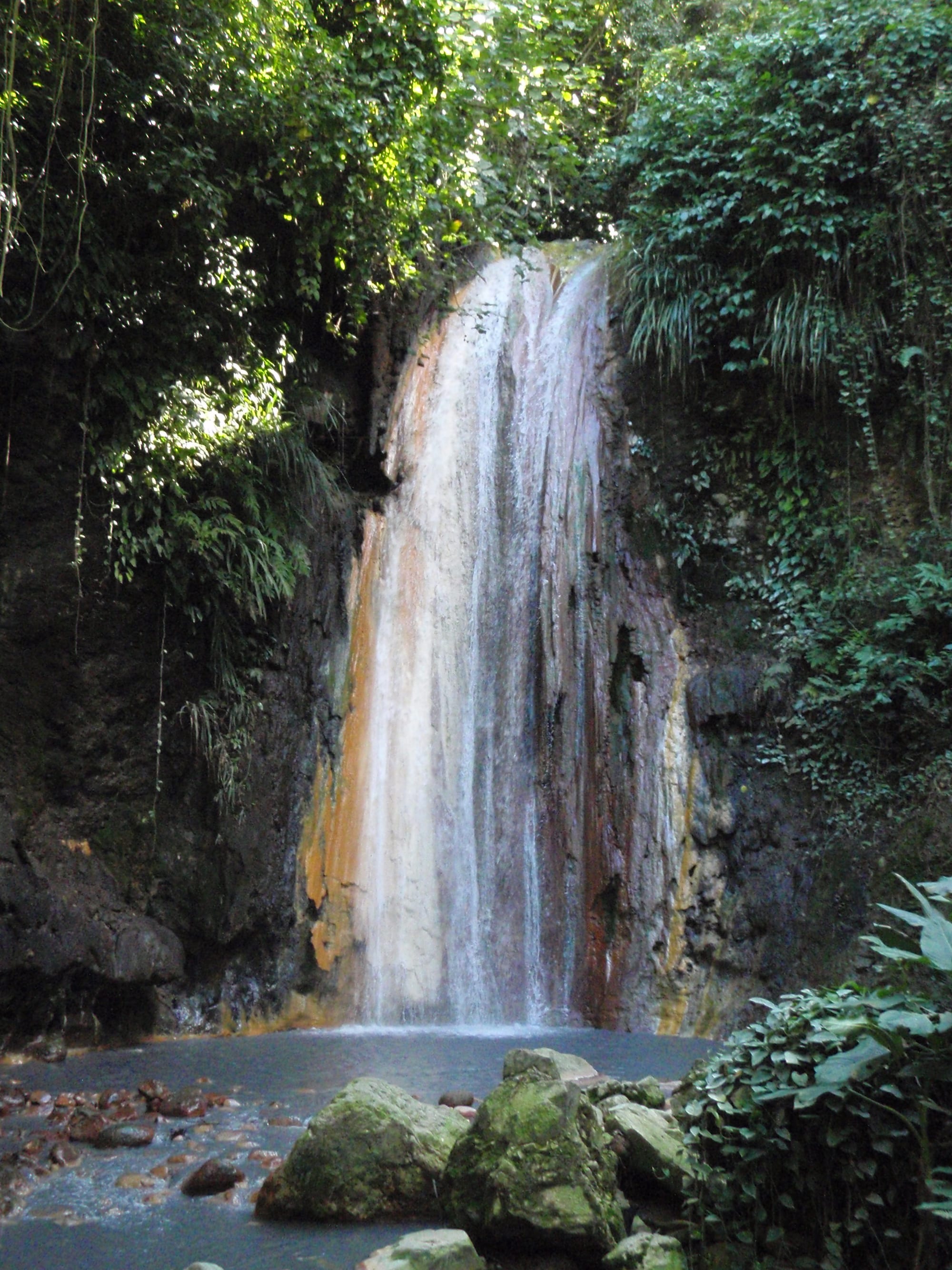
Diamond Falls, set within the botanical gardens of an old colonial estate, tumbles over rock stained yellow, orange, and green by mineral deposits carried from the same volcanic system feeding Sulphur Springs nearby. Adjacent sulphur baths, first built in 1785 with funds sanctioned by King Louis XVI and used by troops, let visitors bathe in the warm, mineral- rich water.
Saint Lucia suits a week centred on the Soufrière area for the Pitons, Sulphur Springs, and Diamond Falls, combined with a day or two around Castries and Marigot Bay along the coast.