Food · Saint Lucia
Saint Lucia: Food and the National Dish
Green banana and salted cod, a colonial-era preservation dish turned island staple on a volcanic Caribbean island where cocoa grows alongside bananas
By Worldlore Editorial · 30 September 2026
A cuisine shaped by volcanic soil and salted preservation
Saint Lucia's food draws on a blend of African, French, British and East Indian influences and on the island's own produce, from bananas and cocoa to breadfruit and root crops, alongside a history shaped by salted fish carried across the Atlantic, which still defines the island's national dish.
The national dish: green fig and saltfish
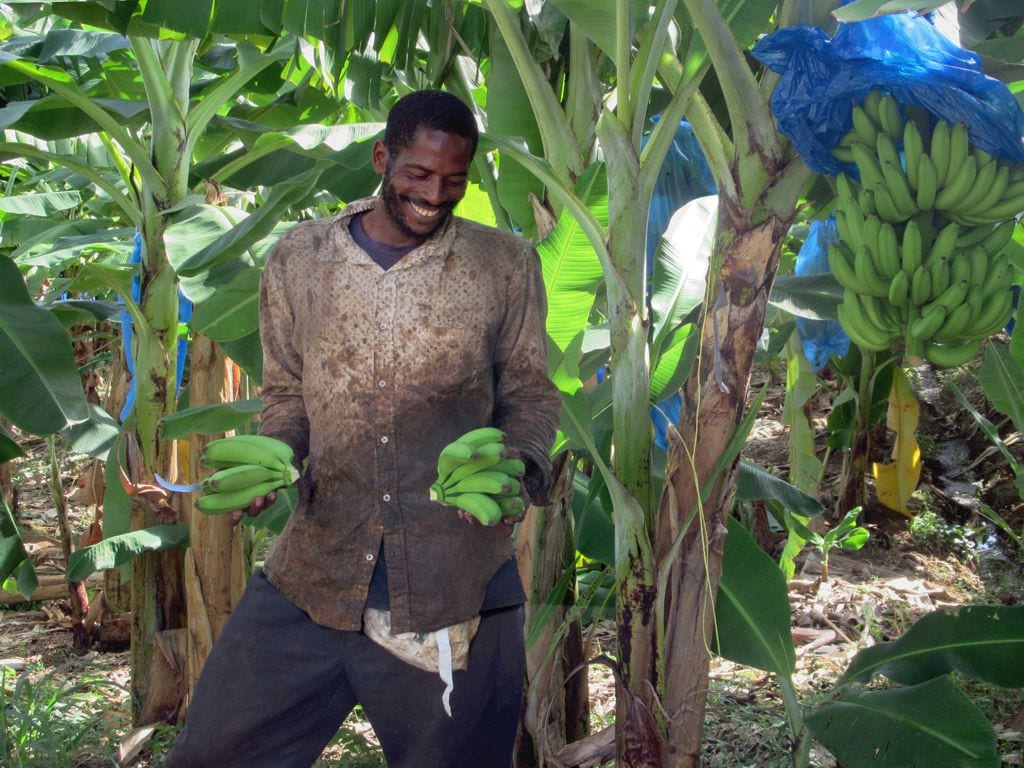
Green fig and saltfish, boiled green (unripe) bananas, known locally as green figs, served with salted cod, is Saint Lucia's national dish. Salted cod, brought from the North Atlantic during the colonial era as a long-lasting preserved protein, paired with the island's own green bananas to create a dish still widely eaten across Saint Lucia today. Breadfruit and saltfish is a popular alternative.
Cocoa, banana and a genuinely volcanic pantry
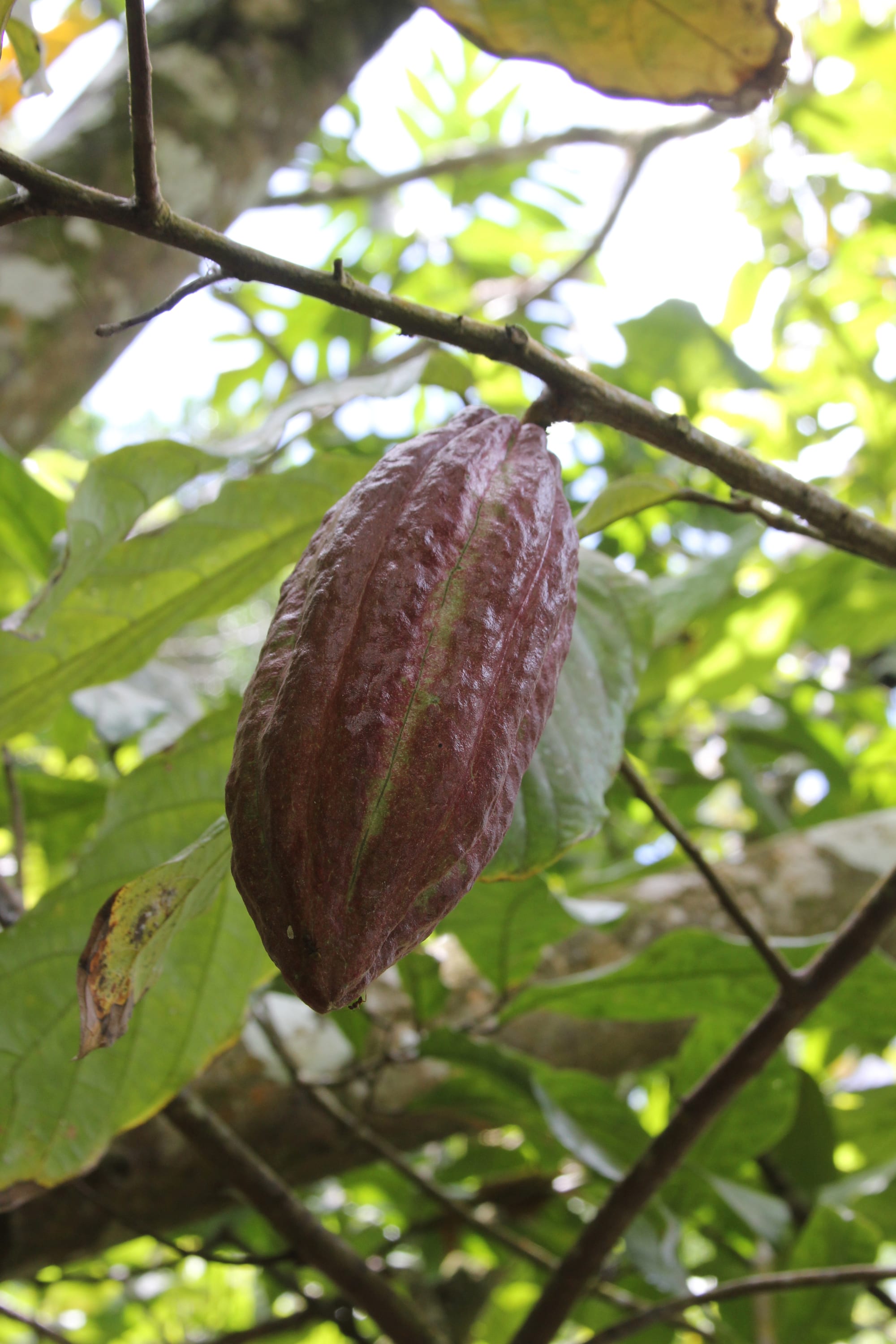
Bananas, historically the island's dominant export crop and still its main agricultural product, and cocoa, which the government has encouraged farmers to plant alongside mangoes and avocados, anchor much of the island's food economy. Breadfruit, plantain and fresh seafood round out a pantry shaped by both the island's own produce and its history of imported salted staples.
History behind the salt
Salted cod became a staple across much of the Caribbean, including Saint Lucia, because it could survive long ocean voyages from North Atlantic fishing grounds without refrigeration, and it formed one leg of the triangular trade that linked those fisheries with the plantation colonies. That history explains why a fish never caught anywhere near Saint Lucia became so central to the island's food identity, paired with the green bananas genuinely grown on the island itself.
Dishes to know
Five more to recognise across Saint Lucia:
- Bakes — fried bread, also called Johnny cakes, commonly eaten with
saltfish.
- Callaloo soup — a soup of leafy callaloo greens.
- Accra — fried saltfish fritters made with flour, egg and seasoning,
usually prepared around Easter.
- Rôti — an Indian-origin flatbread wrapped around a curried filling,
popular in recent years and linked to neighbouring Trinidad and Tobago.
- Bouyon — a thick one-pot soup of red beans, meat, ground provisions
and vegetables.
Drinks
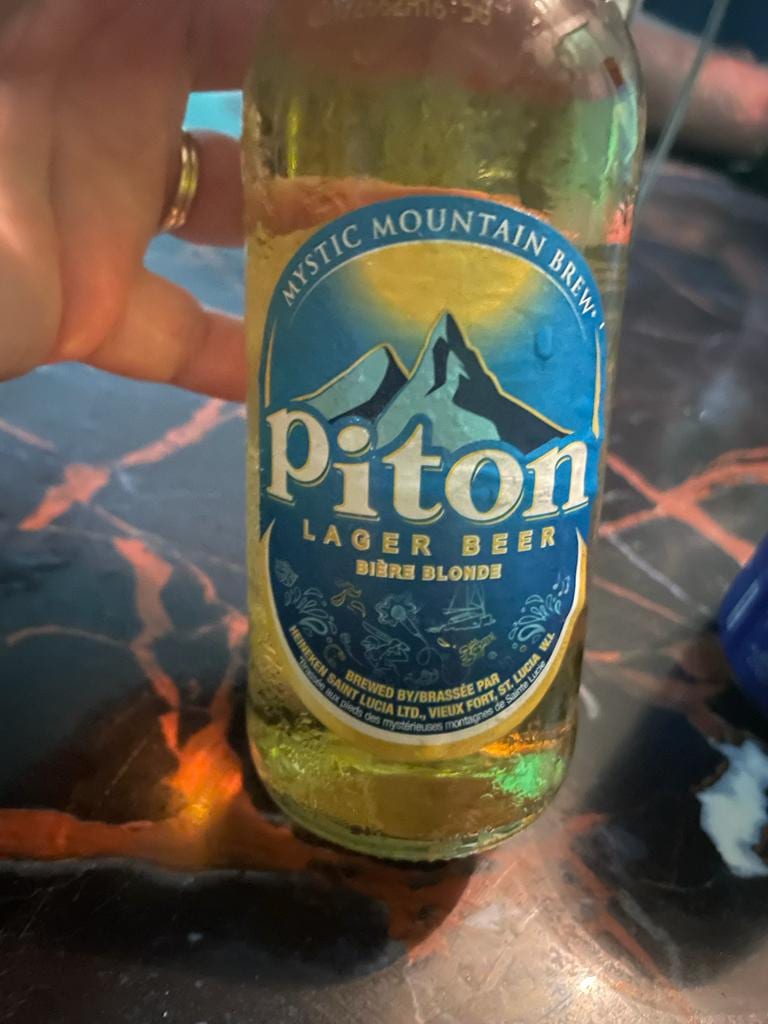
Piton, a pilsner-style lager brewed on the island, is Saint Lucia's best-known local beer. Cocoa tea, a spiced hot drink made with the island's cocoa, is a traditional breakfast drink, and rum is distilled locally by Saint Lucia Distillers in the Roseau Valley.
Eating as a traveller
Vegetarians will find breadfruit, plantain and vegetable-based dishes manageable, though saltfish is central to the island's best-known dish. Trying green fig and saltfish at a local eatery, alongside bakes and a cup of cocoa tea, offers a real taste of the island's national dish.
What to take from the table
Green fig and saltfish, pairing an imported preserved fish with the island's own green bananas, captures Saint Lucia's food history directly: shaped as much by colonial-era trade routes as by what actually grows on its volcanic soil.