Attractions & Natural Wonders · Senegal
Senegal: Five Attractions and Natural Wonders
An island that stands as one of the most direct memorials anywhere to the transatlantic slave trade, a towering bronze monument taller than the Statue of Liberty, and a lake usually coloured pink by its own salt-loving algae
By Globeway Editorial · 30 September 2026
West Africa's gateway, shaped by history and colour
Senegal, on Africa's westernmost point, has long served as a gateway between Africa, Europe, and the Americas — a role reflected in landmarks ranging from one of the most significant slave-trade memorial sites in the world to a towering modern monument celebrating African identity and rebirth. Its landscape ranges from a striking pink salt lake to wetlands hosting vast numbers of migratory birds, all within a country widely regarded as one of West Africa's more politically stable and accessible destinations.
The five below run from Dakar and its surrounding sites to Senegal's northern coast. The dry season (roughly November to May) is generally the easiest time to visit.
1. Gorée Island
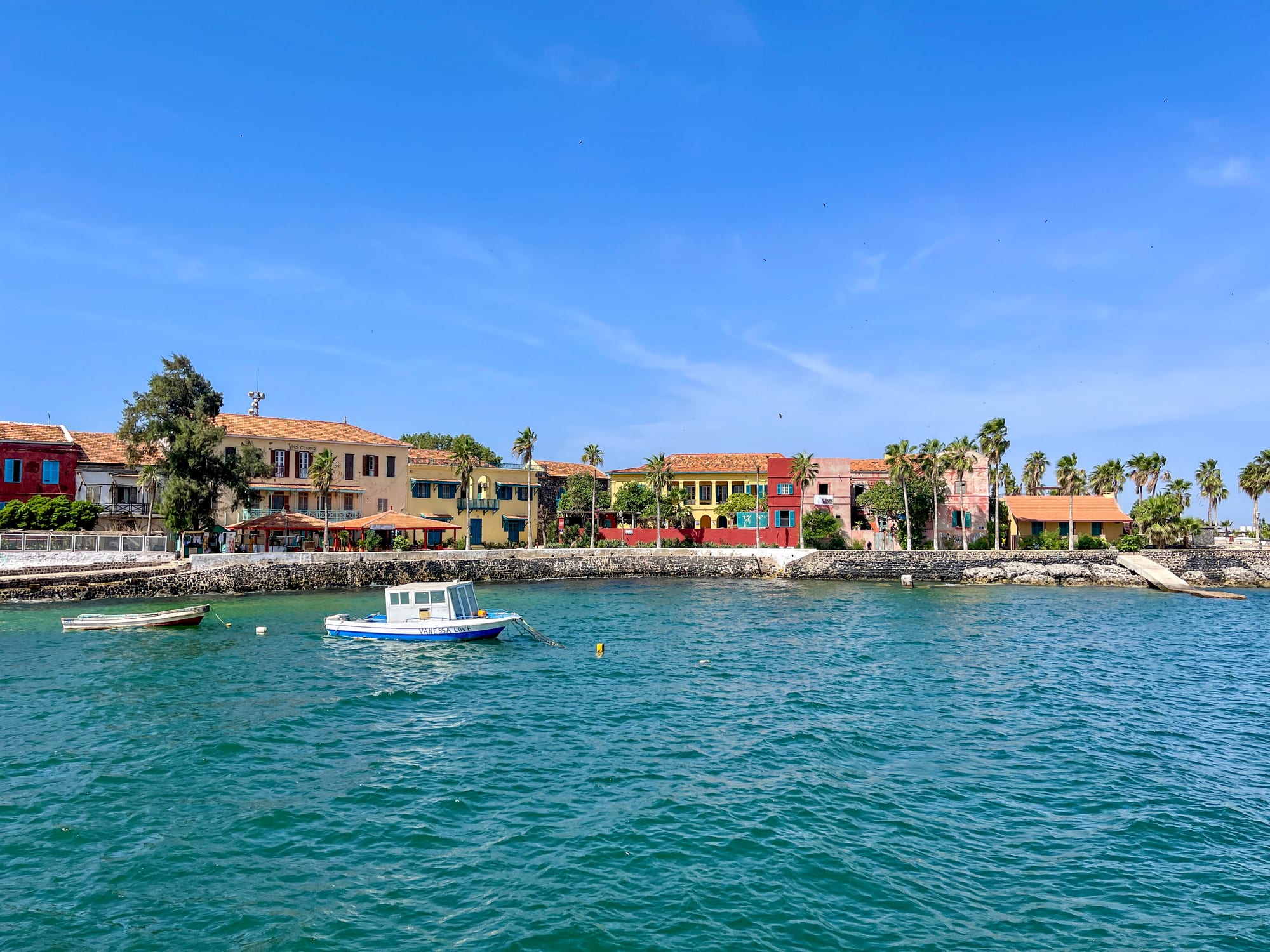
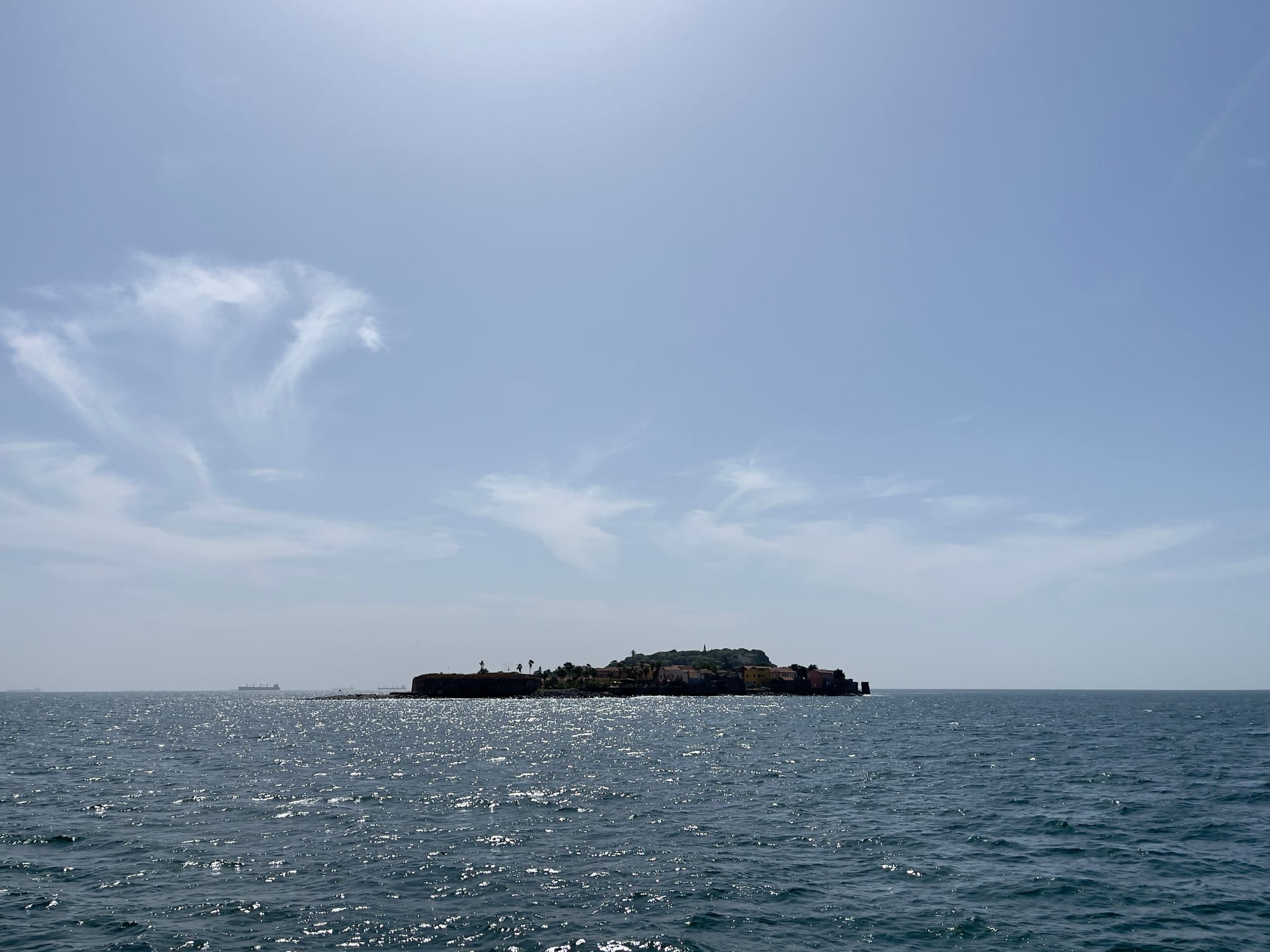
Gorée Island, a short ferry ride from Dakar, was a European trading post linked to the transatlantic slave trade, and its House of Slaves museum, opened in 1962, with its "Door of No Return" facing the Atlantic, stands as one of the best-known memorials to that history, even though historians debate how many enslaved people actually passed through the island. One of the first UNESCO World Heritage Sites, inscribed in 1978, the island's colonial architecture and quiet, car-free streets now sit alongside this weighty history.
2. The African Renaissance Monument
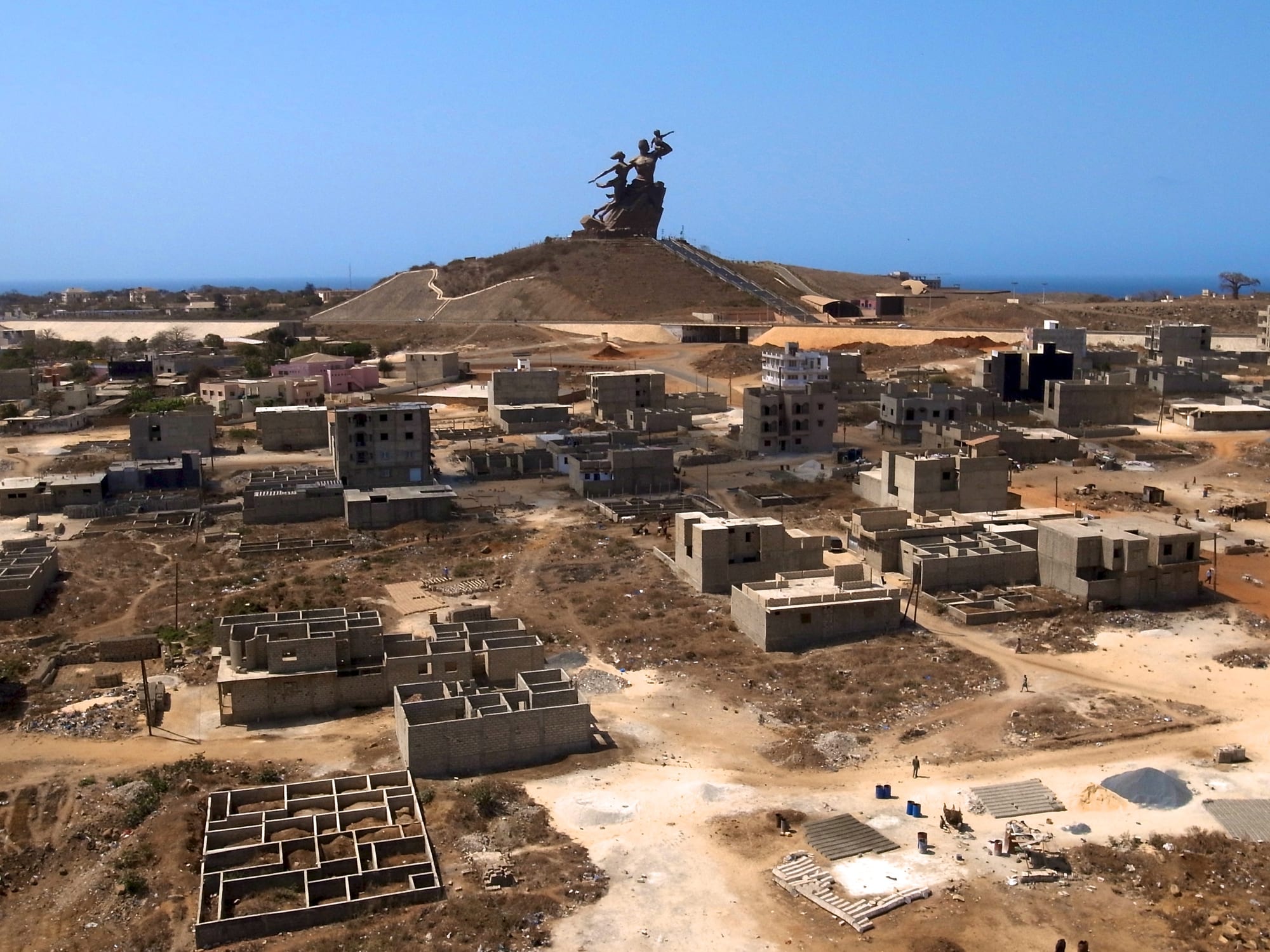
The African Renaissance Monument, unveiled in Dakar in 2010 to mark 50 years of Senegalese independence, depicts a man, woman, and child emerging together toward the future — at 50 metres, taller than the Statue of Liberty and the tallest statue in Africa. It stands on top of one of the Mamelles hills, which give sweeping views over Dakar and the Atlantic coast.
3. Lac Rose (the Pink Lake)
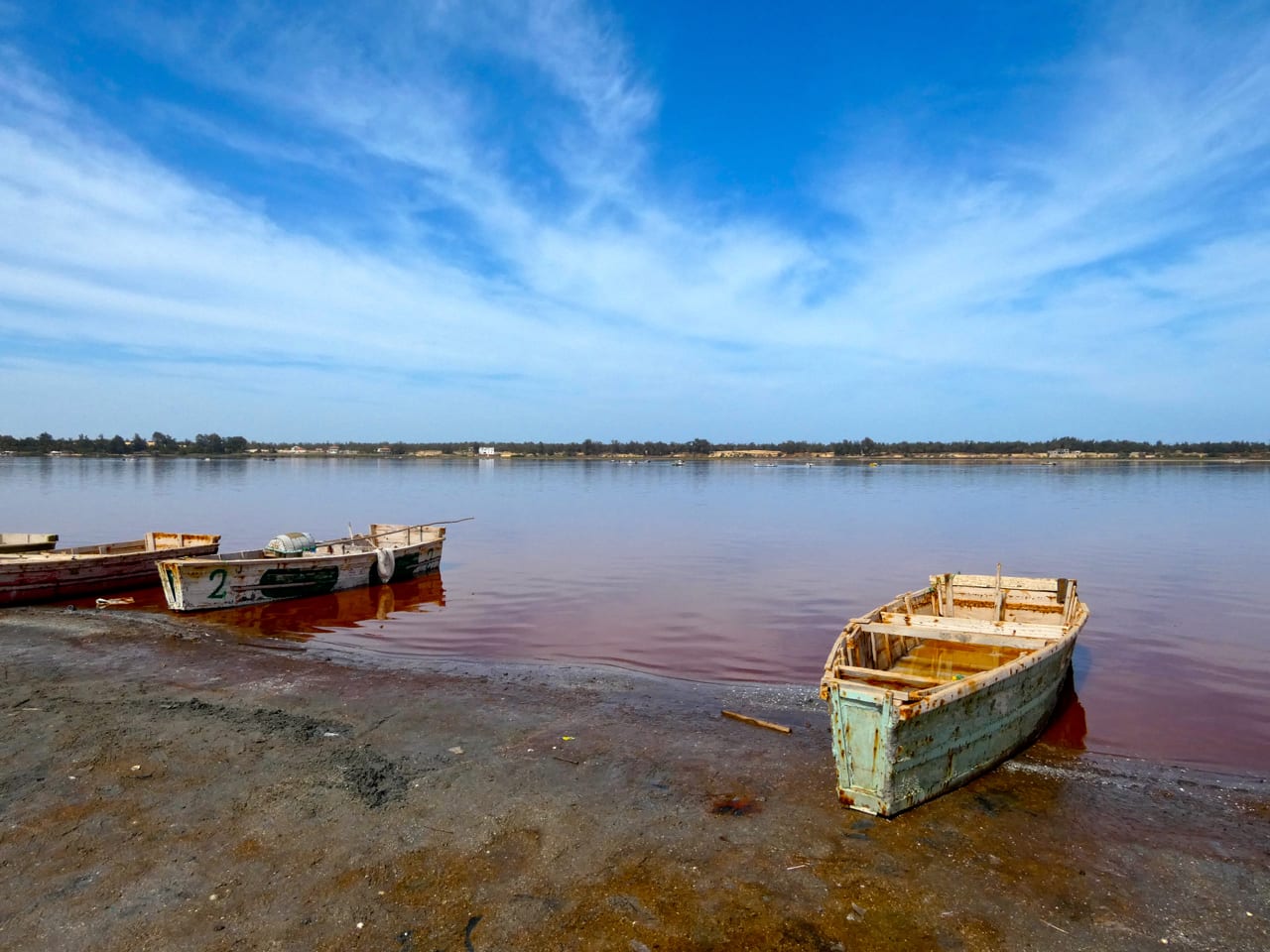
Lac Rose, a shallow lake northeast of Dakar, owes its striking pink colour to a salt-loving algae (Dunaliella salina) that thrives in its exceptionally high salinity, up to 40 per cent in places; like the Dead Sea, it is buoyant enough to float in easily. Flooding in September 2022 drained much of its colour, though by 2025 the lake had regained some of it. Workers still harvest salt from the lake by hand using traditional methods, wading in and scooping salt from the lakebed, a practice visitors can watch firsthand.
4. Djoudj National Bird Sanctuary
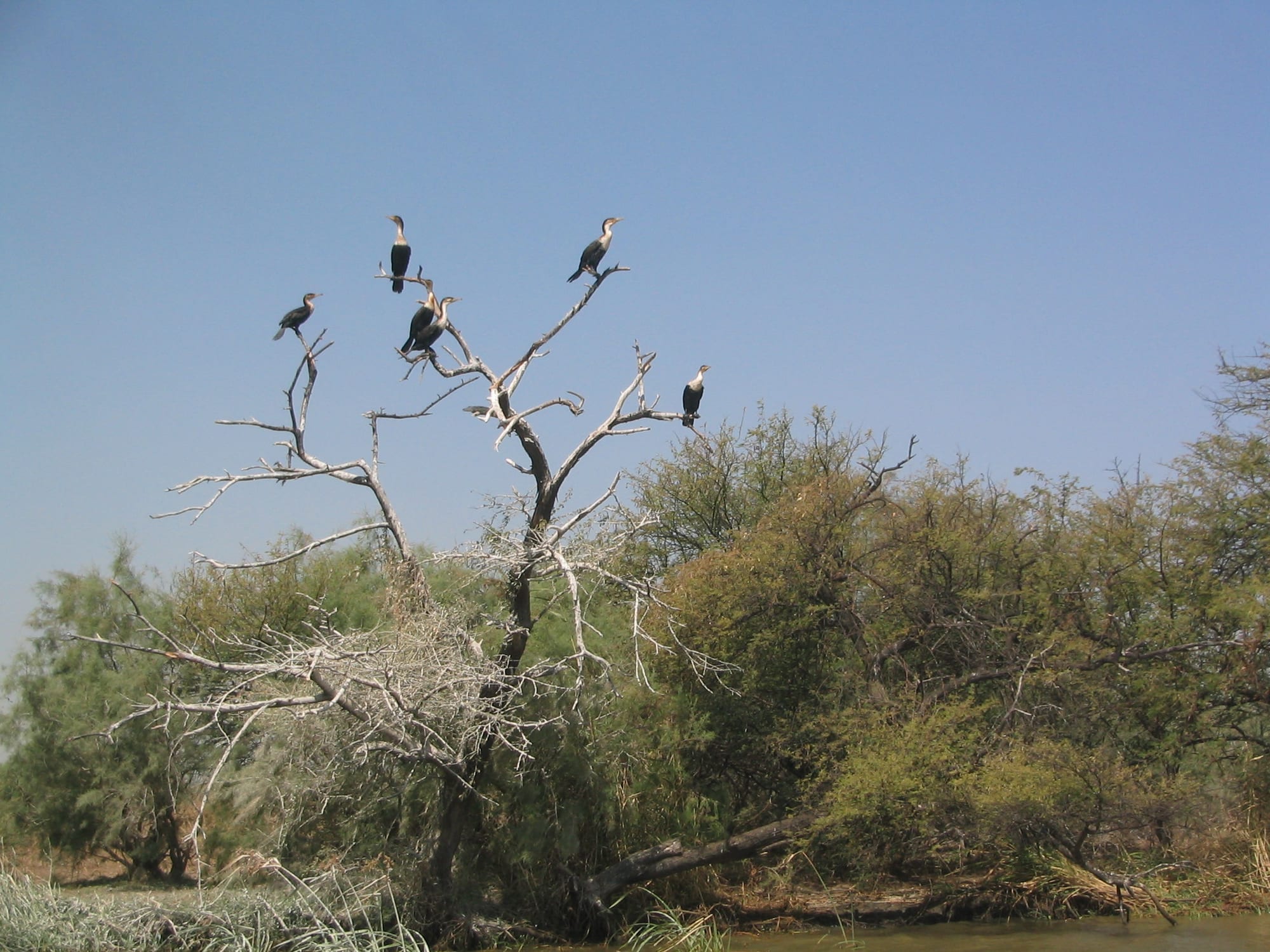
Djoudj National Bird Sanctuary, a wetland reserve in Senegal's far north, has recorded almost 400 bird species and nearly three million birds, many of them migrants that have just crossed the Sahara — pelicans and flamingos are the most visible — making it one of the most significant bird sanctuaries in the world and a UNESCO World Heritage Site. Its channels and lakes give close views of dense concentrations of birdlife.
5. Saint-Louis
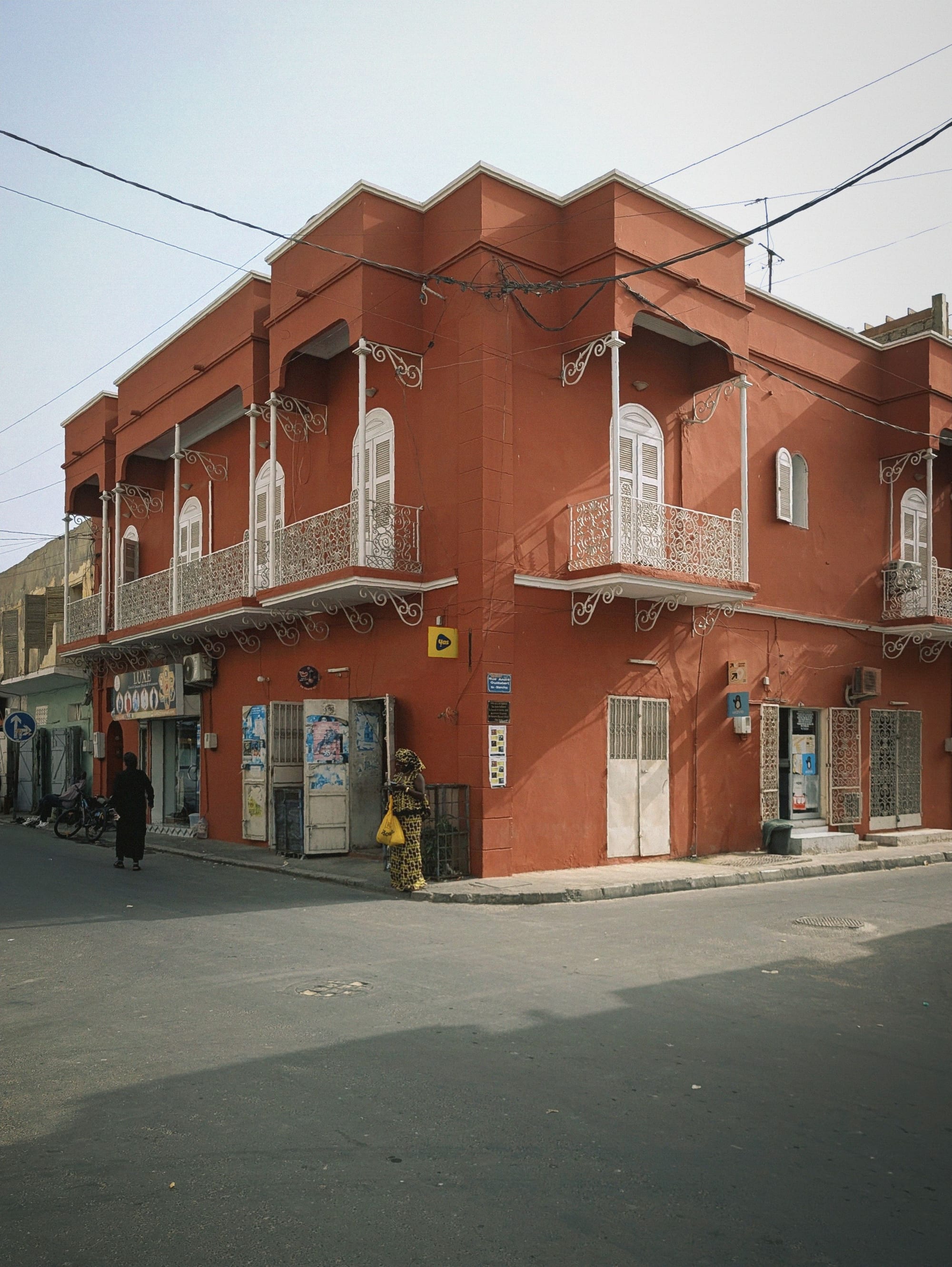
Saint-Louis, on an island in the Senegal River near the country's northern border, was the capital of the French colony of Senegal from 1673 to 1902, and of French West Africa from 1895 to 1902, and preserves a dense concentration of colonial-era architecture, a UNESCO World Heritage Site since 2000. Its jazz festival, held since 1993 and regarded as the most important in Africa, has become a major draw in its own right, alongside the town's well-preserved historic streetscape.
Senegal suits a week to ten days combining Dakar and its nearby sites (Gorée, the monument, and Lac Rose) with a trip north to Saint-Louis and Djoudj for those with more time.