Food · Senegal
Senegal: Food and the National Dish
Fish and rice cooked in one pot with vegetables, an everyday family meal and a UNESCO-listed culinary art
By Worldlore Editorial · 30 September 2026
A cuisine built around one dish eaten nearly every day
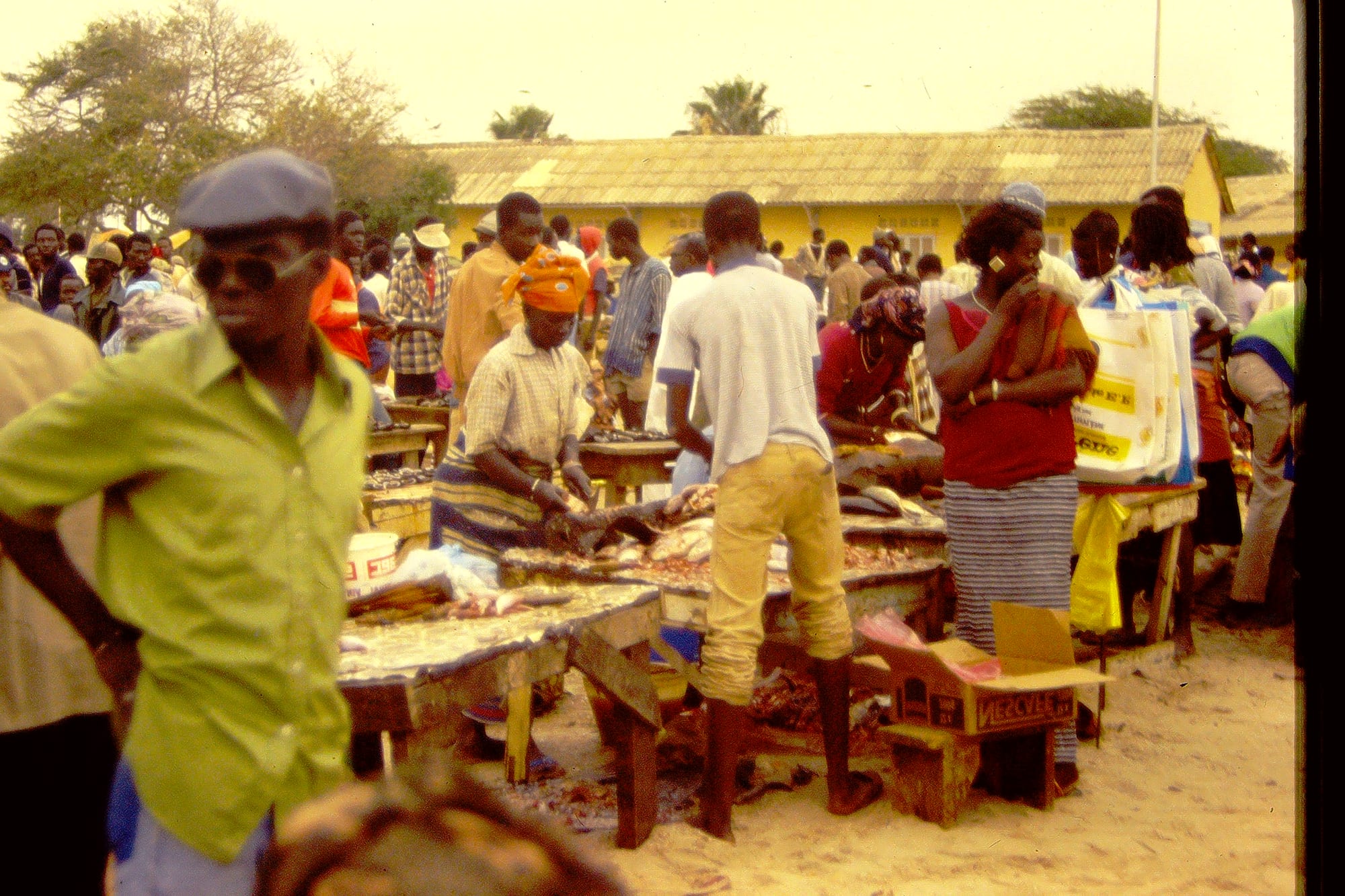
Senegalese food, more than perhaps any other West African cuisine, centres on a single dish eaten with genuine regularity in households across the country, a reflection of both Senegal's long Atlantic coastline and a fishing economy that puts fresh fish within reach of most everyday cooking.
The national dish: thieboudienne
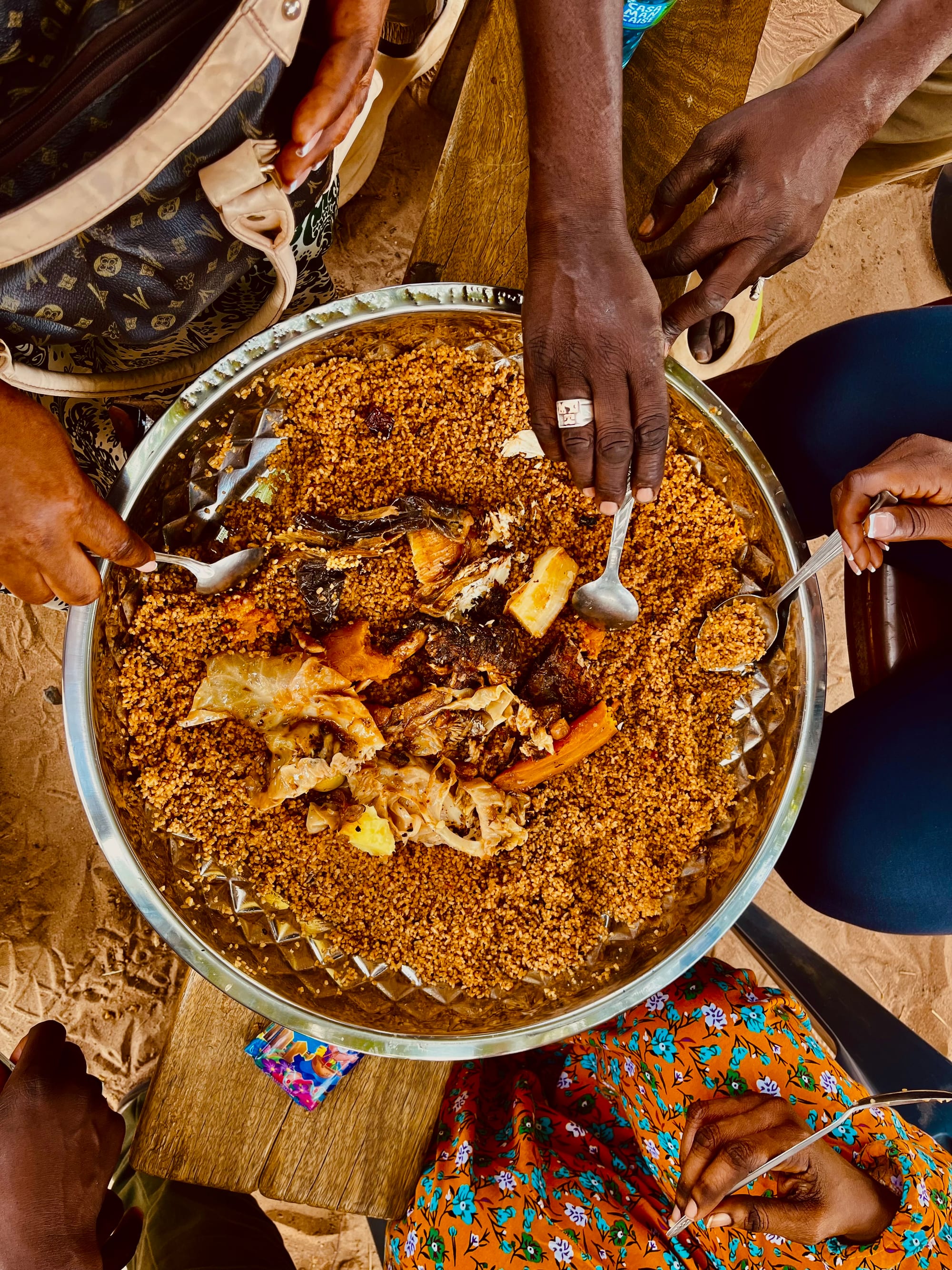
Thieboudienne (also spelled ceebu jën), rice cooked in a tomato-based sauce with fish and a mix of vegetables including cabbage, carrot and cassava, is Senegal's national dish, an everyday household meal rather than one reserved for special occasions. Traditionally served from one large communal platter with everyone eating together, thieboudienne varies in its recipe from one region to the next, and is widely credited as having originated in Saint-Louis, Senegal's former colonial capital.
Rice, fish and a genuinely coastal pantry
Rice, imported and locally grown, and fresh fish, caught along Senegal's Atlantic coast, anchor most everyday cooking, alongside onion, tomato and a range of vegetables. Peanuts, Senegal's primary cash crop, and millet round out a pantry shaped by both the country's fishing economy and its colonial-era agriculture.
History behind the pot
Thieboudienne is widely credited as having originated in Saint-Louis, Senegal's colonial-era capital and a fishing town, where it grew out of the island's fishing communities in the nineteenth century. Rice and locally caught fish still define the dish today, and its communal, one-platter serving style reflects a broader West African tradition of sharing meals rather than eating individually plated portions.
Dishes to know
Five more to recognise across Senegal:
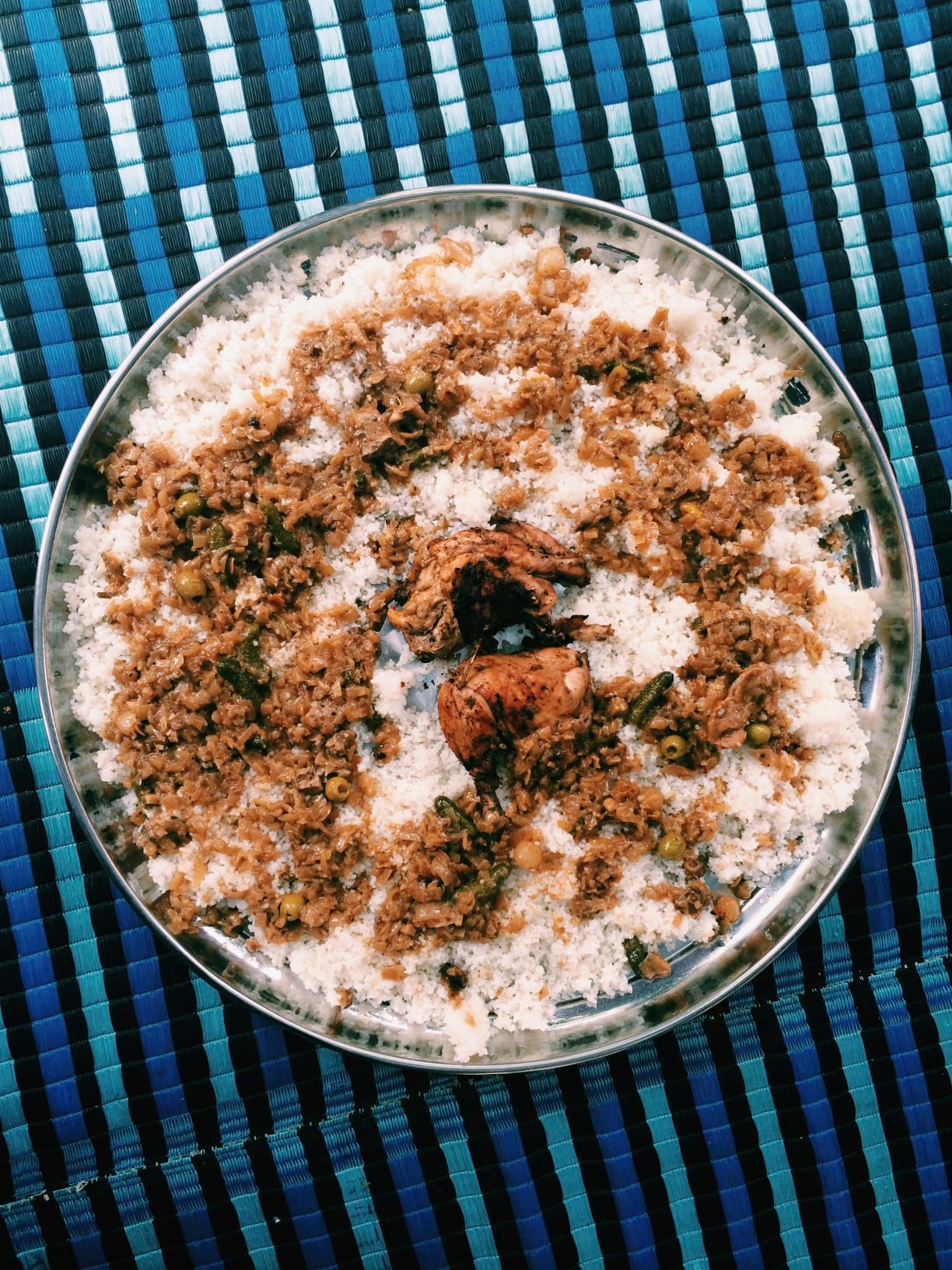
- Yassa — chicken or fish marinated and cooked in a tangy
onion-and-lemon sauce, one of Senegal's other best-known dishes.
- Mafé — a peanut-based stew, usually with meat, reflecting Senegal's
historic groundnut economy.
- Thiakry — a sweet millet couscous dessert, often served with
yoghurt.
- Bissap — a hibiscus flower drink, served both hot and cold.
- Accara — black-eyed pea fritters, a snack shared with much of West
Africa.
Drinks
Bissap, made from hibiscus flowers and served sweetened, cold or warm, is a genuine everyday drink across Senegal. Café Touba, coffee spiced with Guinea pepper and named after the holy city of Touba, and ataya, a strongly brewed, sweetened green tea served in small glasses across three rounds, are both widely enjoyed social rituals.
Eating as a traveller
Vegetarians will find rice and vegetable-based dishes more limited given fish and meat's central role in most signature dishes, though accara and vegetable sides are available. Tap water is not reliably safe outside major hotels; bottled water is the safer default. Sharing a meal of thieboudienne from a communal platter, if invited, is a genuine and meaningful way to experience Senegalese hospitality.
What to take from the table
Thieboudienne, eaten from a shared platter in households across the country, is less a special occasion dish and more simply what Senegalese food actually looks like most days.