Attractions & Natural Wonders · Slovenia
Slovenia: Six Attractions and Natural Wonders
A church on an island reached only by traditional wooden gondola, a cave system explored partly by underground train, and a coastal town so Venetian in character it could pass for a corner of Italy
By Worldlore Editorial · 30 September 2026
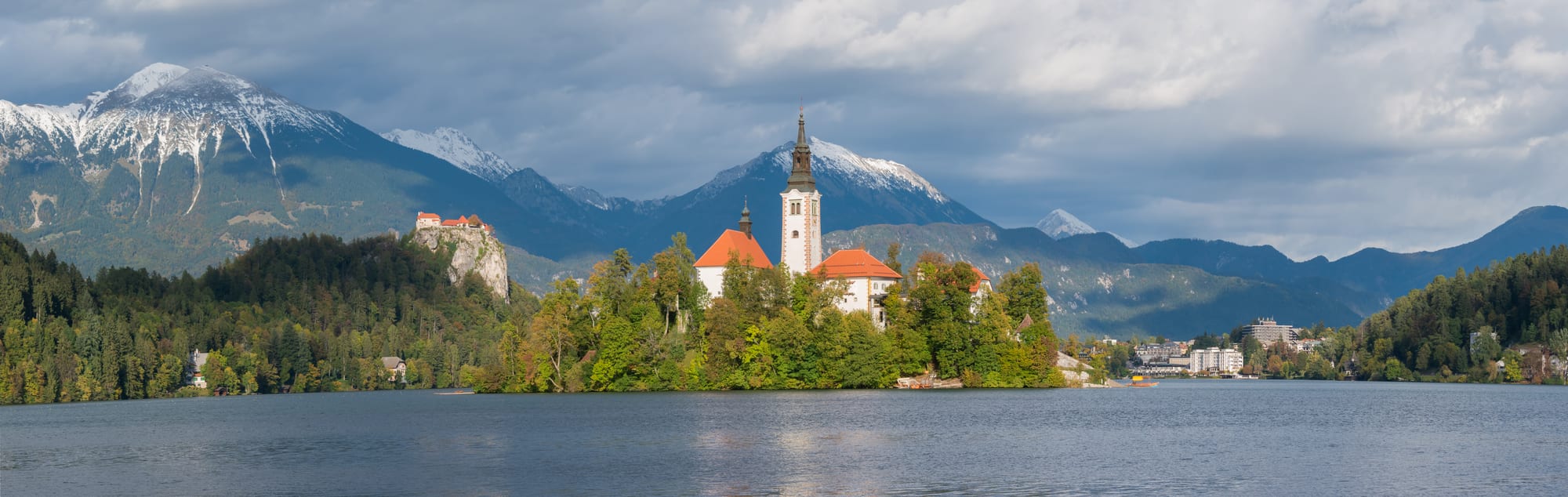
A small country of lakes, caves, and coastline
Slovenia, tucked between the Alps and the Adriatic, packs an unusually wide range of landscape into a small area — alpine lakes, one of Europe's most significant cave systems, and a short but scenic stretch of Adriatic coast with a distinctly Venetian character. Its capital, Ljubljana, was named European Green Capital for 2016 and is built around a pedestrian- friendly historic centre.
The six below run from Lake Bled and Ljubljana to the karst caves and coast in the country's southwest. Late spring through early autumn suits most outdoor sightseeing.
1. Lake Bled
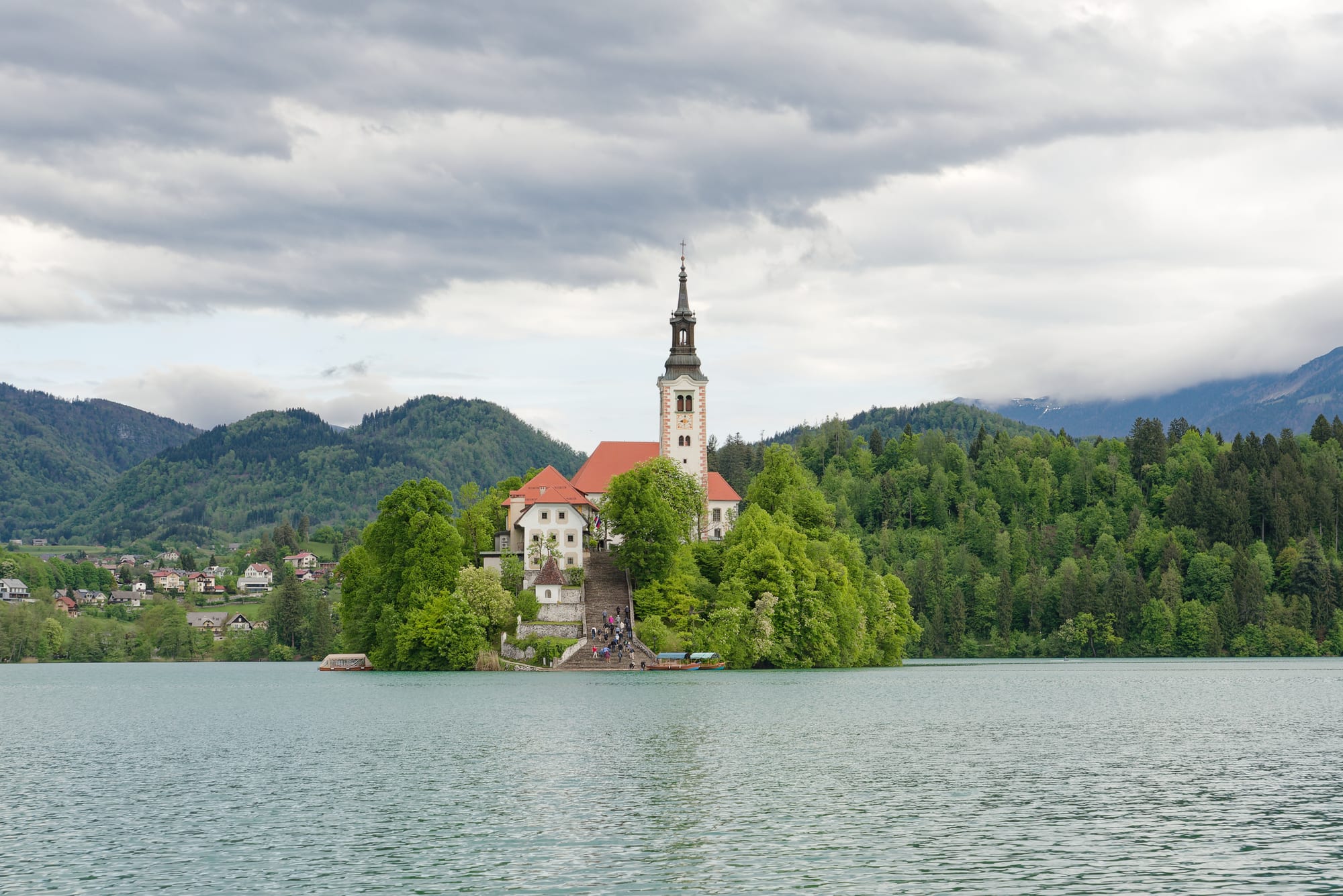
Lake Bled, ringed by mountains and overlooked by a clifftop medieval castle, is Slovenia's best-known natural attraction, its small island church traditionally reached by wooden pletna boats rowed by standing oarsmen. Tradition holds that a groom who carries his bride up the island's 99 stone steps on their wedding day, before she rings the church bell and makes a wish, brings good luck to the marriage.
2. Ljubljana
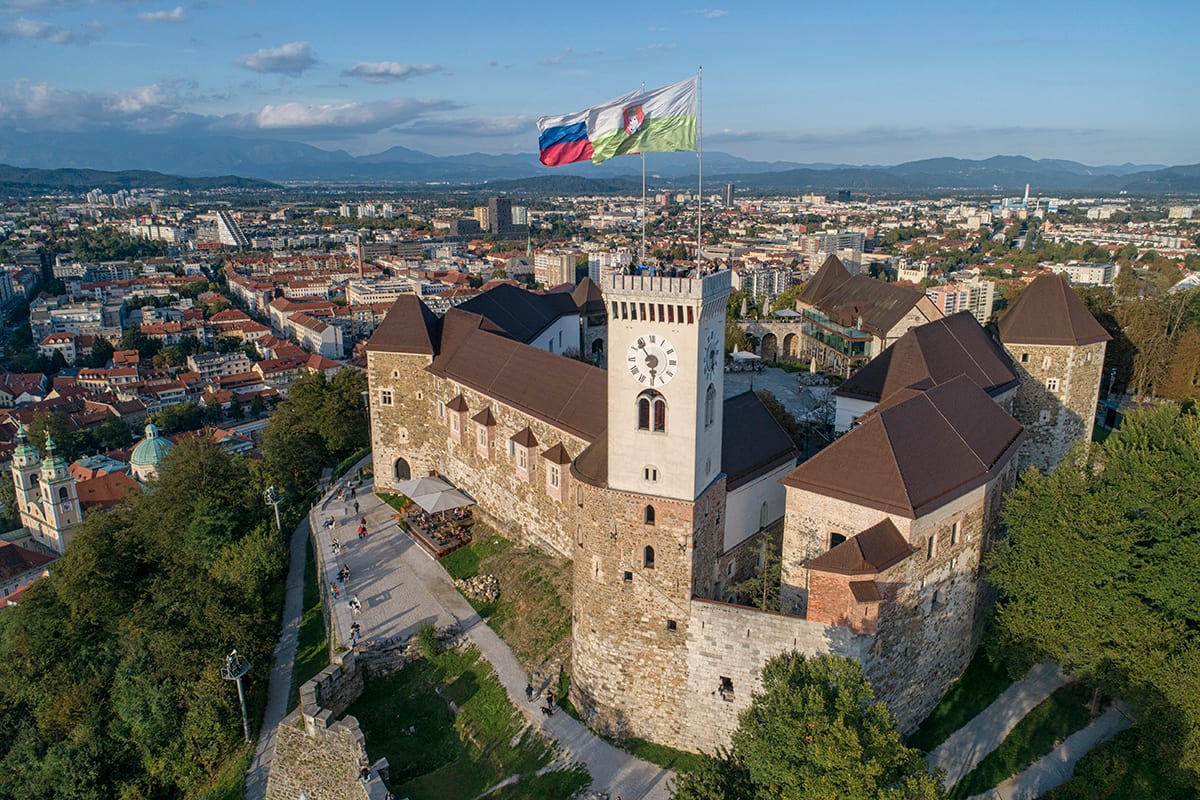
Ljubljana, Slovenia's capital, is built around a hilltop castle and a pedestrianised riverside Old Town shaped in large part by architect Jože Plečnik, whose Triple Bridge, river embankments and public buildings still define the city's character. Named European Green Capital for 2016, it remains compact enough to explore fully on foot in a day or two.
3. Postojna Cave
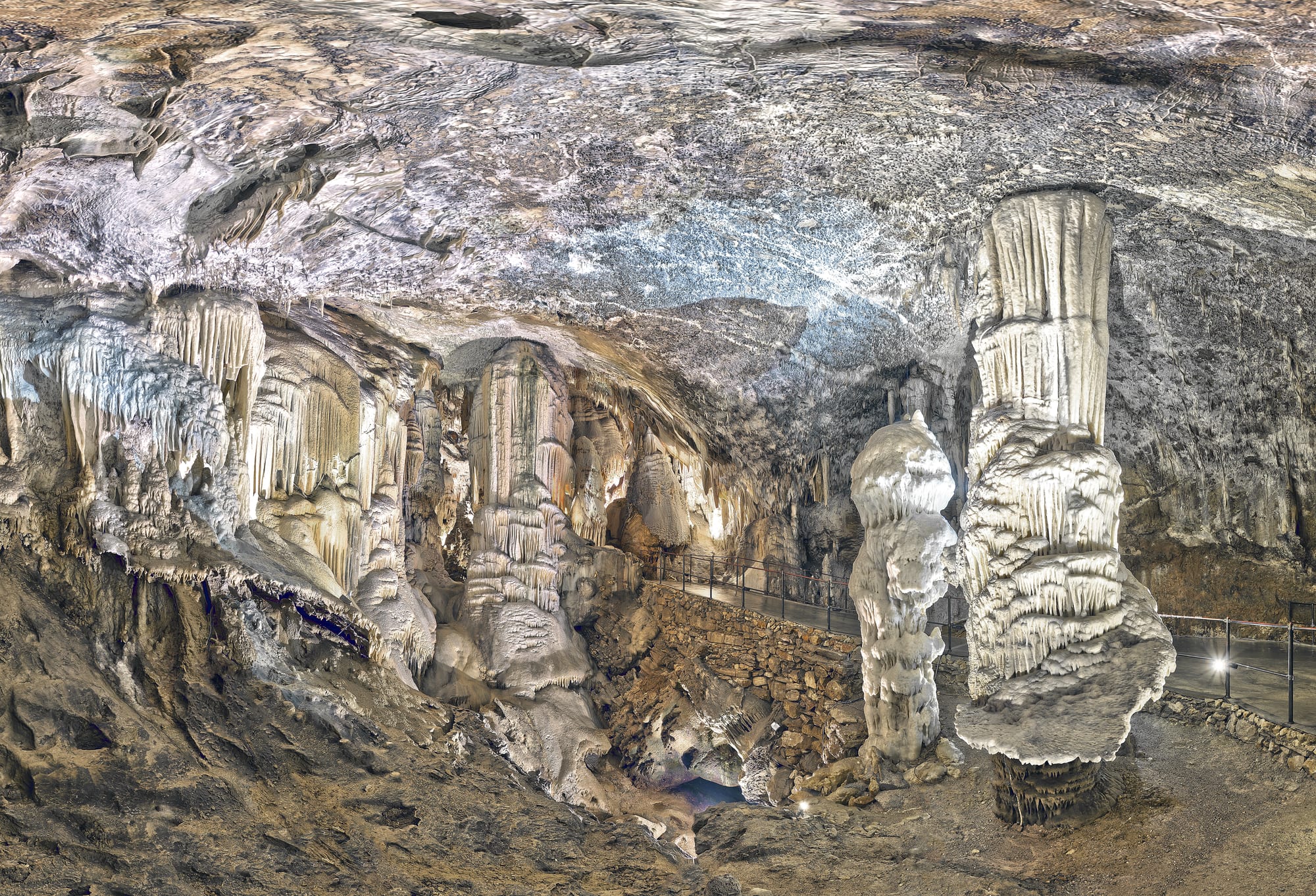
Postojna Cave, a karst system some 24 kilometres long and one of the world's most visited show caves, is partly explored by an underground train that carries visitors about 3.5 kilometres through the system before a walking tour continues on foot past dramatic stalactite and stalagmite formations. The cave is also home to the olm, a peculiar blind cave salamander that can survive years without eating, nicknamed locally the "human fish" for its pale, skin-like colouring.
4. Piran
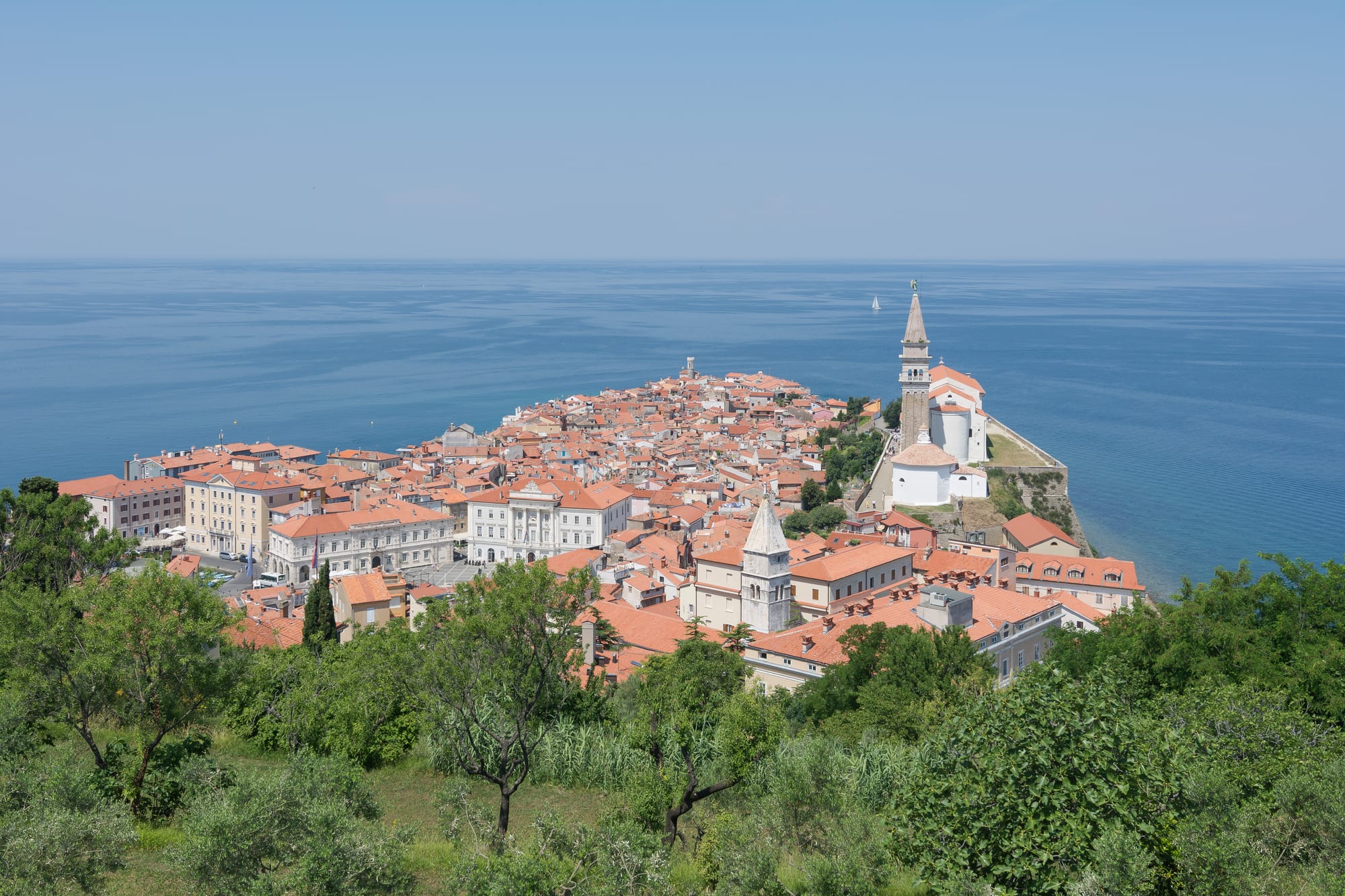
Piran, on Slovenia's brief but scenic stretch of Adriatic coast, preserves a dense, Venetian-influenced old town of narrow lanes and a central square, Tartini Square, overlooked by Venetian-era buildings, a legacy of five centuries under Venetian rule (1283–1797). Its harbour and seafront promenade give one of the country's few coastal counterpoints to its otherwise mountainous and inland character.
5. Triglav National Park
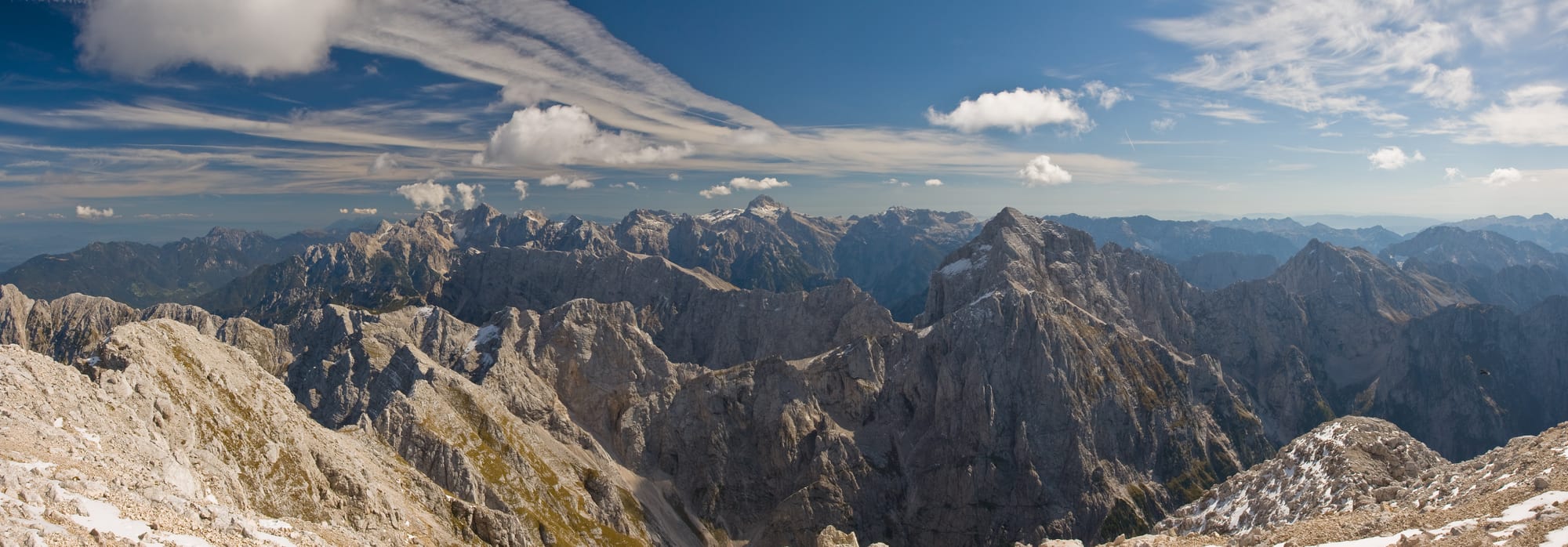
Triglav National Park, named for Slovenia's highest peak (Mount Triglav, at 2,864 metres), protects much of the Slovenian Julian Alps, including dramatic valleys, glacial lakes, and hiking routes ranging from easy valley walks to serious high-mountain routes. Reaching the summit of Triglav itself is considered something of a rite of passage for Slovenians, tied closely to national identity.
6. The Julian Alps
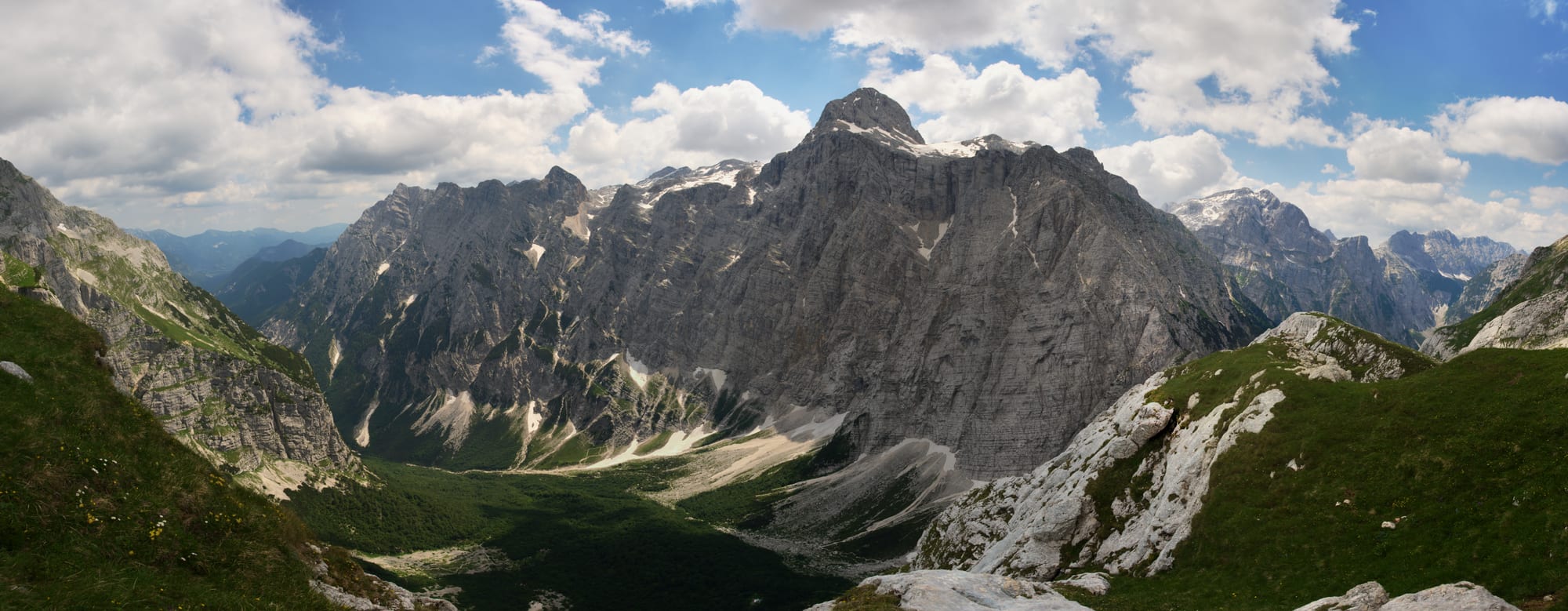
The wider Julian Alps, straddling the border with Italy, hold some of Slovenia's most dramatic mountain scenery beyond Triglav itself, including the Vrata Valley leading to Triglav's north face, and the Soča River, known for the emerald-green colour it keeps along its whole length.
Slovenia's small size makes it easy to cover in a week: Ljubljana and Lake Bled as a base, with day trips to Postojna Cave and the coast, extended with a few days in the Julian Alps for those with more time.