Culture & Customs · Slovenia
Slovenia: Three Slovenians, One Choir
A quiet, modest people who keep their traditions by doing them together, from sheepskin-clad kurenti chasing out the winter to a national anthem that is, at heart, a toast to every nation
By Globeway Editorial · 30 September 2026
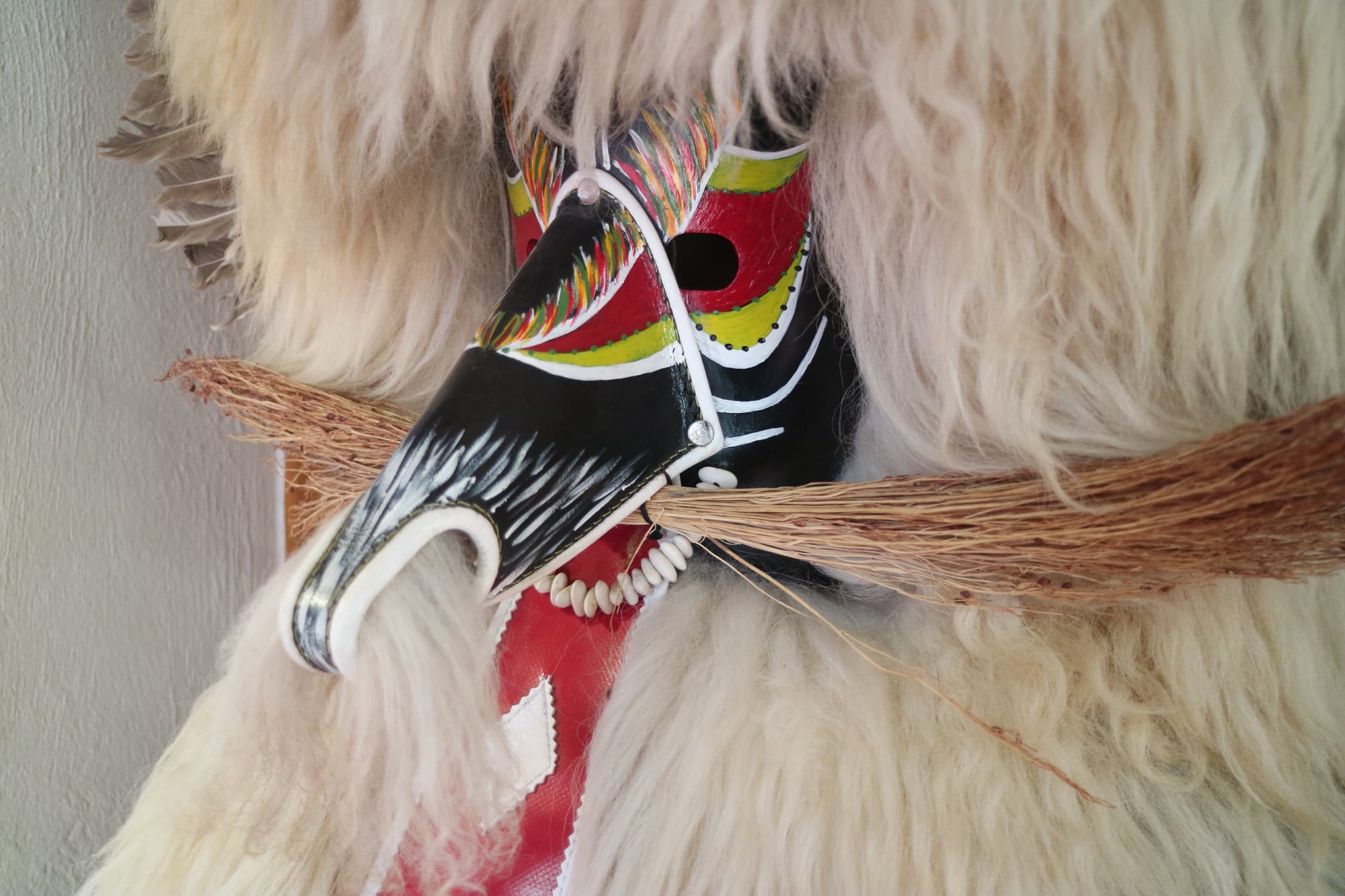
A February morning in the Slovene countryside, sometime between Candlemas and Ash Wednesday. A group of shaggy figures comes running up the lane, each wrapped in a sheepskin suit, with heavy cowbells clanging from a chain at the waist, red or green stockings and a leather mask with a long snout and a lolling red tongue. These are kurenti. They swing into a farmyard, form a circle around the owners and jump and stamp until the bells roar, driving out whatever evil the winter has left behind and calling in spring and a good harvest. The household rewards them with food, traditionally sausages, and young women tie handkerchiefs to the hedgehog-skin clubs they carry. Then the pack moves on to the next house. It is a noisy scene in a country better known for its reserve, but it shows something essential about Slovenia: its traditions are kept alive not by spectators but by people who turn out, together, to do them.
Faith, identity and values
Slovenia is a traditionally Catholic country, though the state does not record faith in its census. The Catholic Church estimates its own membership at around 71 per cent of the population. There are also about 50,000 members of the Serbian Orthodox Church, a Muslim community of around 50,000, many with roots elsewhere in the former Yugoslavia, a small Protestant community and a Jewish community of a few hundred. Catholic feasts still shape much of the calendar.
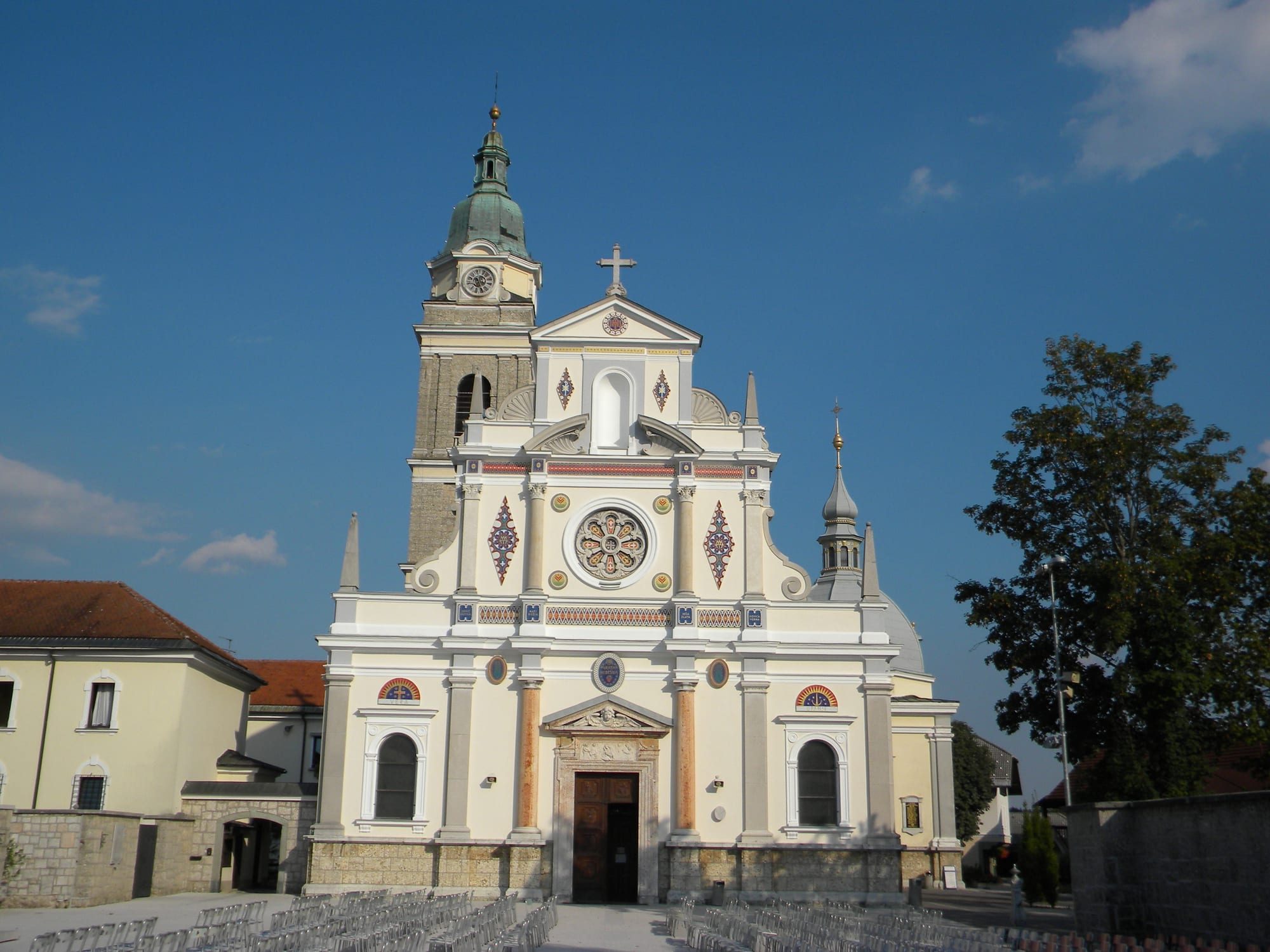
The country's best-loved place of pilgrimage is the Basilica of Mary Help of Christians at Brezje, which has drawn pilgrims since the nineteenth century, was declared the national shrine of Mary in 2000, and receives around 400,000 visitors a year.
Yet for many Slovenes the deepest marker of identity is not faith but language. For centuries Slovene was the tongue of villages and parishes rather than of government. The national cultural holiday is named after a poet, France Prešeren, and it is marked on 8 February, the anniversary of his death; on its eve the state presents its highest awards for artistic achievement. Even the national anthem is a stanza of one of his poems.
Slovenes describe themselves as industrious and honest, and they prize modesty and humility; boasting about one's achievements is disliked, and loud self-promotion can come across as insecurity rather than confidence. Reserve on first meeting should not be mistaken for coldness, since trust is built gradually. Orderliness, good preparation and professional expertise are all held in high regard, and disagreement is often expressed gently and indirectly until people know each other well.
Greetings and meeting people
First meetings are formal and fairly reserved. The usual greeting is "Dober dan" ("good day"), with a handshake, a welcoming smile and eye contact, and in formal settings hands are shaken again when parting. Close friends and family may greet one another with two kisses on the cheek, but this is not expected from new acquaintances.
People are addressed with a title and surname: gospod for a man, gospa for a woman and, less often now, gospodična for a young unmarried woman. Academic and professional titles are respected, and first names are used only when the other person suggests it. Slovenes tend to be soft-spoken, avoid interrupting and take care with humour that might give offence, so a calm, courteous manner goes a long way.
Hospitality and being a guest
An invitation to a Slovene home is a mark of friendship. Guests are expected to arrive on time or within a few minutes of it, and to bring a modest gift: flowers for the hostess and a bottle of wine for the host are the classic choice, and it is the gesture rather than the price that counts. Shoes come off at the door, and most hosts offer guests a pair of slippers to wear indoors.
Food and drink will almost always be offered, and guests follow the host's lead on seating and on when to begin. Meals are not rushed, and a social visit is not the place to bring up work unless the host does so first. Glasses are raised with "Na zdravje" ("to health").
Festivals and life's big moments
The kurenti belong to Shrovetide, or pust, the carnival season. Their door-to-door rounds run from Candlemas on 2 February to Ash Wednesday, and a full costume, with its sheepskin, bells and ornaments, can weigh more than 40 kilograms. The custom has been on UNESCO's list of intangible cultural heritage since 2017, and the carnival parades of the east bring out a whole cast of traditional masked figures alongside them.
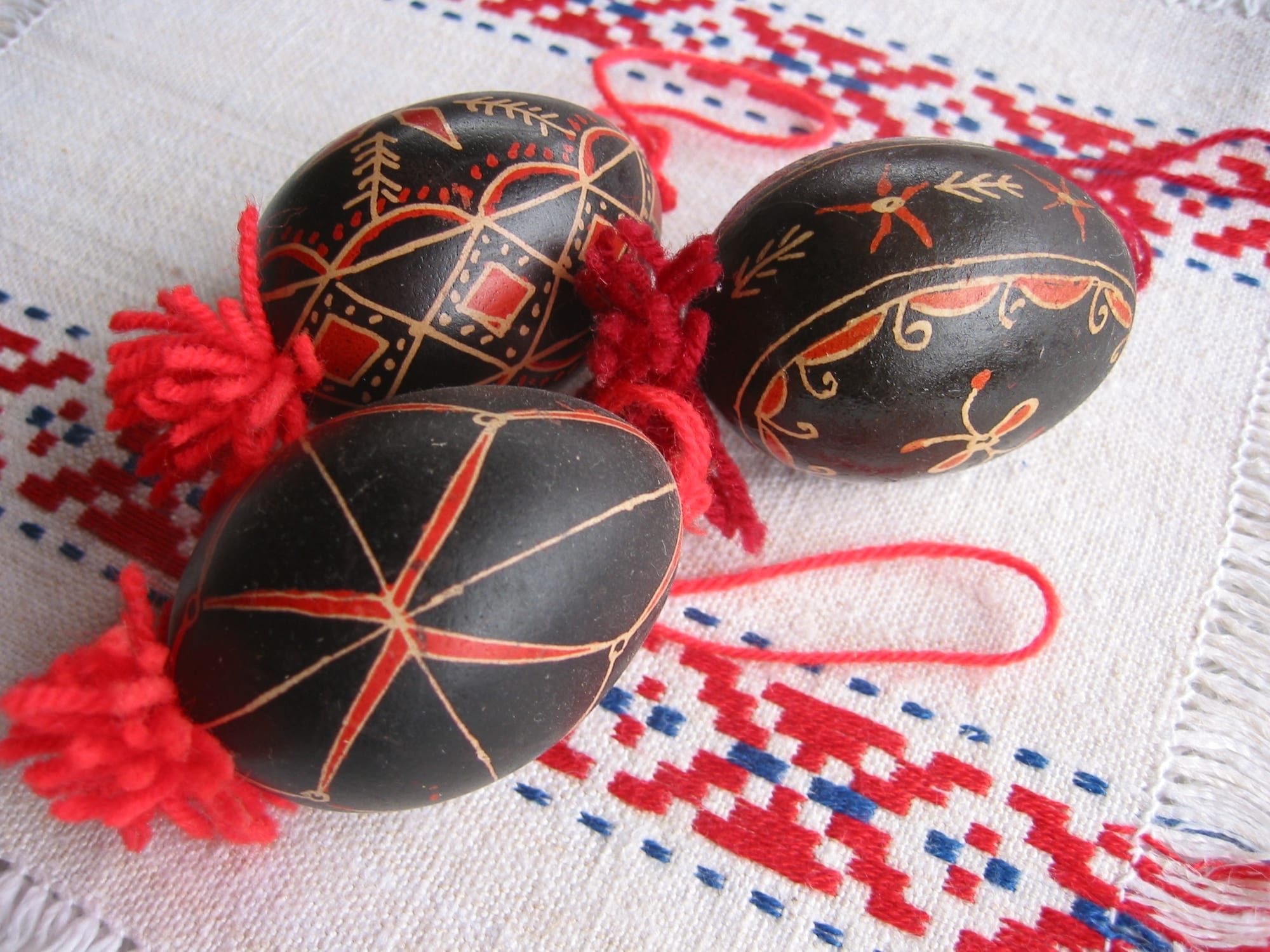
Easter is the great family feast of the Catholic year. On Palm Sunday people carry bundles of greenery, called butare or butarice, to church to be blessed; they are made of branches such as hazel and evergreens, and some are elaborately decorated. From Maundy Thursday the church bells fall silent for three days. On Holy Saturday families take baskets of Easter food to church for the blessing known as žegen, and the blessed food is eaten at home on Easter morning. The basket always holds pirhi, decorated eggs, which are dyed with onion skins and other plants, painted, pierced into lace-like patterns, or drawn with beeswax in red and black.
Autumn brings two very different occasions. On 11 November, St Martin's Day, the grape must is said to turn into wine, and the new vintage is blessed and celebrated with music, dancing and tastings. Before that, on 1 November, comes the Day of Remembrance of the Dead, a public holiday on which families go to the cemeteries. Graves are cleaned in the days beforehand, and on the day they are covered with candles and flowers.
December has its own sequence of visitors. St Nicholas, Miklavž, comes on the night of 5 to 6 December with walnuts, dried fruit and biscuits for good children, accompanied by devils for the others; Santa Claus follows at Christmas and Grandfather Frost at New Year, so that Slovene children speak of "three good men". An old custom of blessing the home with holy water and incense survives around the holy nights of the season, especially on the eve of Epiphany, when the initials of the three kings and the year are written above the door, where they stay until the following year. Nativity scenes are a treasured part of the season, and carollers go from house to house between Christmas Eve and Epiphany.
Weddings keep one of the most good-humoured customs of all. In rural areas, when the groom comes to fetch his bride, the young men of her village block the road with a šranga, a barrier that may be made of logs, wagons or even tractors. To pass, he must pay a ransom, haggled over at length, or complete a series of tasks, from sawing wood to answering questions about his bride. The wedding guests are fed and entertained meanwhile, and the money collected goes towards a gift for the couple and a party afterwards.
Arts, crafts and music
The saying goes that three Slovenians make a choir, and it is barely an exaggeration. Choral singing is the country's most widespread amateur pastime, involving more than 64,000 singers, over three per cent of the population, and choirs sing at church services, cultural events and a busy calendar of national and international competitions. The roots go deep: Jurij Slatkonja, a bishop born in Ljubljana, founded the boys' choir in Vienna in 1498 that became the Vienna Boys' Choir, the reformer Primož Trubar published the first books in Slovene in 1550, and the Renaissance composer Iacobus Gallus Carniolus left 374 motets. For a nation that long lacked a state of its own, singing together in Slovene helped keep both the language and a sense of nationhood alive.
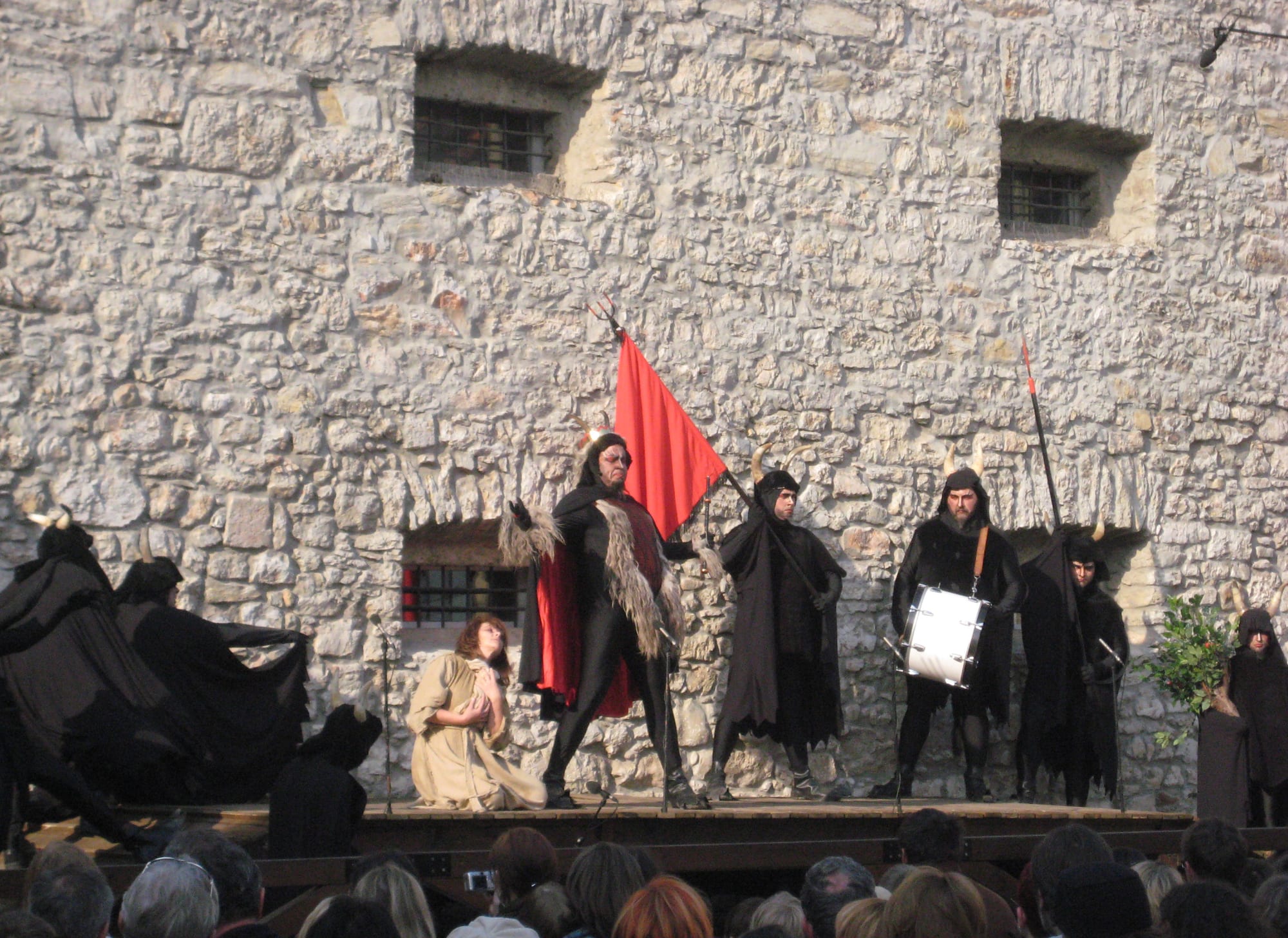
The theatre has an equally long pedigree. The Škofja Loka Passion Play, written between 1715 and 1727 by a Capuchin friar, Father Romuald, is the oldest preserved dramatic text in Slovene. It is revived in some years during Lent as a procession through the town's old centre with hundreds of performers, and was added to UNESCO's list of intangible cultural heritage in 2016. UNESCO's list for Slovenia has grown quickly, taking in the kurenti, bobbin lacemaking, beekeeping as a way of life, Lipizzan horse breeding, midwifery and dry stone construction.
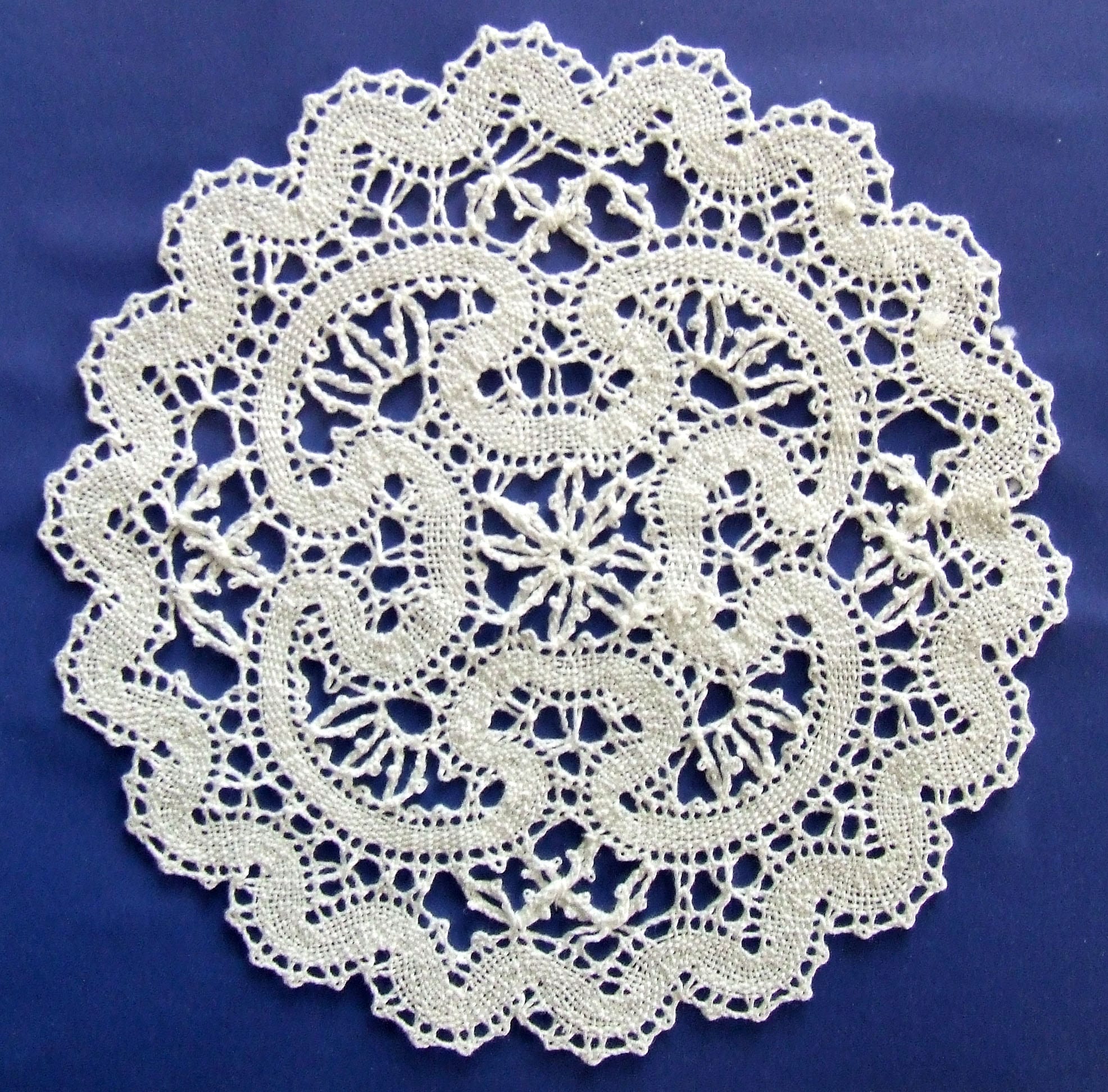
Beekeeping has its own folk art in the painted front panels of traditional hives, and poetry, above all Prešeren's, remains the touchstone of Slovene culture.
Dos and don'ts for visitors
- Do greet people with "Dober dan" and a handshake, using gospod or gospa with the surname until invited to use first names.
- Do take shoes off when entering a home, and accept the slippers offered.
- Do bring a modest gift when invited, such as flowers for the hostess and wine for the host.
- Do arrive on time; being more than a few minutes late is seen as disrespectful.
- Do keep a modest, soft-spoken manner; boasting and loud self-promotion are disliked.
- Don't bring up work at a social invitation unless the host raises it first.
- Don't treat cemeteries around 1 November as a sight to photograph; families are there to remember their dead.
What to take away
Slovenia can seem quiet and reserved at first, but it is a country that sings, masquerades and celebrates in company, and visitors who meet its courtesy with their own will find that reserve giving way to real warmth.