Food · Slovenia
Slovenia: Food and the National Dish
A rolled walnut pastry baked for every major celebration, from a small country where Alpine, Mediterranean and Balkan cooking all meet
By Worldlore Editorial · 30 September 2026
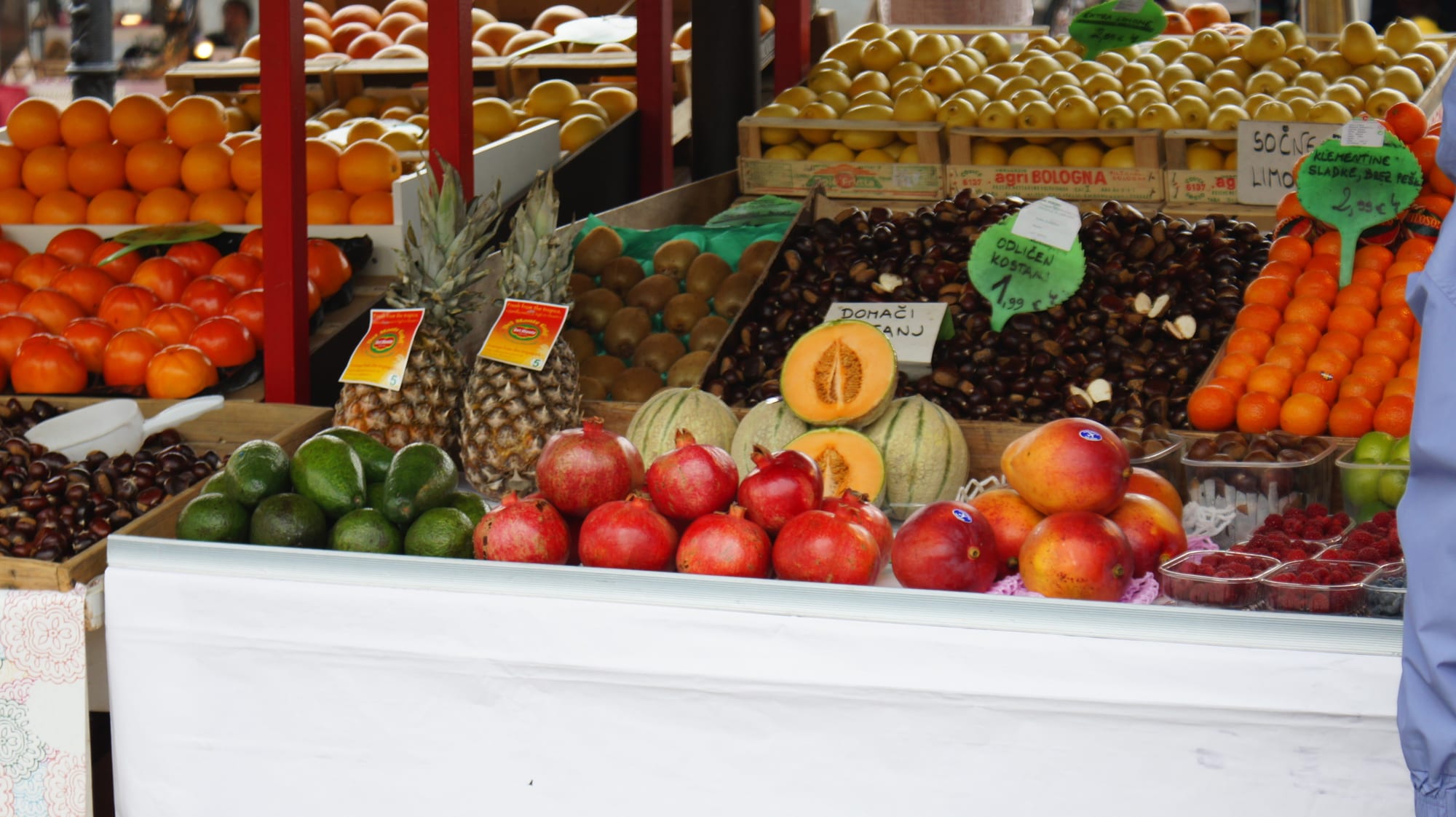
A cuisine where three culinary worlds meet
Slovenia's small size and location, bordering Italy, Austria, Hungary and Croatia, means its food genuinely draws on Alpine, Mediterranean and Balkan cooking traditions all at once, producing a cuisine more varied than the country's size might suggest.
The national dish: potica
Potica, a rolled pastry of thin leavened dough filled most often with ground walnuts sweetened with honey, then baked in a distinctive ring-shaped mould, is widely regarded as Slovenia's national dish and is served as one in state protocol. Traditionally baked for Christmas, Easter, weddings and christenings, potica varies by region and household in its exact filling, with tarragon, poppy seed and quark versions also common alongside the classic walnut recipe.
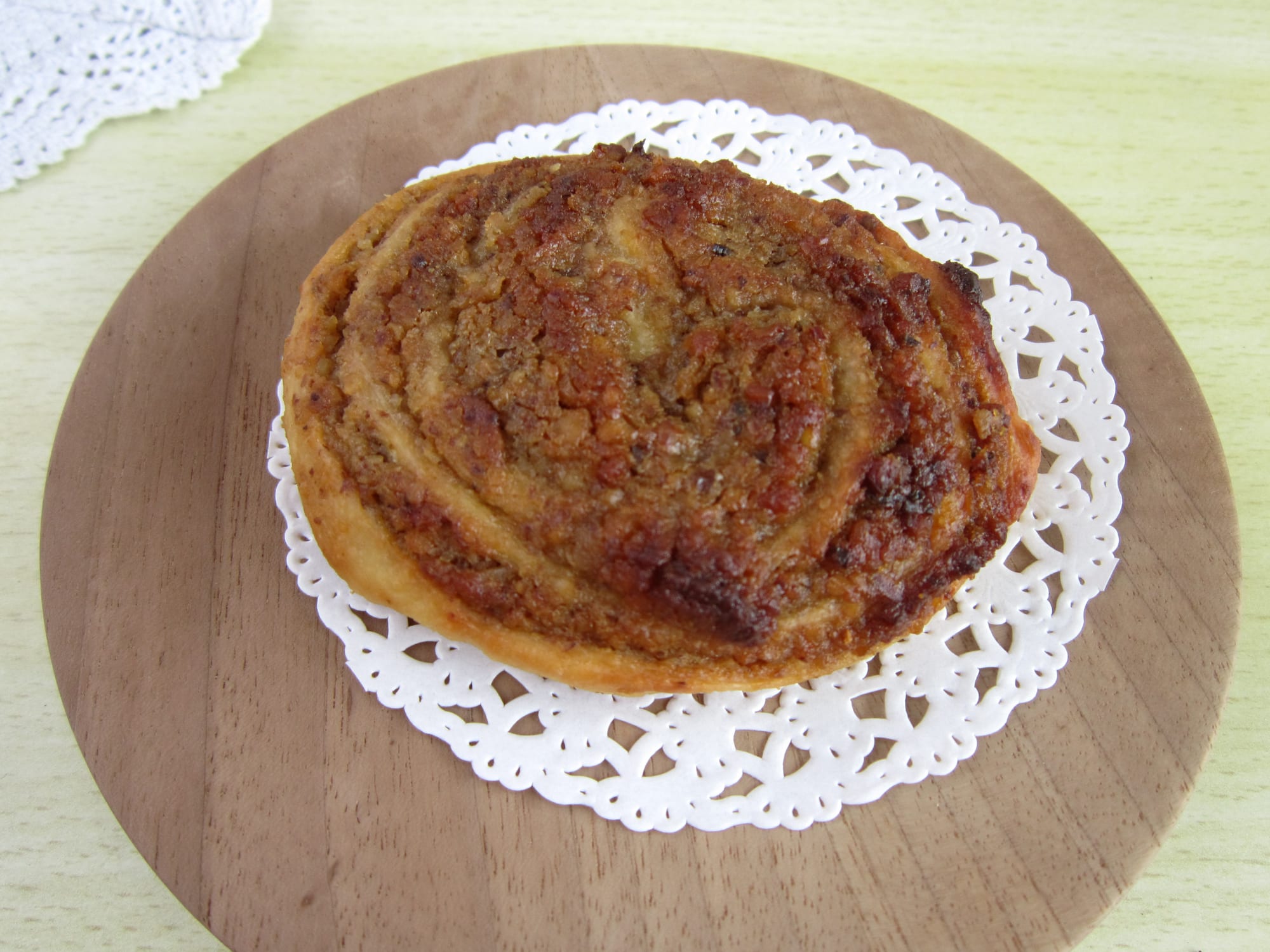
Walnuts, honey and a genuinely regional pantry
Walnuts, honey and dairy anchor much of Slovenia's baking tradition, while the country's regional cooking varies sharply: the coast uses Istrian olive oil, seafood and salt from Piran, the Karst Plateau is known for air-dried pršut ham, the Alpine north favours dairy, and the eastern regions of Styria and Prekmurje use dark pumpkin-seed oil and bake rich layered pastries. Ethnologists divided the country into 24 gastronomic regions in 2016, so the pantry looks different from one part of the country to the next.
History behind the roll
Potica has a long written history: the Protestant reformer Primož Trubar mentioned it in 1575 and 1577 under the older name povitica, and Johann Weikhard von Valvasor described the rolled honey-and-walnut pastry in detail in 1689. Its role at Christmas and Easter reflects a genuine, still-practised household tradition of baking the pastry specifically for major family and religious celebrations rather than as an everyday treat.
Dishes to know
Five more to recognise across Slovenia:
- Kranjska klobasa — Carniolan pork sausage, registered as an EU
protected geographical indication in 2015.
- Štruklji — rolled dumplings, savoury or sweet, with fillings ranging
from cottage cheese and tarragon to apple and walnut.
- Jota — a hearty bean, sauerkraut and potato stew from the Slovenian
Littoral and the wider northern Adriatic.
- Idrijski žlikrofi — small potato-filled dumplings from Idrija, the
first Slovenian dish to gain EU Traditional Speciality Guaranteed status, in 2010.
- Prekmurska gibanica — a layered pastry with poppy seed, walnut,
apple, raisin and quark fillings, native to Prekmurje but now a national speciality.
Drinks
Slovenian wine, produced across three established wine regions, is a genuine point of national pride despite the country's small size. Fruit brandies and coffee are also widely enjoyed.
Eating as a traveller
Vegetarians will find štruklji, dairy and vegetable-based dishes manageable, though meat is central to much of the country's regional cooking. Tap water is generally safe to drink across Slovenia. Trying potica at a bakery or during a local celebration is a genuine way to taste the dish as Slovenian families actually make it.
What to take from the table
Potica, rolled and baked in its ring-shaped mould for centuries, captures Slovenia's food story well: a small country whose cooking draws confidently from three different culinary traditions at once.