Food · South Korea
South Korea: Food and the National Dish
Fermented, spiced vegetables served at nearly every meal, a dish so central it has its own dedicated museum
By Globeway Editorial · 30 September 2026
A cuisine built around fermentation and shared side dishes
South Korean food centres on a genuine communal eating style, rice served with numerous small side dishes called banchan, shared across the table rather than plated individually, with one fermented dish appearing at nearly every meal regardless of what else is served.
The national dish: kimchi
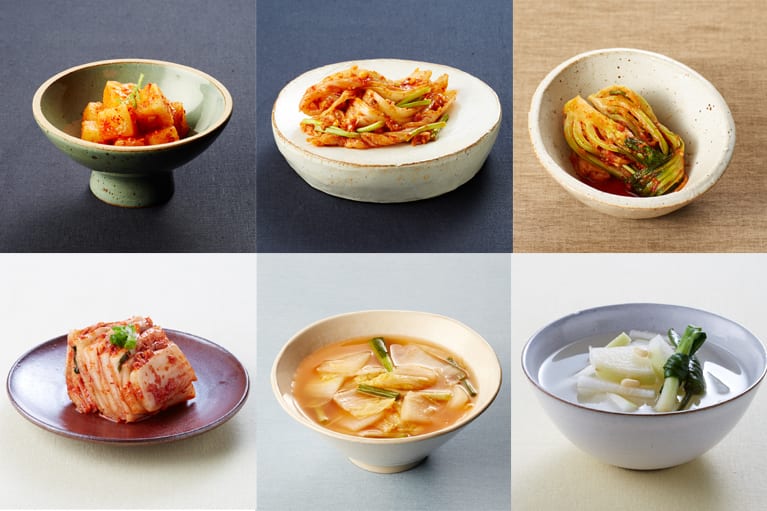
Kimchi, vegetables, most often napa cabbage, salted and fermented with chilli powder, garlic, ginger and salted seafood (jeotgal), is widely regarded as South Korea's national dish and is served at nearly every meal. Kimjang, the tradition of making large batches of kimchi together as a community ahead of winter, was inscribed by UNESCO in December 2013 as "Kimjang, making and sharing kimchi in the Republic of Korea", reflecting how deeply the practice is woven into Korean social life rather than treated as a private household task alone.
Rice, chilli and a genuinely fermented pantry
Rice, served with nearly every meal, and a spice base built on gochujang (fermented chilli paste) and doenjang (fermented soybean paste) anchor much of South Korean cooking. Fermentation runs through the pantry more broadly than just kimchi, reflecting a food culture built on preserving and deepening flavour over time rather than cooking only with fresh ingredients.
History behind the ferment
Fermenting vegetables in jars was already common in the Three Kingdoms period, more than a thousand years ago, but chilli peppers, a New World crop, are first mentioned in Korea in 1614 and only became widespread in kimchi in the 19th century; napa cabbage arrived at the end of that century. Kimjang, the communal end-of-autumn kimchi-making tradition, developed as a practical way for families and neighbours to prepare enough fermented vegetables to last through winter, a genuine social occasion that continues in many Korean households and communities today.
Dishes to know
Five more to recognise across South Korea:
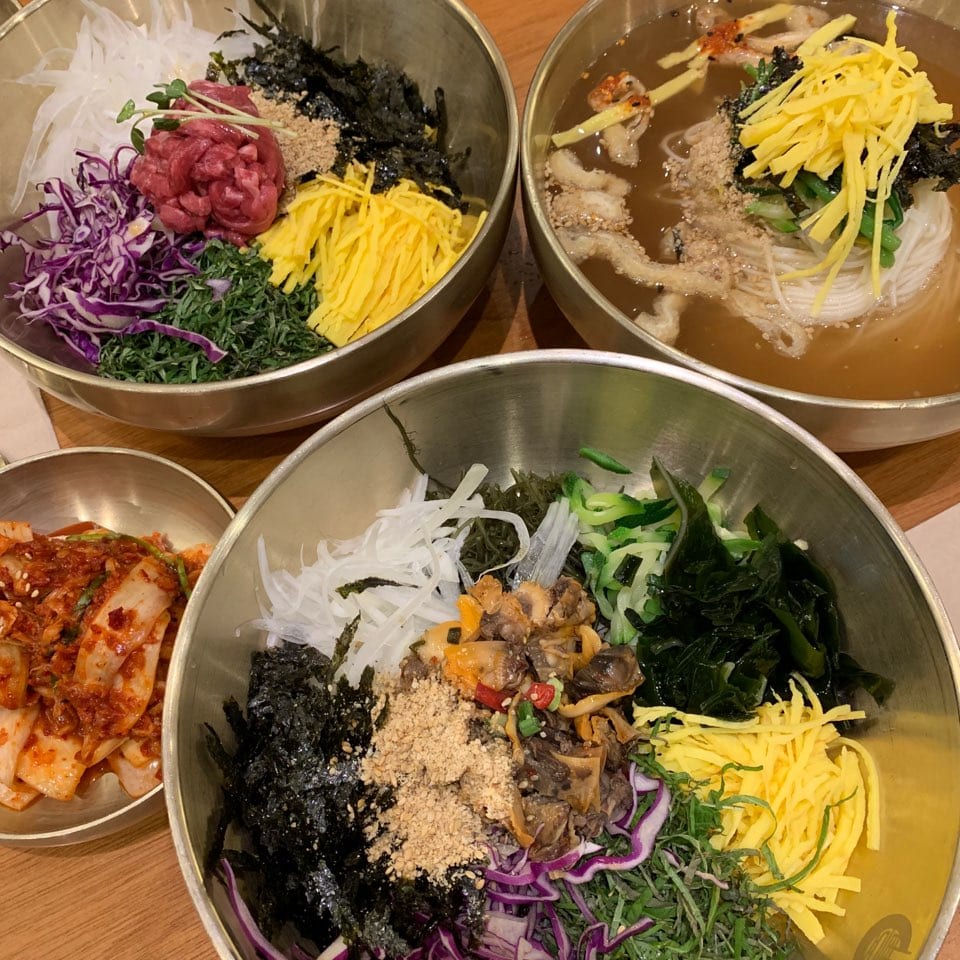
- Bibimbap — rice mixed with vegetables, usually with sliced beef and
an egg, sometimes served in a hot stone bowl.
- Bulgogi — thin slices of marinated beef, grilled or pan-fried.
- Tteokbokki — chewy rice cakes cooked in a spicy, sweet sauce, a
popular street-food snack.
- Samgyeopsal — grilled pork belly, often cooked at the table and
wrapped in lettuce.
- Japchae — stir-fried sweet-potato glass noodles with vegetables and
meat.
Drinks
Soju, a clear distilled spirit usually drunk neat, is South Korea's best-known alcoholic drink and a fixture of social gatherings. Barley tea and green tea are common everyday non-alcoholic choices, and makgeolli, a milky rice wine, remains a traditional favourite.
Eating as a traveller
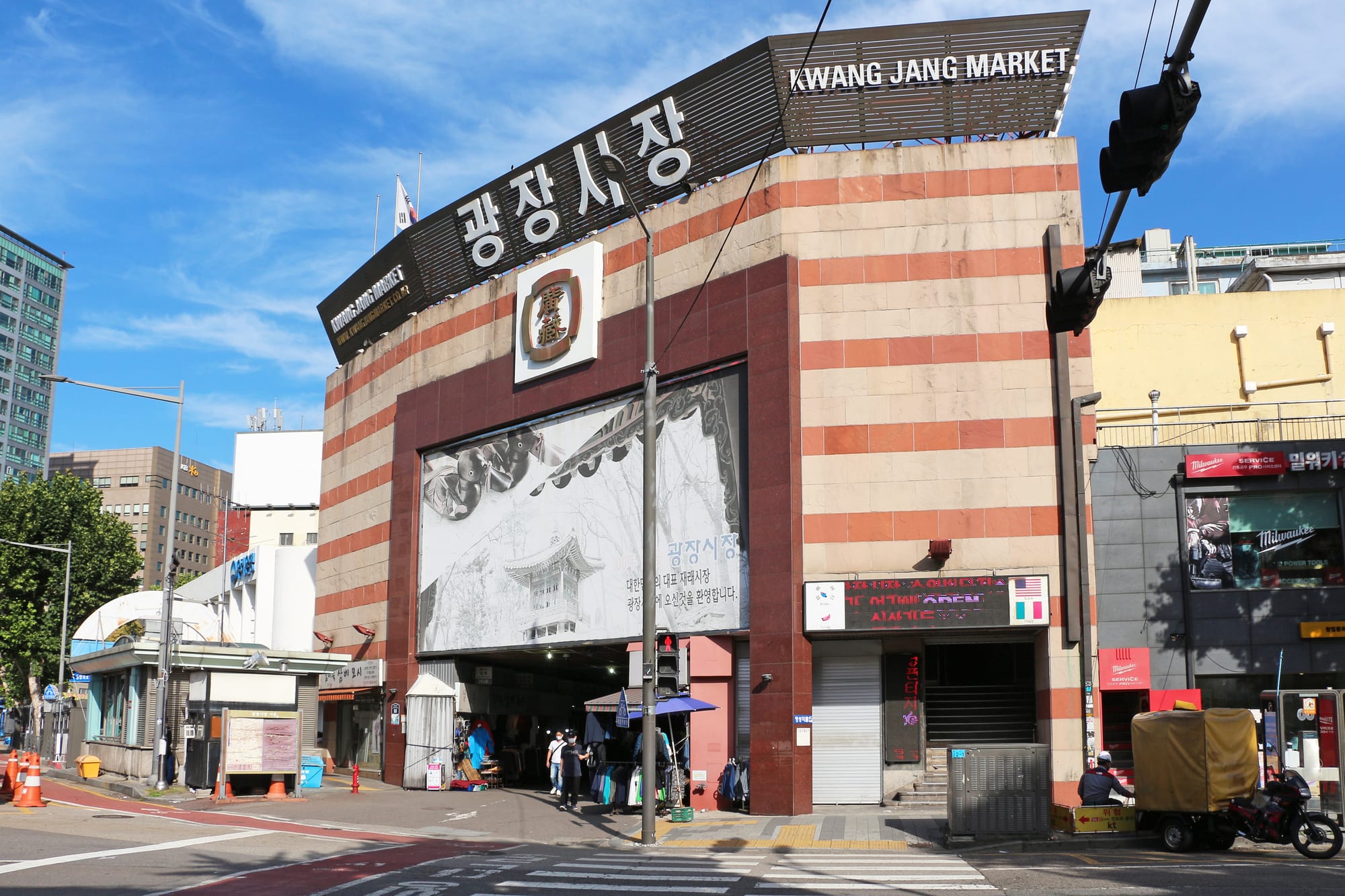
Vegetarians will find rice, vegetable and tofu-based dishes manageable, though salted seafood is a common ingredient even in seemingly vegetable dishes like kimchi. Tap water is safe to drink. Visiting Gwangjang Market in Seoul offers a genuine taste of Korean street food and banchan variety in one place.
What to take from the table
Kimchi, fermented communally each winter and eaten at nearly every meal, is the dish that most fully carries South Korea's food identity: patient, shared, and built to deepen in flavour over time.