Food · Svalbard
Svalbard: Food and the National Dish
Imported staples and Arctic game, from a permafrost archipelago with one restaurant holding one of the world's most improbable wine cellars
By Worldlore Editorial · 30 September 2026
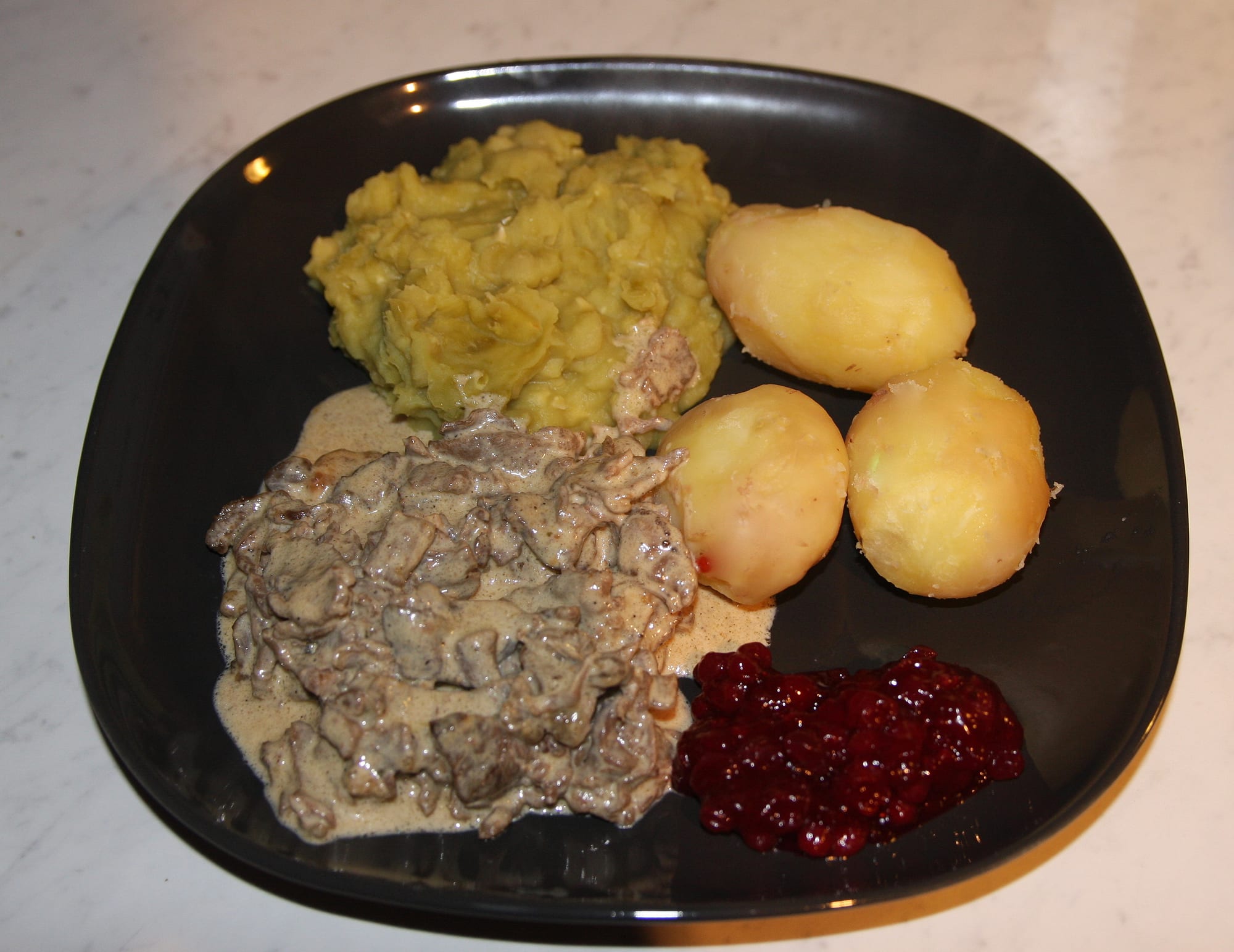
An Arctic archipelago with almost nothing grown locally
Svalbard, a Norwegian archipelago far north of the Arctic Circle, has no national dish of its own. Permafrost and the Arctic climate leave almost no room for farming, so nearly everything eaten here arrives by ship or plane rather than being grown on the islands themselves.
Imported staples and Arctic game
Imported staples, shipped or flown in from mainland Norway, form the overwhelming majority of what's eaten on Svalbard, a genuine and openly acknowledged reality of life this far north rather than something hidden from visitors. Reindeer and other Arctic game, hunted under regulated conditions, and fresh fish from surrounding Arctic waters supplement the imported pantry with some of the few locally sourced proteins available.
Dishes to know
What is genuinely eaten on Svalbard:
- Reindeer meat — hunted under regulated conditions, one of the few
locally sourced proteins available.
- Arctic fish — caught in the surrounding waters, served fresh in
Longyearbyen's restaurants.
- Norwegian staples — bread, dairy and preserved goods, shipped in
from mainland Norway.
- Ptarmigan — the Svalbard rock ptarmigan, a local game bird that
appears on menus built around Arctic ingredients.
- Seal and whale — served at Huset, whose menu is based on local game
and foraged ingredients.
Eating as a traveller
Svalbard has very limited dining options given its tiny population, most of it in Longyearbyen. Tap water is safe to drink. Alcohol bought to take away is rationed: residents buy within monthly quotas, and visitors are asked to show a ticket off the islands. Huset, a former miners' community centre that is now a fine-dining restaurant billed as the world's northernmost, is known for a wine cellar of more than 15,000 bottles and makes an unusual way to experience dining this far north.
What to take from the table
Svalbard's food story isn't a signature dish, it's the practical reality of eating well above the Arctic Circle, where nearly everything on the plate had to be shipped in from somewhere else entirely.