Attractions & Natural Wonders · Sweden
Sweden: Ten Attractions and Natural Wonders
A 17th-century warship raised almost perfectly intact after 333 years underwater, a hotel rebuilt from scratch each winter entirely out of ice, and an Arctic sky lit by the aurora borealis for months at a time
By Worldlore Editorial · 30 September 2026
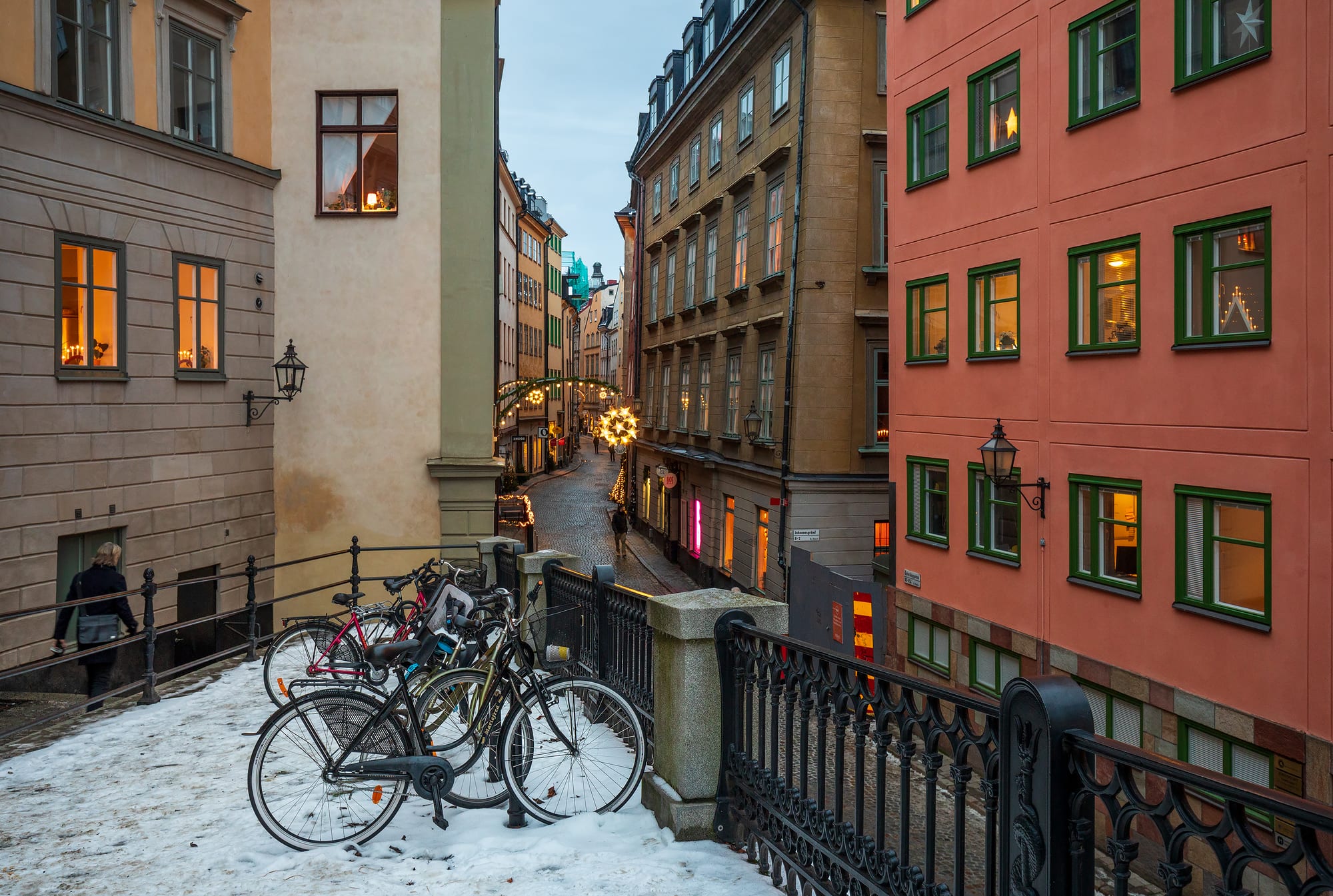
From medieval streets to the Arctic Circle
Sweden stretches from Stockholm's compact medieval old town in the south to Arctic Lapland in the far north, a range that lets a single country offer both centuries-old maritime history and months of aurora-lit winter sky. Its design sensibility, egalitarian social model, and strong outdoor culture run through everything from its museums to its most remote wilderness lodges.
The ten below run from Stockholm and Gothenburg to Gotland, the High Coast, and Swedish Lapland in the far north. Summer brings long daylight to most of the country; the Arctic north sees the midnight sun in summer and the aurora through much of the winter.
1. Gamla Stan, Stockholm
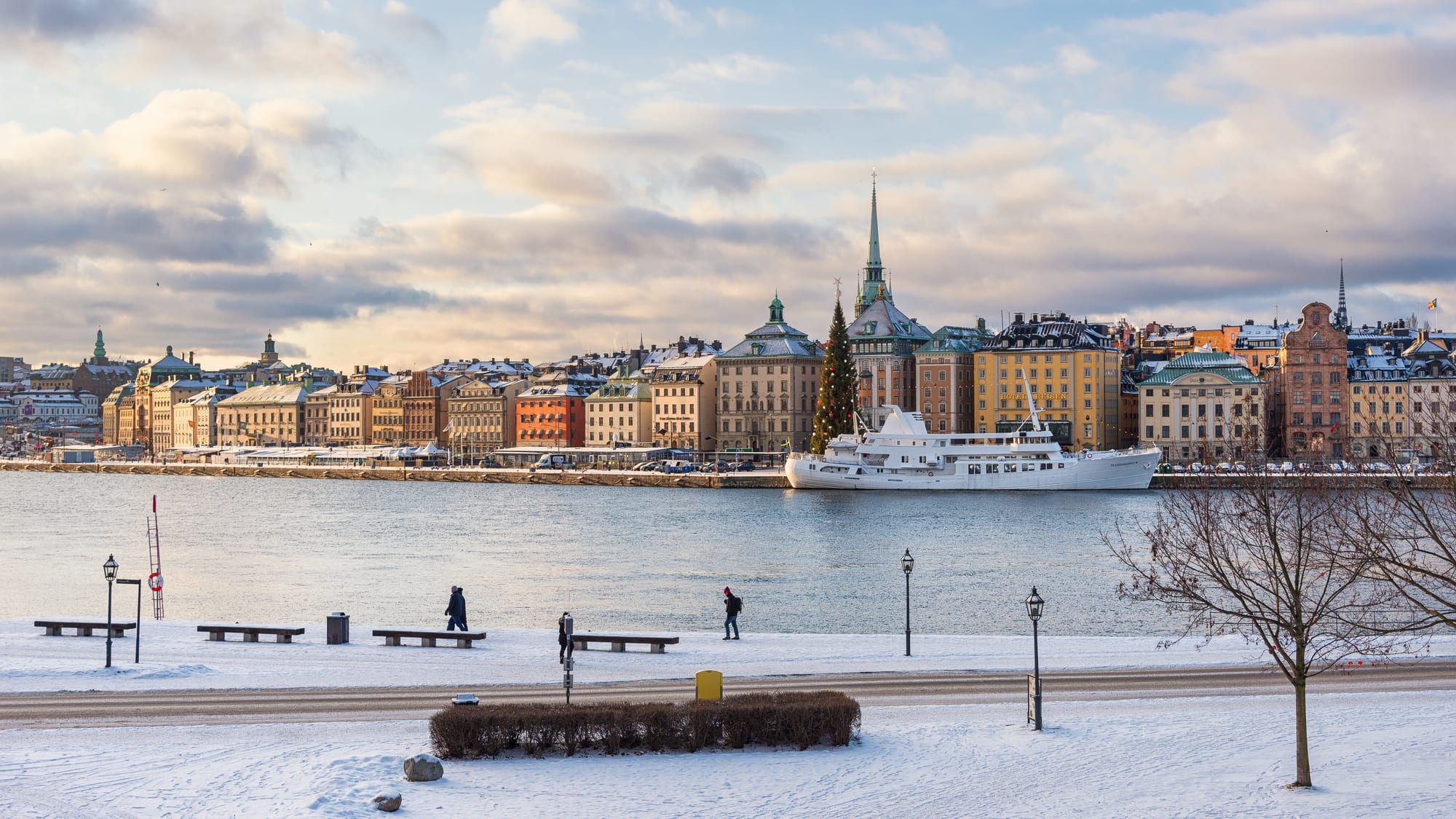
Gamla Stan, Stockholm's old town, preserves a dense medieval street plan dating to the city's 13th-century founding, its narrow cobbled lanes, colourful facades, and the Royal Palace giving Stockholm one of the best-preserved historic centres of any Scandinavian capital. Stockholm's wider setting, spread across 14 islands connecting the Baltic Sea to Lake Mälaren, adds waterfront views to nearly every part of the city.
2. The Vasa Museum
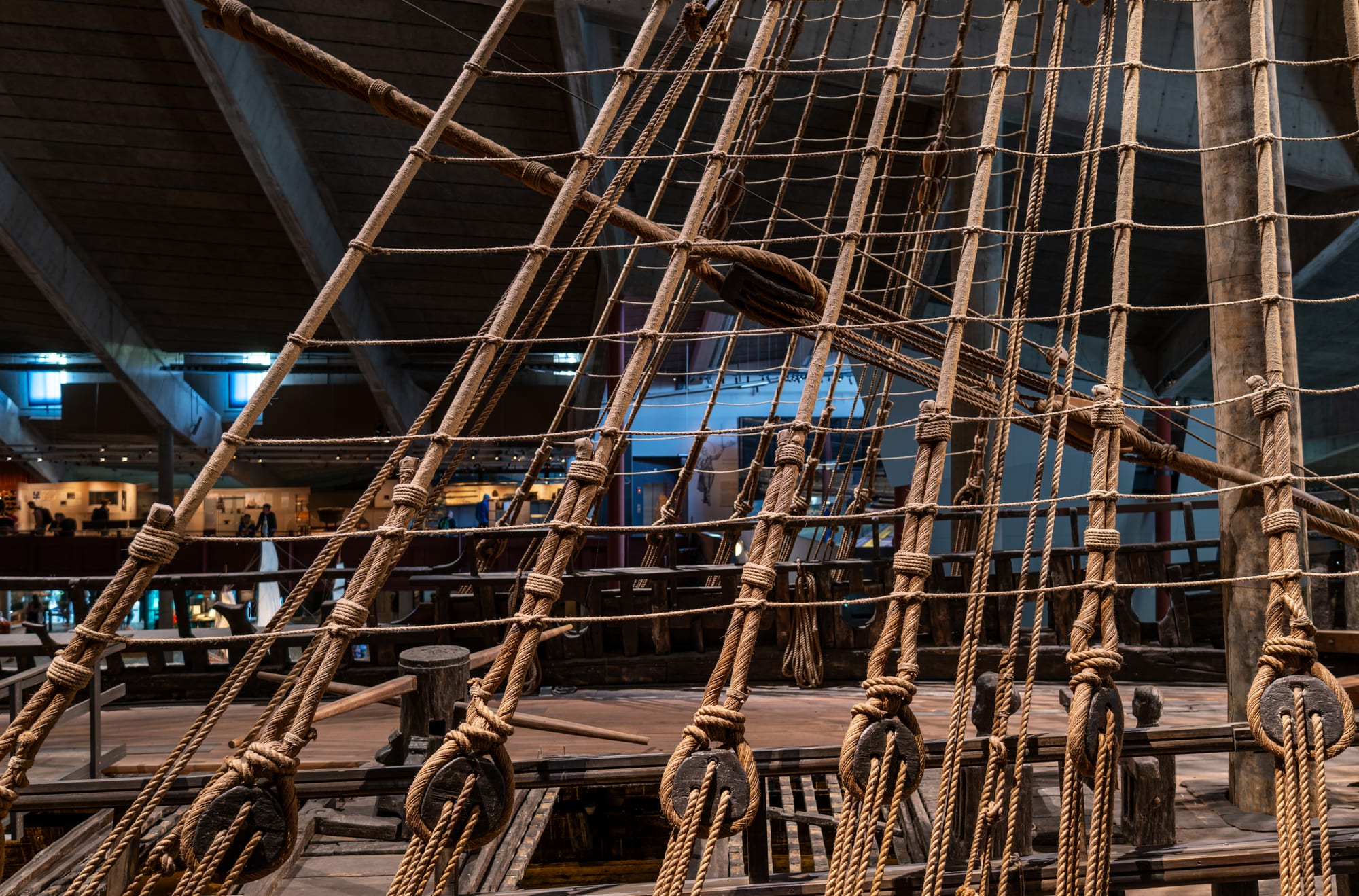
The Vasa, an elaborately decorated Swedish warship, sank in Stockholm harbour on its maiden voyage in 1628 after sailing roughly 1,300 metres, a victim of a top-heavy design. Preserved for over three centuries in the Baltic's cold, brackish water, free of the shipworm, it was raised almost entirely intact in 1961 and is now displayed in a purpose-built museum, considered one of the best-preserved ships from its era anywhere in the world.
3. Gothenburg's canals
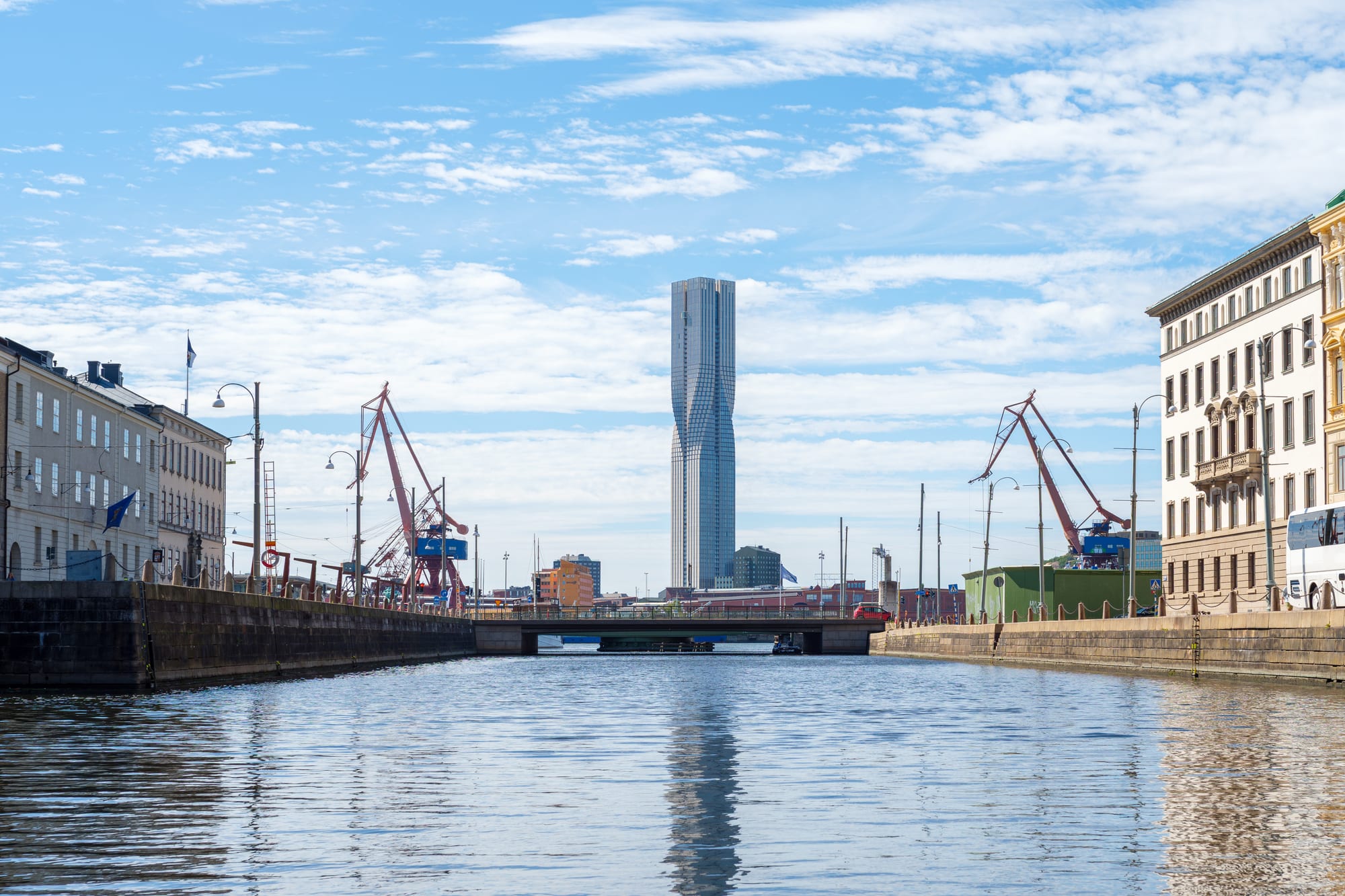
Gothenburg, Sweden's second-largest city, was laid out by Dutch planners in the 17th century around a network of canals still running through its centre, giving the city a character often compared to Amsterdam. Its relaxed, laid-back reputation and strong food and coffee culture make it a popular counterpoint to Stockholm's more formal capital-city feel.
4. The ICEHOTEL, Jukkasjärvi
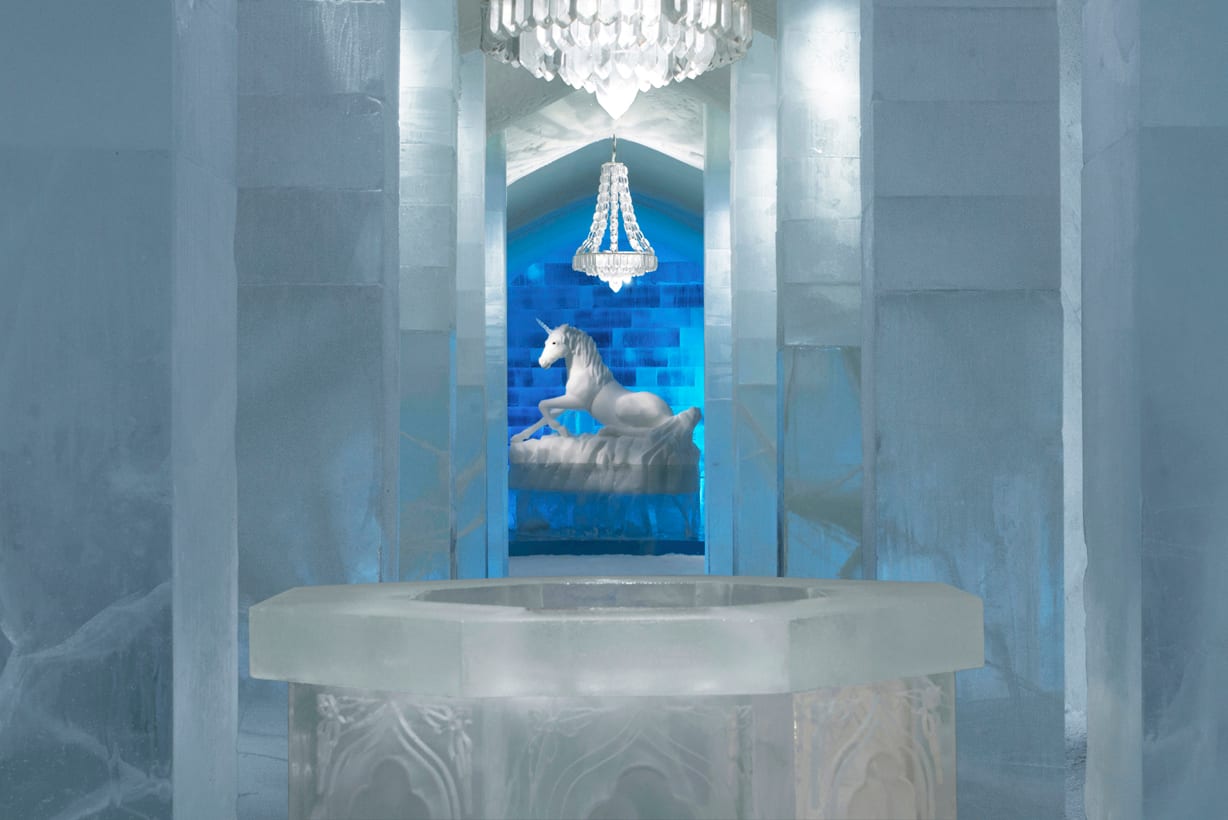
The ICEHOTEL, in the Arctic village of Jukkasjärvi, is rebuilt from scratch each winter using ice harvested from the nearby Torne River, its rooms and elaborate art suites carved anew each year by invited artists before melting back into the river each spring (a smaller permanent ICEHOTEL 365 now stands year-round). It has grown from a single igloo that took its first overnight guests in 1990 into one of the most distinctive hotel experiences in the world.
5. The Northern Lights, Swedish Lapland
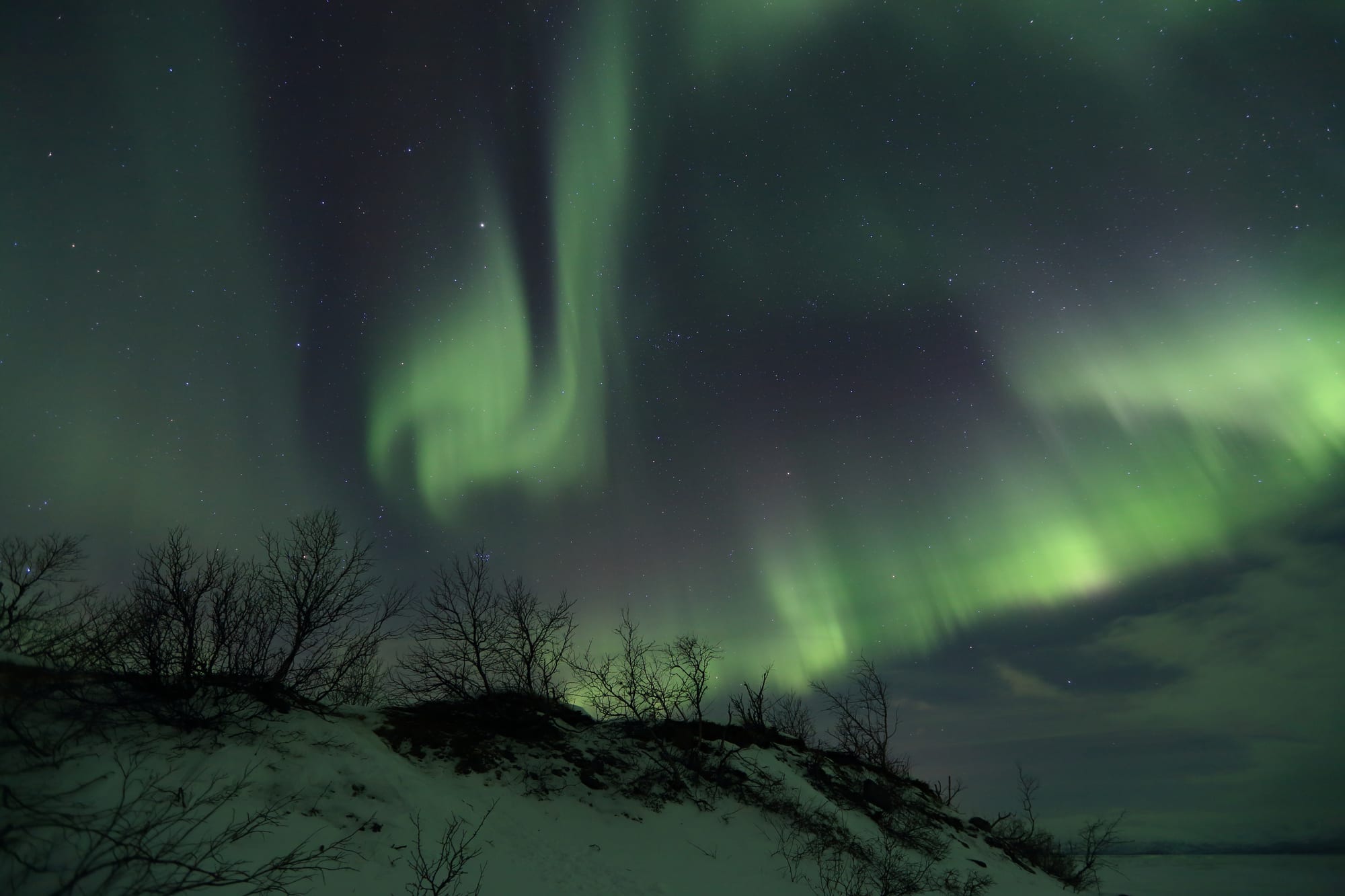
Abisko, in Swedish Lapland north of the Arctic Circle, about 200 kilometres north of the Arctic Circle, is a well-known place to see the aurora borealis, its location free of light pollution making winter skies ideal for viewing. The area also offers Sámi cultural experiences and access to Kungsleden, one of Sweden's best-known long- distance hiking trails, in the warmer months.
6. Drottningholm Palace
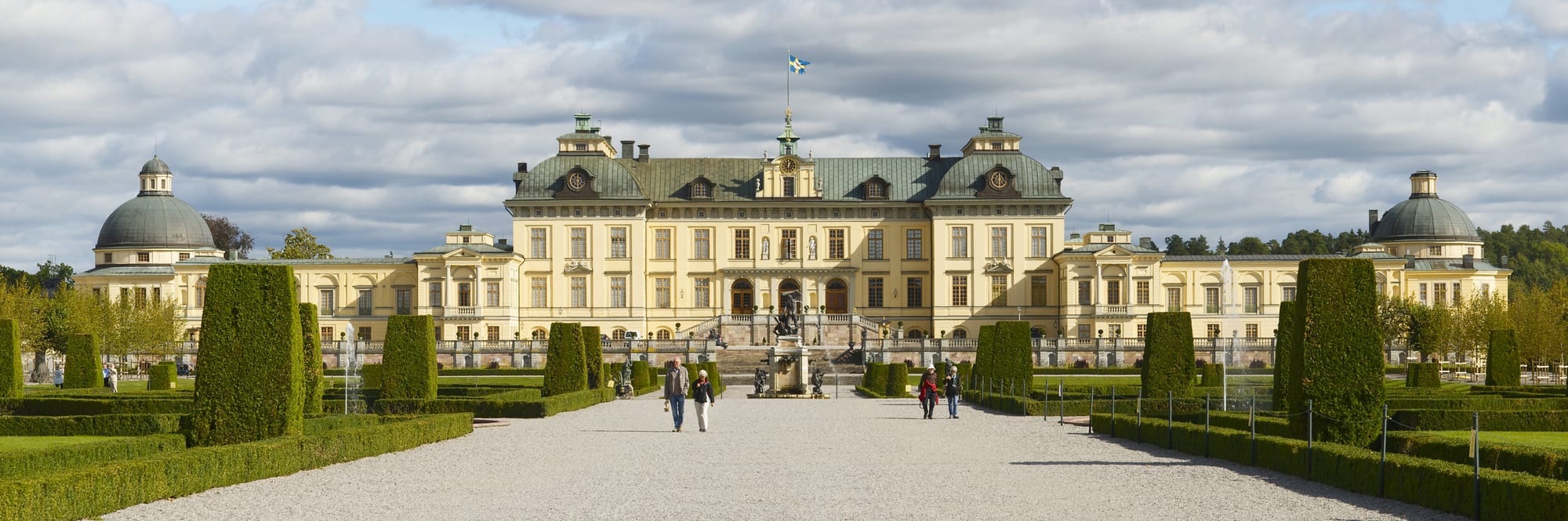
Drottningholm, on an island just outside central Stockholm, was begun in 1662, served as a summer residence of the royal court through much of the 18th century and is today the residence of the Swedish royal family, its palace, gardens, Chinese pavilion, and court theatre together forming the Royal Domain of Drottningholm, Sweden's first UNESCO World Heritage Site (1991).
The palace and its gardens are open to the public and are a major attraction.
7. Visby, Gotland
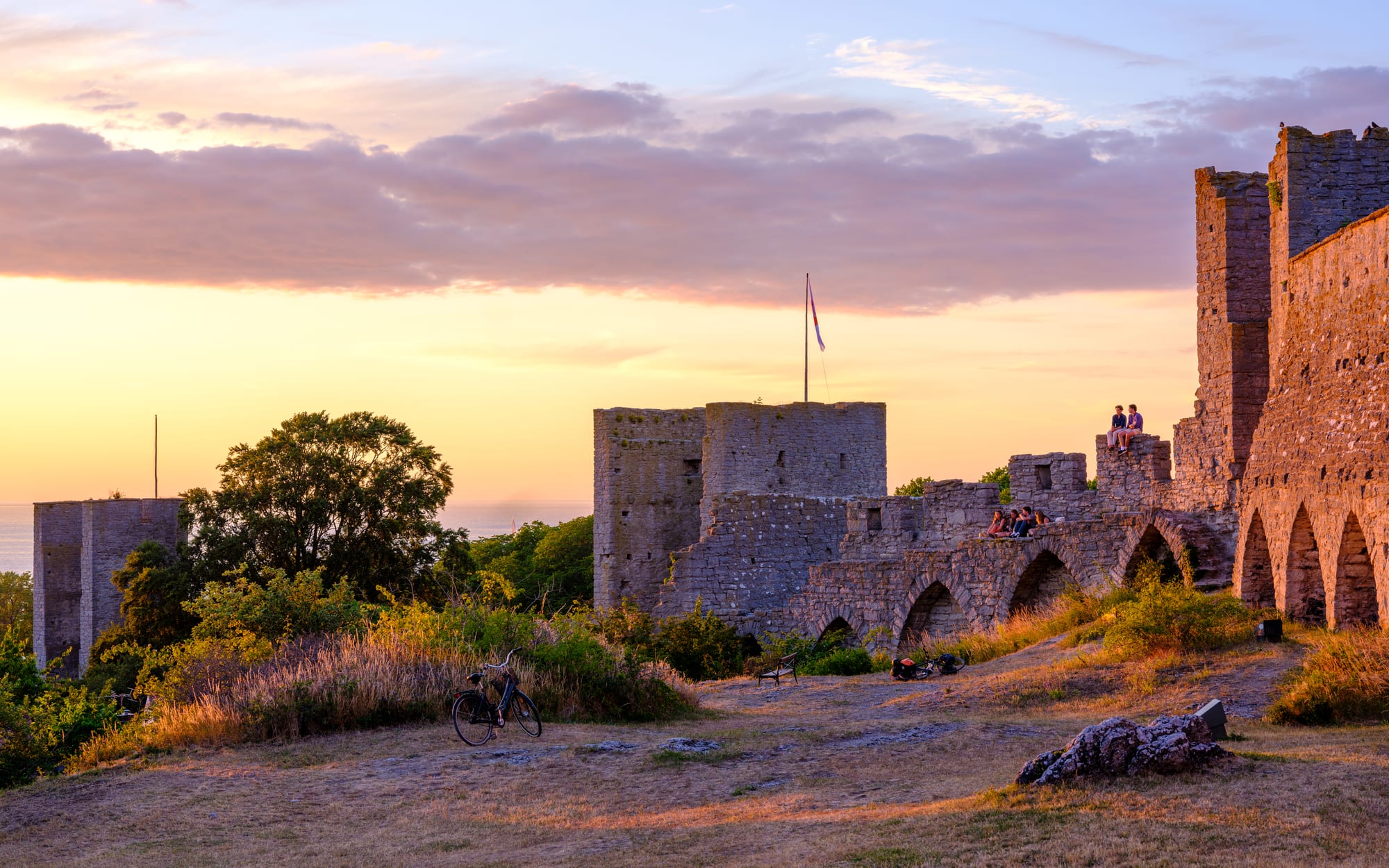
Visby, the main town on the Baltic island of Gotland, preserves one of the best-kept medieval fortified town walls in Europe, its 3.4-kilometre ring of towers and ramparts encircling cobbled lanes, rose-covered ruins, and merchant houses dating to its heyday as a powerful Hanseatic League trading port. A UNESCO World Heritage Site since 1995, the town fills each summer with the week-long Medieval Week festival and Almedalen political gathering.
8. The Stockholm Archipelago
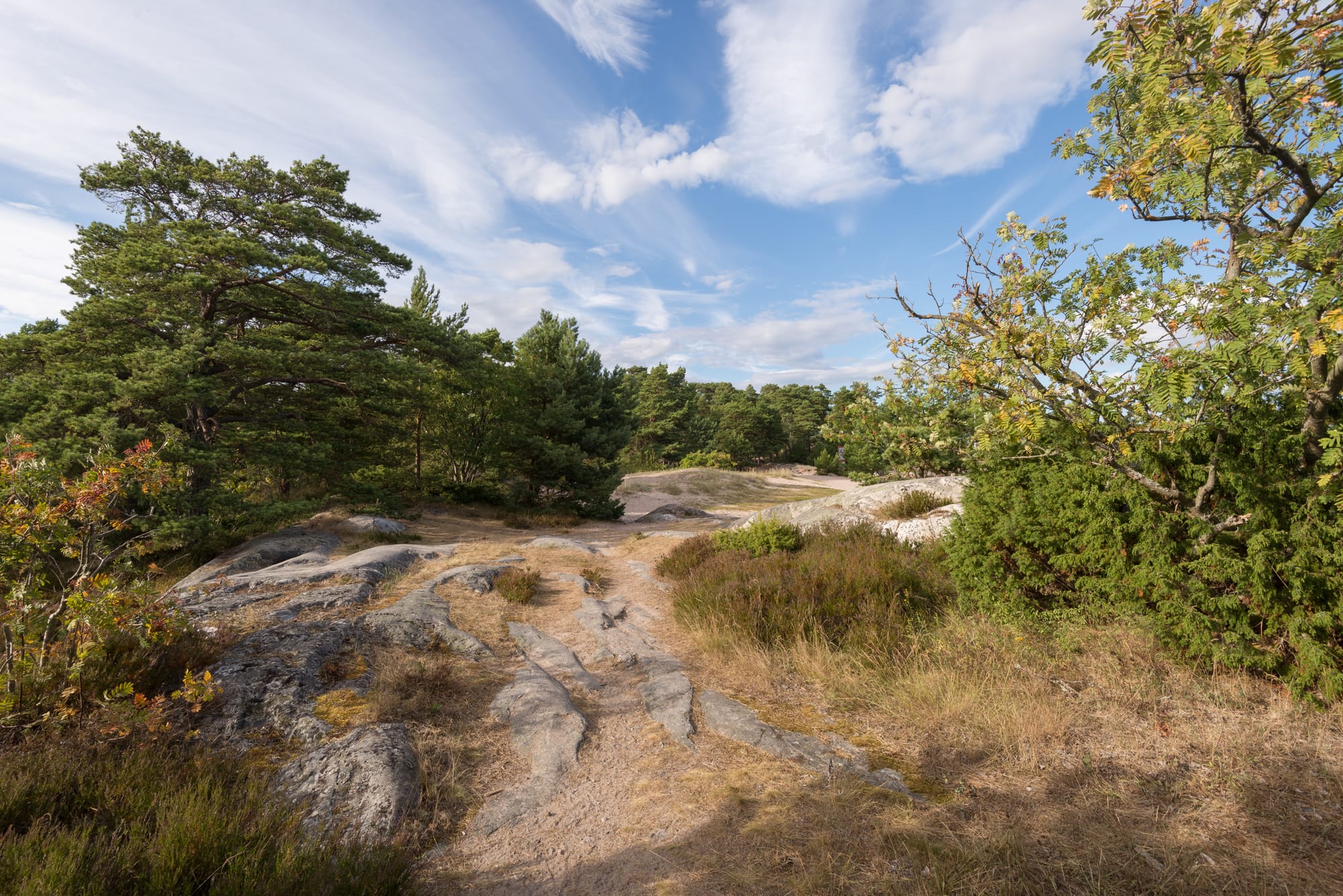
The Stockholm Archipelago, stretching roughly 60 kilometres east of the capital into the Baltic Sea, comprises some 24,000 islands and skerries ranging from bare granite rocks to wooded islands with small fishing villages, many of them served by ferries, which make even a day trip from the city practical.
Sandhamn, a former pilot station turned popular sailing hub, receives about 100,000 visitors a year and is the setting for the Round Gotland Race.
9. The High Coast (Höga Kusten)
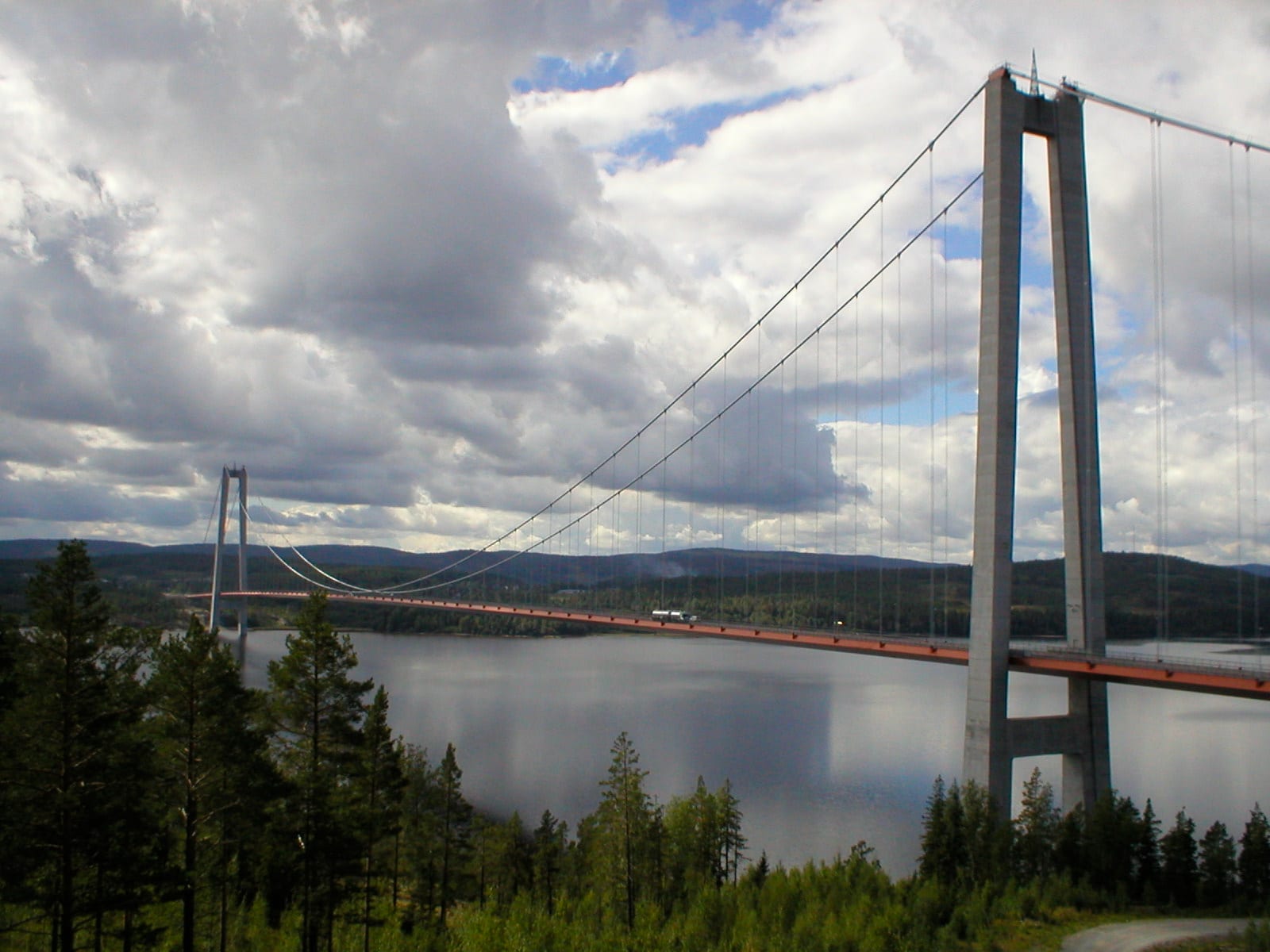
The High Coast, along Sweden's eastern seaboard, holds the highest known post-glacial rebound on earth, about 285 metres since the Ice Age — land still rising roughly 8 millimetres a year as it slowly recovers from the weight of Ice Age glaciers, producing a dramatic landscape of steep cliffs and high coastal hills unlike the flatter shoreline typical elsewhere in the Baltic. Part of the High Coast/Kvarken Archipelago UNESCO World Heritage Site, the region is best appreciated from its namesake suspension bridge or along its network of coastal hiking trails.
10. Sarek National Park
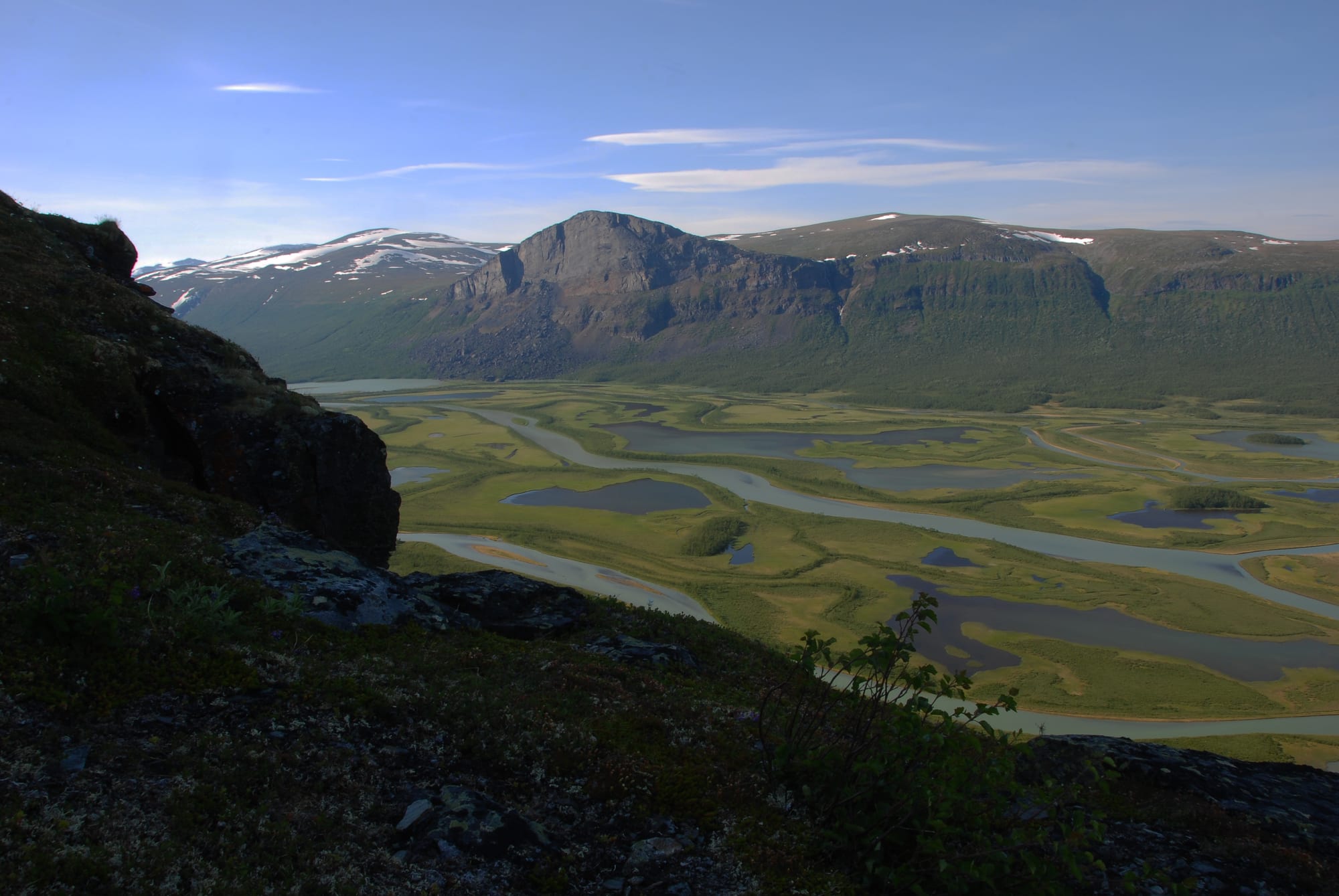
Sarek, in Swedish Lapland, is often called Europe's last true wilderness: a roadless expanse of about 100 glaciers, deep valleys, and the braided Rapa River delta, with no marked trails or accommodation and only two bridges away from its borders, so beginners are advised to go with a guide.
Far less visited than neighbouring Abisko or the Kungsleden trail, Sarek rewards the effort with some of the most dramatic and untouched mountain scenery left in Europe.
Sweden rewards a trip split between Stockholm (with Gothenburg, the archipelago, and Gotland as additions) and a separate expedition north to Swedish Lapland and the High Coast, given the distance and very different character between the two halves of the country.