Food · Sweden
Sweden: Food and the National Dish
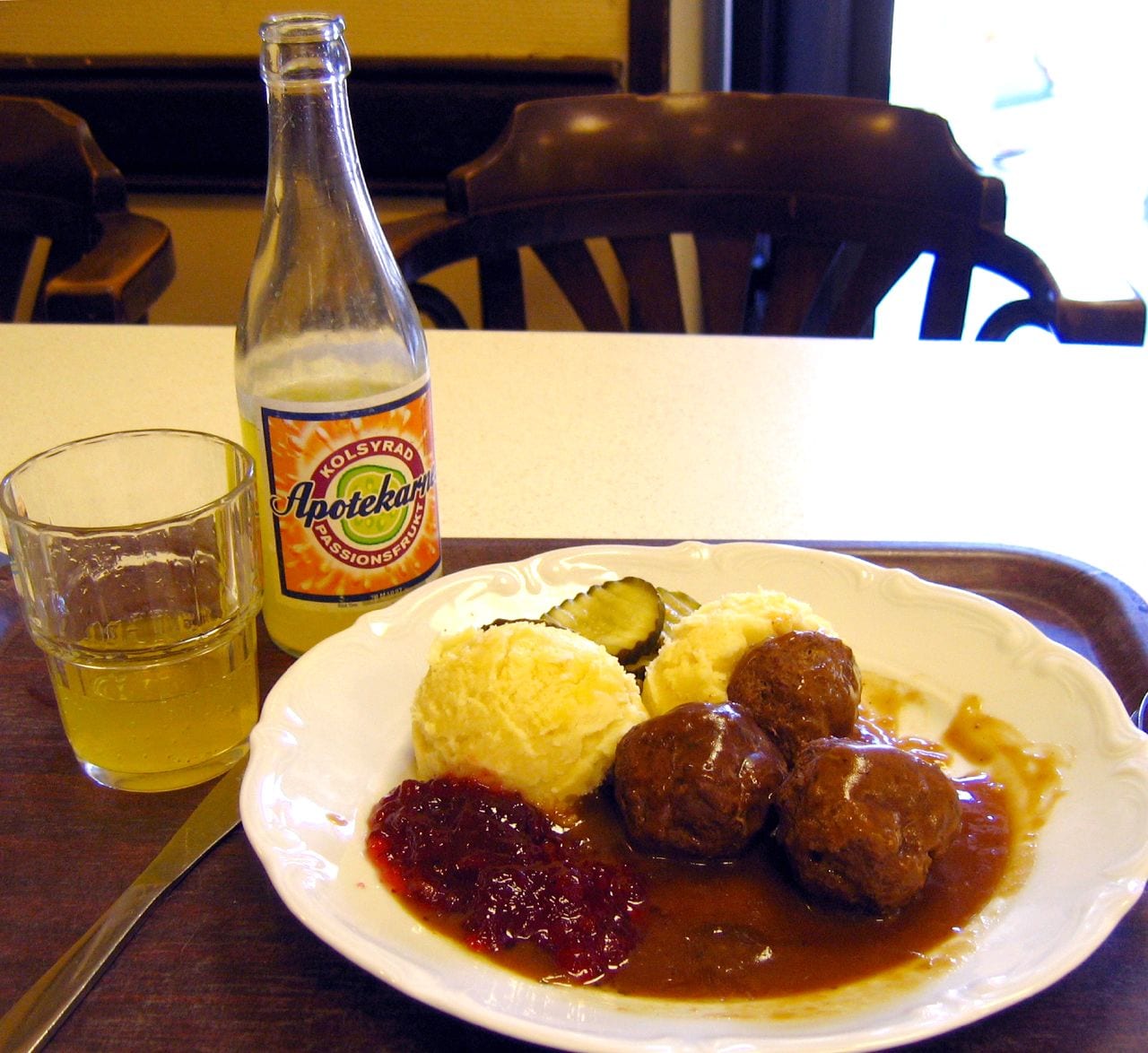
Small meatballs served with lingonberry jam, one of the best-known dishes of Scandinavia
By Worldlore Editorial · 30 September 2026
A cuisine known worldwide through one small dish
Swedish food is, for many people outside Sweden, defined almost entirely by one dish, thanks in large part to its global reach through IKEA's in-store restaurants, even though Swedish cooking itself draws on a much wider tradition of preserved fish, dairy and foraged ingredients suited to the country's long winters.
The national dish: köttbullar
Köttbullar, small meatballs made from a mix of beef and pork, served with cream sauce, boiled potatoes and lingonberry jam, is considered Sweden's national dish. Genuinely a fixture of Swedish home cooking long before IKEA's cafeterias introduced the dish to a global audience, köttbullar varies by household in exact seasoning and size, though the combination with tart lingonberry jam remains fairly constant.
Dairy, fish and a genuinely foraged pantry
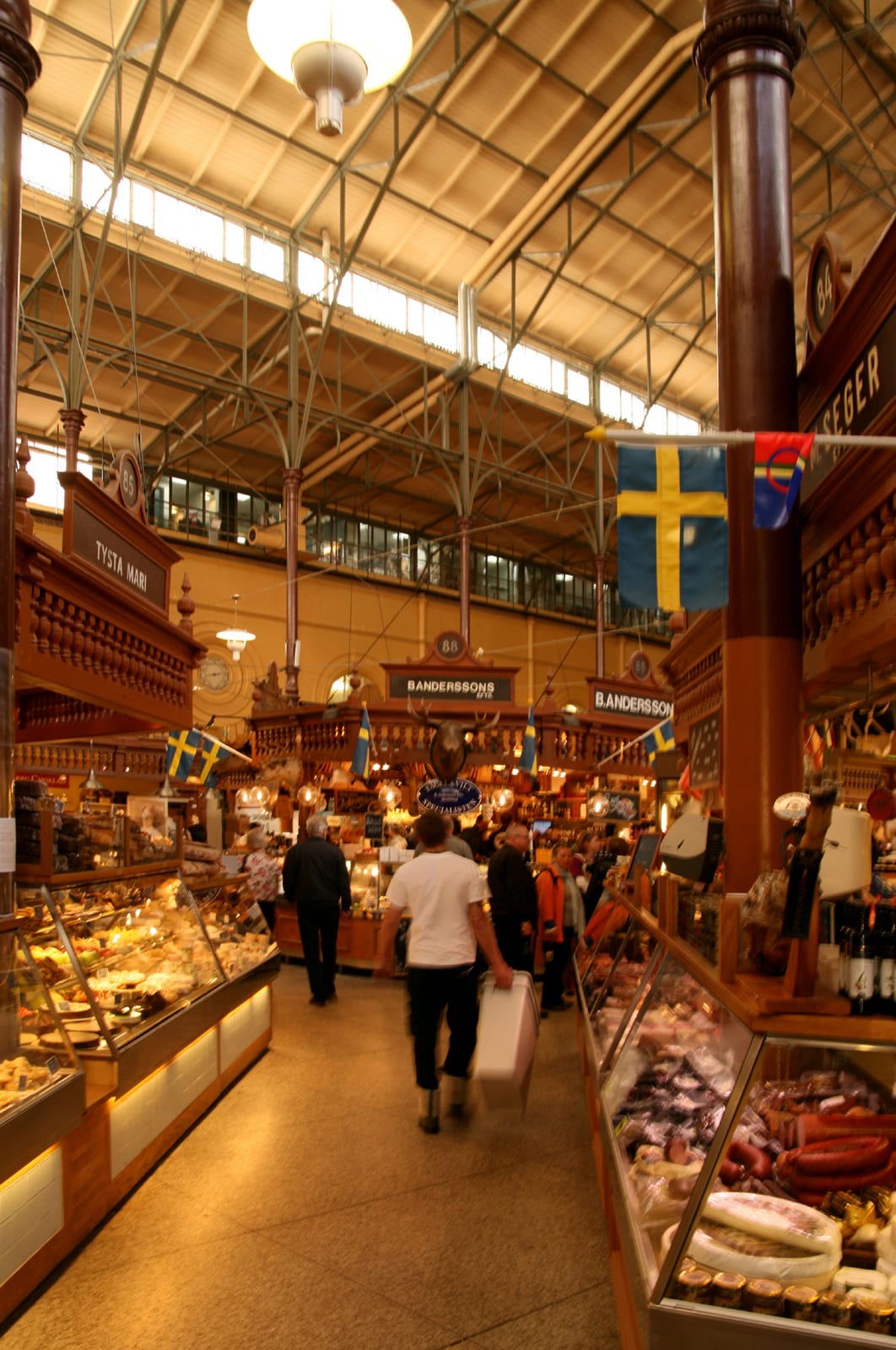
Dairy, potatoes and preserved fish, particularly pickled herring, anchor much of everyday Swedish cooking, alongside lingonberries and other wild berries foraged from the country's extensive forests. Rye bread and a range of cured and smoked meats round out a pantry shaped by a farming tradition suited to Sweden's long, cold winters.
History behind the meatball
Meatballs have long been part of Swedish home cooking: from the mid-1600s they were usually called frikadeller, and the word köttbulle first appeared in print in Cajsa Warg's cookbook of 1755. A popular story that the recipe was brought from the Ottoman Empire by King Charles XII in 1714 drew international attention in 2018 but has been refuted. IKEA, whose first store opened in 1958, added meatballs to its cafeterias in 1985 and carried the dish to a truly global audience.
Dishes to know
Five more to recognise across Sweden:
- Pickled herring (sill) — herring cured in vinegar, sugar and
spices, a fixture at Swedish celebrations like Midsummer.
- Gravlax — salmon cured with salt, sugar and dill, served thinly
sliced.
- Kanelbulle — a cinnamon bun, central to fika, Sweden's daily coffee
break tradition.
- Pitepalt — a dumpling made from potato and flour, often filled with
pork, a specialty from northern Sweden.
- Blodpudding — a savoury blood pudding, traditionally served with
lingonberry jam.
Drinks
Coffee, central to the fika tradition, is drunk in large quantities: Sweden ranks among the world's top coffee consumers per capita. Aquavit, a spiced spirit, is traditionally drunk at celebrations, and lingonberry juice is a common everyday non-alcoholic choice.
Eating as a traveller
Vegetarians will find dairy, potato and vegetable-based dishes manageable, though fish and meat are central to much of traditional Swedish cooking. Tap water is safe to drink directly across Sweden. Visiting Stockholm's Östermalms Saluhall market hall offers a genuine look at the preserved fish, cured meats and produce behind Swedish home cooking.
What to take from the table
Köttbullar, served with lingonberry jam at homes and cafés across the country long before it went global, remains the dish that most directly represents Swedish food to the rest of the world.