Attractions & Natural Wonders · Tristan da Cunha
Tristan da Cunha: Five Attractions and Natural Wonders
The most remote inhabited island on earth, reached only by a week-long boat journey, where an active volcano looms directly over a settlement of fewer than 250 people
By Worldlore Editorial · 30 September 2026
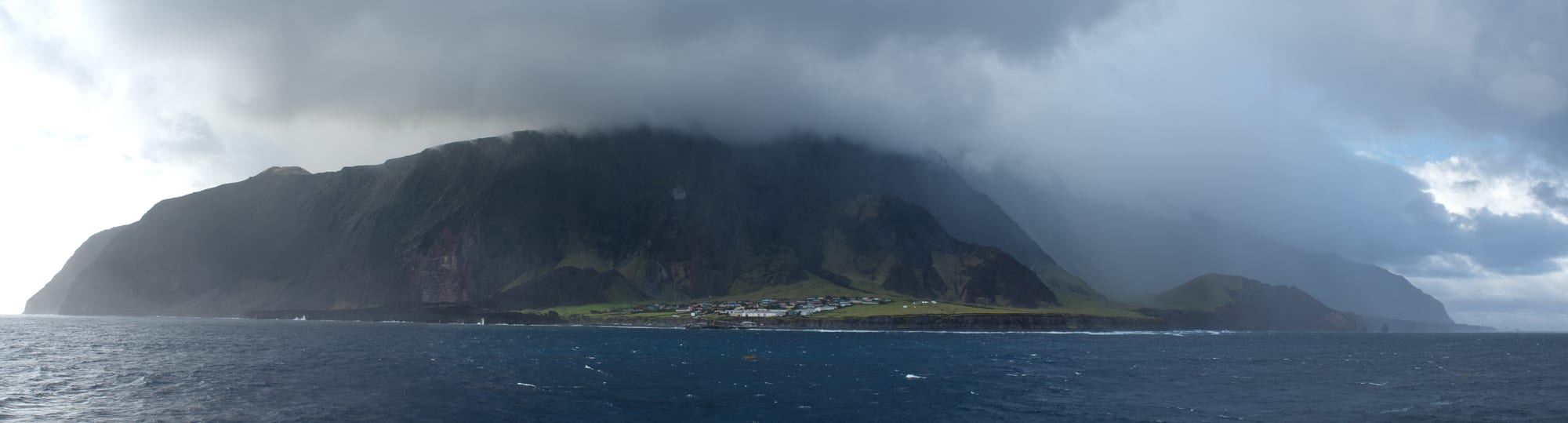
The most remote inhabited island in the world
Tristan da Cunha, a British overseas territory in the South Atlantic, holds the distinction of being the most remote permanently inhabited island on earth — the nearest land, Saint Helena, lies about 1,500 miles away, and there is no airport, meaning the only way in is a boat journey from South Africa that typically takes about six days. Its entire population of around 220 people lives in a single settlement, all sharing just a handful of surnames descended from the island's original 19th-century settlers.
The five below cover the island's settlement, volcano, and surrounding archipelago, including the smaller islands of Inaccessible and Nightingale. Given the extreme logistics involved, a visit here is among the most genuine expeditions available to any traveller.
1. Edinburgh of the Seven Seas
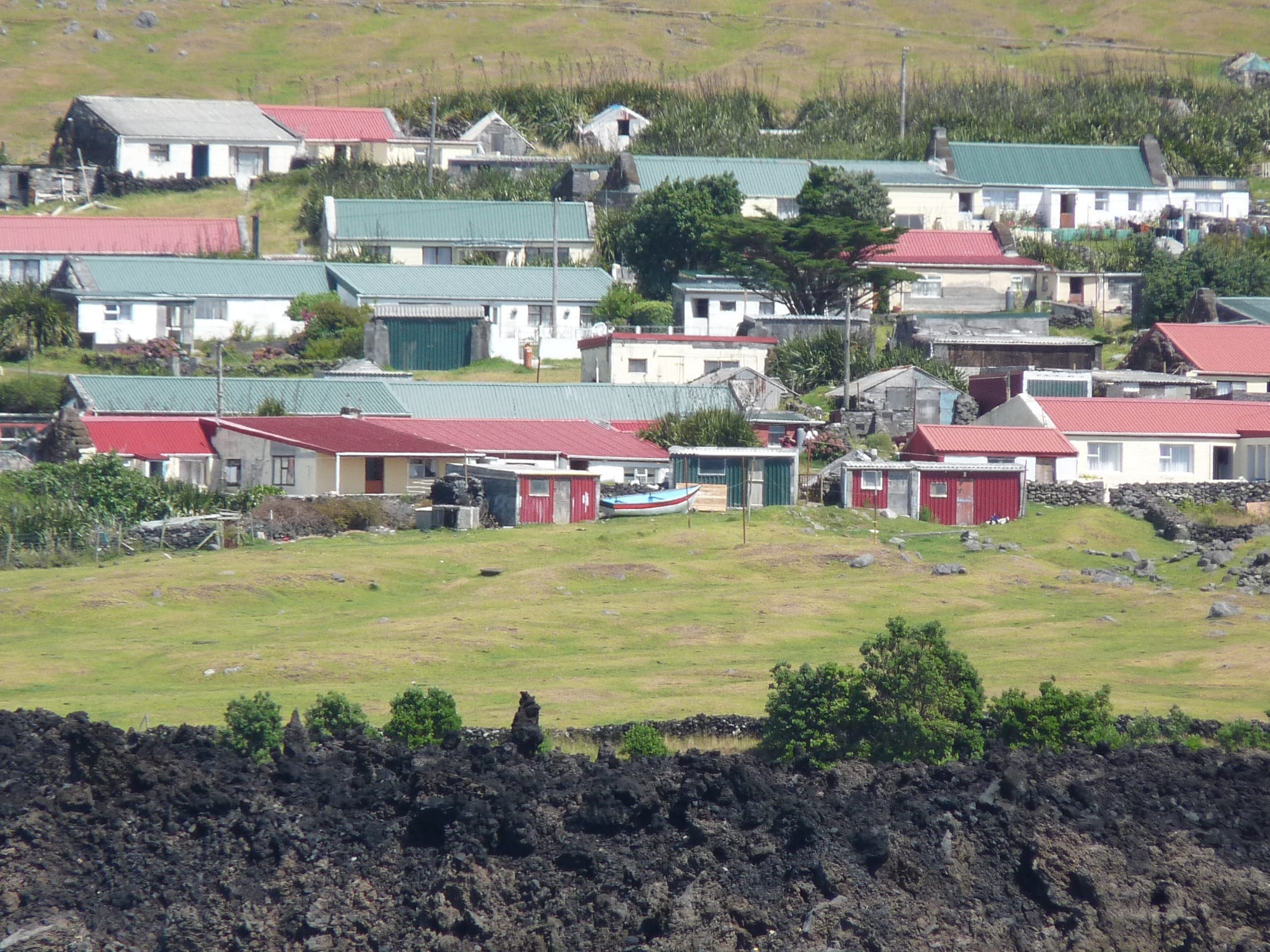
Edinburgh of the Seven Seas, generally just called "the Settlement" by its residents, is the only inhabited place on Tristan da Cunha and one of the most remote permanent settlements in the world. Its roughly 220 residents are largely descended from a small number of original settlers, sharing only seven surnames between them, and the community remains tightly knit, farming and fishing communally, given the island's extreme isolation.
2. The island's volcano
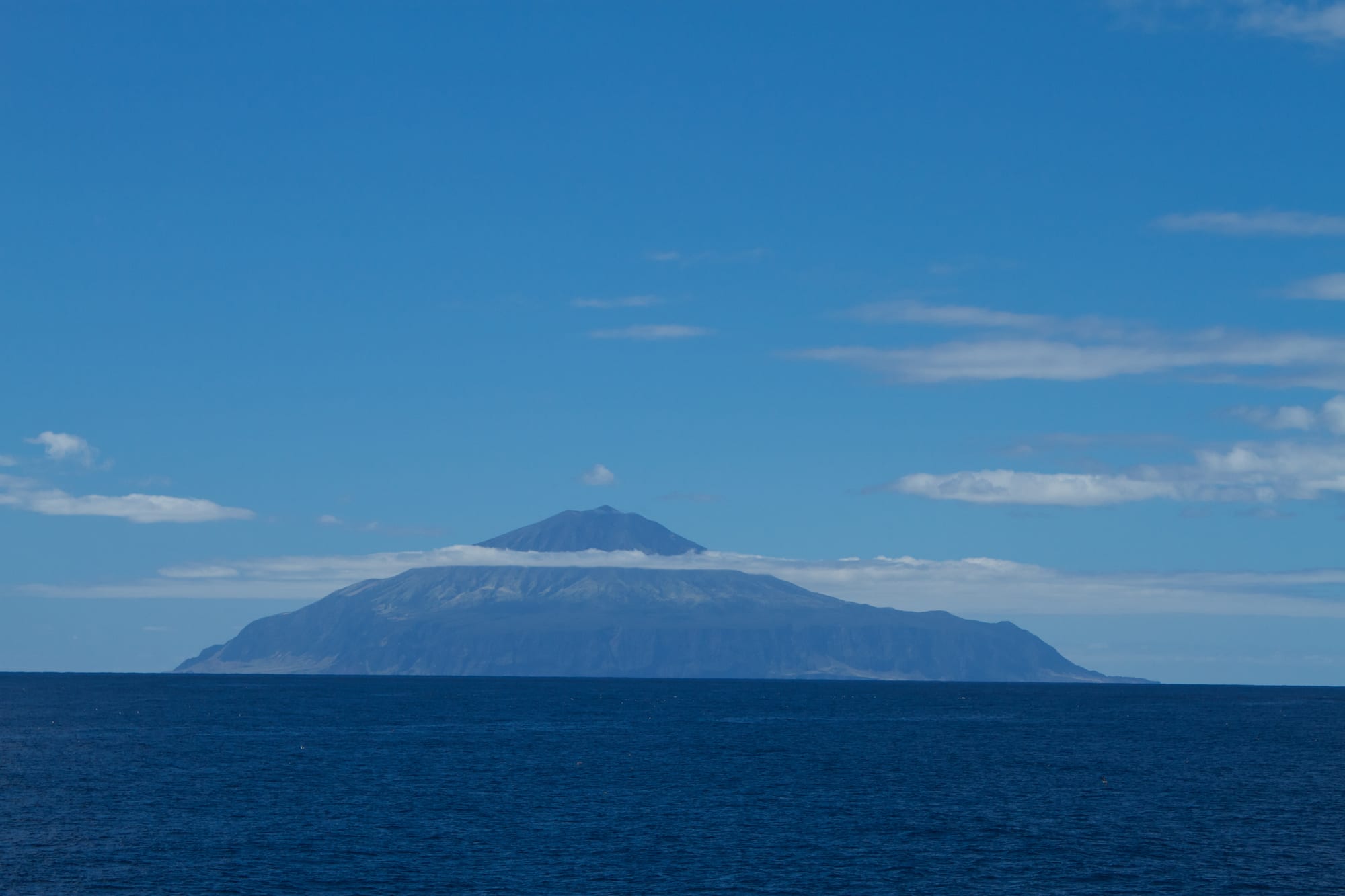
Tristan da Cunha is itself the summit of a still-active volcano rising directly from the deep ocean floor, and a 1961 eruption forced the entire population to evacuate to England for nearly two years before most residents chose to return home. The volcano remains an ever-present feature of daily life, looming directly above the settlement below.
3. The island's rugged terrain
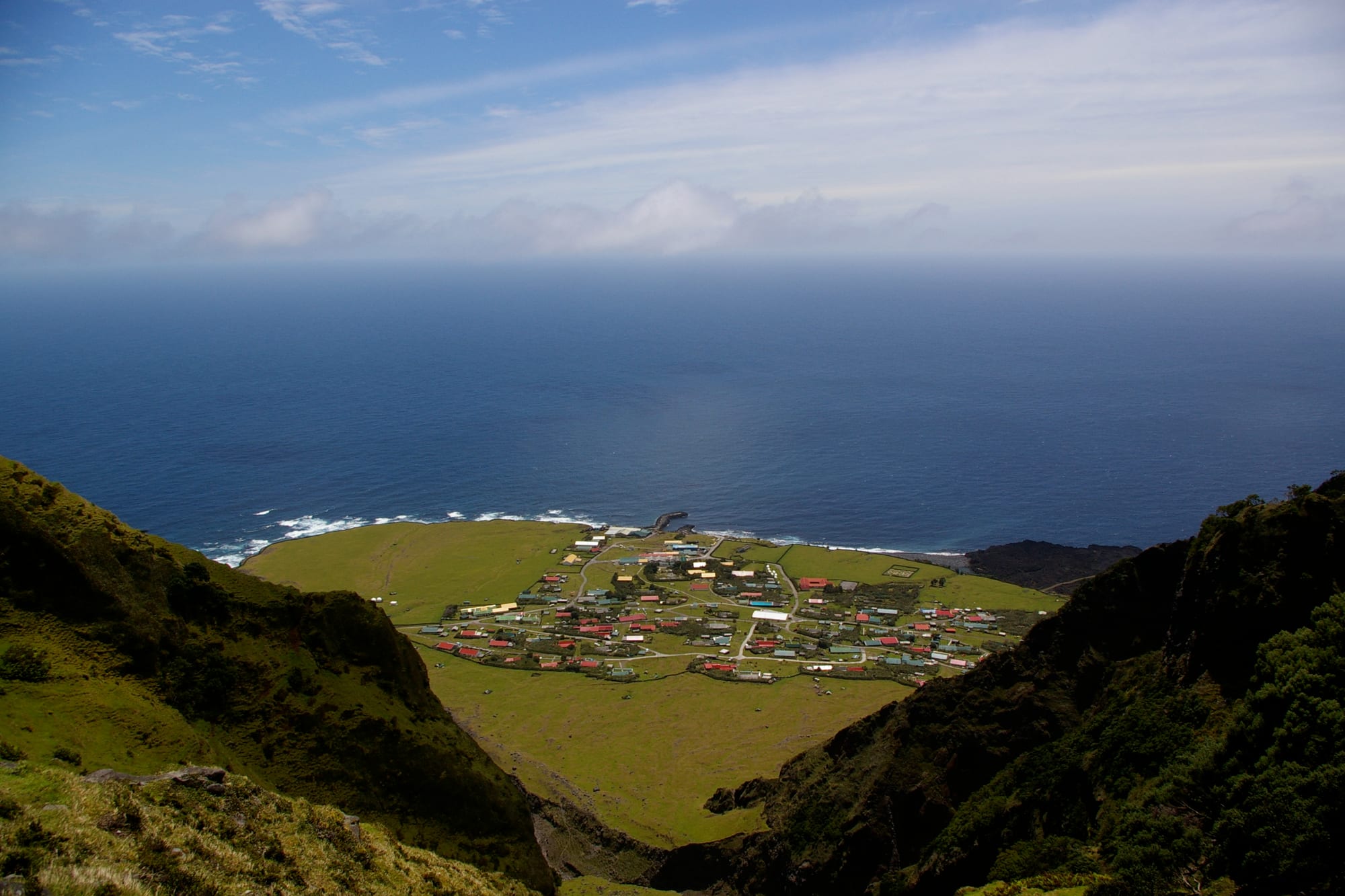
Beyond the settlement, Tristan da Cunha's terrain is largely rugged and undeveloped, with steep volcanic slopes and cliffs that make much of the island difficult to access on foot. A demanding climb to the summit of Queen Mary's Peak, allowed only with a local guide, is possible for capable visitors, reaching a crater lake and offering sweeping views over the surrounding ocean far below.
4. Inaccessible Island
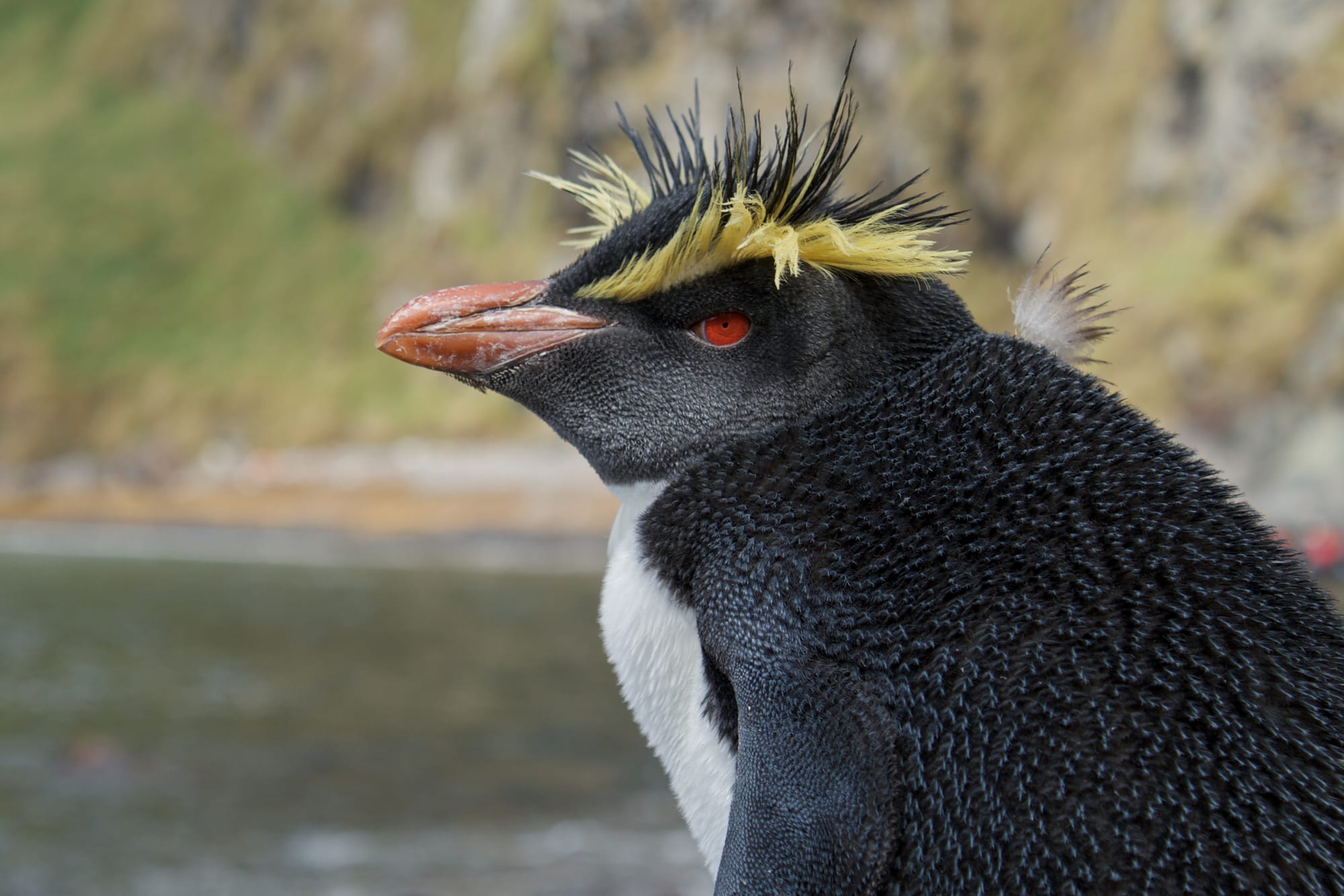
Inaccessible Island, part of the wider Tristan archipelago and true to its name reachable only with great difficulty, holds significant breeding colonies of Northern Rockhopper penguins along with the flightless Inaccessible Island rail, the smallest flightless bird in the world. It forms part of the Gough and Inaccessible Islands UNESCO World Heritage Site, prized for its exceptional and largely undisturbed seabird populations.
5. The wider Tristan archipelago
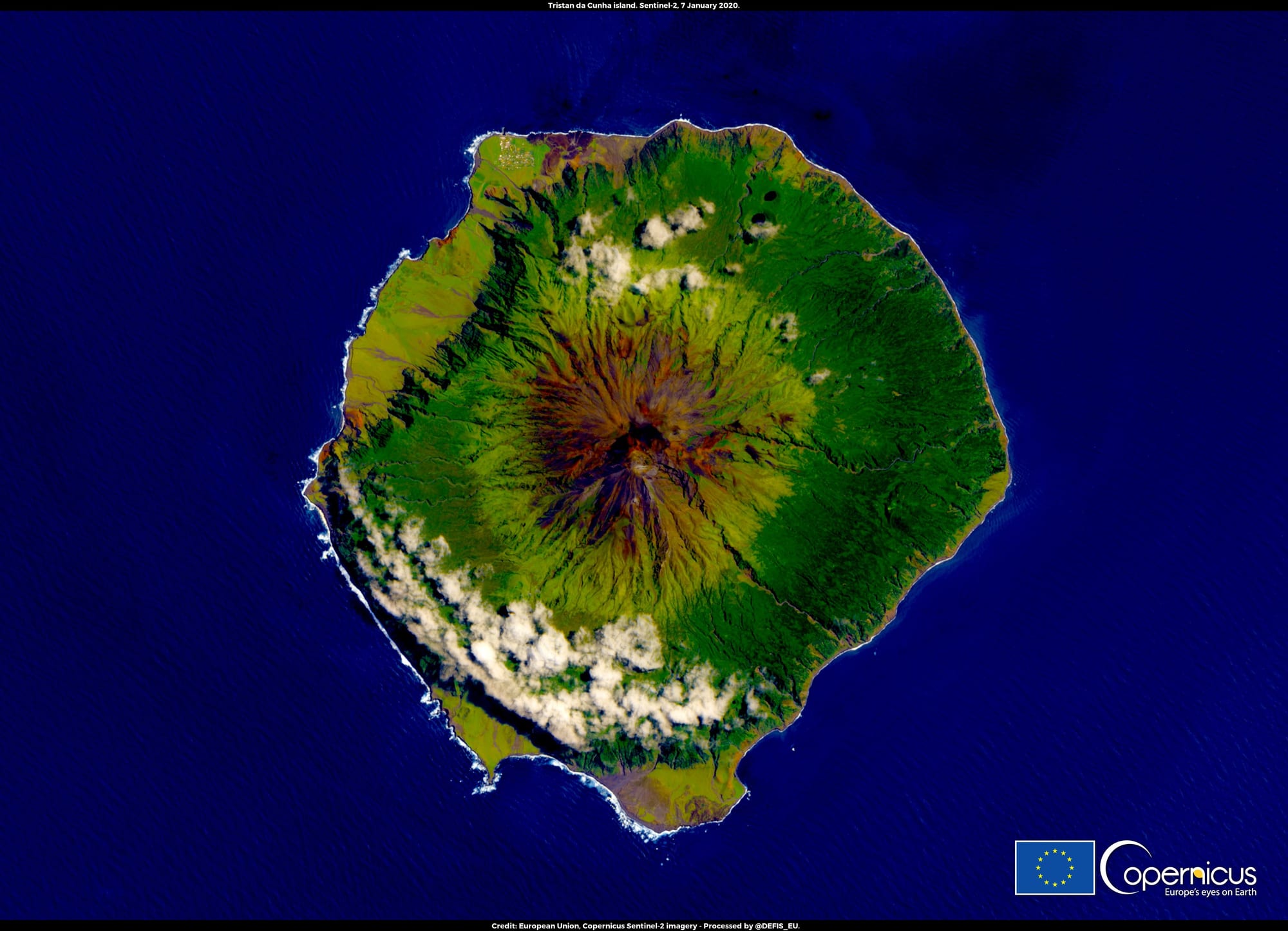
The Tristan archipelago also includes Nightingale Island, reached by boat from the main island when the weather allows, and the far more distant Gough Island, some 250 miles to the south-east, inhabited only by the small staff of a South African weather station; both are major seabird breeding sites. Together they form one of the most important and least-disturbed seabird sanctuaries anywhere in the South Atlantic.
A visit to Tristan da Cunha requires booking passage on one of the infrequent supply or fishing vessel sailings from Cape Town, typically planned many months in advance with permission to land from the Island Council, and staying for an extended period given how rarely return transport is available — a genuine expedition rather than a conventional holiday.