Food · Tristan da Cunha
Tristan da Cunha: Food and the National Dish
Crayfish, home-grown vegetables and imported staples, from the most remote inhabited island in the world
By Globeway Editorial · 30 September 2026
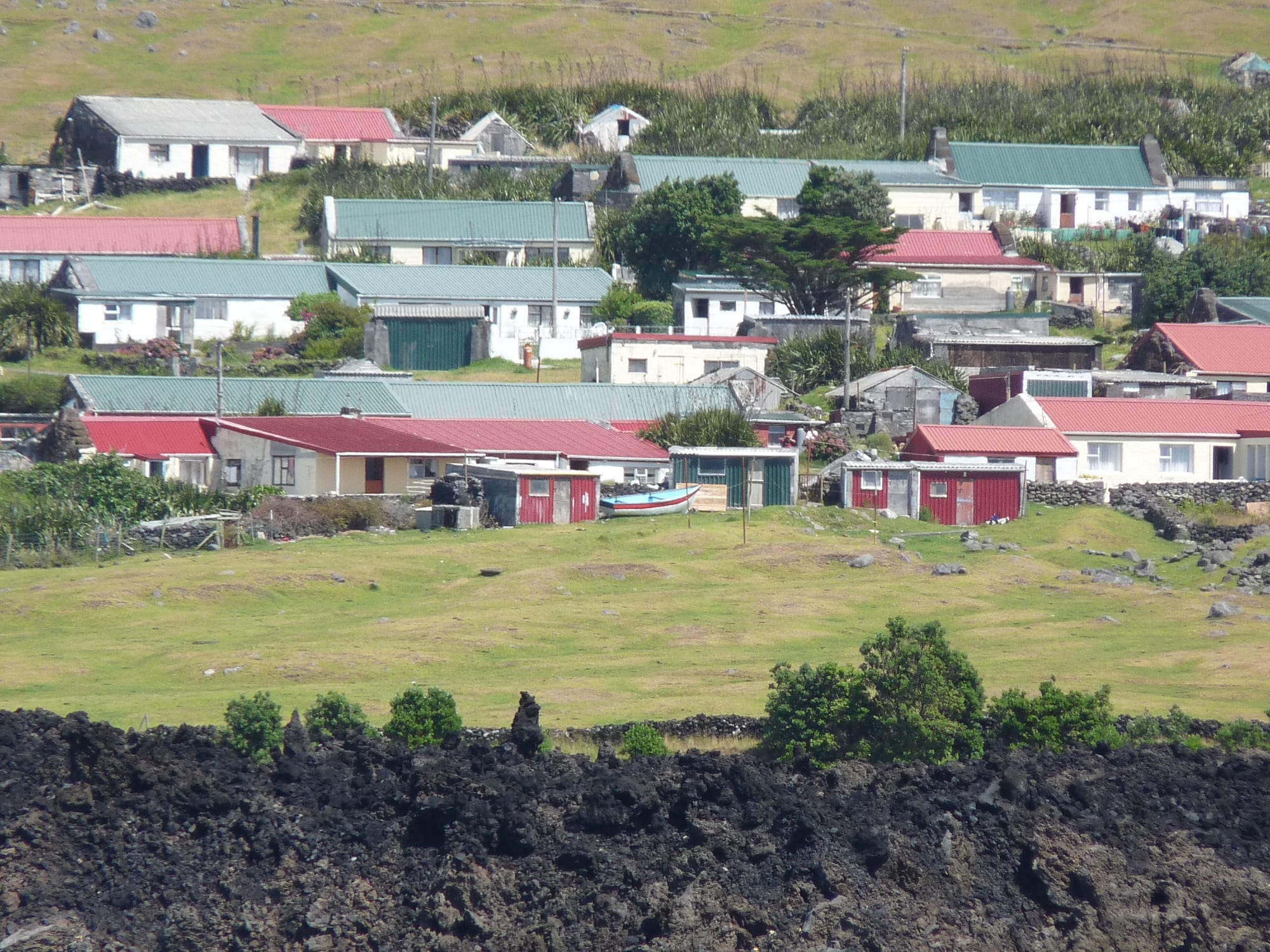
The most remote inhabited island in the world
Tristan da Cunha, home to roughly 220 people and widely described as the most remote permanently inhabited island on Earth, has no confidently documented single national dish. What genuinely defines the island's food is its crayfish fishing economy and a small, close-knit community growing much of its own vegetables.
Crayfish and home-grown vegetables
Crayfish, a type of rock lobster caught in the waters surrounding the island, forms the backbone of Tristan da Cunha's economy and a genuine part of local diets, with much of the catch frozen and exported given its commercial value. Potatoes and other vegetables, grown in the Potato Patches (or "the Patches"), the island's main farming area, provide a real locally grown staple, supplemented by imported goods brought in on the few supply ships that reach the island each year.
Dishes to know
What is genuinely eaten on Tristan da Cunha:
- Crayfish — rock lobster caught locally, central to the island's
economy and eaten by residents alongside its export role.
- Potatoes — grown on small community allotments, a genuine
locally-produced staple.
- Fish — caught in the surrounding waters, eaten alongside the
crayfish.
- Mutton and beef — from the sheep and cattle kept on the island's
common grazing land.
- Imported groceries — tinned and packaged goods sold at the island
shop, restocked by infrequent supply ships.
Eating as a traveller
Tristan da Cunha receives extremely few visitors, reachable only by a boat journey of about six days from Cape Town, with no airstrip. There is a small café and one pub, the Albatross Bar, but visitors mostly stay in catered guest houses or with island families on a full-board basis, so most meals are home-cooked. Any visit here is shaped entirely around the island's fishing and supply-ship rhythm rather than any tourist dining scene.
What to take from the table
Tristan da Cunha's food story isn't a signature dish, it's the practical reality of feeding roughly 220 people on the most isolated inhabited island in the world, with crayfish and home-grown potatoes filling the gaps between supply ships.