Food · Turkmenistan
Turkmenistan: Food and the National Dish
Spiced rice with meat shared across Central Asia, from a country whose Caspian coastline adds fish to the table
By Worldlore Editorial · 30 September 2026
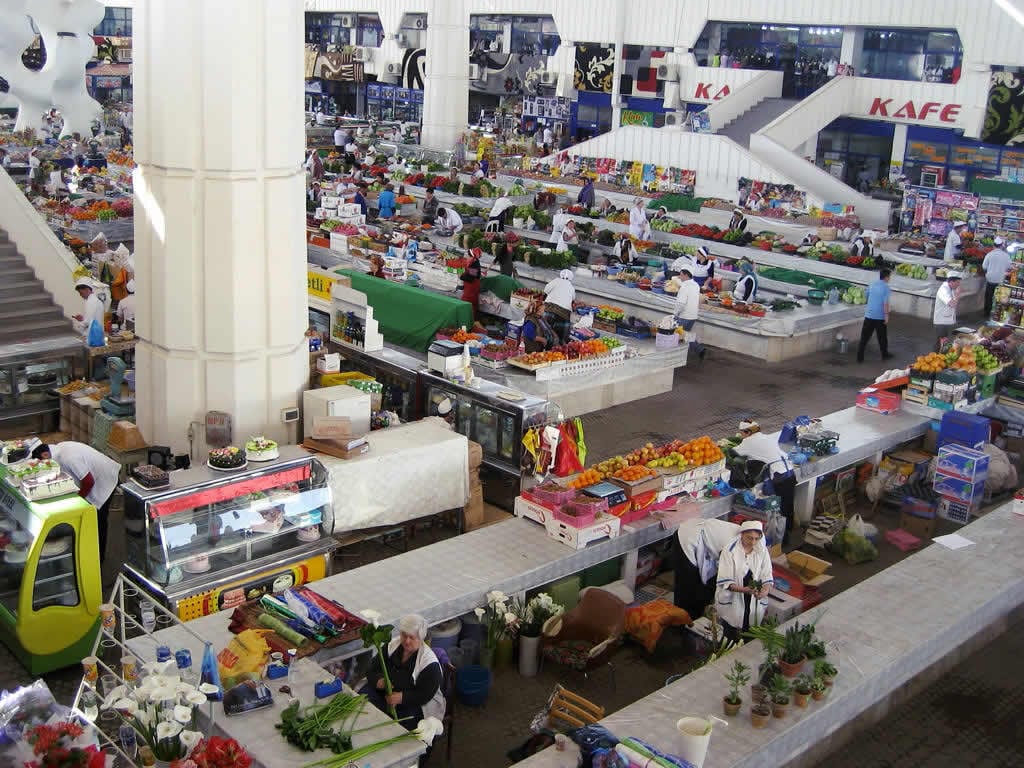
A cuisine shared across Central Asia, with one Caspian exception
Turkmen food shares much with the wider Central Asian table, plov, the region's signature spiced rice and meat dish, is eaten and claimed across nearly every country in the region rather than uniquely by Turkmenistan. What sets the country apart is its Caspian Sea coastline, adding fish to a diet otherwise built on meat, bread and dairy.
The national dish: plov
Plov (palaw in Turkmen), rice cooked with chunks of mutton, carrots, onion and garlic in a large cast-iron cauldron, the rice absorbing the meat's fat and juices, is often regarded as Turkmenistan's national dish. Shared across Uzbekistan, Tajikistan, Kazakhstan and Kyrgyzstan under the same or very similar names, plov in Turkmenistan is served at celebrations and to honoured guests, and recipes may add raisins, fruit, fish or minced meat.
Rice, mutton and a genuinely Caspian-influenced pantry
Rice, mutton and dairy anchor much of everyday Turkmen cooking, alongside melons, a great source of national pride, and bread, baked in a tandoor-style clay oven called a tamdyr. Fish from the Caspian Sea, and from the Amu Darya river, is part of the traditional diet of the Turkmen living near them.
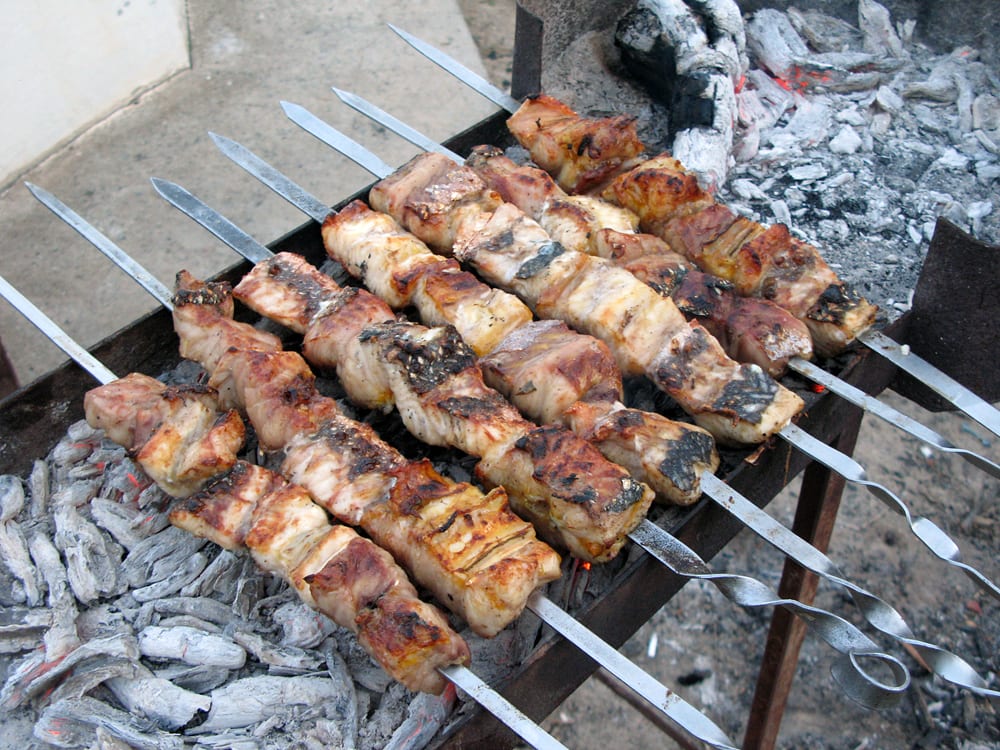
History behind the coastline
Turkmenistan's stretch of Caspian Sea coastline, which it shares with Kazakhstan but not with Uzbekistan, Tajikistan or Kyrgyzstan, has long supported a fishing tradition distinct from the meat-and-dairy diet of the interior; Caspian Turkmen recipes grill or fry fish and serve it with rice, sesame, apricots, raisins or pomegranate juice. Turkmen melons, meanwhile, were once supplied across the Soviet Union, and although few are exported today they remain a point of national pride, celebrated with an annual Melon Day holiday.
Dishes to know
Five more to recognise across Turkmenistan:
- Caspian fish — grilled or fried, a coastal contribution to Turkmen
cooking.
- Manti — steamed dumplings filled with minced meat, onion or pumpkin,
shared across Central Asia.
- Dograma — a soup of diced organ meat and bread with onion and
tomato, made on shurpa, the meat broth behind most Turkmen soups.
- Chorek — thick, round bread baked in the tamdyr clay oven, served
with almost every meal.
- Turkmen melon — celebrated with its own national holiday, a point
of agricultural pride.
Drinks
Green tea, drunk throughout the day and offered to guests, is central to Turkmen daily life. Chal, fermented camel's milk, white, sparkling and sour, is the drink the country is best known for, and gatyk, a thick drinking yoghurt, is often served at breakfast.
Eating as a traveller
Vegetarians will find bread, dairy and melon-based foods manageable, though meat is central to plov and much of everyday cooking. Water should be bottled. Trying fish along the Caspian coast, alongside plov inland, offers a sense of Turkmenistan's two distinct food regions.
What to take from the table
Plov, shared across Central Asia, sits alongside Caspian fish as the two halves of Turkmenistan's real food story: a country straddling the region's shared inland cuisine and its own unique stretch of coastline.