Culture & Customs · Turkmenistan
Turkmenistan: The Carpet, the Dutar and the State
A Muslim country where elders and guests are honoured in the old way, carpets are woven for every stage of life, the bard's two-stringed lute still carries the epics, and a closely managed state sets many of the rules of public life
By Globeway Editorial · 30 September 2026
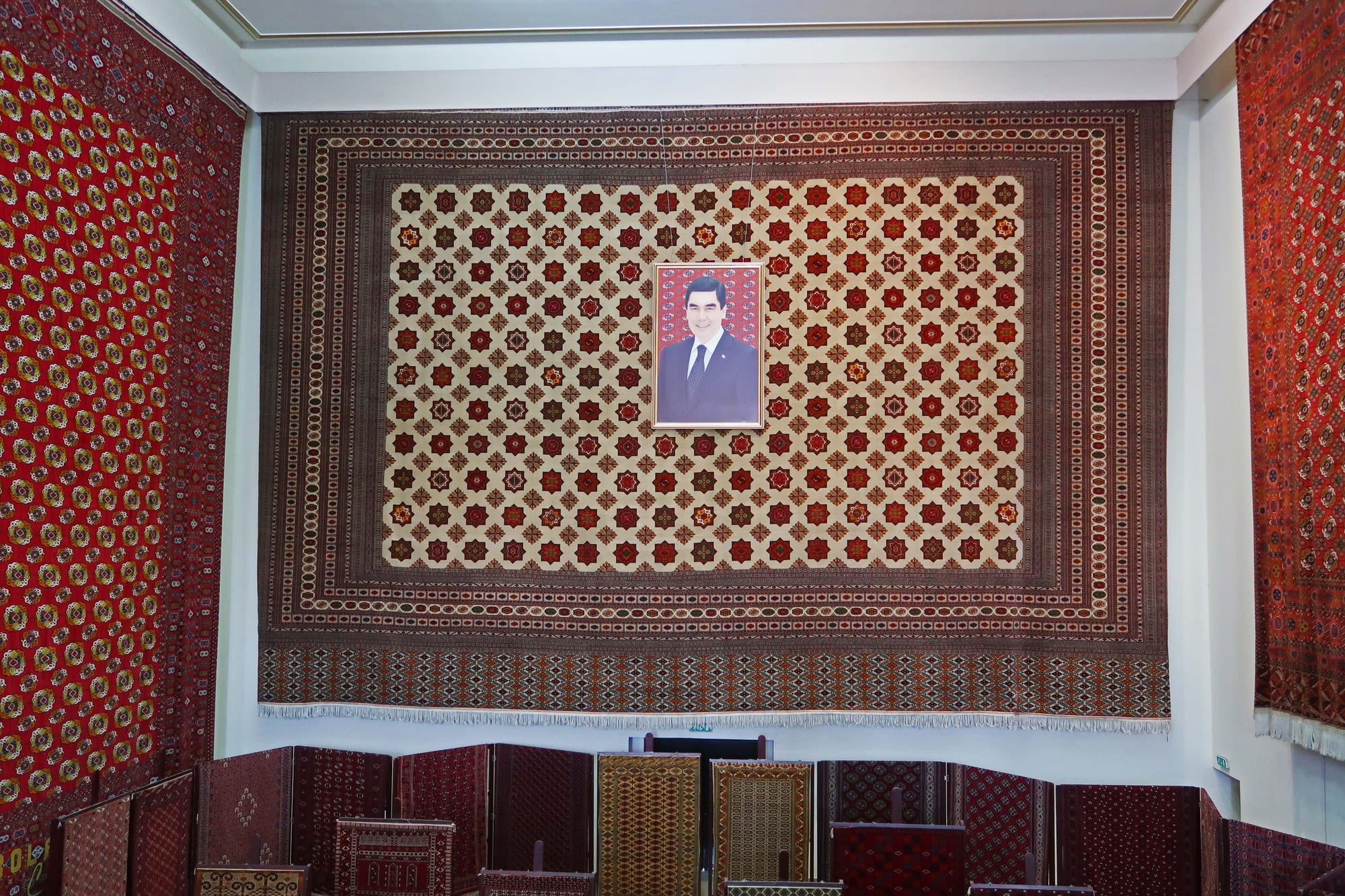
On the last Sunday of May, Turkmenistan holds a national holiday for a floor covering. Carpets are hung in exhibitions, experts gather for conferences, musicians perform, and the finest weavers are honoured with awards. The government describes the Turkmen carpet as embodying "the history, philosophy and worldview of the Turkmen people" and as a symbol of unity. Behind the official ceremony lies something much older: a craft handed down within families, with patterns that belong to particular Turkmen tribes, and special carpets woven to mark a birth, a wedding, prayer and mourning. Much of Turkmen culture works in this way, with long family and tribal traditions carried on beneath, and alongside, a state that takes a close interest in how they are presented.
Faith, identity and values
Turkmenistan is a predominantly Muslim country. According to US government estimates cited by the State Department, around 93 per cent of the population is Muslim, mostly Sunni, and about 6 per cent Eastern Orthodox Christian, with small communities of other faiths. The anthropologist Victoria Clement describes an Islam that is integral to Turkmen identity yet blended with older, pre-Islamic practices, and notes that pilgrimages to shrines, where people go to make personal requests, remain popular.
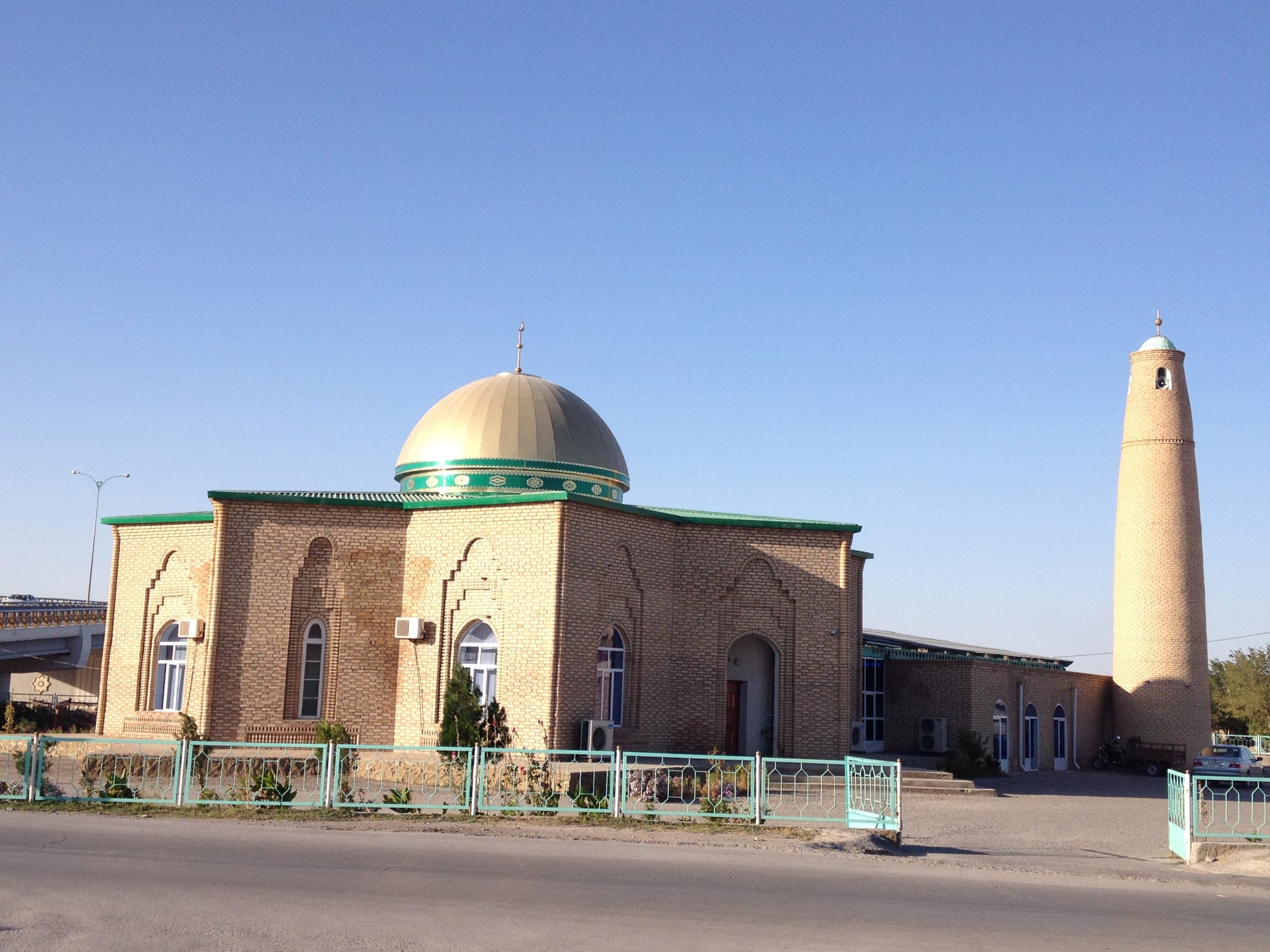
Religious life is closely supervised by the state. The State Department reports that the Grand Mufti and other senior Muslim leaders are appointed by the government, that a state commission must approve the leaders of all religious organisations, and that groups must register, with at least 50 adult members, before they can legally hold services, open places of worship or share their faith. Imports of religious literature require approval. Human Rights Watch, in its most recent world report, describes the authorities as tightly monitoring registered religious groups and forbidding unregistered ones.
The same close management extends across public life. Human Rights Watch reports that there is no media freedom and that the government exerts total control over access to information, with more than 122,000 internet domains blocked; British government travel advice notes that many social media apps are unavailable and that VPNs are illegal. Rules on appearance have also been reported. In 2025 RFE/RL's Turkmen service reported that women in state jobs had been told to wear particular colours of dress and headscarf to work and that make-up, tight dresses and dyed blonde hair had been banned for female state employees; an expert quoted by RFE/RL noted that such rules are not set out in legal documents but passed down as instructions.
Beneath all this lie values that long predate the modern state. Clement describes edep, the code of etiquette and good behaviour, and adat, Turkmen customary law, which covers matters such as inheritance, marriage, family life, hospitality to guests and deference to elders. Tribal and clan affiliation remains significant despite official efforts to promote a single national identity.
Greetings and meeting people
Respect for age shapes every meeting. Clement writes that children grow up surrounded by several generations and learn early to respect their elders; even among brothers and sisters the eldest is given special status. The Worldmark Encyclopedia of Cultures and Daily Life describes elaborate and exact forms of greeting that depend on age and gender, and visitors who treat older people with deference are following the spirit of edep.
Greetings are rarely hurried. A Peace Corps language manual from the 1990s noted that people commonly ask after the health of each other's families and households, and that such long exchanges are especially frequent in the countryside. In formal situations, on a first meeting or after a long absence, the Arabic greeting essalawmaleýkim, "peace be upon you", is answered with waleýkimessalam, "and upon you, peace"; among friends and relatives who meet often, a simple salam will do. Sag bol, which literally wishes the other person health, serves as both thank you and goodbye.
The language itself carries respect. Turkmen has a familiar and a polite word for "you", sen and siz; the Peace Corps materials say siz is used with elders and new acquaintances, and advise foreigners to keep to it. Older people are often addressed with family terms: aga, "older brother", works rather like "sir", and daýza, "aunt", is the polite way to address an older woman.
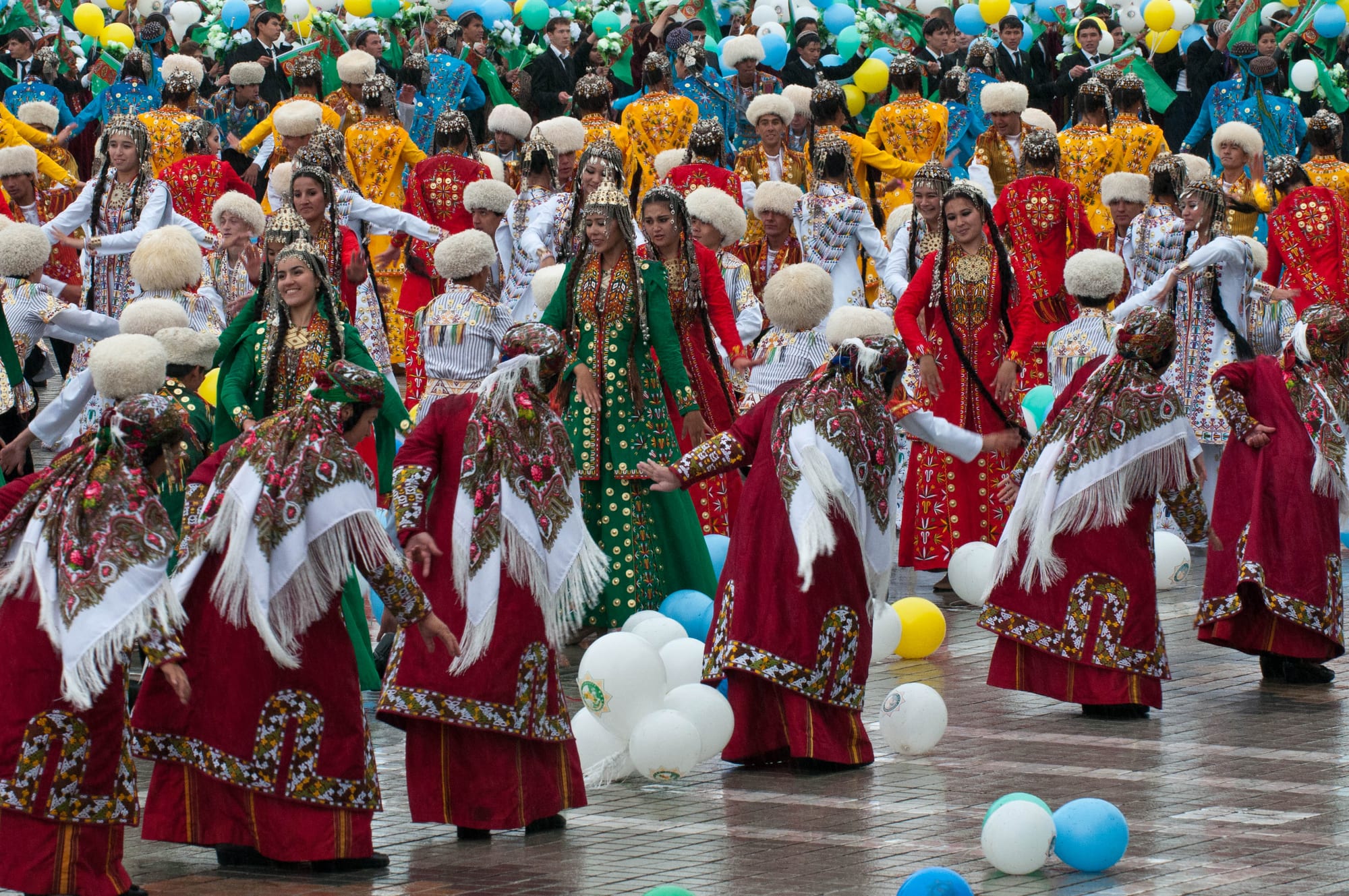
Traditional dress remains a visible marker of identity. The traditional men's hat is the telpek, a tall sheepskin hat, worn with either traditional or Western clothes. Women favour long dresses in bright solid colours, embroidered around the collar with the fine needlework known as keşde, a craft that is now on UNESCO's list of intangible heritage.
Conversation with strangers stays on safe ground. Canadian government travel advice urges visitors to refrain from discussing politics in public and from criticising the country's current or former leaders, and photography of official buildings and other sensitive sites is restricted. Visitors travelling with a guide do best to follow the guide's lead on what may be photographed.
Hospitality and being a guest
Hospitality to guests is one of the duties laid down by custom, and it is taken seriously. Families often eat sitting on the floor around a large cloth spread with dishes. The guest, or otherwise the oldest man present, is given the place of honour, which the manual placed opposite or farthest from the door and which Clement describes as made soft with pillows or quilts. A guest is expected to eat a lot.
Hot green tea, gök çaý, accompanies most meals, served in shallow bowls called käse. Clement notes that a good hostess will not fill a guest's bowl to the brim, as a sign that she is being attentive. At the end of a meal, she writes, Turkmen say a short prayer and pass their cupped hands over their faces. For a guest, the courteous course is to accept the seat of honour and what is offered.
Some everyday rules are set by law rather than custom. British travel advice notes that drinking alcohol in communal spaces such as parks, squares, beaches and stations is illegal and can bring a fine, and that smoking outdoors is banned except in designated areas. During Ramadan, Canadian advice asks visitors to be discreet about eating, drinking and smoking in public during daylight hours.
Festivals and life's big moments
The calendar mixes old festivals with occasions created by the state. Novruz, the spring new-year festival Turkmenistan shares with its neighbours, is on UNESCO's list, as are the customs surrounding the Akhal-Teke horse, which include naming rituals, beauty contests for horses, and racing and riding games. Carpet Day, on the last Sunday of May, honours the weavers, and anniversaries of independence have been marked with large celebrations in national dress, as in 2011.
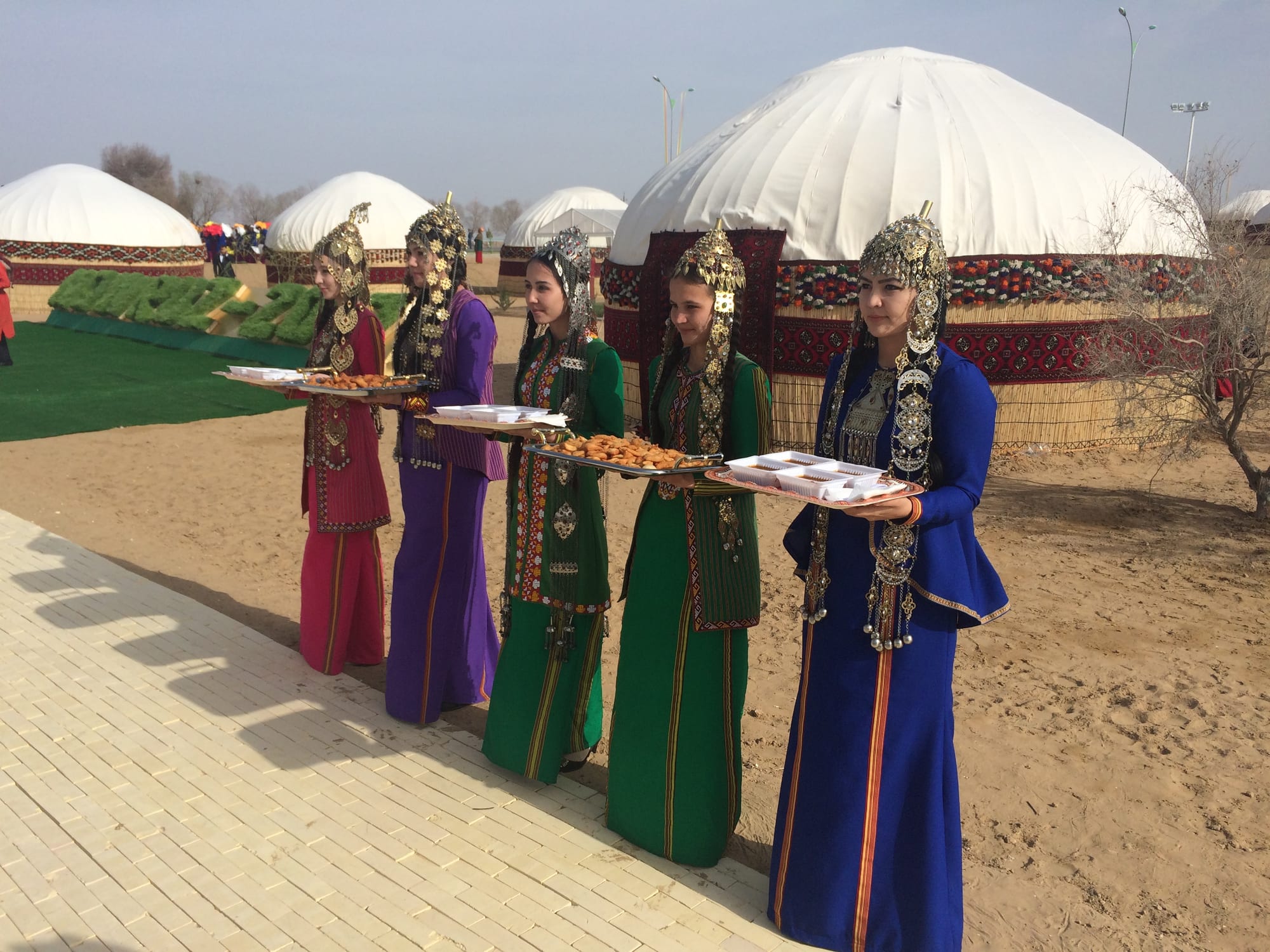
Weddings, the greatest of family occasions, draw on historic Turkic ritual and can be lavish. In the countryside especially, the Peace Corps manual noted, marriages have often been arranged through matchmakers, who look for a couple of the same clan and locale, though most couples know each other beforehand and consent freely. Clement explains the galyñ, the bride price paid by the groom's family, as a long-standing way of redistributing wealth between families rather than a purchase of the bride. Global Voices describes the moment the bride leaves her parents' home as both sad and happy: her relatives come to say goodbye, and she is expected to show her sorrow at leaving. After the wedding a new bride traditionally wears the yaşmak headscarf. UNESCO notes that the Akhal-Teke horse still has a part to play: the groom takes his bride away on a decorated horse, its jewellery and lace made and passed down by women. Kushtdepdi, a rite of improvised song and dance that UNESCO describes as a way of conveying good wishes at ceremonies and celebrations, is also on its list, and special carpets are woven for the wedding itself.
The state has reached into weddings too: in 2024 RFE/RL's Turkmen service reported that civil registrars were telling couples their receptions must be accompanied by Turkmen music, with foreign songs banned, in instructions passed on by word of mouth rather than announced in public.
The first days of life and the last are marked with particular care. Clement records the custom that a newborn should not be seen by outsiders for the first forty days, and UNESCO notes that carpets are woven for the birth of a child as well as for mourning. Burials follow Islamic law, as they did even in the Soviet era, and Turkmen prefer to say that someone has passed on rather than died. Clement notes that women do not attend the funeral itself but take part in the memorial meals that follow, which her 2020 study of religion and the state places on the third, seventh and fortieth days after a death and on the first anniversary.
Arts, crafts and music
The carpet is the country's great art. UNESCO, which added Turkmen carpet making to its list in 2019, describes hand-woven woollen carpets of dense texture, made on horizontal or vertical looms, with coloured patterns in clear geometric arrangements that belong to one of the five main Turkmen tribes. Weavers draw on the plants, animals and landscape around them, and the skills are handed down within the family. Carpets cover floors and walls, and they are considered a sign of cultural identity and unity.
Music belongs above all to the dutar, a long-necked, two-stringed lute whose pear-shaped body is carved from mulberry wood and whose neck is made from the dried trunk of an apricot tree. UNESCO distinguishes two ways of playing it: dutarchy, instrumental performance, and bagshy, music accompanied by singing, including epic narration in which song and improvised verse alternate with passages of prose. Clement notes that the bagşy, the bards, once memorised thousands of lines of the dastans, the epic tales that carried Turkmen history, and the epic of Gorogly is itself on UNESCO's list. The dutar is heard at festivities, ceremonies and national celebrations alike.
The list of inscribed traditions says much about what Turkmen culture values. Alongside carpets and the dutar, it includes needlework, silk production for weaving, the telling of anecdotes about the wise fool Nasreddin Hodja, and, most recently, the breeding of the alabay, the country's great shepherd dog. Global Voices observes that successive leaders have woven the Akhal-Teke horse into their own public image, but also that the horse remains a true national symbol in its own right.
Dos and don'ts for visitors
- Do follow a guide's instructions on photography; photographing airports, military sites, police stations, government buildings or embassies is illegal.
- Don't discuss politics in public or criticise the country's current or former leaders.
- Do register with the State Migration Service if staying longer than three working days, as Canadian advice explains.
- Don't drink alcohol in parks, squares, beaches or other communal spaces, or smoke outdoors outside designated areas; both are against the law.
- Do eat, drink and smoke discreetly in public during daylight hours in Ramadan.
- Do show deference to older people, take time over greetings and questions about health and family, and use the polite siz rather than sen.
- Do accept the place of honour and the tea offered in a home, and expect to be pressed to eat.
- Don't use a VPN, which is illegal; many social media apps and websites are blocked.
What to take away
Turkmen customs of hospitality, respect for elders and pride in the carpet and the horse run far deeper than any single era, and visitors who honour them while respecting the tight rules of public life will see both sides of a country that is rarely visited and seldom understood.