Food · Tuvalu
Tuvalu: Food and the National Dish
Fish, coconut and pulaka from nine tiny islands, one of the smallest and least-known food cultures on Earth
By Worldlore Editorial · 30 September 2026
Nine atolls with a narrow, resourceful diet
Tuvalu, one of the world's smallest and lowest-lying nations, made up of six coral atolls and three reef islands with a population of about 10,600 at the 2022 census, has no confidently documented single national dish. What is known reflects the narrow, resourceful diet available on islands with very little soil, which leaves the country relying heavily on fishing and imported food.
Fish, coconut and pulaka: the everyday diet
Fish, caught from the surrounding lagoons and open ocean, and coconut, in drinking and grated form, are the everyday staples across Tuvalu's islands. Pulaka, a giant swamp taro grown in pits dug below the level of the fresh groundwater and fertilised with leaves, is a culturally significant crop, tended by families over generations; a similar method is used for swamp taro in Kiribati. Imported rice, flour and tinned food are now everyday foods too, especially on Funafuti.
Dishes to know
What is eaten across Tuvalu:
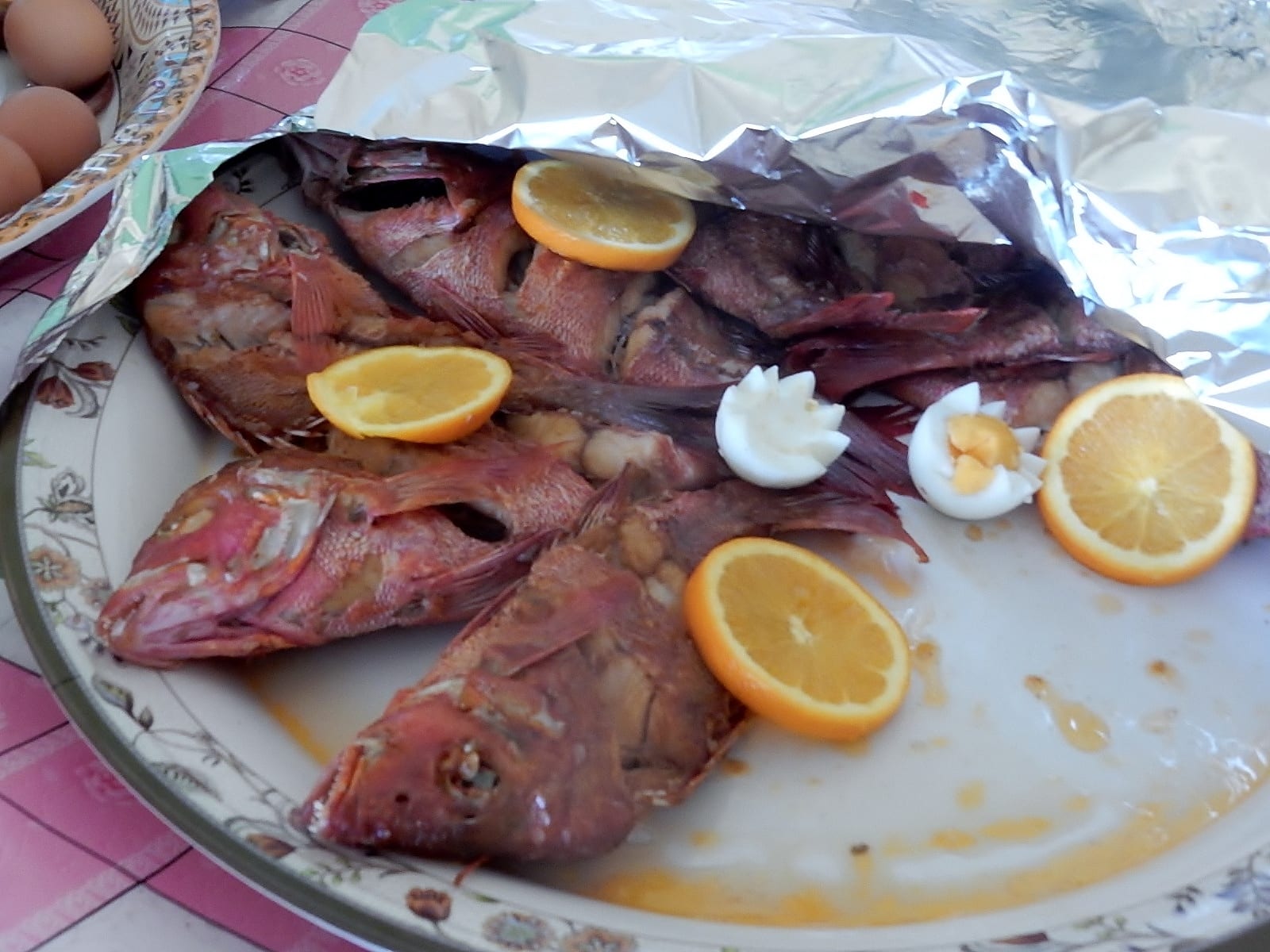
- Fresh fish — caught locally, the atolls' most consistent everyday
protein.
- Coconut — used in milk, flesh and drinking form across most meals.
- Pulaka — giant swamp taro, grown in specially dug pits, an atoll
staple crop with real cultural weight.
- Breadfruit — a starchy supplementary crop, eaten alongside bananas.
- Tuna — very popular, often eaten raw, and as tuna curry served over
rice.
Eating as a traveller
Tuvalu receives very few visitors, and Funafuti, home to the only airport, is the only island with hotels; there is little in the way of restaurants, so visitors mostly eat at their guesthouse or hotel. Rainwater harvesting is the main source of fresh water, supplemented by desalination on Funafuti, so bottled or boiled water is the sensible default. Any visit here is shaped entirely around the atolls' own small-scale fishing and growing rhythm rather than any tourist dining scene.
What to take from the table
Tuvalu's food story isn't a signature dish, it's the resourceful reality of feeding a small population from fish, coconut and pulaka grown in dug pits on nine of the smallest, most exposed coral islands on Earth.