Attractions & Natural Wonders · United Arab Emirates
United Arab Emirates: Six Attractions and Natural Wonders
The tallest building humans have ever constructed, a mosque with room for tens of thousands of worshippers beneath the world's largest hand-knotted carpet, and an artificial island built to look like a palm tree from the air
By Worldlore Editorial · 30 September 2026
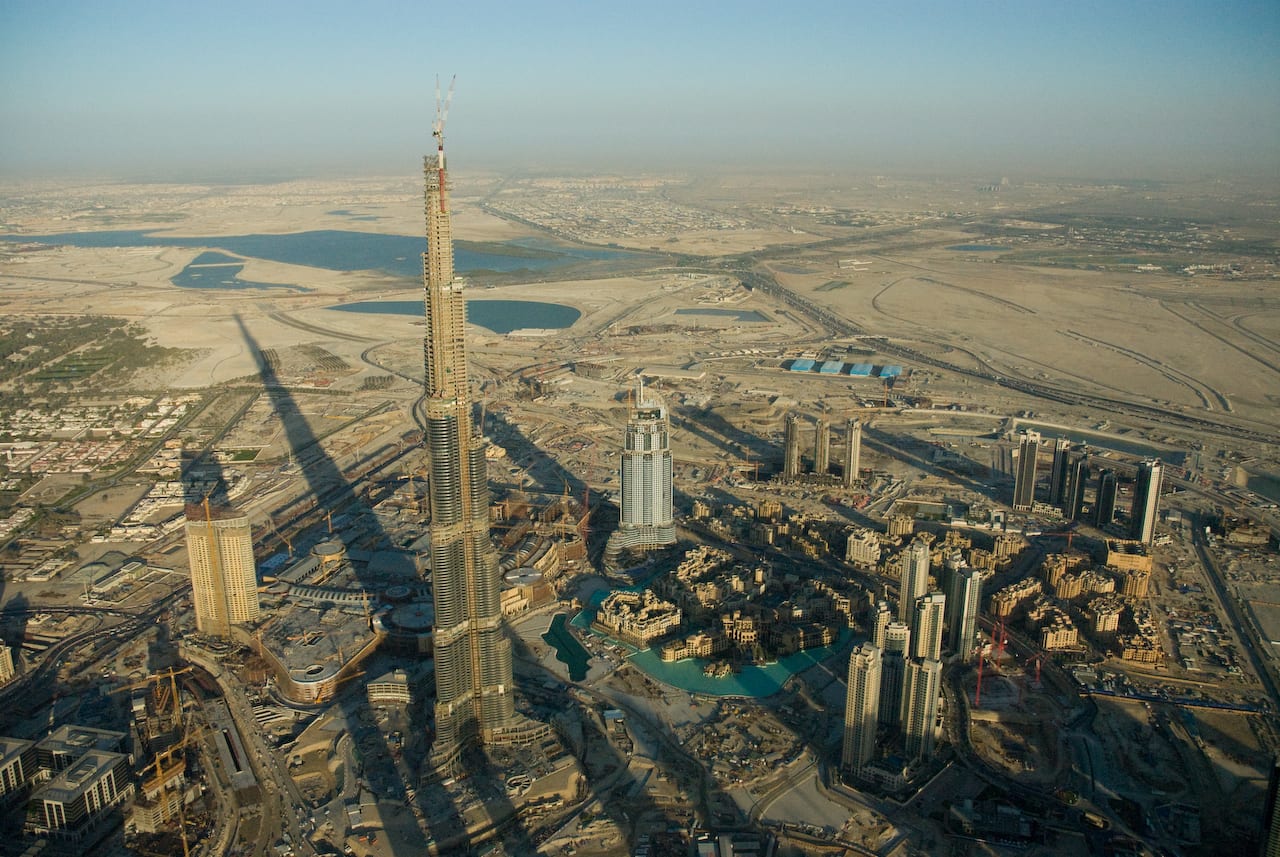
A desert federation transformed by oil wealth and ambition
The United Arab Emirates, a federation of seven emirates on the Arabian Peninsula, has used decades of oil wealth to transform from a modest pearling and fishing economy into a global hub for finance, aviation, and increasingly tourism and culture — a transformation most visible in Dubai's record-breaking skyline and Abu Dhabi's major museum projects. Beneath the superlatives, the country's desert interior and centuries-old maritime heritage remain part of daily life away from the headline attractions.
The six below run from Dubai to Abu Dhabi and the surrounding desert. The cooler months (roughly November to March) are far more comfortable for outdoor sightseeing than the intense summer heat.
1. The Burj Khalifa
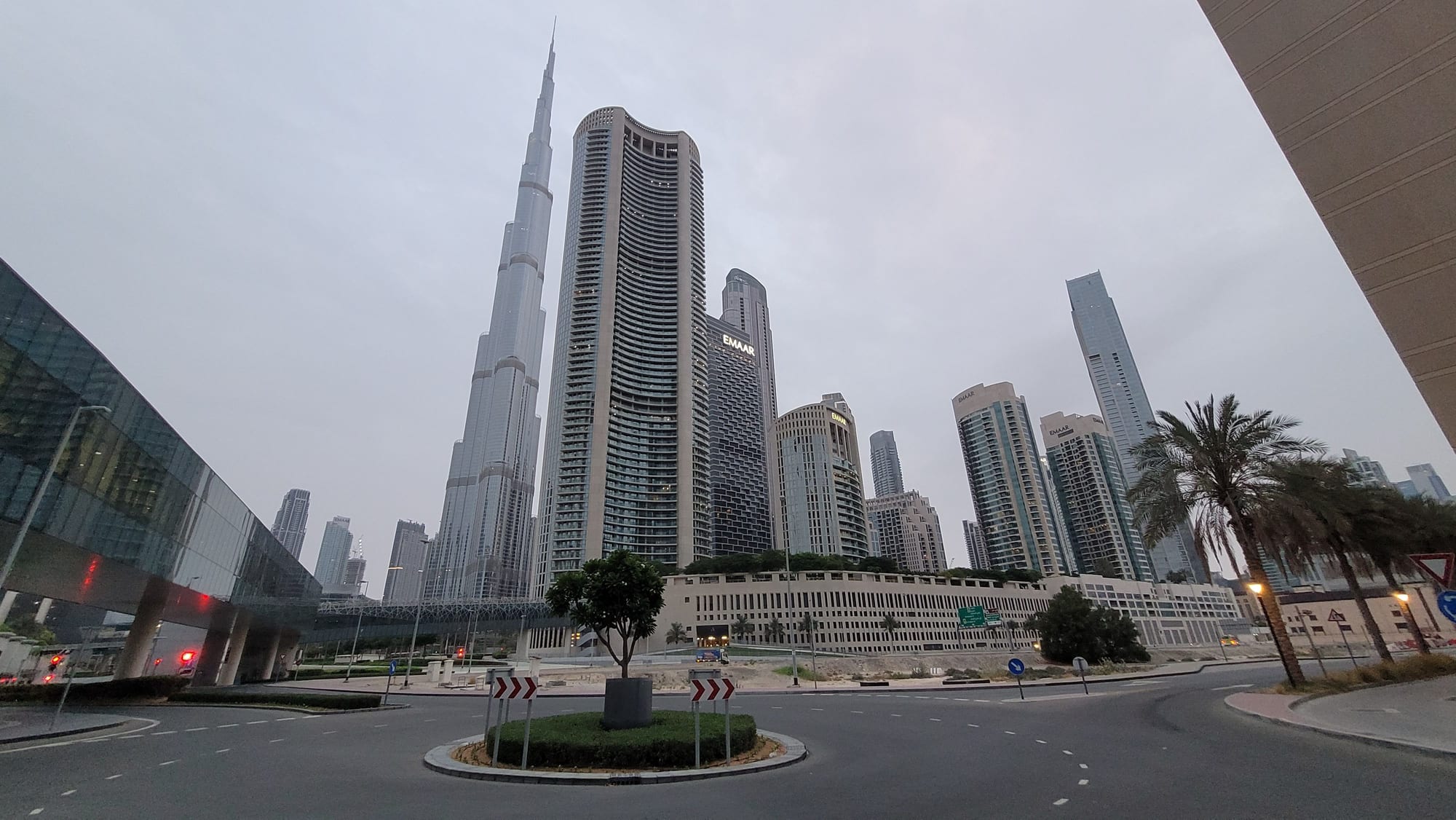
The Burj Khalifa, completed in 2010, remains the tallest building ever constructed at over 828 metres, its observation decks giving views that on clear days stretch far out over the desert and Persian Gulf. Its completion, and the skyline that has grown up around it since, transformed Dubai's global image within little more than a generation.
2. The Sheikh Zayed Grand Mosque
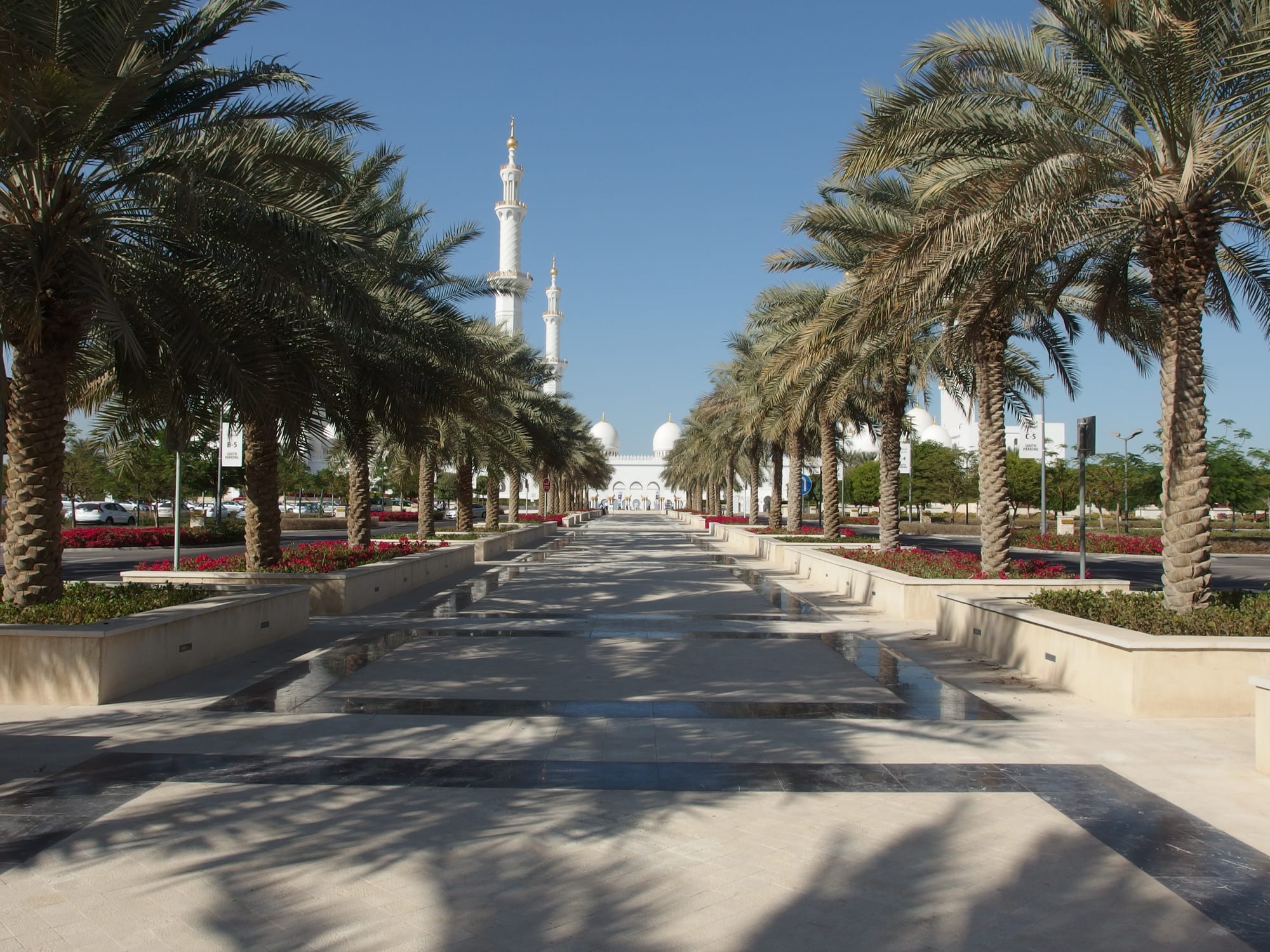
The Sheikh Zayed Grand Mosque, completed in 2007 as the final resting place and legacy project of the UAE's founding president, holds the world's largest hand-knotted carpet within its main prayer hall, along with a vast courtyard of marble mosaic, and uses marble, gold and semi-precious stones throughout. Sheikh Zayed is buried in its courtyard, and the country's largest mosque is also one of its best-known landmarks.
3. A desert dune safari
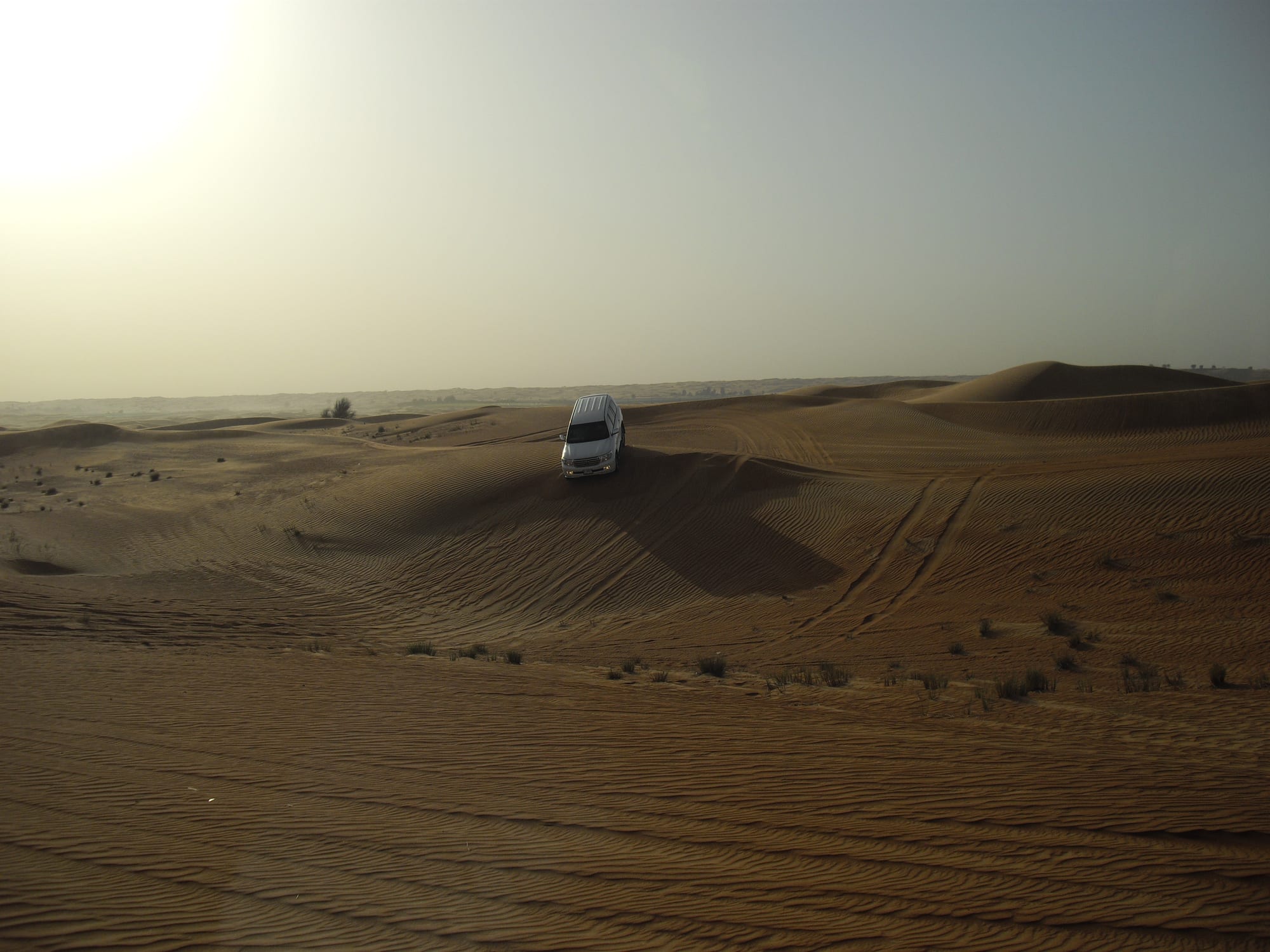
Just beyond Dubai's skyline, the surrounding desert offers dune-bashing 4x4 excursions, camel rides, and traditional Bedouin-style desert camps with dinner and entertainment under the stars — a deliberately packaged but genuinely striking contrast to the ultra-modern city a short drive away.
4. Palm Jumeirah
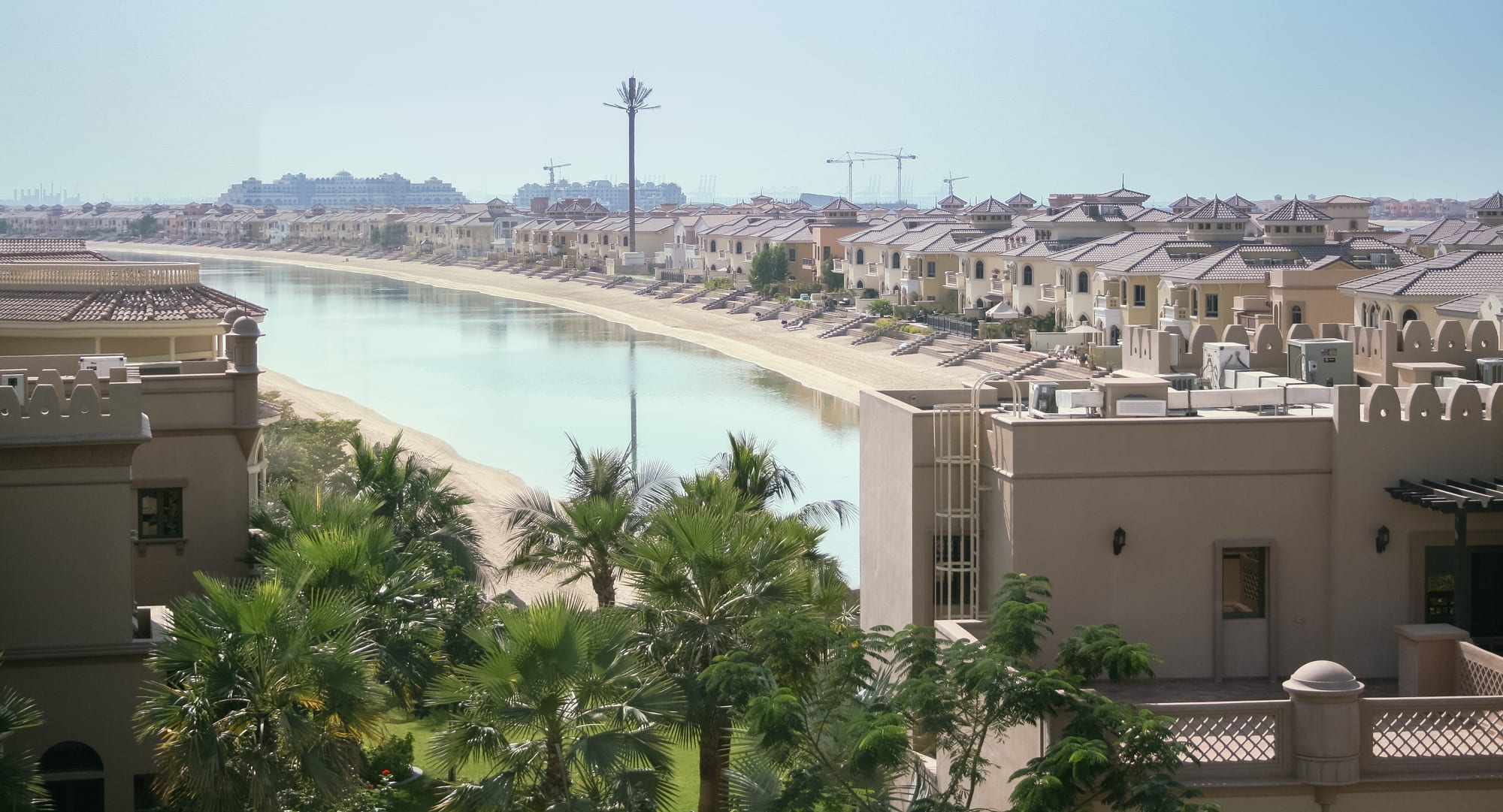
Palm Jumeirah, an artificial archipelago built from sand and rock from 2001 onwards in the shape of a palm tree, now holds apartments on its "trunk", villas on its "fronds" and luxury resorts on its outer crescent, linked to the mainland by the Middle East's first monorail — a landmark of land reclamation, and a symbol of Dubai's broader development philosophy.
5. The Louvre Abu Dhabi
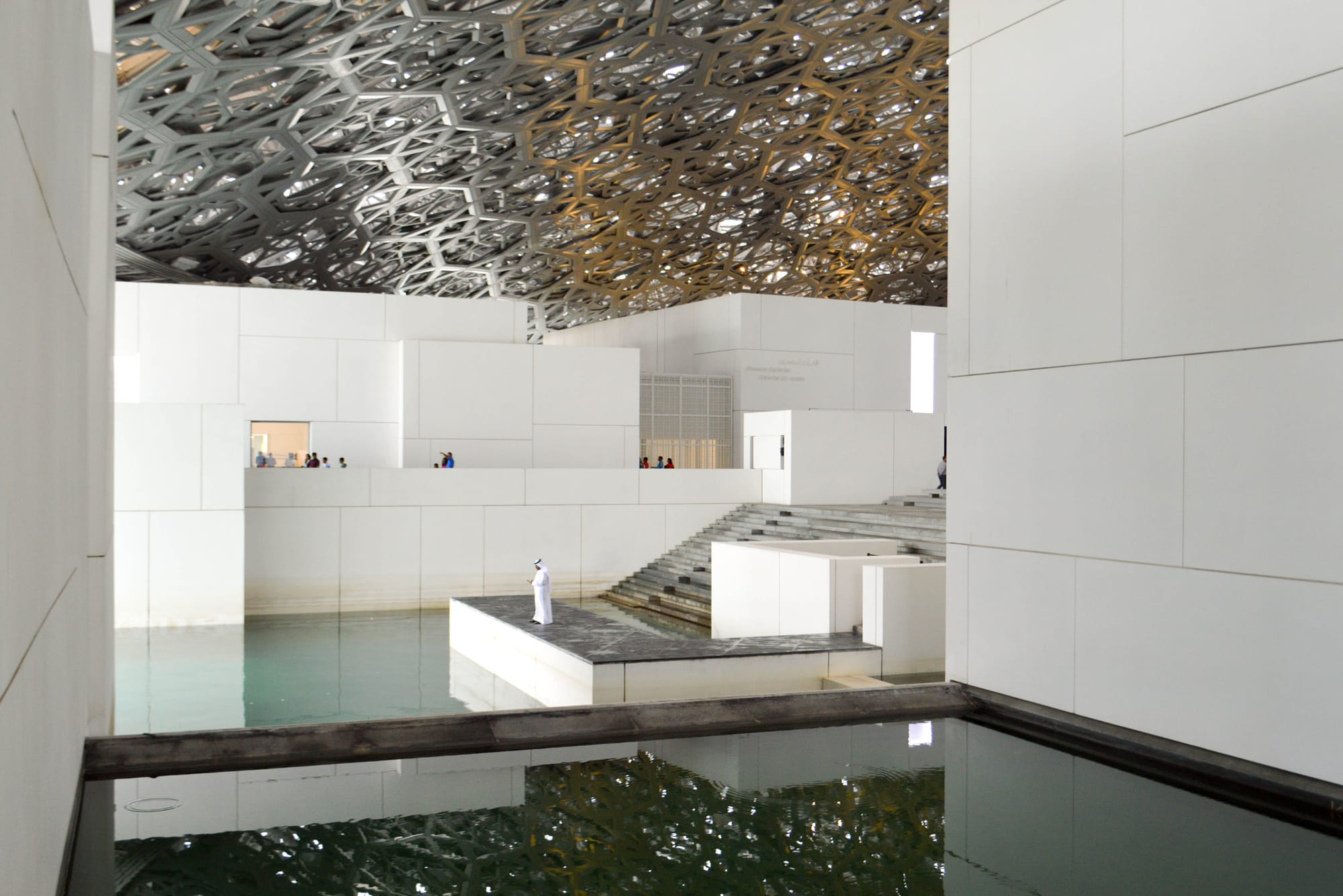
The Louvre Abu Dhabi, opened in 2017 under a 2007 agreement between the UAE and France that lets it use the Louvre's name, is designed around a vast perforated dome that casts a shifting pattern of light onto the galleries below, known as the "rain of light." Designed by Jean Nouvel, it had drawn 2 million visitors by 2019, making it the most visited museum in the Arab world.
6. Dubai's artificial islands
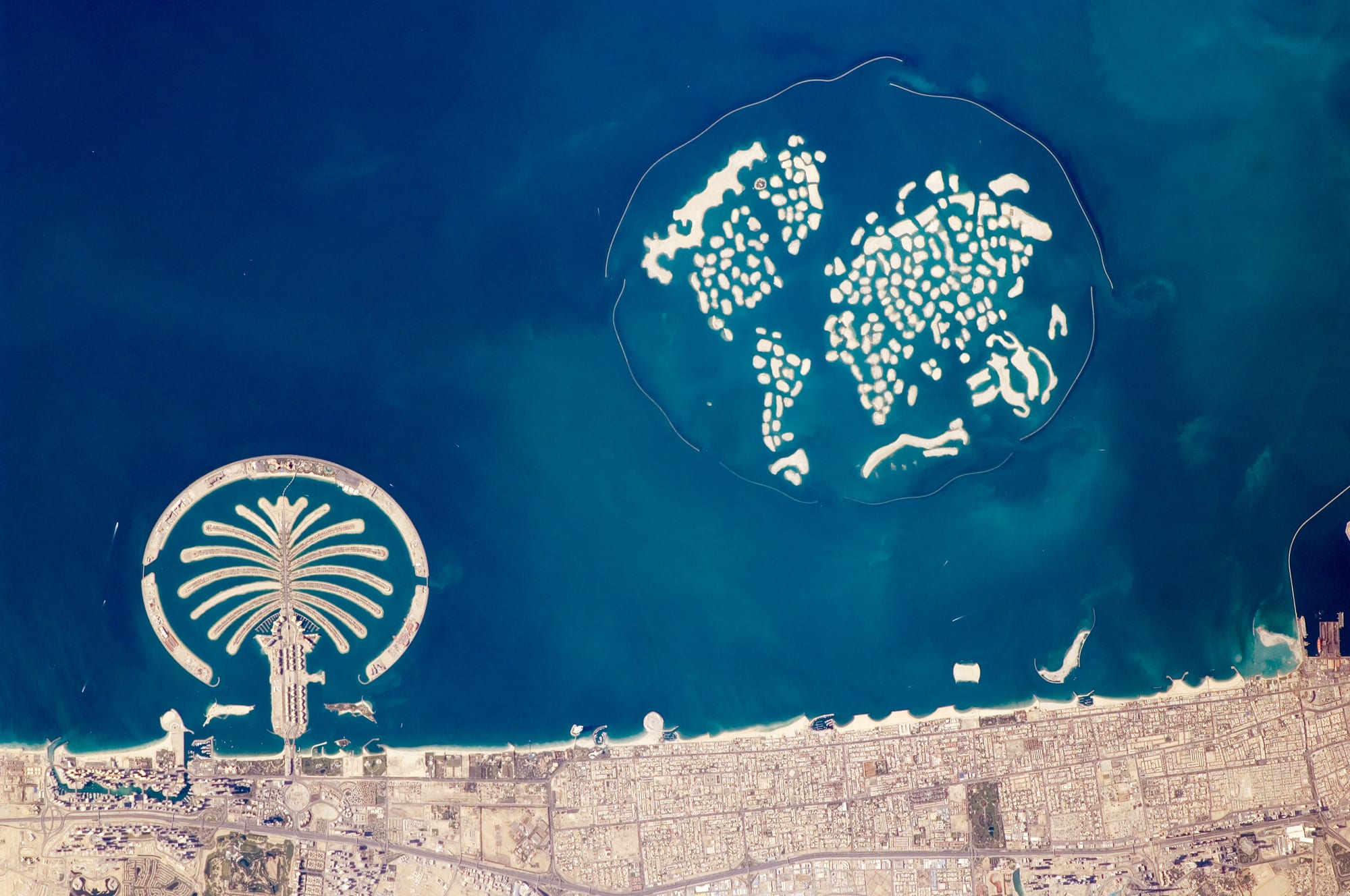
Dubai's broader coastline has been reshaped by multiple large-scale artificial island projects beyond Palm Jumeirah alone, part of a deliberate strategy to expand the emirate's limited natural waterfront and create new premium real estate — visible testimony to the scale of ambition that has defined Dubai's development over the past three decades.
The UAE suits a short trip of four to six days combining Dubai and Abu Dhabi, with the two cities close enough together to combine easily on a single visit. Since February 2026 the war involving Iran has disrupted flights across the region, and the UAE has come under Iranian drone and missile attack, so current government advice should be checked first.