Food · United Arab Emirates
United Arab Emirates: Food and the National Dish
Spiced rice and meat shared across the Gulf, in a country whose modern wealth has built one of the world's most international dining scenes
By Worldlore Editorial · 30 September 2026
A cuisine shared across the Gulf, now layered with the world
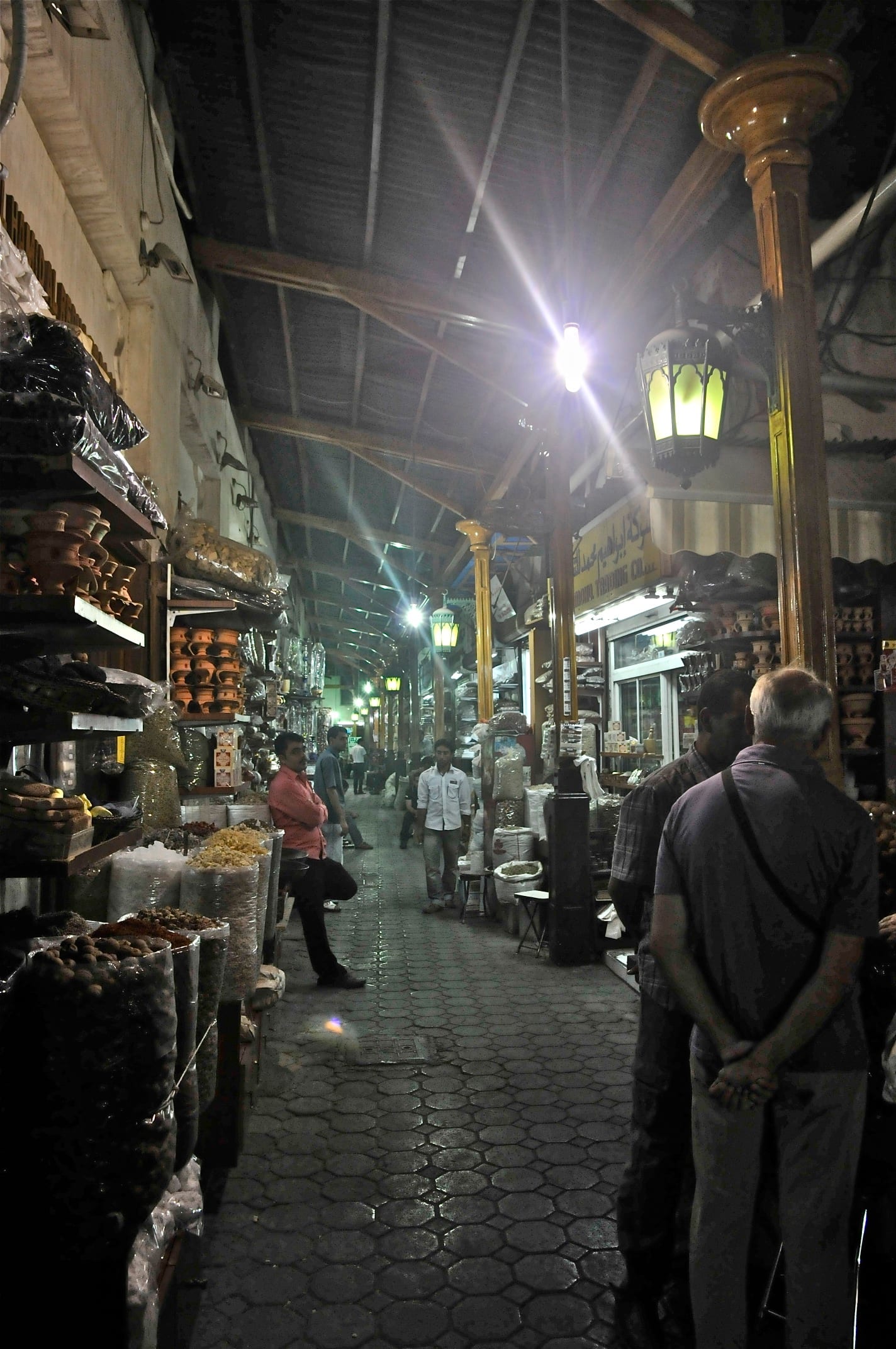
Emirati food shares deep roots with the cooking of neighbouring Gulf states, a product of a shared pearling and trading history across the region. Modern oil wealth has since brought one of the world's most genuinely international dining scenes to cities like Dubai, layered on top of, rather than replacing, the country's own Emirati cooking traditions.
The national dish: machboos
Machboos, spiced rice cooked with meat, usually chicken or lamb, and a blend of warming spices including cardamom, cinnamon and dried lime, is widely regarded as the UAE's national dish, though it is shared across the Gulf and commonly regarded as a national dish in every Gulf Cooperation Council country, also under the name kabsa. Slow-cooked so the rice absorbs the meat's juices and spice, machboos is served at family gatherings and celebrations throughout the Emirates much as it is across the wider Gulf.
Rice, dates and a genuinely desert-shaped pantry
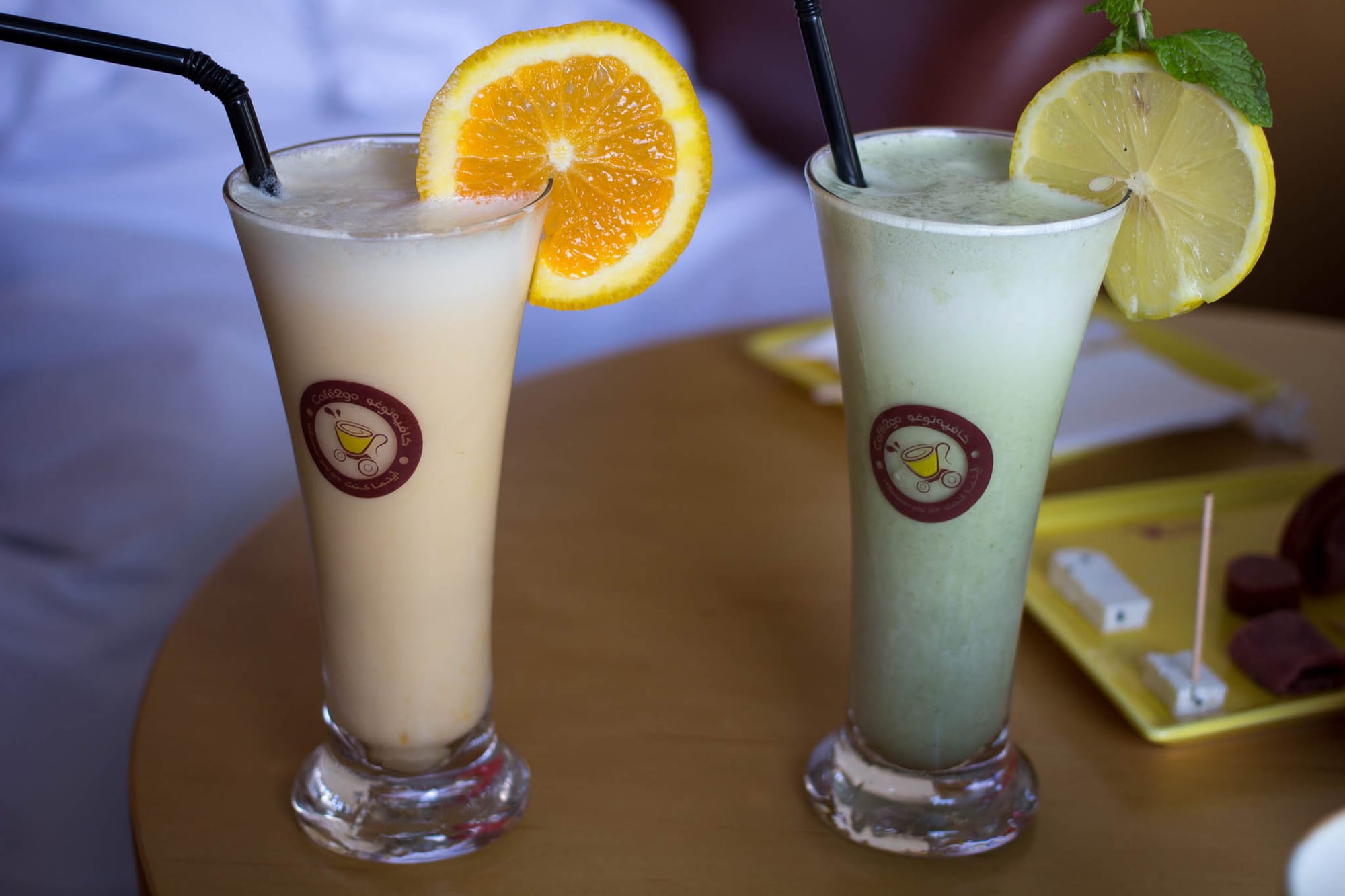
Rice, dates and dried lime anchor much of Emirati cooking, alongside seafood drawn from the Gulf's waters, a legacy of the pearling and fishing economy that sustained the region before oil wealth transformed it. Camel milk, produced commercially in the UAE and used in everything from traditional drinks to modern cafe products, reflects a genuine and still-practised connection to the country's Bedouin herding heritage.
History behind the shared table
The UAE's pre-oil economy centred on pearl diving and fishing, work that shaped both the seafood-heavy diet of coastal communities and the trading connections across the Gulf that brought spices such as cardamom, saffron and turmeric into Emirati kitchens. The discovery of oil transformed the country's wealth dramatically from the mid-20th century onward, drawing workers and residents from across the world to cities like Dubai and Abu Dhabi, while machboos and other traditional dishes remained anchored in home cooking and family gatherings.
Dishes to know
Five more to recognise across the UAE:
- Harees — wheat and meat cooked slowly into a thick, porridge-like
consistency, especially popular during Ramadan.
- Balaleet — sweet vermicelli noodles with saffron, cardamom and
rose water, topped with an egg omelette, eaten for breakfast.
- Thareed — crumbled flatbread moistened with a meat and vegetable
broth or stew, a common Ramadan dish.
- Luqaimat — small, deep-fried dough balls drizzled with date syrup, a
popular dessert especially during Ramadan.
- Khabeesa — a sweet of bread crumbs blended with sugar, cardamom and
saffron.
Drinks
Arabic coffee, gahwa, lightly spiced with cardamom and served with dates, is central to Emirati hospitality and offered to guests as a matter of course. Karak tea, a strong, spiced and sweetened milk tea, is a genuine everyday drink. Since 2020 alcohol has been decriminalised federally, with each emirate regulating its sale: it is served in licensed hotels and venues, while Sharjah remains dry.
Eating as a traveller
Halal food is the default across the UAE, and vegetarians will find rice, vegetable and legume-based dishes manageable given the country's genuinely international restaurant scene. Tap water is treated and generally safe, though bottled water is the common local default. Accepting coffee and dates if offered as a guest is a genuine gesture of Emirati hospitality worth taking part in.
What to take from the table
Machboos, shared across the Gulf rather than uniquely Emirati, says something true about the UAE's food story: a cuisine rooted in regional tradition now sitting alongside one of the most internationally diverse dining scenes anywhere in the world.