Attractions & Natural Wonders · Venezuela
Venezuela: Seven Attractions and Natural Wonders
The tallest uninterrupted waterfall on earth, a flat-topped tabletop mountain said to have helped inspire a Conan Doyle novel, and a Caribbean archipelago of some 350 mostly uninhabited coral islets
By Worldlore Editorial · 30 September 2026
Extraordinary natural wonders amid a prolonged national crisis
Venezuela holds some of the most spectacular natural landmarks in South America — the tallest uninterrupted waterfall on earth, a Caribbean archipelago of nearly untouched coral islets, and ancient tabletop mountains said to have helped inspire Arthur Conan Doyle's The Lost World. This natural wealth sits alongside a prolonged political and economic crisis that has severely disrupted the country's conventional tourism industry and driven millions of Venezuelans to emigrate over the past decade. In January 2026 United States forces struck targets in northern Venezuela and captured President Nicolás Maduro, and on 24 June 2026 two large earthquakes caused widespread destruction in the north of the country.
The seven sights below remain visited, in a limited way, mostly through specialist tour operators experienced with the country's particular logistics — read the note at the end before treating any of this as a straightforward travel plan.
1. Angel Falls
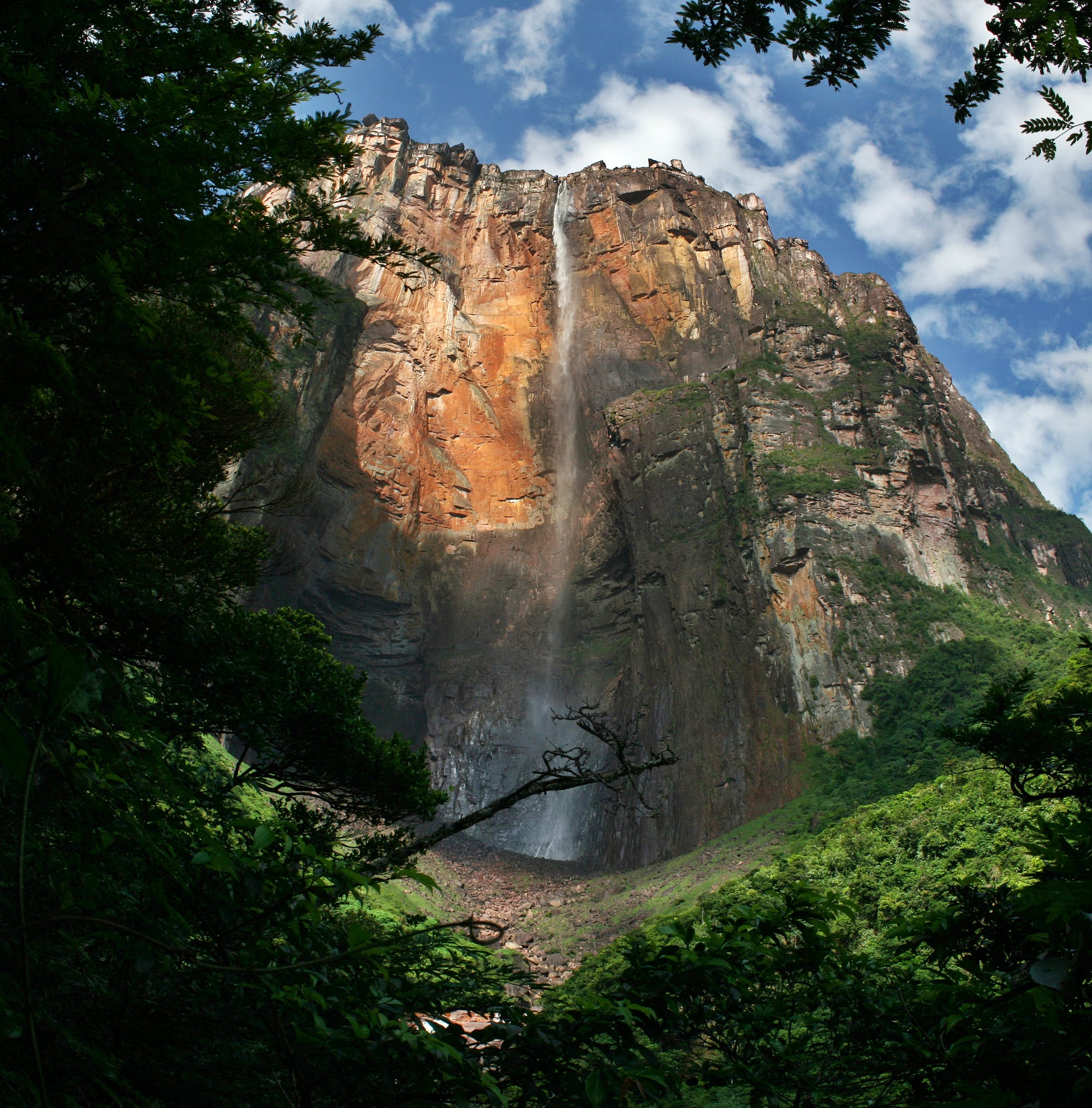
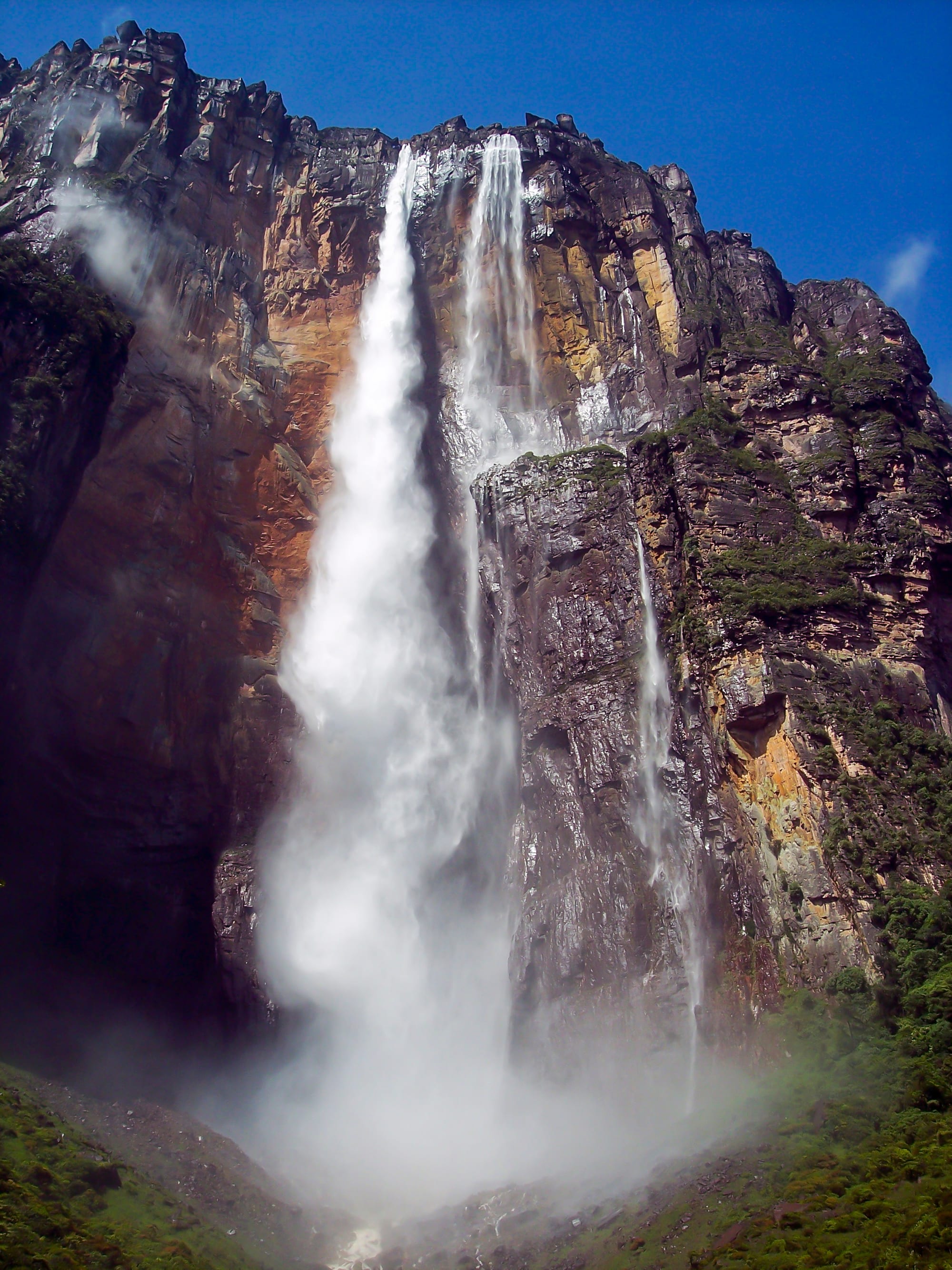
Angel Falls, dropping 979 metres from the edge of the tabletop mountain Auyán-tepui, is the tallest uninterrupted waterfall in the world — so high that much of its water disperses into mist before reaching the base. Named after American aviator Jimmie Angel, who first flew over it in 1933, it remains reachable only by a combination of small aircraft and river canoe through Canaima National Park, a UNESCO World Heritage Site.
2. Los Roques
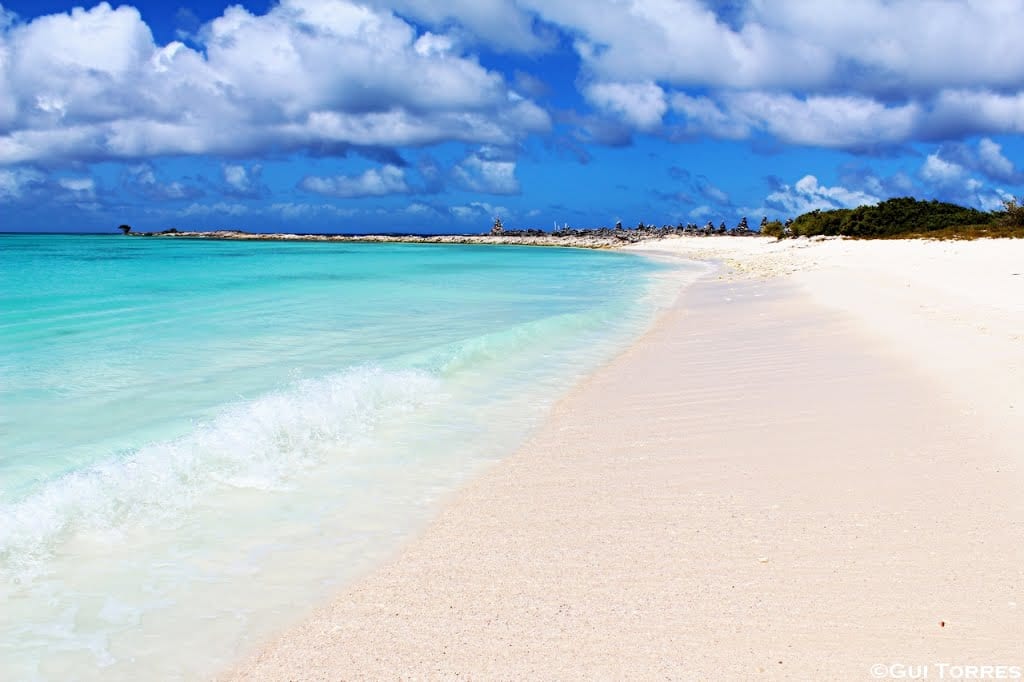
Los Roques, an archipelago of about 350 small coral islands and cays off Venezuela's Caribbean coast, remains one of the least-developed island chains in the region, protected as a national park with limits on development. Its clear water and largely untouched reef have long made it a favourite, if increasingly difficult to reach, destination for sailing and diving.
3. Caracas
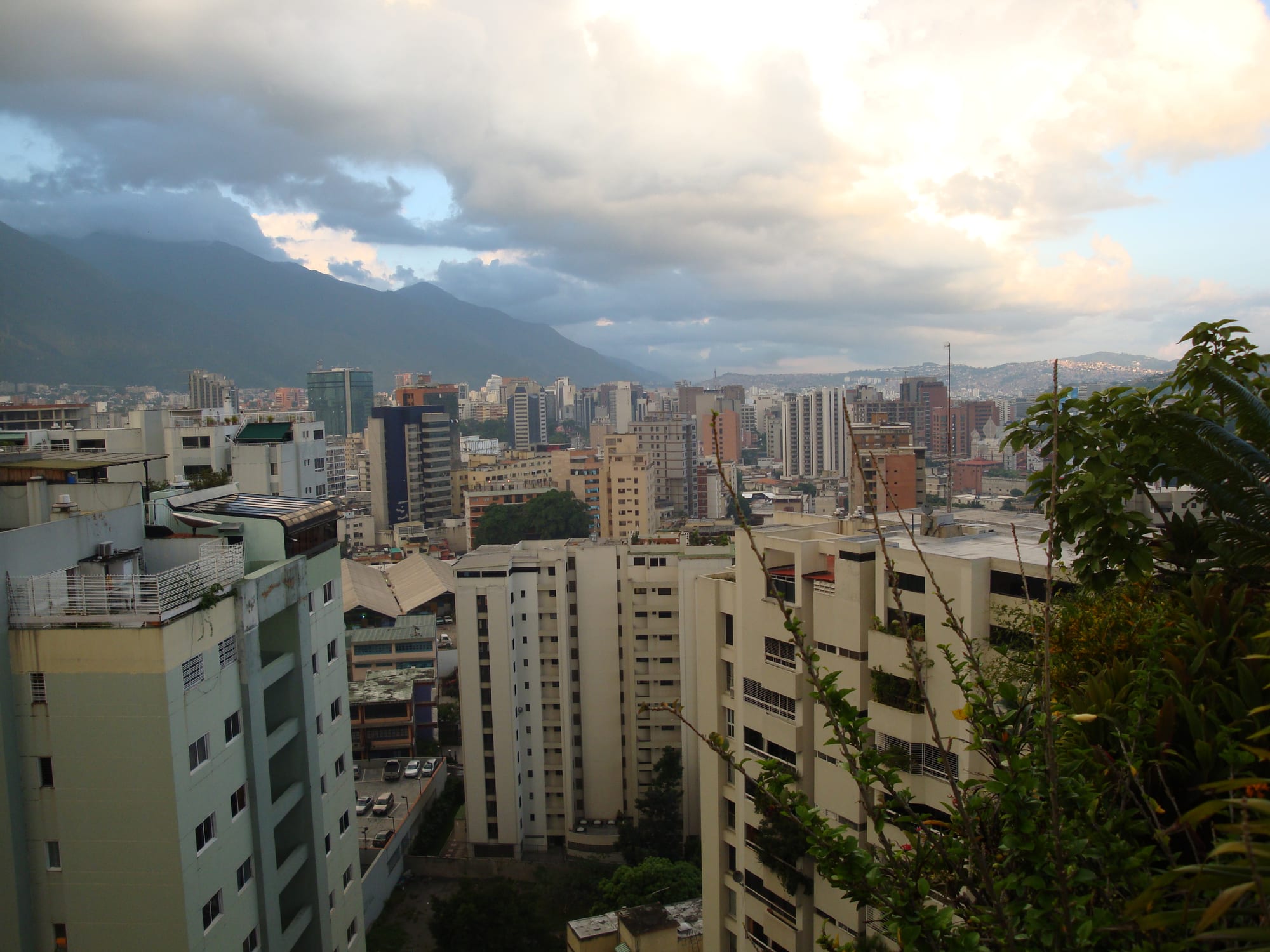
Caracas, Venezuela's capital, sits in a dramatic valley beneath the green slopes of the Ávila mountain range (itself a national park, long served by a cable car from the city), its modern towers reflecting decades of oil wealth now set against the severe economic hardship the country has faced in recent years. The earthquakes of June 2026 badly damaged the city, bringing down a number of high-rise buildings.
4. Mount Roraima
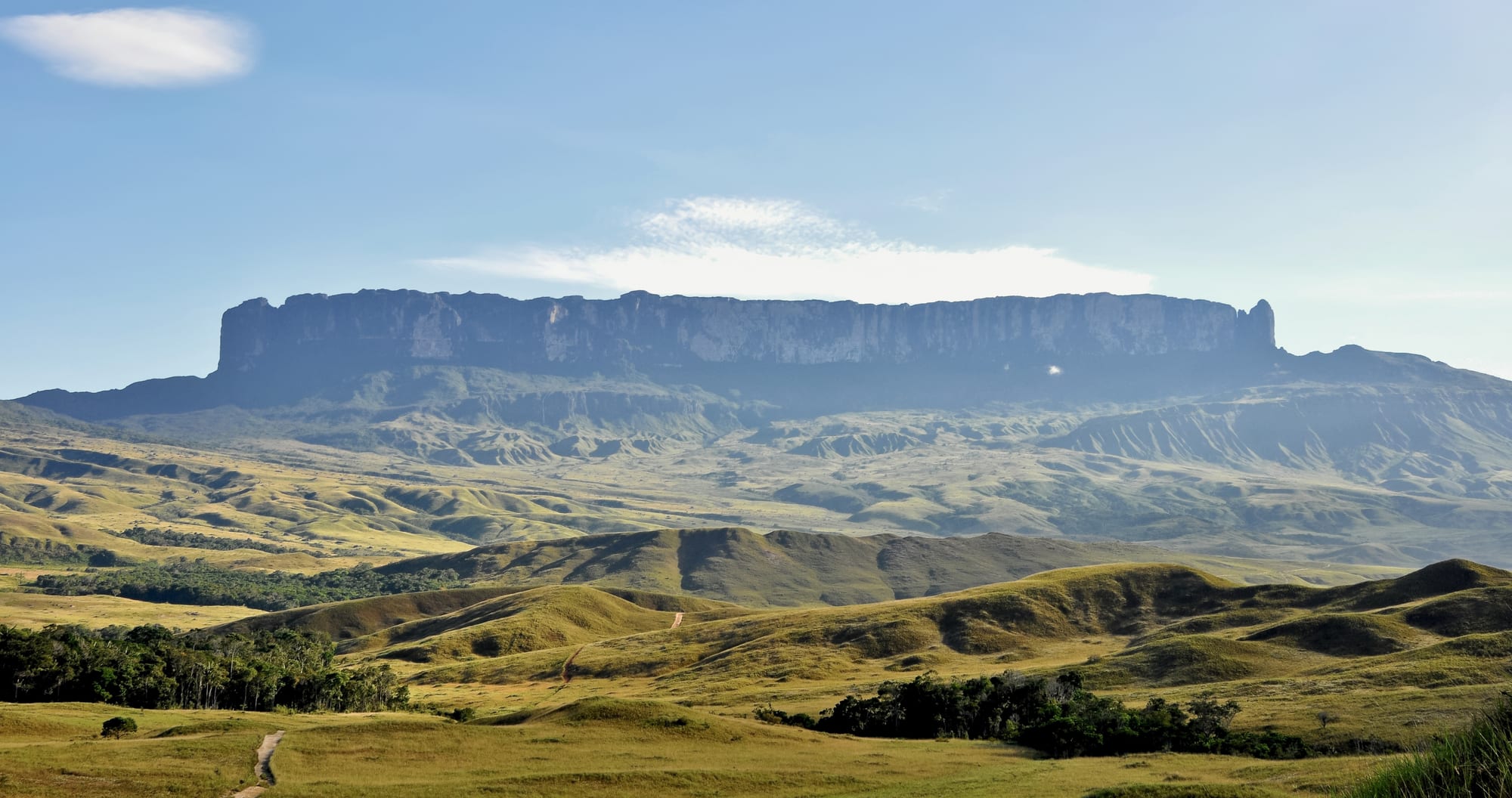
Mount Roraima, made of sandstone about 1.7 to 2 billion years old and among the oldest rocks on earth, rises as a sheer-walled tabletop mountain (tepui) at the meeting point of Venezuela, Brazil, and Guyana. Its isolated summit plateau, home to many endemic plants and animals, is said to have helped inspire Arthur Conan Doyle's 1912 novel The Lost World, and remains reachable via a demanding multi-day trek.
5. Mérida and the Andes
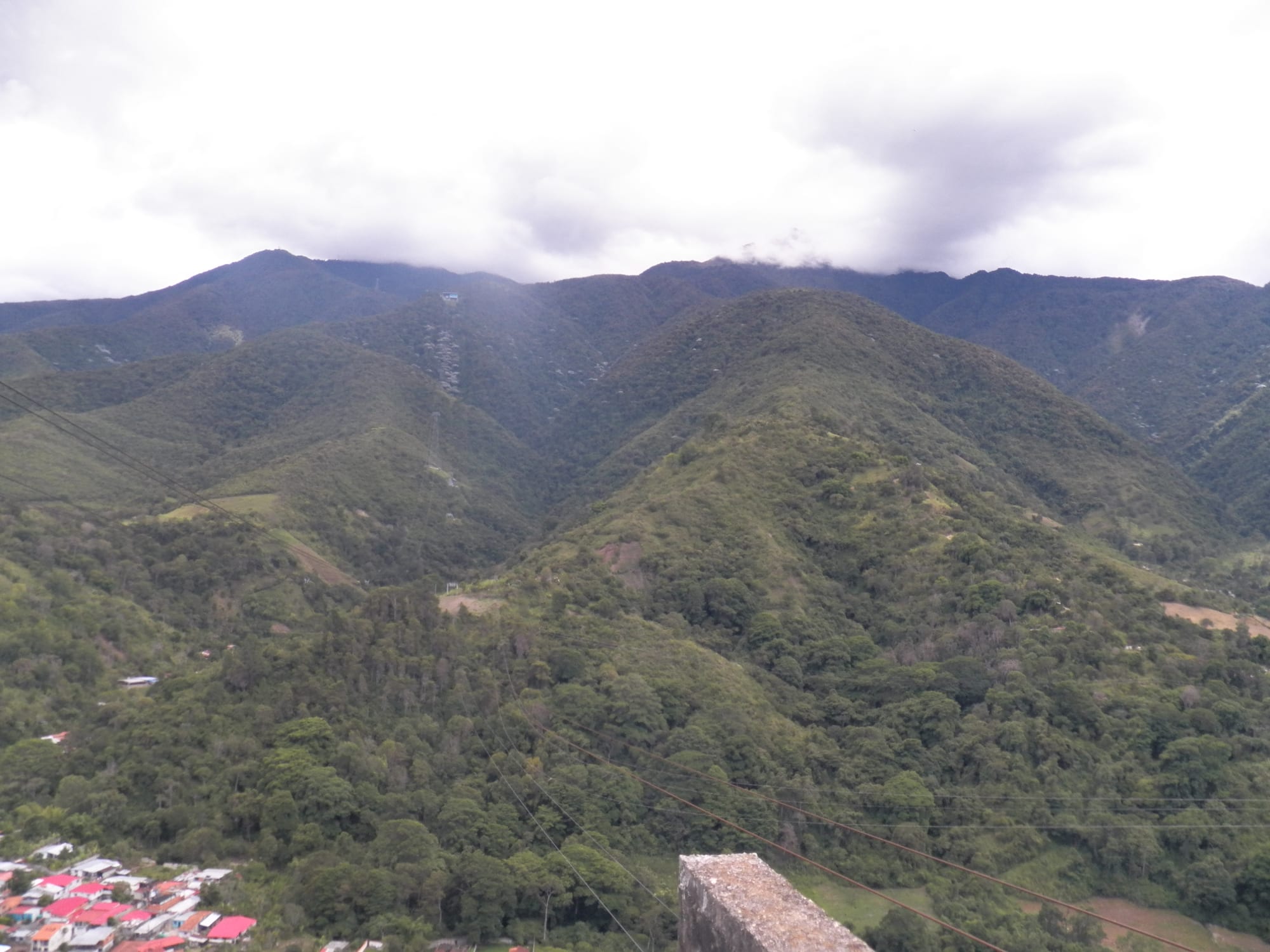
Mérida, in Venezuela's Andean west, is the base for the Mukumbarí cable car, the highest cable car in the world, climbing in stages from the city at about 1,577 metres to Pico Espejo at 4,765 metres. The surrounding Sierra Nevada de Mérida holds the country's highest peaks, whose last glacier, near Pico Humboldt, was downgraded to an ice field in 2024, along with mountain towns and trout-farming villages reached by winding roads.
Mérida's student population and mountain setting give it a livelier, cooler counterpoint to Venezuela's coastal cities.
6. The Médanos de Coro
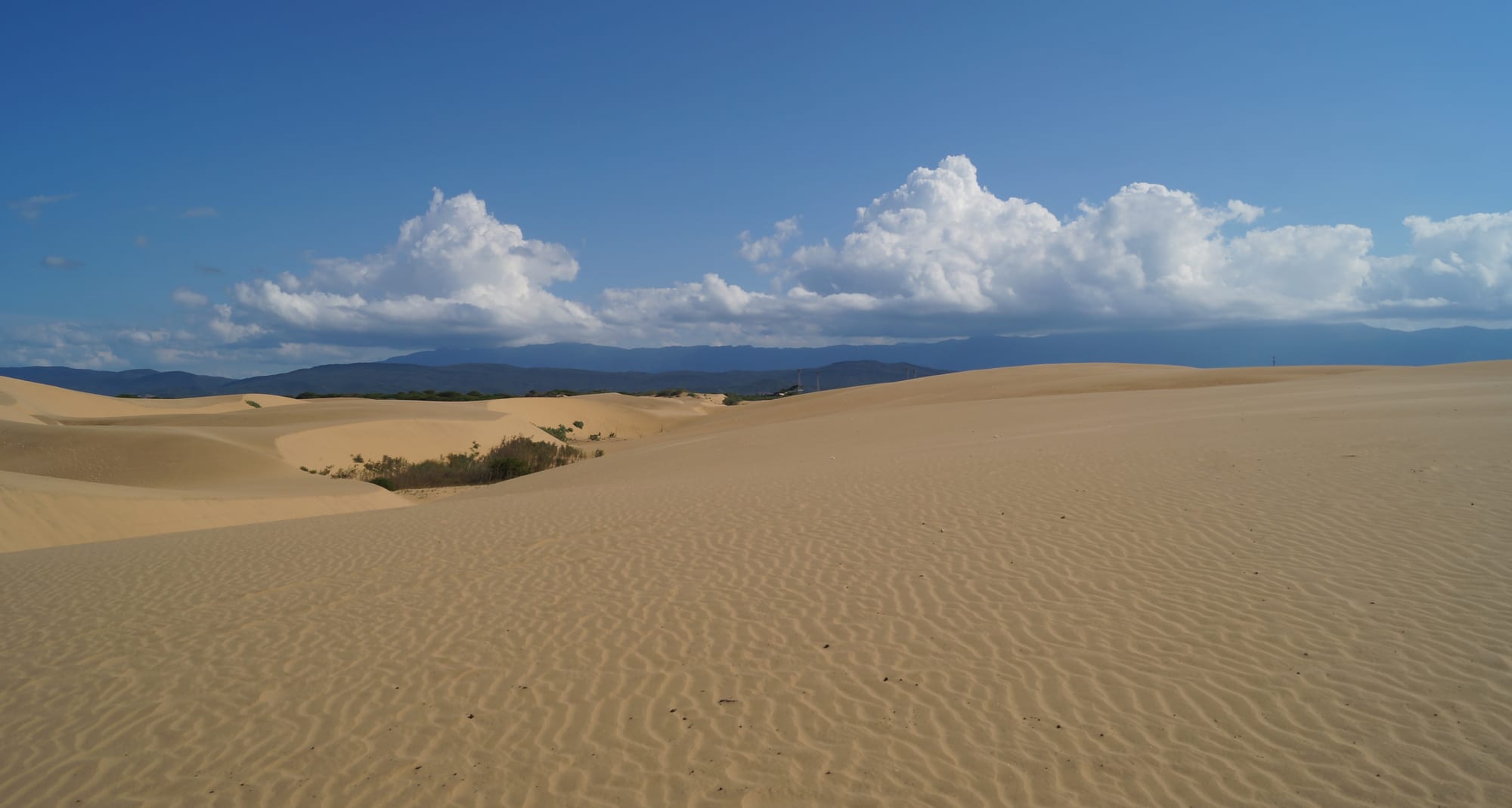
The Médanos de Coro, a national park of shifting sand dunes on the Médanos Isthmus between Coro and the Paraguaná Peninsula, is an unexpected desert landscape for a Caribbean country — dunes up to about 40 metres high, constantly reshaped by the wind. Nearby Coro and its port, La Vela, were inscribed together as a UNESCO World Heritage Site in 1993 for their well-preserved colonial architecture, and have been on UNESCO's List of World Heritage in Danger since 2005.
The dunes are at their most striking, and least scorching, early in the morning or late afternoon.
7. Los Llanos
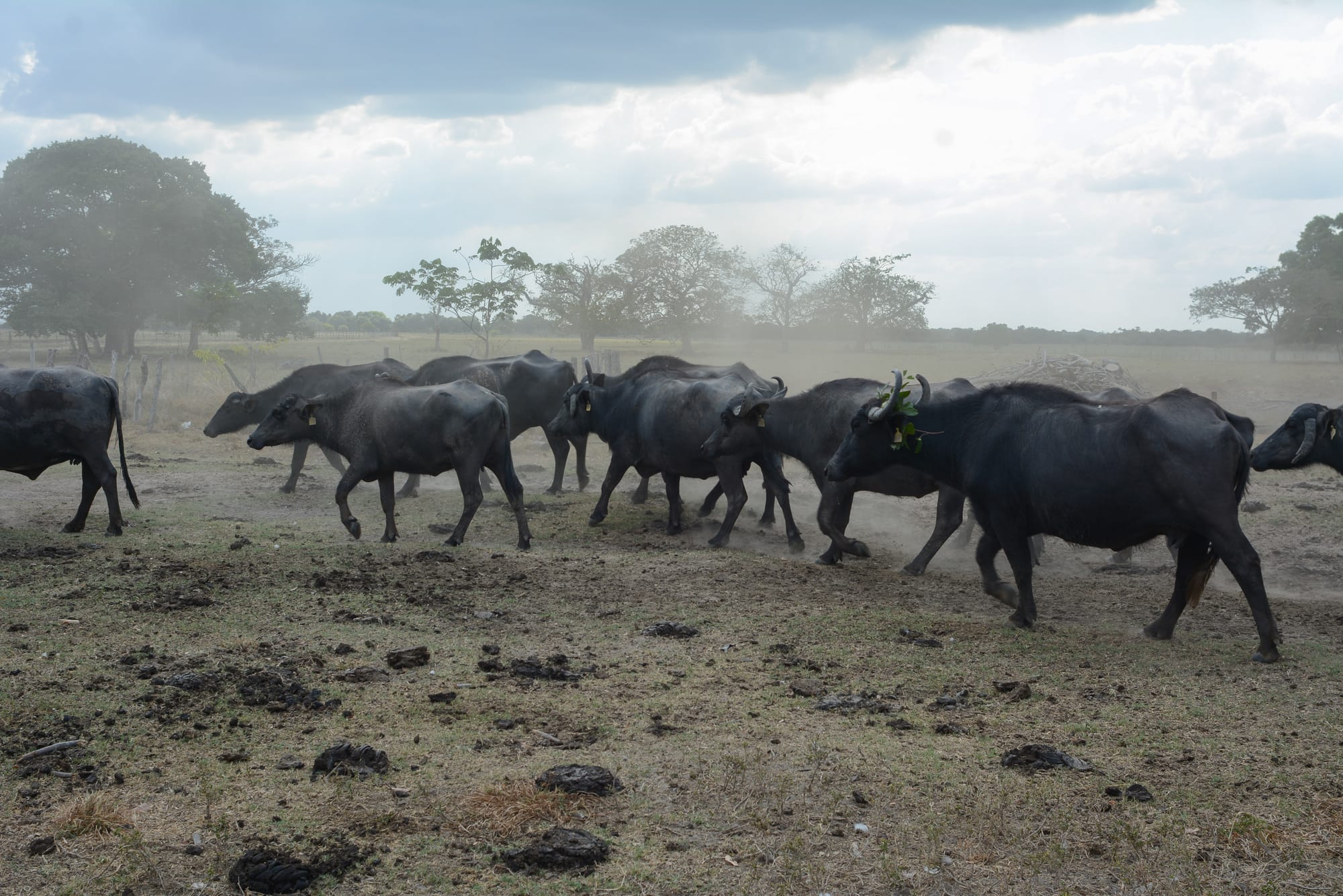
Los Llanos, the vast tropical grassland plains stretching across the centre of Venezuela, are both the country's cattle-ranching heartland and one of South America's great wildlife-viewing regions — capybara, anaconda, caiman, and abundant water birds concentrate around its seasonal wetlands, especially in the dry season when animals gather at shrinking waterholes.
Traditional cattle ranches (hatos), some now open to visitors, offer a window into the llanero cowboy culture that still defines the region.
A practical note
Venezuela has experienced a severe and prolonged political and economic crisis over the past decade, including hyperinflation, widespread shortages, and significant political instability, followed in 2026 by the United States military intervention of January and the deadly earthquakes of June, which has driven millions of Venezuelans to emigrate and has substantially disrupted the country's conventional tourism infrastructure. Most governments advise against all or all-but-essential travel to Venezuela, citing crime, the risk of arbitrary detention (including of foreign nationals), and limited consular support capacity; the main international airport at Maiquetía was heavily damaged by the June 2026 earthquakes. The natural sites described above remain visited, but almost always through specialist operators experienced with the country's particular logistics and current conditions, rather than as independent travel. Anyone considering a visit should rely on current, detailed government advice and specialist local guidance.