Food · Venezuela
Venezuela: Food and the National Dish
A grilled cornmeal pocket stuffed with just about anything, eaten at every meal across the country
By Worldlore Editorial · 30 September 2026
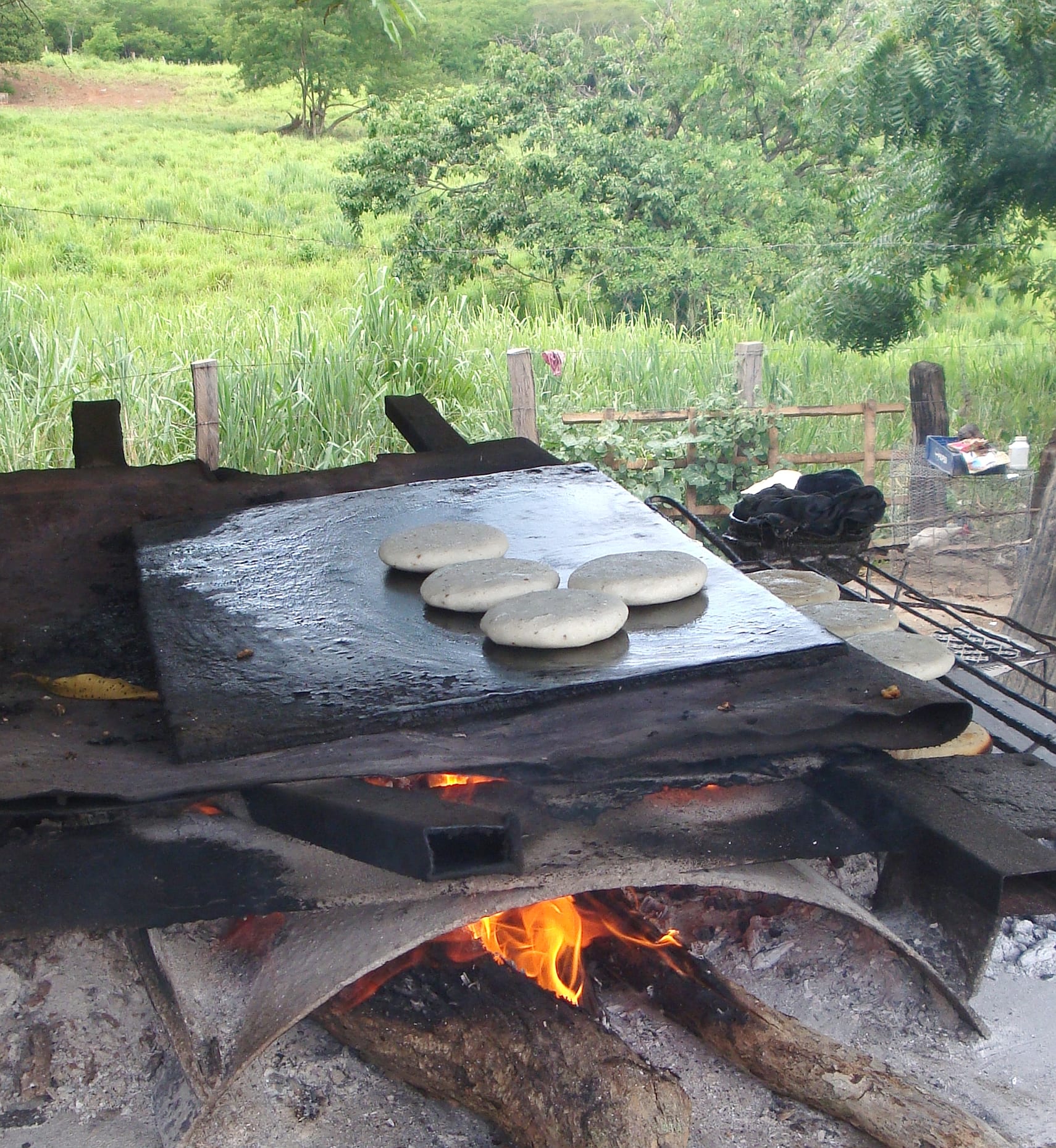
A cuisine built around one endlessly adaptable cornmeal cake
Venezuelan food centres on the arepa, a grilled or fried cornmeal pocket eaten at any meal of the day, filled or topped with whatever is on hand, from cheese and butter at breakfast to shredded meat, beans or seafood later on.
The national dish: arepa
Arepa, a round cornmeal cake grilled, baked or fried and split open to be filled or topped, is the most distinctive Venezuelan food and a symbol of the country's gastronomy, eaten at any meal of the day; the plate usually named the national dish is pabellón criollo. Shared closely with neighbouring Colombia, where regional versions also carry deep cultural significance, the Venezuelan arepa is typically a thick disc of precooked cornmeal, often split and stuffed, filled with everything from shredded beef to black beans and cheese.
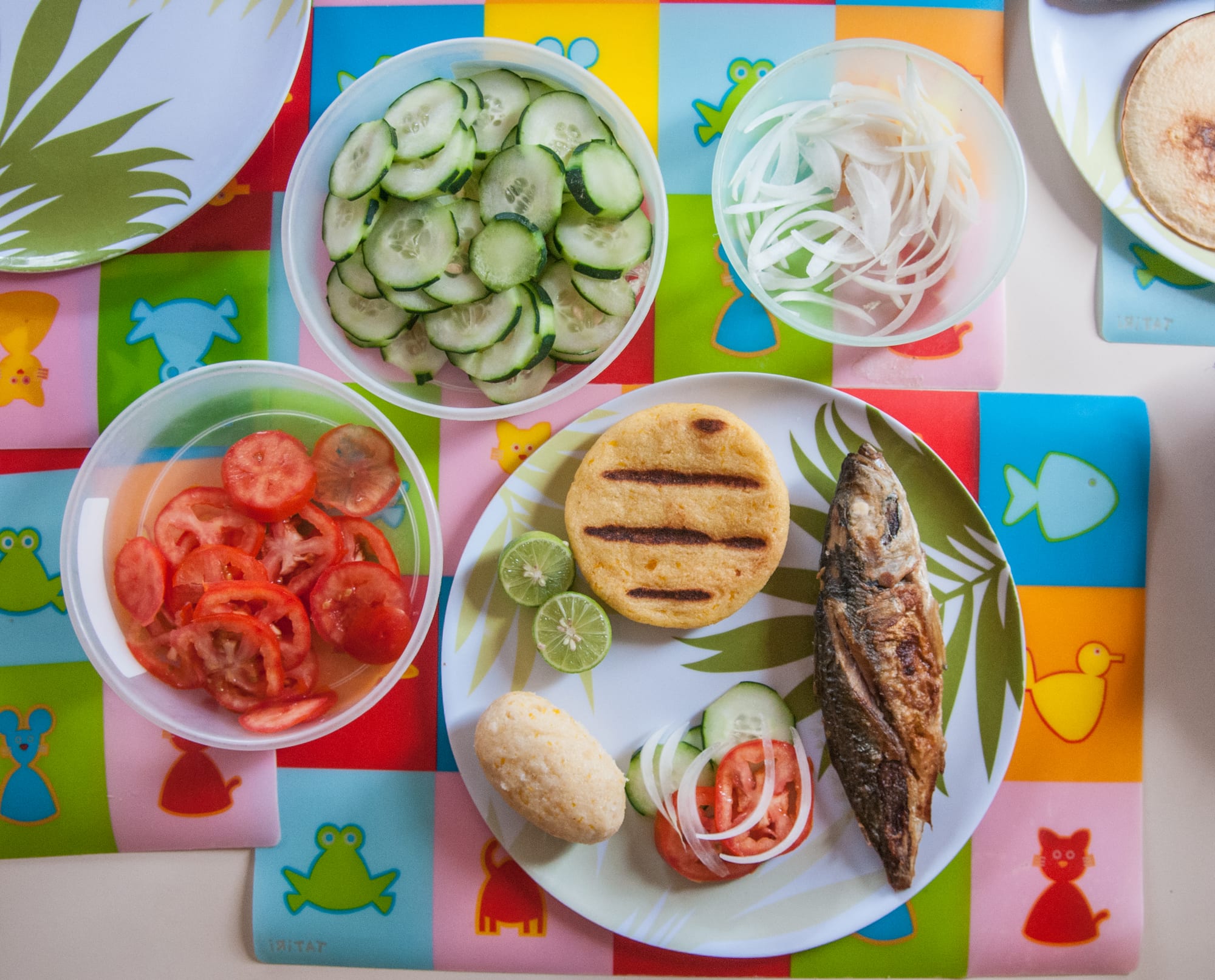
Corn, beans and a genuinely regional pantry
Cornmeal, black beans and shredded beef anchor much of everyday Venezuelan cooking, alongside plantain and a range of cheeses used across countless arepa fillings. Fresh seafood along the coast and Caribbean-influenced dishes on islands like Margarita round out a pantry that varies noticeably between Venezuela's Andean interior, Caribbean coast and Amazon regions.
History behind the cake
Cornmeal cakes similar to the arepa were eaten by Indigenous communities across present-day Venezuela and Colombia long before Spanish colonisation, making the dish genuinely older than the modern national border drawn between the two countries. That shared Indigenous root explains why both nations claim the arepa with equal sincerity, each having developed their own distinct regional styles and fillings over subsequent centuries.
Dishes to know
Five more to recognise across Venezuela:
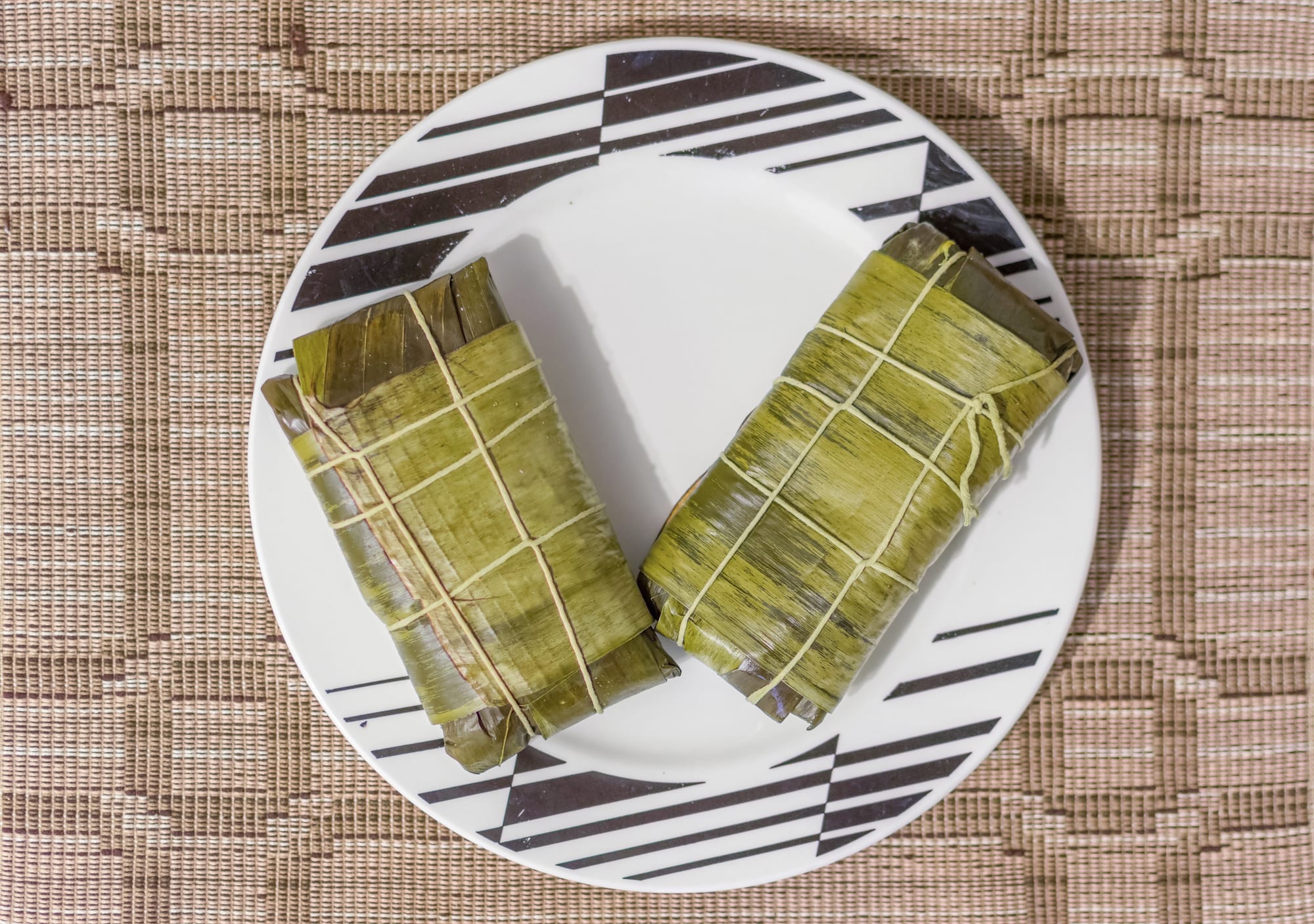
- Hallaca — corn dough filled with a stew of beef, pork or chicken
with raisins, capers and olives, folded in plantain leaves and boiled, a Christmas tradition.
- Pabellón criollo — shredded beef, black beans, rice and fried
plantain served together, considered the national dish.
- Cachapa — a sweet corn pancake, traditionally eaten with queso de
mano, a soft fresh white cheese.
- Tequeños — white cheese sticks wrapped in wheat dough and fried, a
popular party snack.
- Pan de jamón — a soft bread rolled with ham, olives and raisins,
another Christmas tradition.
Drinks
Chicha, a thick sweet drink of boiled rice, milk and sugar, and papelón con limón, made from unrefined cane sugar and lime or lemon, are everyday non-alcoholic choices. Venezuelan rum, a protected designation of origin since 2003, and coffee, grown mainly in the Andes and the coastal mountains, are also widely enjoyed.
Eating as a traveller
Vegetarians will find arepas filled with cheese, beans or avocado genuinely accessible given how customisable the dish is. Most governments advise against most or all travel to Venezuela after the January 2026 US military action and the June 2026 earthquakes, and shortages of fuel, power, water and food persist; bottled water is the safer default. Trying an arepa filled a different way at each meal is a genuine, low-key way to sample Venezuelan cooking's real variety.
What to take from the table
Arepa, older than the modern border with Colombia and endlessly adaptable, is the dish that most directly reflects Venezuelan food: one simple cornmeal base filled a different way depending on the meal, the region and the household.